
Tim Fu is a designer and the founder of Studio Tim Fu, an architectural practice dedicated to bridging human and machine creativity. At the heart of his work lies a mission to champion the role of human artistry and originality in an era increasingly impacted by AI innovation. His team at STF collaborates with clients and partners worldwide to deliver visionary projects that celebrate architectural artistry while embracing transformative possibilities of AI. With a deep appreciation for form and structure, Tim’s designs explore bold, fluid geometries that inspire and elevate the experience of the built environment. As a leader in the architectural field, Tim is seeking to discover how an architectural practice can be structured and run differently in the AI era. He advocates for a future where technology amplifies human creativity, fostering a culture of innovation, collaboration, and human design excellence.
This Article is Sponsored by NVIDIA and HP and is released as part of the AI in Architecture series, interviewing pioneers in AI and painting a picture of the general state of the current AI innovation and application in the AEC industry.
AI as a Creative Partner in Architecture
AI is rapidly establishing itself as an indispensable tool in architectural design, enhancing both efficiency and creativity. According to Fu, AI is not just a facilitator of automation but also a generator of design intelligence, possessing adaptability and reasoning capabilities that make it particularly viable for creative industries. While quantitative aspects of architecture—such as calculations, information processing, and optimization—have long been assisted by digital tools, AI is now making inroads into qualitative design tasks, enabling architects to generate architectural drawings, explore stylistic variations, test materiality, and create complex visualizations with unprecedented speed and precision.
“We’re just scratching the surface,” Fu asserts, emphasizing that the potential applications of AI in architecture remain largely unexplored. With its ability to process vast amounts of data instantaneously and generate unique outputs, AI is expanding the boundaries of conceptual design, form-finding, and project execution. Architects now have access to a dynamic tool that enhances their ability to iterate and refine ideas that would have been too time-consuming or even impossible to achieve through traditional means.

Landscape Ratio; Image Courtesy: Tim Fu

Landscape Ratio; Image Courtesy: Tim Fu
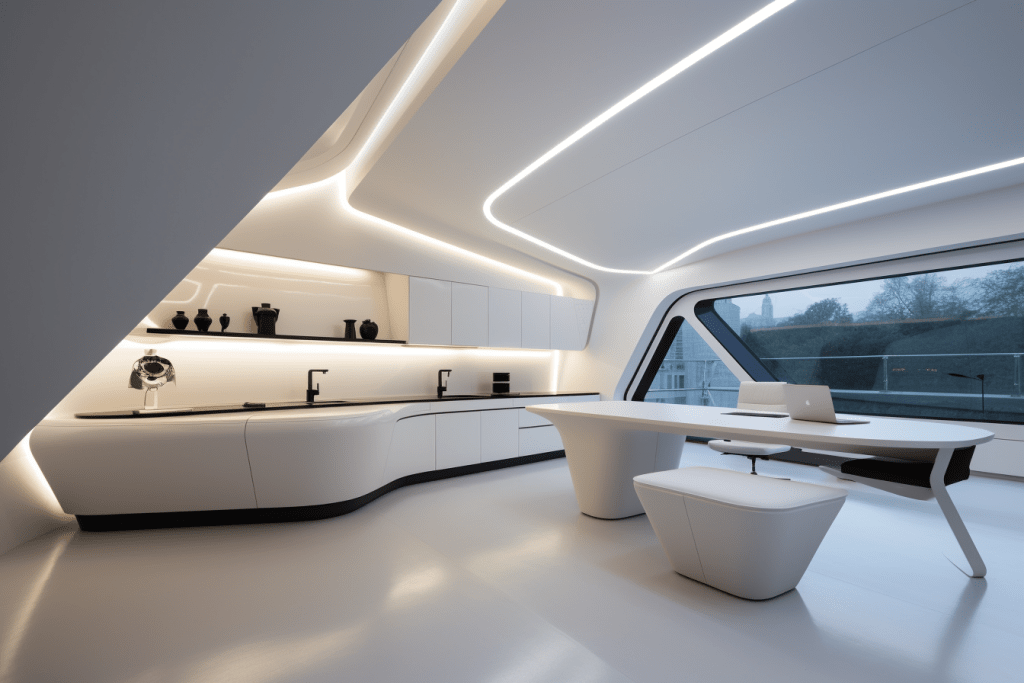
Landscape Ratio; Image Courtesy: Tim Fu
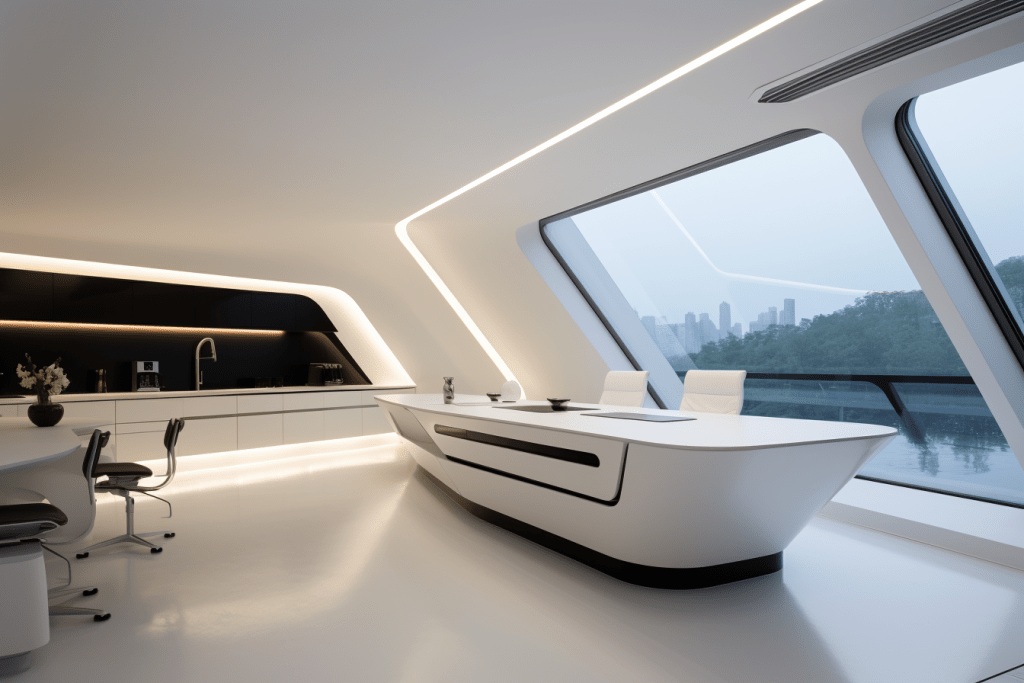
Landscape Ratio; Image Courtesy: Tim Fu
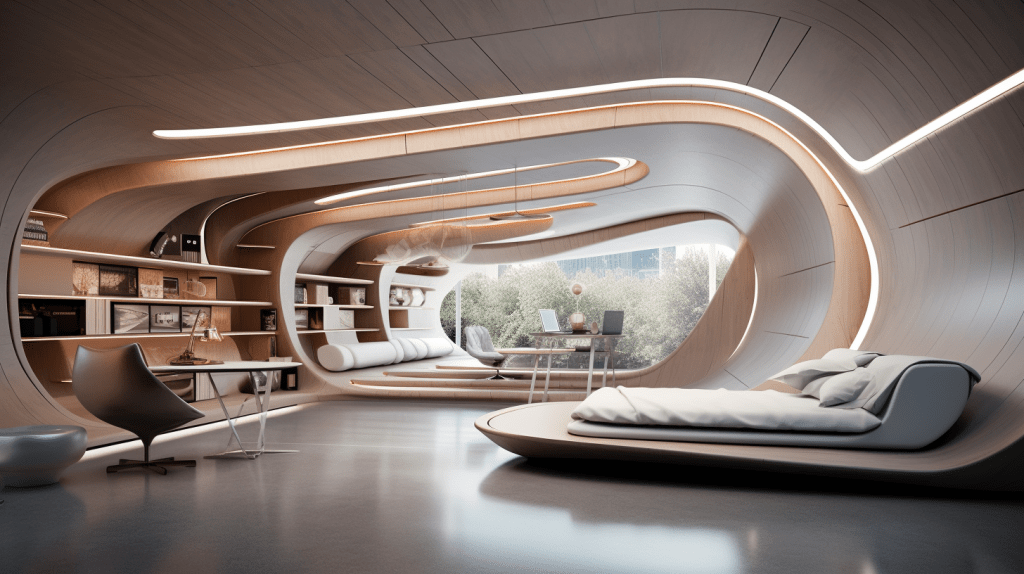
Landscape Ratio; Image Courtesy: Tim Fu

Landscape Ratio; Image Courtesy: Tim Fu
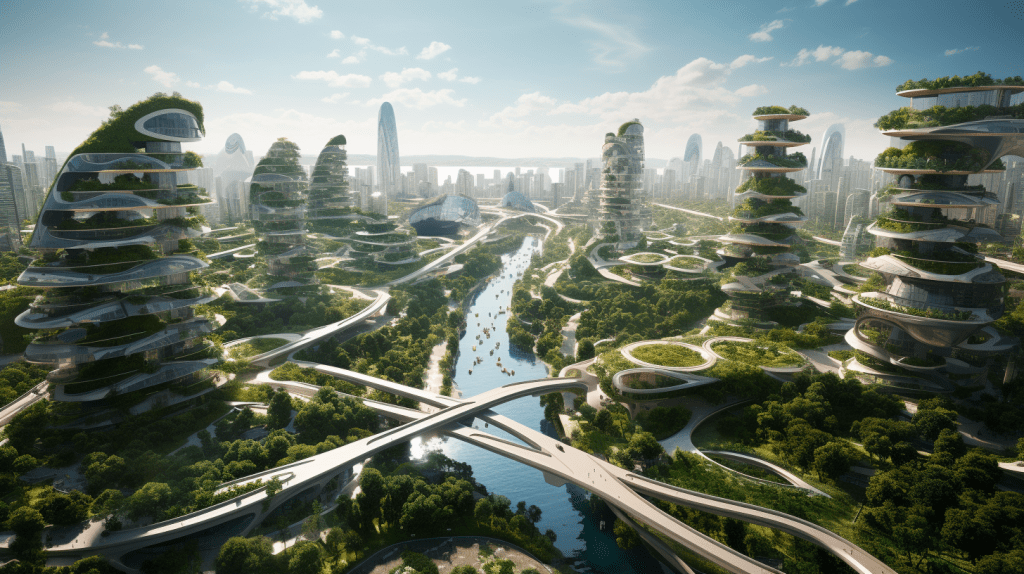
Landscape Ratio; Image Courtesy: Tim Fu
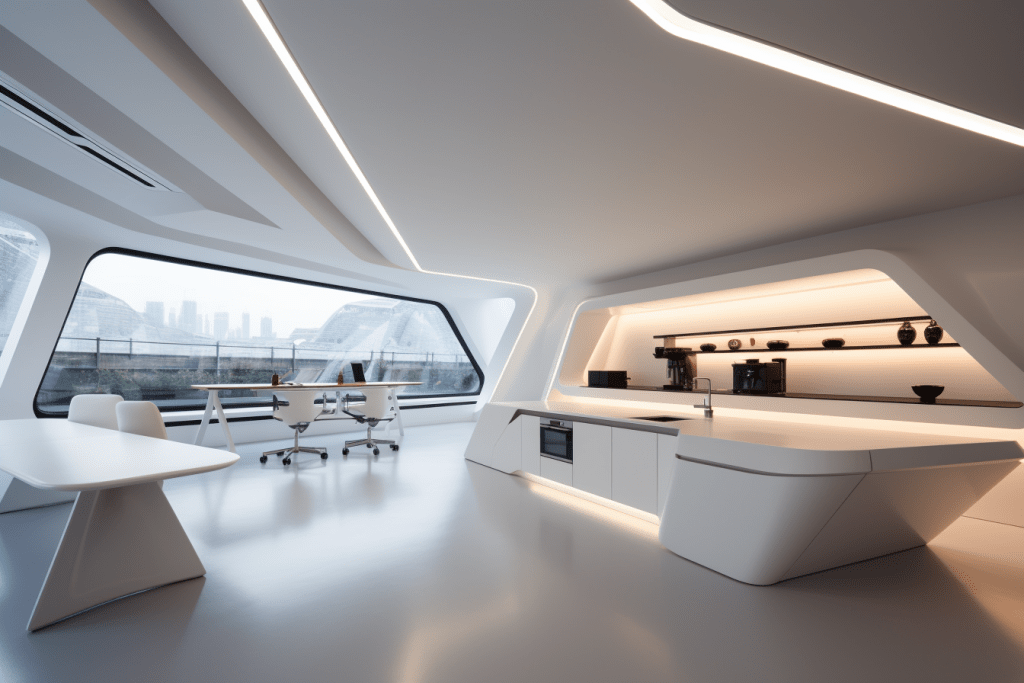
Landscape Ratio; Image Courtesy: Tim Fu
Real-Time AI: Transforming the Creative Process
One of Fu’s latest innovations, Gen AI Real-Time, exemplifies the growing synergy between AI and architecture. This groundbreaking tool enables real-time transformation of live video input, fundamentally altering how architects visualize their designs. “The idea is to speed up the process of rendering from one idea to another,” Fu explains. Through advanced AI-driven graphics and computational power, this tool facilitates instantaneous style transfer and iterative design exploration, expanding the creative process beyond the constraints of traditional rendering workflows.

Beton Villa; Image Courtesy: Tim Fu
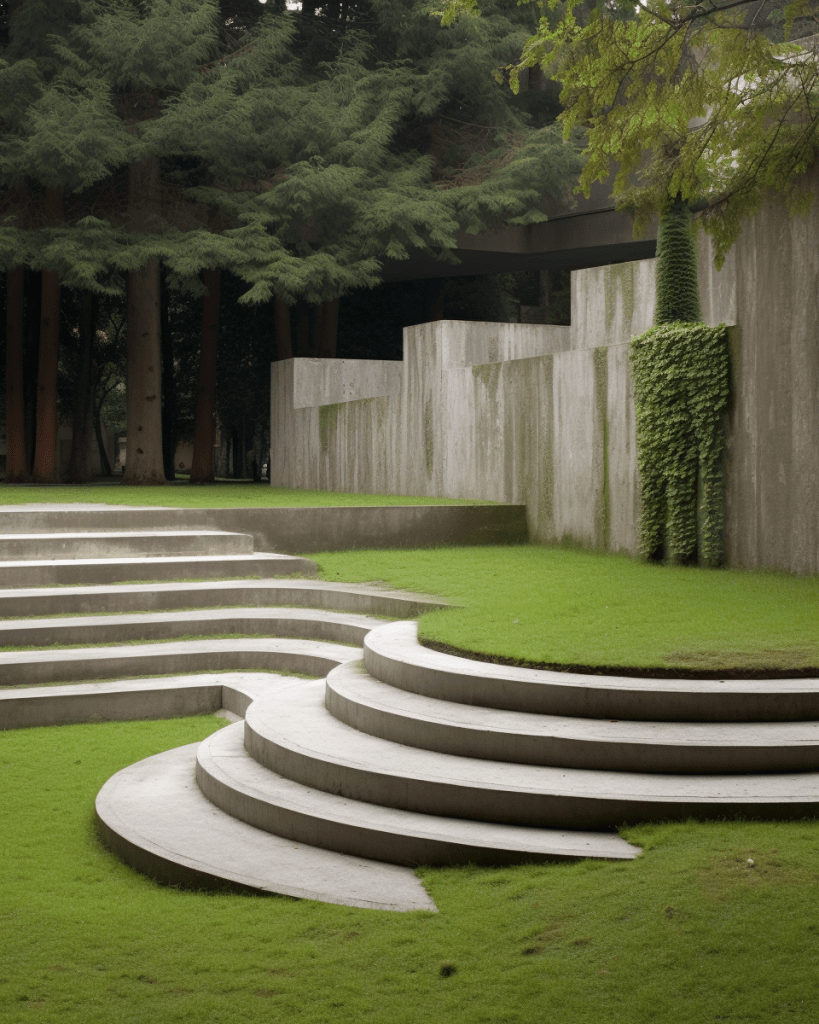
Beton Villa; Image Courtesy: Tim Fu

Beton Villa; Image Courtesy: Tim Fu
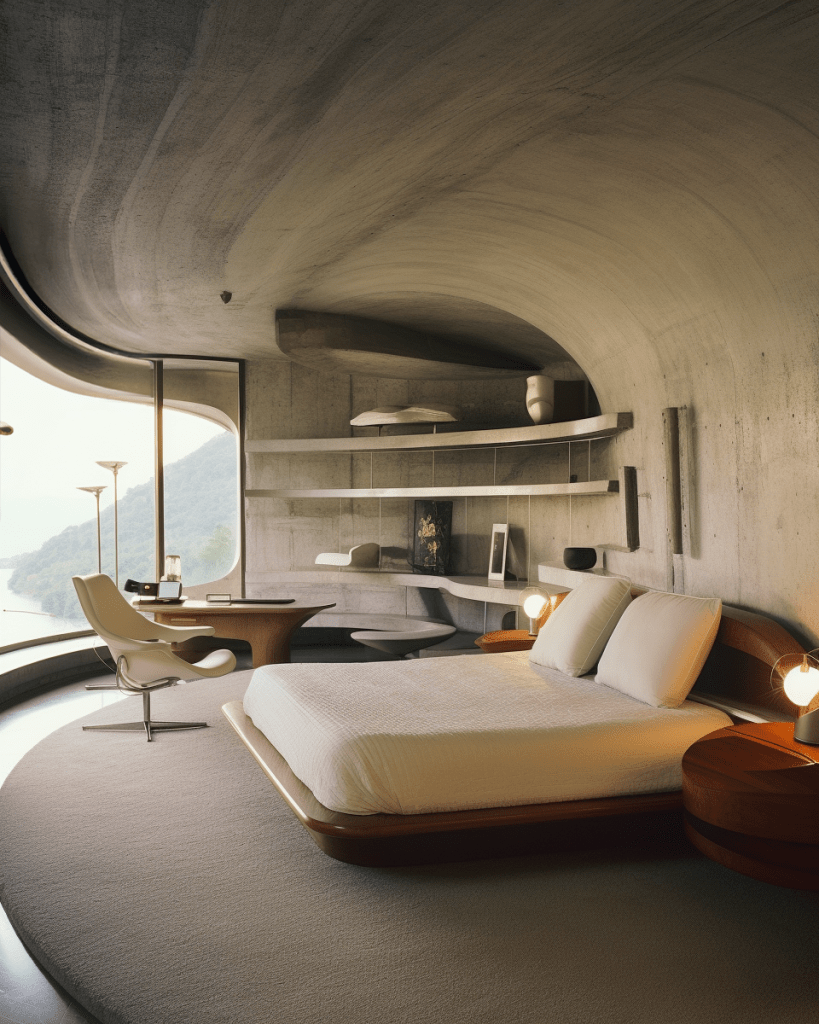
Beton Villa; Image Courtesy: Tim Fu

Beton Villa; Image Courtesy: Tim Fu
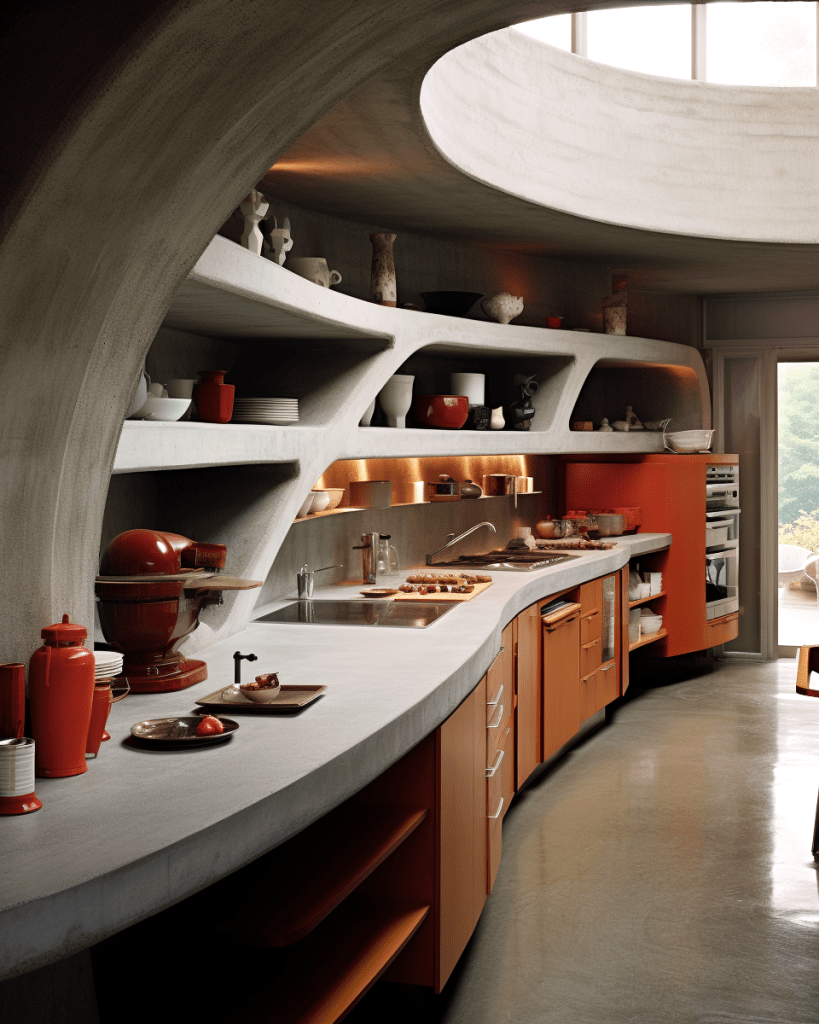
Beton Villa; Image Courtesy: Tim Fu

Beton Villa; Image Courtesy: Tim Fu

Beton Villa; Image Courtesy: Tim Fu
Whether applied to architectural design, fashion, or product development, real-time AI capabilities empower designers to rapidly conceptualize variations, experiment with different material palettes, and test spatial configurations in a way that was previously unimaginable. This newfound flexibility fosters a more interactive and fluid design methodology, allowing architects to respond dynamically to evolving ideas, client feedback, and project constraints without the bottlenecks of lengthy rendering times.
AI as an Extension of Human Creativity
Despite the remarkable potential of AI, resistance persists within the architectural profession. Many architects worry that AI-driven tools may diminish originality or erode creative control. Fu challenges this notion, positioning AI not as a replacement for human creativity but as an augmentation of it.
“When cameras were invented, portrait painting as an art form declined, but that didn’t mean visual art disappeared,” he analogizes. Similarly, AI is a tool that still requires the vision, expertise, and intention of its user to create meaningful and impactful architecture.
Fu believes that the architects who embrace AI as a creative ally will be the ones leading the profession into the future. By learning to guide and direct AI-generated outputs, architects can leverage computational intelligence as a means of enhancing—not diluting—human intuition. The key lies in understanding the fluid dynamic between human decision-making and AI-generated possibilities, adjusting control as needed for each project.
“Sometimes, you want to be very precise and ensure AI executes exactly what you envision. Other times, you allow the AI to generate unexpected solutions and build upon them,” he explains.
This iterative interplay between structured control and open-ended exploration fosters a more innovative, responsive, and versatile design process.

Parametric Villas; Image Courtesy: Tim Fu

Parametric Villas; Image Courtesy: Tim Fu

Parametric Villas; Image Courtesy: Tim Fu

Parametric Villas; Image Courtesy: Tim Fu

Parametric Villas; Image Courtesy: Tim Fu

Parametric Villas; Image Courtesy: Tim Fu

Parametric Villas; Image Courtesy: Tim Fu

Parametric Villas; Image Courtesy: Tim Fu

Parametric Villas; Image Courtesy: Tim Fu
Rethinking the Architectural Firm in the AI Era
Fu’s own practice, Studio Tim Fu, exemplifies the changing nature of architectural firms in the AI-driven era. Unlike traditional firms that operate within conventional project pipelines, his company functions more like a technology startup, blending architectural expertise with AI research, parametric coding, and data training.
“We have a young and flexible team that allows us to stay competitive,” he says, emphasizing the importance of agility and interdisciplinary collaboration in an AI-driven future.
As the industry evolves, architectural firms may increasingly adopt hybrid models that integrate AI specialists, software developers, and computational designers. Beyond visualization, AI has the potential to impact generative design, material optimization, and construction automation. Firms that embrace these advancements will not only redefine their internal workflows but also explore alternative revenue streams—such as licensing AI-driven tools, developing proprietary design software, or offering AI-powered consultancy services.
The Future of Business Models and Client Interaction
AI’s role in architectural workflows is also reshaping business models and client interactions. According to Fu, AI has significantly enhanced the efficiency of design discussions by enabling clients to generate and present AI-driven visual representations of their ideas.
“It helps a lot for a client to not only explain with words but also show us their preferred visuals—either found online or generated by AI,” he notes.
This acceleration in the early design phase can compress what once took months into mere weeks, leading to faster decision-making and more streamlined project timelines.
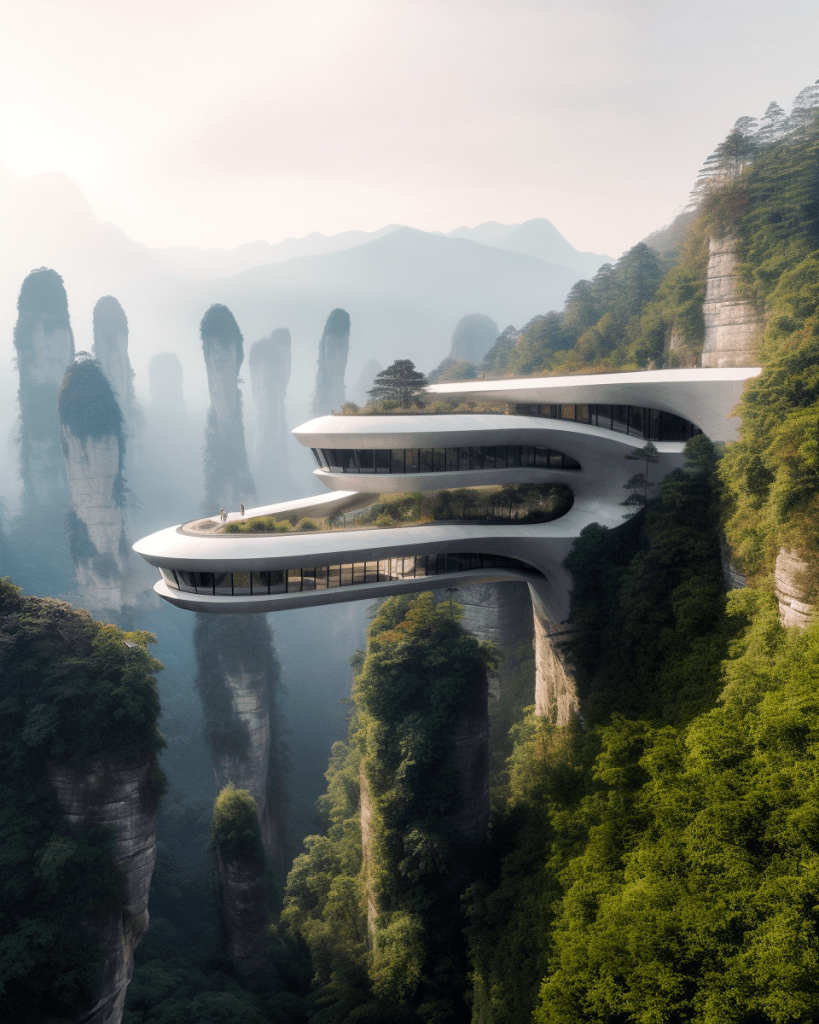
Clif Houses; Image Courtesy: Tim Fu

Clif Houses; Image Courtesy: Tim Fu
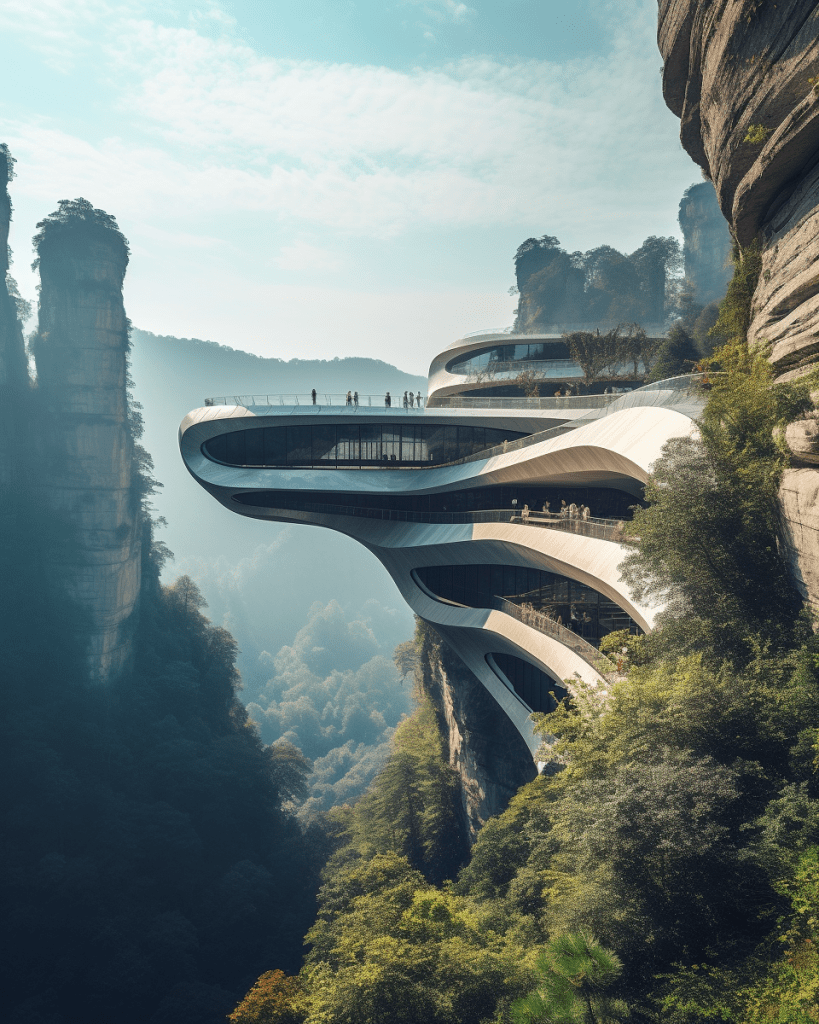
Clif Houses; Image Courtesy: Tim Fu

Clif Houses; Image Courtesy: Tim Fu

Clif Houses; Image Courtesy: Tim Fu

Clif Houses; Image Courtesy: Tim Fu
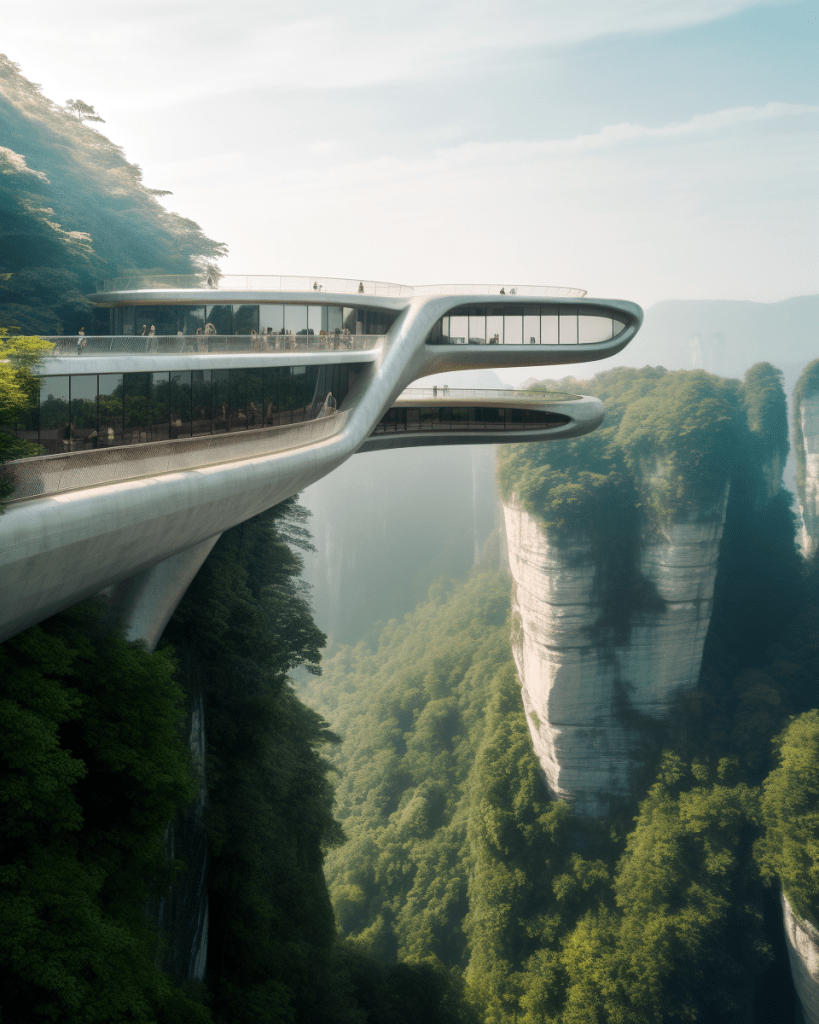
Clif Houses; Image Courtesy: Tim Fu

Clif Houses; Image Courtesy: Tim Fu

Clif Houses; Image Courtesy: Tim Fu
Moreover, as AI reduces the time and labor required for design production, firms must rethink their pricing structures. Fu foresees a shift away from time-based billing models toward value-driven pricing that prioritizes strategic expertise and design intelligence. If AI enables firms to execute projects faster and at higher quality, the competitive edge will no longer be defined by hours worked but by the ability to leverage AI to deliver superior outcomes.
AI Beyond Form Generation: Aiding Construction and Urban Planning
While AI is commonly associated with conceptual design and visualization, Fu sees its potential extending deep into construction methodologies, compliance, and urban planning. “We are actively researching how AI can support the entire architectural workflow—from early design to construction documentation and cost estimation,” he shares. He envisions a near future where AI tools, integrating language models with visual diffusion models, will autonomously progress projects from concept to buildable reality.

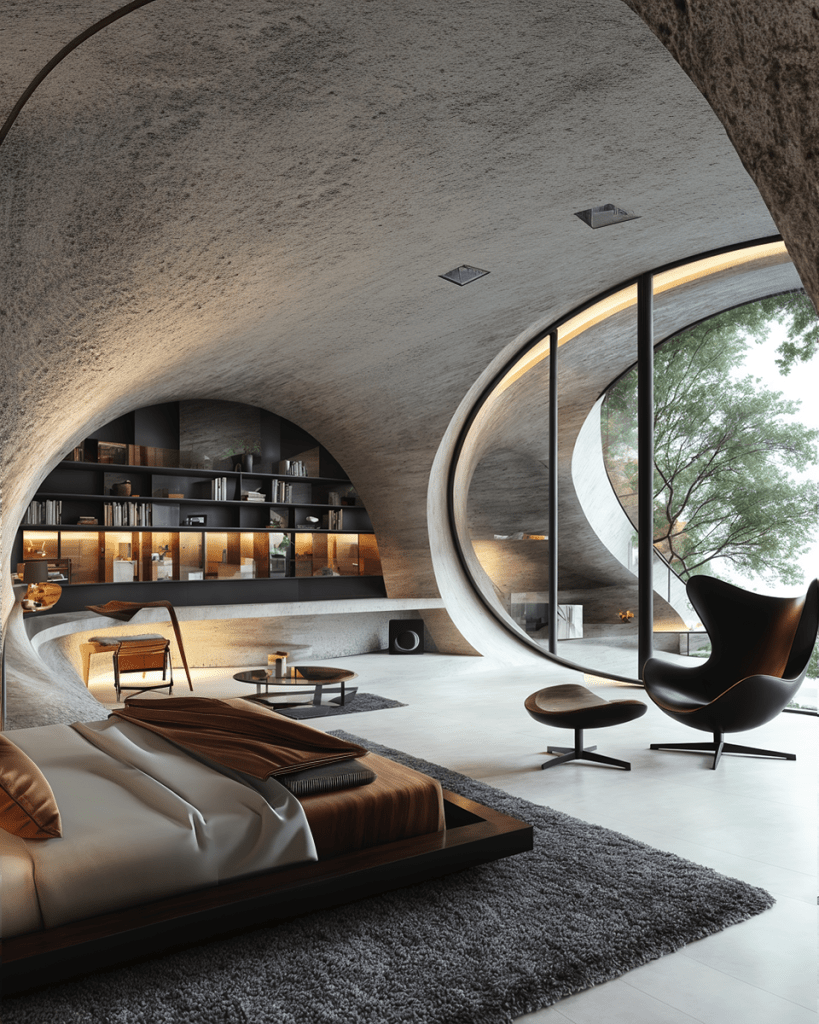


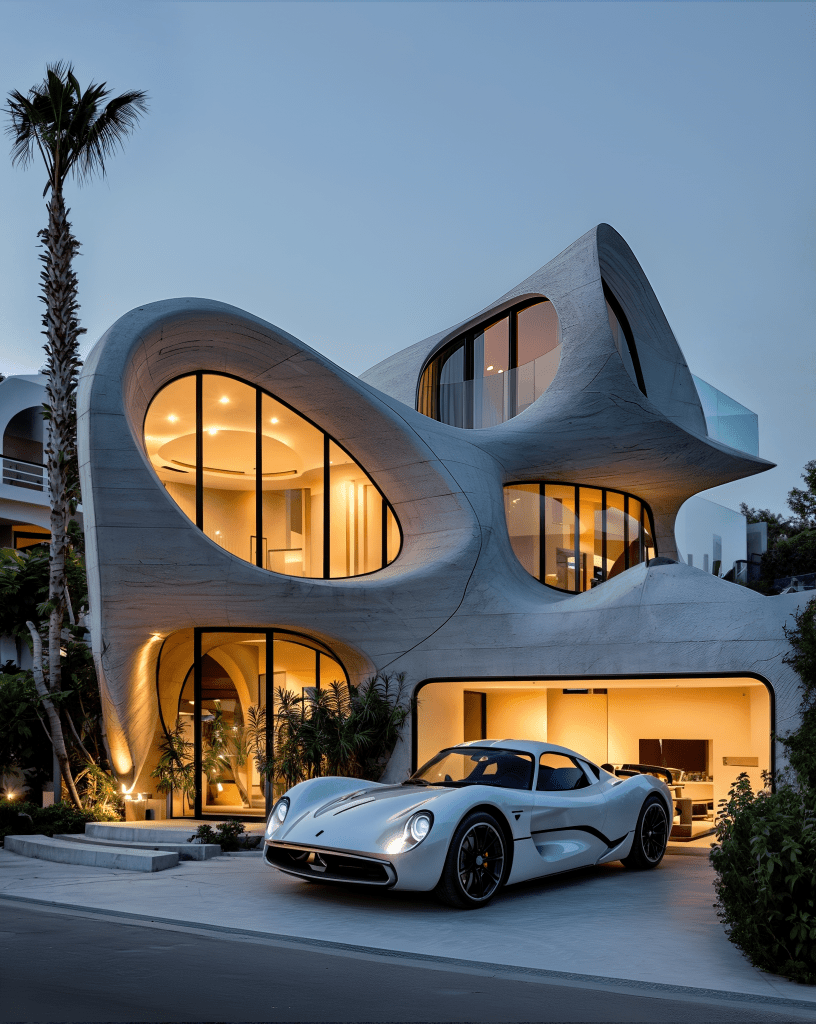
At the urban scale, Fu’s team is exploring AI applications for city planning. Their project, ‘Urban GPT Alpha,’ aims to integrate AI into urban design workflows, optimizing spatial planning through automated analysis and intelligent decision-making. While still in its early stages, such research underscores AI’s potential to redefine large-scale design strategies, potentially informing more efficient and adaptable urban environments.
AI and Architectural Authorship: A New Paradigm
The advent of AI in architecture has sparked discussions about creative ownership and authorship. Fu believes that AI is best understood as an augmentation tool, not an independent creator.
“AI provides ideas that we then develop further. The initial AI-generated visualization is just a small fraction of the process,” he explains.
Architectural design encompasses far more than generating images—it involves programming, technical detailing, material rationalization, and construction execution, all of which still require human expertise.
Additionally, concerns about AI democratizing design and diminishing the role of architects are, in Fu’s view, unfounded. “The tools are accessible to everyone, including non-architects, but expertise comes from years of accumulated knowledge. Just as anyone can own a camera, but professional photographers are still needed, architects will always be essential in refining and executing designs.”


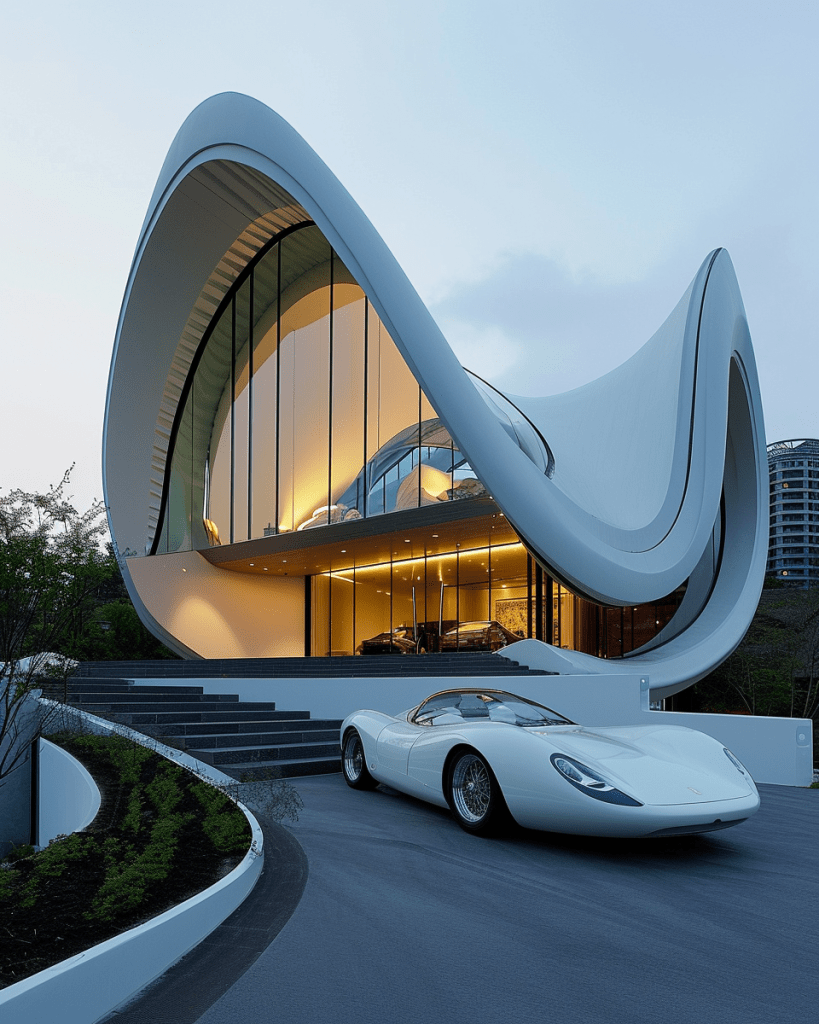
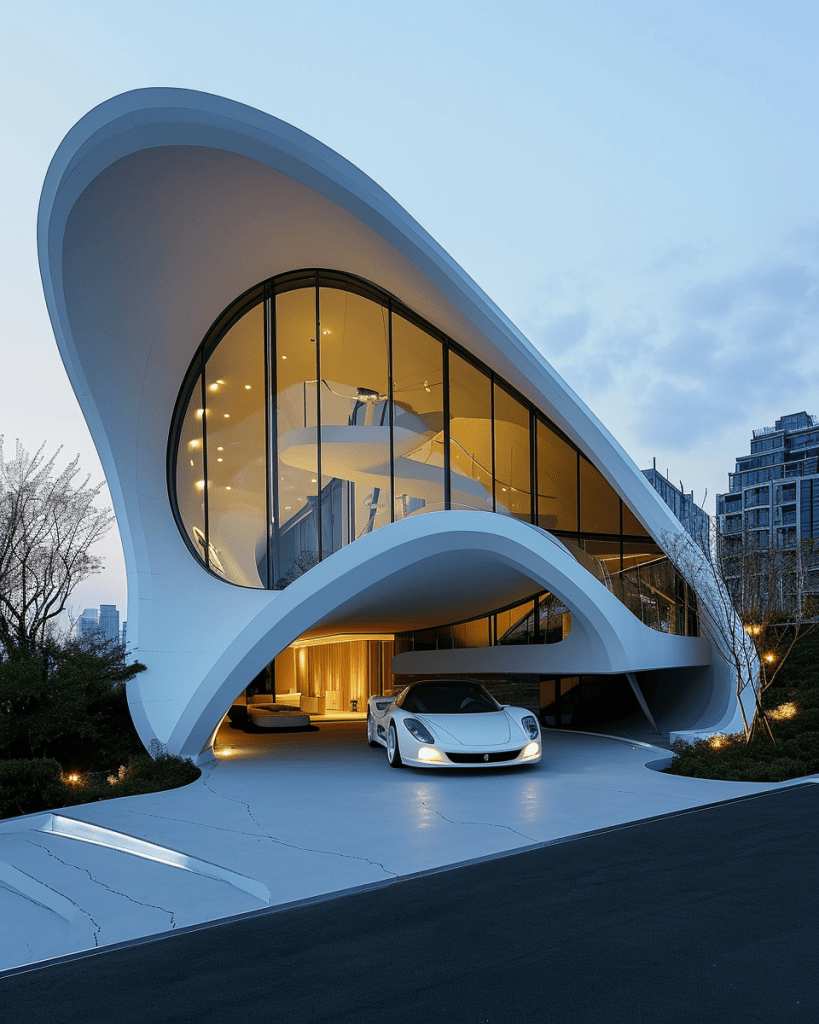
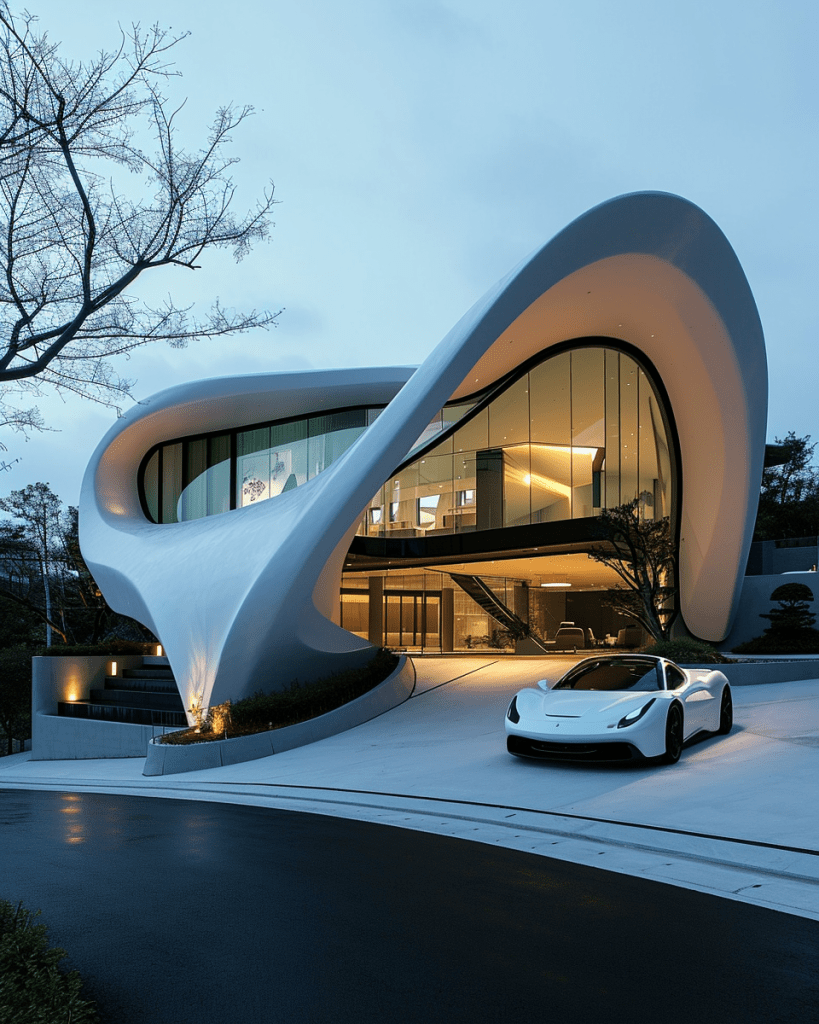
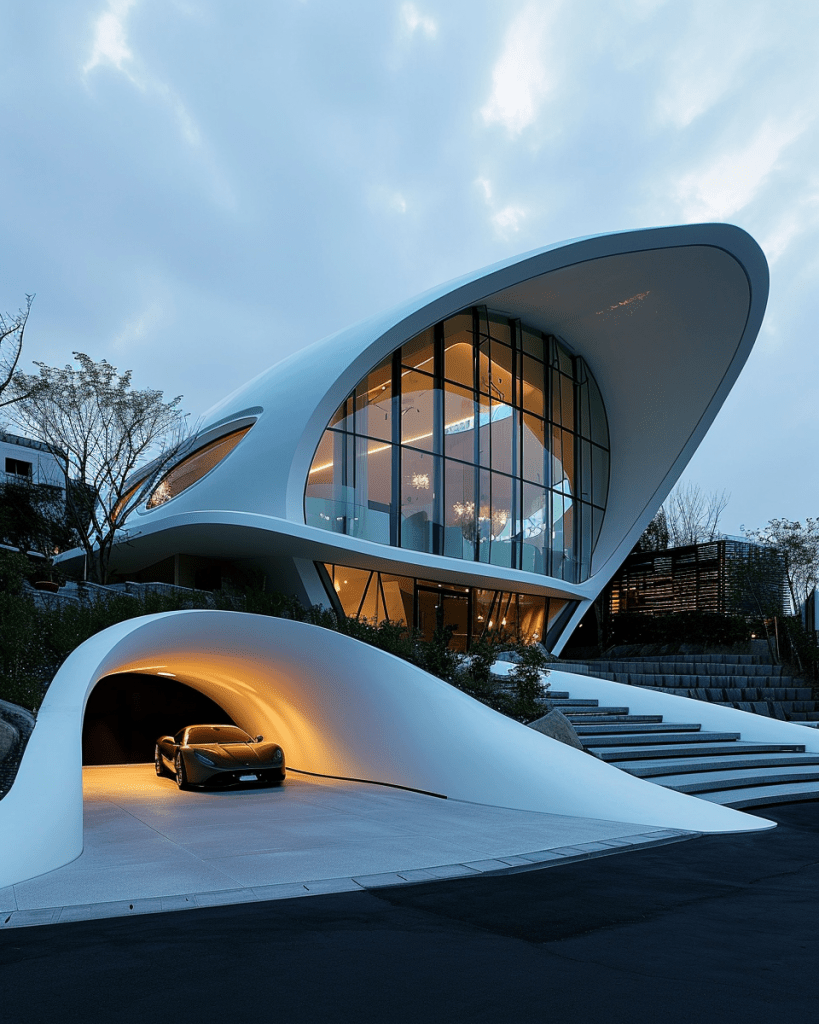
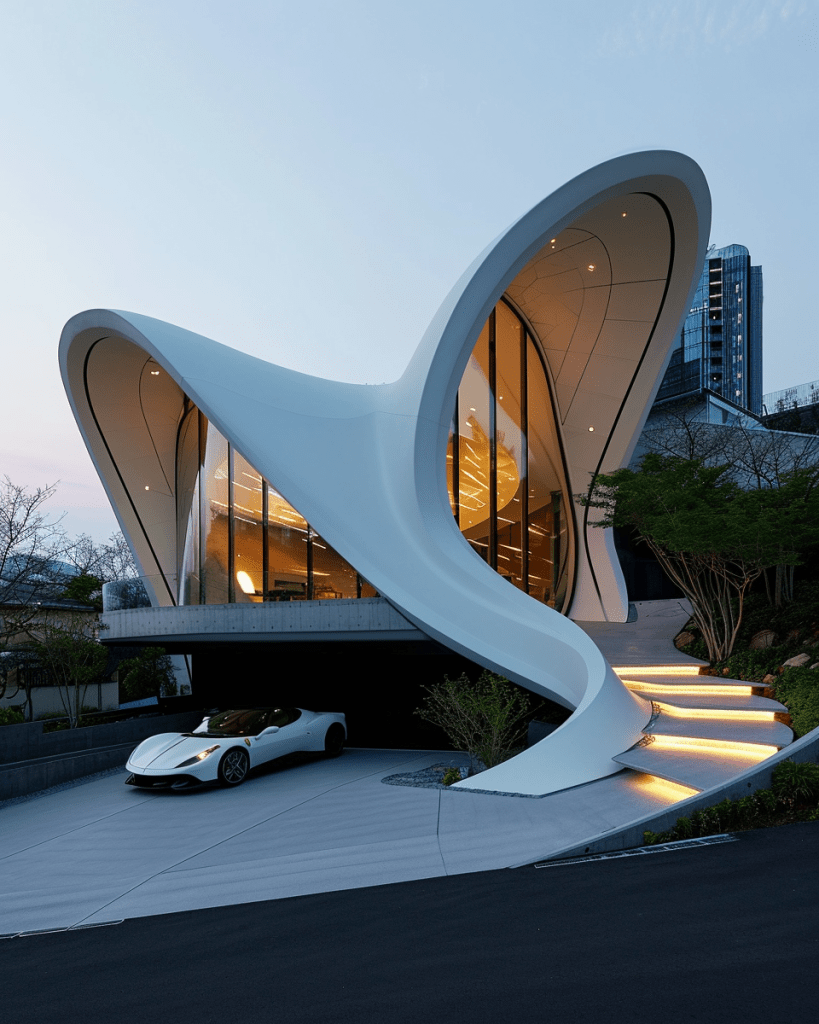

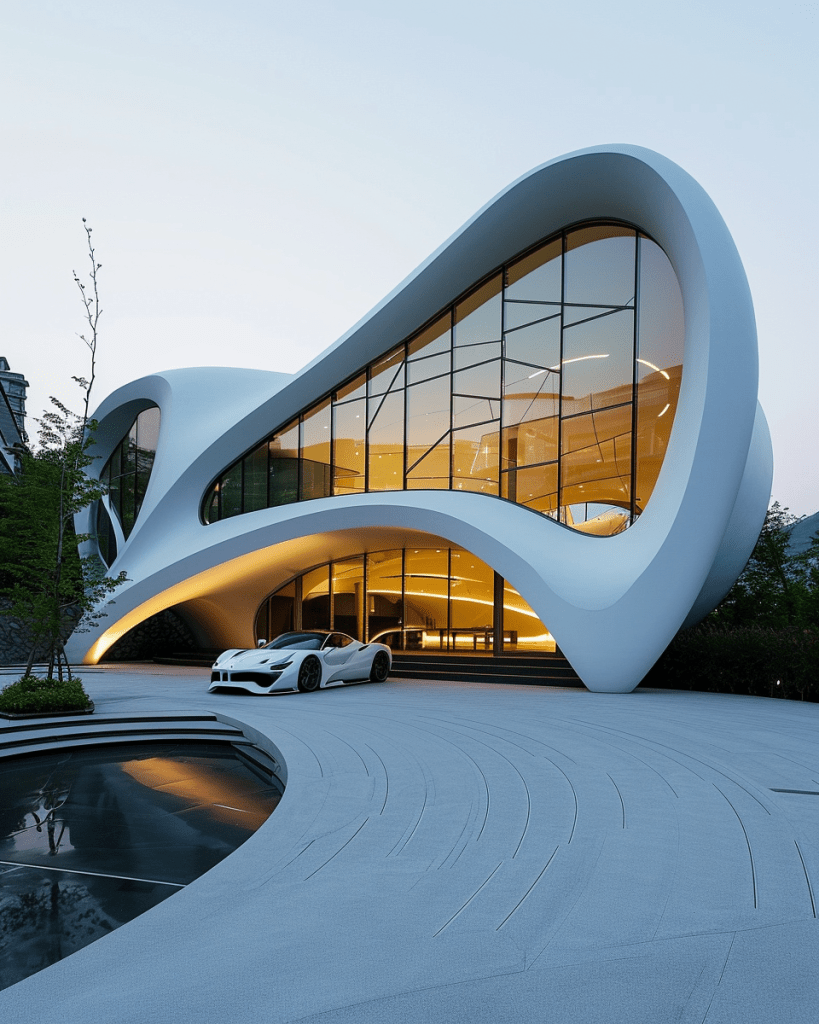
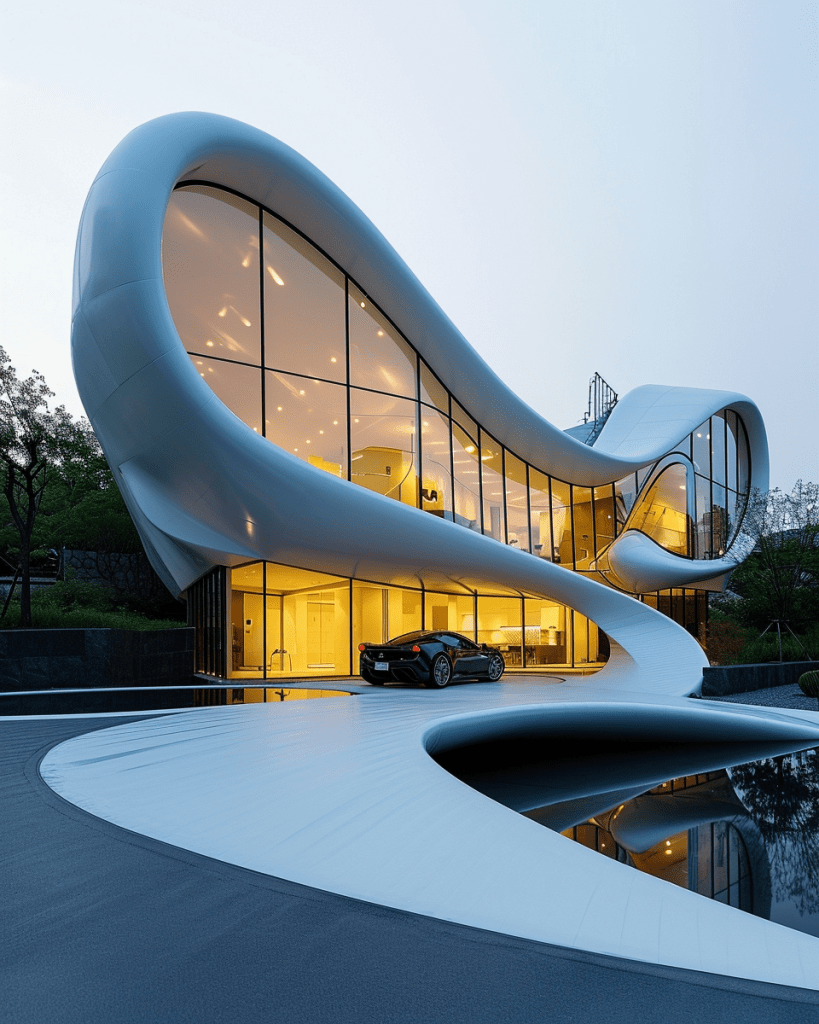
The Path Forward: Embracing AI as a Catalyst for Innovation
The architectural profession stands at a pivotal moment in its evolution. AI is not a threat but an opportunity—a means to push boundaries, enhance efficiency, and unlock new creative possibilities. Fu’s message to architects is clear: “AI should be embraced as an exploratory tool that enriches creative thinking. Keeping an open mind and experimenting with AI at every stage of design will allow us to push architectural practice to new heights.”
As AI continues to develop at a rapid pace, the next decade will witness its deep integration into every facet of architectural practice.
Firms that adapt, innovate, and harness AI’s potential will not only stay ahead of the curve but will also shape the very future of design itself.