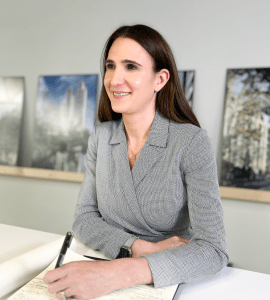
The hospitality industry is a dynamic realm where each day presents a new adventure, and Andrew Buchanan embodies this spirit wholeheartedly. With a career spanning over 30 years, Buchanan has traversed the globe, leaving his mark on luxury hospitality in hotels, property development, PBSA (Purpose-Built Student Accommodation), and beyond. From directing transactions in the UK and Europe to transforming operational landscapes for market sales, Buchanan's expertise is diverse.
Now, as the Head of Hospitality at HLM Architects, Buchanan brings his wealth of experience to a new frontier, seamlessly integrating hospitality principles into architectural design. With a focus on revenue generation and operational efficiency, Buchanan champions a collaborative approach where functionality and aesthetics converge to create spaces that captivate guests and drive business success.
In his extensive career spanning over 30 years, Andrew Buchanan reminisces on his journey through the realms of hospitality, marked by comprehensive training and hands-on experience. His foray into the industry began with German Hospitality, followed by rigorous training under the British transport hotels, known for their prominent establishments at major railway stations in London and Glasgow Edinburgh. Here, Buchanan immersed himself in every department, from the kitchen to accounts, honing his skills through practical exposure.
Graduating after five years of dedicated service alongside stints at Southern University and Oxford Brookes University, Buchanan seamlessly transitioned into hotel management, a path he found natural and fulfilling. Reflecting on his journey, the confidence gained from his holistic training, enabled him to step into any department with assurance and competence.
The international dimension of his career, marked by opportunities to work abroad, added depth to his expertise, providing a broader perspective on the industry. As he advanced through various roles, from manager to senior management and directorships, Buchanan found himself at the forefront of new ventures, particularly in hotel openings and refurbishments. His involvement in transforming buildings into functional hotels underscored his adaptability and readiness for new challenges.
As he reached the milestone of three decades in the hospitality sector, Buchanan contemplated exploring new avenues beyond the familiar terrain of hotel management. With his wealth of experience and a penchant for taking on construction projects, he found himself considering a shift towards the dynamic realm of construction.

Bridging Hospitality and Architecture: Innovative Approach at HLM
Andrew Buchanan shares insights into his role in bridging the worlds of hospitality and architecture and his contribution to HLM's Hospitality Department through his pivotal role in integrating hospitality aspects into HLM's planning and design processes. Acting as the intermediary between the hotel company and HLM, Buchanan ensures seamless communication and alignment of objectives.
His focus extends beyond mere aesthetics, encompassing considerations for investors, staff working conditions, and operational efficiency. His collaboration with HLM reflects an innovative approach, enhancing the overall guest experience while addressing practical concerns within the architectural framework.
Buchanan understands the value he brings to the table, offering a unique perspective shaped by his extensive experience in hotel operations and renovations. His hands-on involvement in hotel openings and conversions equips him with a nuanced understanding of the industry, enriching the collaborative process with HLM. Holistic thinking in architectural design takes considerations for both guests and staff to be seamlessly integrated into the creative process.
Buchanan acknowledges the profound influence of his experience in the hospitality industry on his perspective. Drawing from his tenure as a hotelier, he underscores the intimate understanding he and his colleagues possess regarding the dynamics of the business, including seasonal fluctuations and guest preferences.
Considering how each area can contribute to revenue generation, aligning with the objectives of both operators and investors maximises the profitability of architectural spaces. This holistic viewpoint, informed by the needs of various stakeholders, ensures that clients receive optimal value for their investment, whether it's in a luxury five-star hotel or a boutique establishment. Serving as a liaison between hospitality companies and architectural firms by maintaining open lines of communication and advocating for the interests of both parties facilitates collaboration and ensures that project goals are met effectively.

Client-Driven Design
Aligning client preferences with architectural feasibility shapes project directives and helps understand and accommodate client visions, particularly regarding specific features such as restaurants or bars located on the top floors of buildings. Addressing the challenges inherent in such design choices, with complexities like additional lift installations and logistics for goods delivery to higher floors maintains that these challenges are intrinsic to client-driven design decisions and are manageable within the collaborative framework of HLM.
Open dialogue and ensuring that all stakeholders are engaged in discussions regarding project requirements enables the exploration of various design options while also highlighting potential challenges or implications associated with specific choices. While acknowledging the diverse needs and preferences of clients and brands, Buchanan emphasises the importance of shared information and collaborative decision-making in navigating complex architectural endeavours. He asserts that while challenges may arise, they are not insurmountable within the context of a proactive and communicative approach to project management.


Elevating Sustainability: HLM's Integrated Approach
In HLM, sustainability holds significant importance, reflected not only in the dedicated team focused on sustainability initiatives but also in the integration of sustainable practices across various departments. Andrew Buchanan sheds light on this integral aspect of their approach, and the necessity of incorporating sustainability into every project.
Within HLM, a dedicated team ensures that sustainability considerations are woven into the fabric of each project. From assessing the feasibility of off-site construction methods to scrutinising materials and processes, sustainability remains at the forefront of project planning and execution.
Buchanan acknowledges the evolution of sustainability practices within the architectural industry, noting that what was once considered exceptional is now the standard. Over the years, there has been a paradigm shift, with sustainability becoming a non-negotiable component of architectural endeavours.
Reflecting on the past, Buchanan highlights the transformation in attitudes toward sustainability, recognising the strides made by companies like HLM in embracing and championing sustainable principles. While sustainability may have been a relatively new concept in the past, it has now become an essential consideration in every architectural undertaking.
Balancing Beauty and Profitability
Creating aesthetically pleasing and comfortable spaces is a common goal in architectural design. However, Andrew highlights the importance of going beyond mere aesthetics to ensure that each space also serves as a revenue-generating asset. This shift in perspective transforms beautiful spaces into functional and financially viable entities. Whether it's a stylish bar or a cozy relaxation area, each space is meticulously crafted to cater to guests' needs while also contributing to the project's financial success.
In the dual nature of design, where comfort and revenue generation intersect seamlessly. By prioritising both aspects, architects can create spaces that not only delight occupants but also provide tangible returns on investment for clients.
Innovative Design and Market Dynamics
The company's UK offices serve as hubs where Andrew Buchanan collaborates closely with the team, contributing his expertise primarily in the hospitality aspects of projects. Their design discussions involve members from various offices, ensuring a comprehensive and consultative approach to each project.
Buchanan stresses the importance of a collective effort, where different perspectives and disciplines intersect to inform the design process. This inclusive approach allows for a thorough examination of client briefs, location-specific considerations, and emerging market trends.
Delving into market dynamics, Buchanan highlights the evolving landscape of the hospitality industry, citing examples such as the emergence of luxury accommodations in London and the trend towards smaller, more functional rooms in provincial cities. Thoughtful design not only caters to market demands but also ensures a viable return on investment year-round.
Drawing inspiration from the vibrant energy of international cities like London, the team at HLM strives to infuse their projects with a unique blend of innovative design and practical functionality. By staying attuned to global trends while adhering to their own principles of thoughtful design, they aim to create spaces that resonate with guests and maximise profitability for clients.

Approach to Design Trends
In the ever-evolving landscape of design, staying attuned to trends while also maintaining a keen eye for timeless functionality is important. Drawing parallels to the fashion industry, where styles change with each season, Buchanan highlights the necessity of adapting design approaches to align with current preferences and market demands.
Whether it's the creation of new hotels or the refurbishment of existing spaces, remain receptive to client preferences and brand identities. Ocreative input and fostering collaborative discussions ensure that designs align with both client expectations and industry standards. Architects must routinely engage in dialogue with clients to understand their vision and objectives. By striking a balance between client preferences and professional expertise, architects can create spaces that not only meet functional requirements but also reflect the distinctive identity of each brand.
Adapting to Evolving Hospitality Trends
In the ever-evolving hospitality landscape, Andrew Buchanan delves into the nuanced shifts occurring within the market, particularly in response to changing guest preferences. He notes a trend towards longer stays and a preference for self-servicing among guests, leading to a reimagining of space allocation within hotels.
Buchanan discusses how some brands are adapting by minimising space for traditional amenities like restaurants and bars in favour of prioritising bedroom facilities. This shift necessitates a reevaluation of design strategies to accommodate evolving guest needs while maximising revenue-generating potential.
Touching on technological advancements, Buchanan highlights how digital innovations have streamlined guest experiences, from seamless check-ins to personalised services. Hotels must optimise space utilisation, minimising redundancies such as multiple reception desks in favour of more efficient, functional layouts.
Overall, Buchanan's insights underscore the importance of adaptive design in meeting the changing demands of the hospitality industry. By embracing trends and leveraging technology, hotels can create spaces that not only cater to guest preferences but also enhance operational efficiency and revenue generation.

Harmonising Functionality and Client Vision
In the realm of hospitality design, Andrew Buchanan sheds light on the critical balance between functionality and client objectives. He underscores the importance of aligning design concepts with the client's vision, whether it's a specific brand identity or revenue projections based on target markets.
There are multifaceted considerations involved in designing spaces tailored to meet the needs of a diverse clientele. From budget-conscious to upscale dining experiences, each aspect, from restaurant size to breakfast service, must be carefully tailored to accommodate the projected room rates and guest expectations.
Collaboration lies at the heart of Buchanan's approach, with a keen focus on engaging clients in a dialogue that informs every aspect of the design process. By incorporating client input into the initial brief, Buchanan ensures that design concepts are not only visually appealing but also strategically aligned with the client's objectives.
Reflecting on his experience as a hotelier, Buchanan underscores the value of ongoing consultation between operators, architects, and designers. This iterative process ensures that design decisions are informed by practical considerations and operational insights, resulting in spaces that not only meet aesthetic standards but also enhance the overall guest experience.
With expertise spanning both disciplines within the company, Buchanan serves as a bridge between the architectural team and hospitality clients, ensuring that their vision is seamlessly translated into design concepts.
Central to Buchanan's approach is the emphasis on maintaining consistent communication with clients throughout every stage of the project. This dialogue is essential in understanding and accommodating the specific needs and preferences of each brand, whether it pertains to the size of banqueting areas or the intricacies of private dining spaces.
Buchanan's unique position as a liaison between architects and hospitality clients allows for a shared language and understanding of industry-specific requirements. This synergy facilitates efficient decision-making and ensures that design solutions align with the client's expectations from the outset.
At the core of Buchanan's philosophy is the belief that effective communication is paramount to project success. By remaining attentive to client feedback and actively involving them in the design process, he ensures that each project reflects the brand's identity and meets its objectives.
Andrew Buchanan emphasises the importance of fairness to clients when discussing projects. He highlights the team's enthusiasm for all their endeavours, particularly in the realm of hospitality design, whether it involves conventional projects or new builds.
Buchanan underscores their proactive approach, often connecting clients with potential developers or stakeholders to facilitate project realisation. This proactive matchmaking reflects their commitment to not only design excellence but also to fostering mutually beneficial collaborations within the industry.
Global Reach, Local Expertise
Andrew Buchanan highlights the global reach and extensive experience of the team while emphasising their strong presence in the UK. The firm has offices in key cities such as Dublin, Belfast, Glasgow, Sheffield, London, and Cardiff, which form the backbone of its operations.
Despite this UK-centric base, the team has successfully completed projects in diverse international locations, including the Middle East, Paris, and Italy. This global expertise is complemented by a team that boasts talent from Europe and other continents, allowing them to tackle projects anywhere in the world.
The international flavour and diverse experience of the team underscore their ability to deliver exceptional work across various markets and regions.
Thriving Luxury Market and Strategic Investments
Numerous articles highlight significant growth in the thriving luxury market. "Hospitality Investor" illustrates how global wealth is driving demand for high-end hotels, particularly in London, where the market is booming. This trend is reflective of broader global patterns, with the luxury sector experiencing robust development.
Hotels must offer excellent design and functionality to ensure high occupancy rates year-round. This multi-faceted approach to design is crucial, particularly in the luxury and long-stay markets, which are expected to see continued growth over the next few years.
There is an expansion of hotel development in London, with 6,500 new rooms anticipated by the end of 2024. He highlights a trend where major hotel brands are selling their property assets to investors, focusing instead on revenue from reservation and booking systems. This shift allows brands to benefit financially while investors pour capital into the hotel market, developing properties to meet diverse market needs. The competitive nature of the industry ensures that investment will keep flowing as long as market demands are met.
Andrew’s Role at HLM
Andrew Buchanan maintains a strong service ethic, honed over years of anticipating and meeting customer needs. This experience continues to guide his contributions to the architects and design practice at HLM, where he shares insights from his 30-year career in hospitality.
His opinions are valued and often implemented, bringing him satisfaction in providing this unique service. Buchanan does not see himself as a central figure but as someone offering crucial hospitality advice for various projects, enhancing the client experience collectively.
Although he is not an architect or designer, Buchanan's deep understanding of what works in hotels and restaurants—from the perspective of both staff and business operations—makes his input invaluable. HLM’s decision to hire a hotelier rather than an architect for this role is a testament to their forward-thinking approach. Buchanan acknowledges the rarity of his position in the architectural and design industry, crediting HLM for their unique and insightful appointment. His goal remains to continue serving HLM and its clients with his extensive knowledge and experience.
Vision for Future Leaders
Andrew Buchanan hopes that the outcome of recent discussions will advance a particular initiative he is passionate about. He has been actively engaging with universities in the UK, advocating for the integration of hospitality training with architectural and design education. Buchanan aims to take top-performing hospitality students and provide them with training in architecture and design. His goal is to ensure that future hotel managers have a solid understanding of how architectural and design practices work, which will be invaluable when they eventually work in hotels.
This initiative is driven by the belief that these students, as future leaders in the hospitality industry, will benefit from this dual expertise. They will not only appreciate the importance of revenue-generating spaces but also understand the nuances of creating welcoming environments from the moment guests arrive. By instilling this knowledge early, Buchanan hopes these future managers will be better equipped to collaborate effectively with architects and designers.
Buchanan's passion for this initiative is evident as he seeks to bridge the gap between hospitality and design. He believes that embedding architectural and design principles in hospitality education will lead to a new generation of hotel managers who are well-versed in both fields, ultimately enhancing the synergy between hospitality operations and architectural design.
Andrew Buchanan plays a crucial role in bridging hospitality and architecture, integrating client objectives with architectural feasibility to create spaces that balance aesthetics with profitability. He emphasises the importance of client input in shaping design directives, advocating for a collaborative approach that ensures each project reflects the brand identity and meets market demands. His passion for integrating hospitality training with architectural education aims to empower future leaders with a comprehensive skill set.
Through his visionary leadership and commitment to excellence, Buchanan continues to shape the industry, driving innovation and sustainability in architectural design while enriching the human experience in hospitality spaces.