BIM pioneer, construction consultant and multi-award winner, Marzia Bolpagni wears many hats as an Associate Director for BIM consultancy at Mace. Her accolades include the 2022 Inspiring Fifty Europe, 2022 Rising Star Award in Infrastructure Transport & Logistics and 2022 runner-up Digital Woman of the Year.
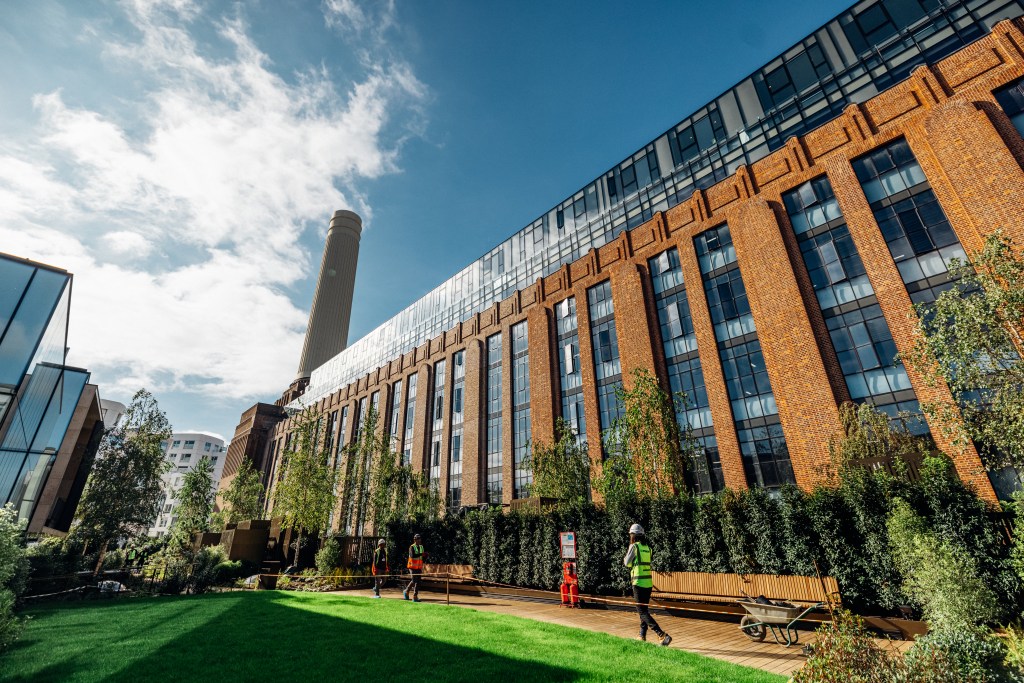
Mace is a global construction and consultancy company with four different engines for growth: Develop, Consult, Construct and Operate. The company’s corporate priorities encompass innovation, sustainability and value to society, with a 31-year-old history and a roster of iconic projects including the London Olympics and Paralympic Games 2012, London Eye, Expo 2020 Dubai and Battersea Power Station.
Marzia was a part of the November 2022 edition of the Disrupt Symposium held from 1st - 3rd November 2022. In this article, we discuss Marzia’s virtual presentation, “Industry 4.0”
What is the business structure of Mace?
Mace is a global construction and consultancy business which consists of four engines: Develop, Consult, Construct and Operate.
Purpose and Priorities
Mace is a purpose-led business which looks to ‘Redefine the Boundaries of Ambition’. The driving force behind Mace is to always pursue a better way by challenging and energising every project to innovate, improve and exceed expectations. The company does this through three priorities – to pursue a sustainable world, grow together and deliver distinctive value.
Sustainability is a priority for the sector – and Mace is leading the way in this area with an ambition to reduce corporate carbon emissions by 10% year-on-year as well as saving 1m tonnes of client carbon. Company growth is key to a successful business and Mace aspires to be the most diverse employer in the industry, recognising that true success comes when you draw from a genuinely diverse pool of talent. Delivering distinctive value will be achieved by exceeding expectations for clients and leading the industry by challenging convention and embedding innovative solutions.
Value
Value is often linked most closely to cost, time or quality. But, there are many ways in which our industry offers value. And the UK government has released various reports, such as A Construction Playbook in 2020 and Transforming Infrastructure Performance: Roadmap to 2030, which are pushing the industry to analyse other dimensions of what it means to be valuable – such as helping clients reduce their carbon emissions, introducing innovative solutions or improving safety.

Marzia says, “Value is also thinking about the impact we have on the local communities, especially when creating a building or infrastructure internationally. The legacy that we are giving to them teaches innovative building and design, delivering best practices so that value is not just social and economical - but environmental as well. This is linked to our ESG (Environmental, Social and Governance) criteria. We also contributed to The Value Toolkit for the Construction Innovation Hub which is a tool not just for clients to measure the start and end of a project but also for firms to understand how they manage the value that a company brings to the project and to the client.”
While value is easily measured for tangible outcomes, sometimes it is not as clear.

Marzia Bolpagni is a part of the consultancy for Mace’s Design&BlM with a team, consisting of almost 30 people focusing on BIM. The newly elected RIBA president Muyiwa Oki is also a part of the Design&BIM consultancy team which has a core team in London but is rapidly expanding internationally. Marzia’s role as Head of BIM International means she is responsible for the digital side at an international level.
“I specialise in information management using BIM. A report published by the Construction and Innovation Hub discusses 104 names for the same space across different Governmental Clients. This is not very effective. Therefore, before digitalisation, we need standardisation of information.”
Clients from both the public and private sectors want to improve how they manage their assets. Clients want to understand and link information between phases like design, procurement, construction and facilities management. Ideas like The Golden Thread of Information can be helpful to track information about an asset from concept to operation.
“If they need to repair a boiler, they want to understand the performance of the boiler, where is it located and where it came from. Similarly, the designer defines the requirements of the project.”
Marzia Bolpagni


Digital strategy comes into play when a client wants to implement digital technology for their projects. It starts with an assessment and BIM strategy considering the technology, people and processes.
“It's easy to buy the software but if you don't have policies and don't update your contracts, you will be in trouble.”
Marzia Bolpagni
After setting a strategy and creating the tender material, the deliverables produced by designers and contractors are checked to see if they meet client requirements. Marzia’s team also helps with the handover strategy by linking information to transfer to the facility management systems. The team mainly works as client consultants and client advisors in the entire lifecycle of a project.


As an Associate Director for BIM consultancy at Mace, Bolpagni brings extensive expertise and insights into the digital transformation of the sector. Bolpagni's presentation at the Disrupt Symposium underscores the importance of embracing digital technologies and Construction 4.0 principles to drive efficiency, sustainability, and innovation in the construction industry. She also explained how Construction 4.0 can help with design, practice and implementation technology, before going into depth on how it can be implemented in robotics, 3D printing, linked data and the Internet of Things. Mace's commitment aligns with the transformative potential of technology and sets a path for the future of the construction sector.