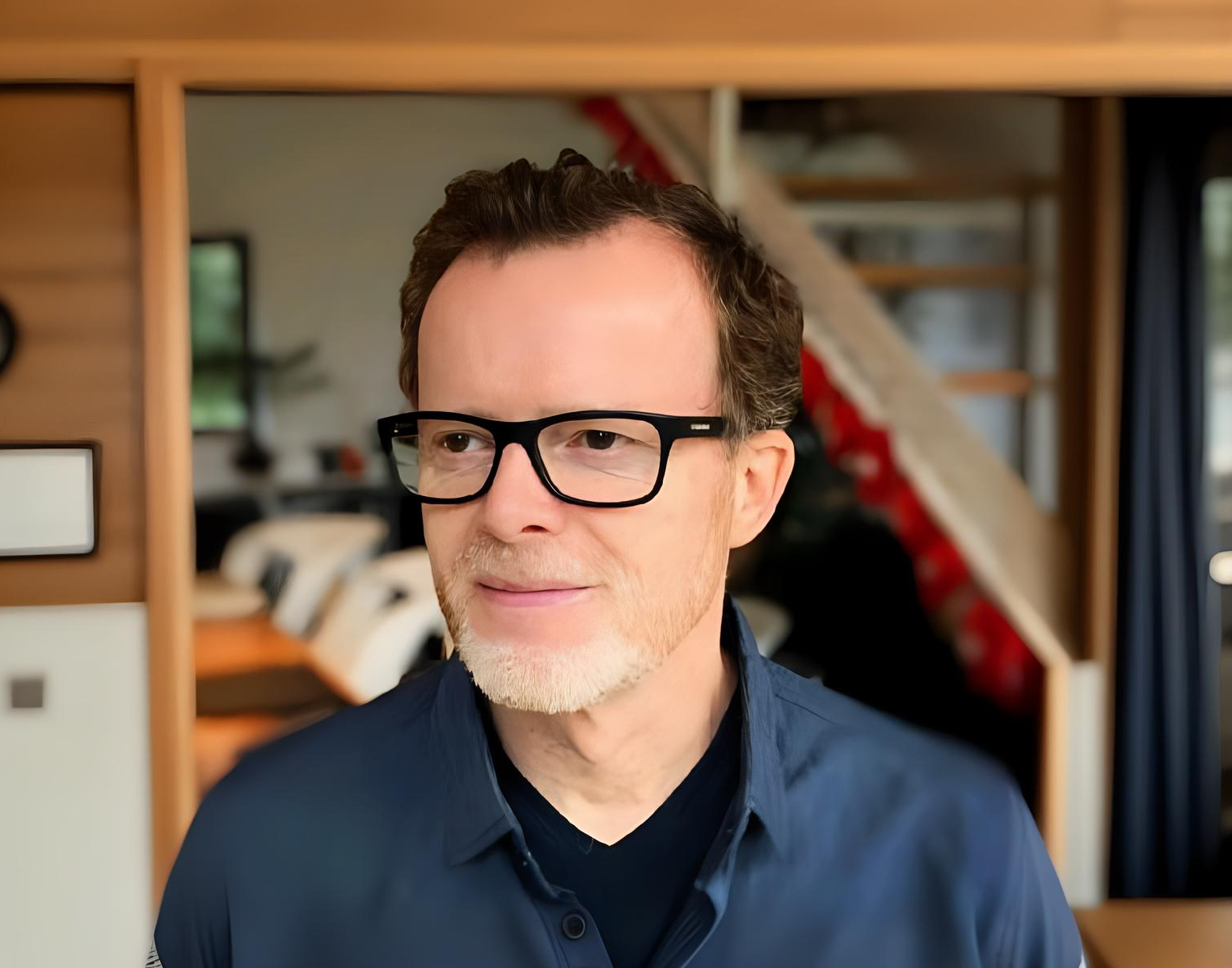
Michael Rathgeb has served as Managing Director at ingenhoven associates since 2018, leading the firm’s work on landmark projects like the 185,000-square-meter main railway station in Stuttgart. This highly ambitious project, celebrated for its sustainable design, earned the prestigious Global Holcim Award Gold for Sustainable Building in 2006 and the International Architecture Award from the Chicago Athenaeum Museum of Architecture in 2007.
Originally from Austria, Rathgeb graduated from Innsbruck University with a degree in architecture. His career at ingenhoven associates began in 2007 when he joined as Project Director. After five years of leading complex architectural endeavors, he was promoted to Director in 2012 and then joined the firm’s team of Managing Directors in 2018.
Rathgeb’s expertise spans large-scale infrastructure projects—particularly in public and passenger transport—as well as office and administrative buildings. Beyond the Stuttgart station, he has contributed to significant projects including the HDI headquarters in Hanover, University College Dublin, Google’s Palo Alto campus, and Marina One in Singapore. Rathgeb’s work reflects his commitment to innovative, sustainable architecture across a diverse portfolio of global projects.


A Passion Ignited in Childhood
Michael Rathgeb’s journey into architecture began at the tender age of 11. Captivated by the idea of creating spaces that would be realised into tangible structures, Rathgeb's first taste of architecture came when his father commissioned an architect to design their family house. “I was immediately captivated by the possibility of designing things that would later be built,” Rathgeb recalls. This early exposure ignited his passion for creation and construction, a passion that would guide his future career. He spent hours sketching plans and trying to compete with the architect, an early indication of his enthusiasm and dedication.
From Technical Foundations to Creative Pursuits
By age 15, Rathgeb shifted his educational focus to a school specialising in structural and civil engineering, equipping him with the technical foundation necessary for an architectural career. The rigorous curriculum provided him with a solid understanding of engineering principles, yet it left him yearning for more creative pursuits. This desire for creative expression led him to study philosophy and art at the university level before eventually transitioning back to architecture. His studies were marked by a blend of academic learning and practical experience, including building a football pitch in his hometown—a project that involved planning, surveying, and construction supervision.
Early Career and Diverse Experience
After graduating, Rathgeb moved from Innsbruck, Austria, to Munich, Germany, where he gained diverse experience in various architectural offices. His projects ranged from single-family homes to vast commercial complexes, each contributing to his growth and expertise. His tenure at Thomas Herzog’s office in Munich was particularly transformative. Herzog’s approach, which emphasised innovation and practical design aimed at improving living spaces and the environment, deeply influenced Rathgeb. This experience revived his early architectural enthusiasm, where he saw architecture as both research and adventure.
Embracing Urban Development and Public Transportation
A pivotal moment in Rathgeb’s career was his move to Düsseldorf to join Ingenhoven Architects as a Project Director. His experiences with large-scale projects, particularly in public transportation, have been driven by a belief that urban development and infrastructure are crucial for shaping sustainable environments. Rathgeb emphasizes the significance of train systems as a sustainable and efficient mode of transport, reflecting his early fascination with civil engineering and large-scale infrastructure projects. “Public transport is essential for sustainability,” Rathgeb asserts. “The complexity of these projects has always been a challenge I embrace.”


Managing Complex Infrastructure Projects
At Ingenhoven Architects, Rathgeb manages complex infrastructure projects with a focus on public transportation. These projects are often marked by a multitude of stakeholders and lengthy decision-making processes, demanding a robust and adaptable approach. Rathgeb’s philosophy centers on understanding stakeholder needs early, maintaining a strong vision, and fostering a collaborative team environment. “You need to have a strong vision and a strong design to keep everything on track,” he asserts.
The Stuttgart 21 project, a major railway and urban development initiative, stands out as a prime example. Winning the competition in 1997, the project has involved over two decades of planning and adaptation to evolving regulations and standards. Integrating new infrastructure into existing systems while maintaining operation during construction adds layers of complexity. Rathgeb’s approach involves early stakeholder engagement, a strong design vision, and continuous adaptation.
Leadership and Collaboration at Ingenhoven Architects
As Managing Director, Rathgeb’s responsibilities encompass developing designs, managing projects, and optimizing planning processes to meet budget and timeline constraints. He also prioritizes quality management and fosters an open, collaborative work culture. The office environment at Ingenhoven Architects reflects this philosophy, featuring a 70-meter long table to encourage teamwork and regular team events to build camaraderie.
“We believe in the power of teamwork,” Rathgeb states. “Our office layout, team events, and regular forums are all designed to foster collaboration and innovation.” Weekly lunches, open design workshops, and regular meetings ensure that everyone is on the same page and can contribute their ideas. Internal and external training programs further support professional growth and development.


Innovation in Practice
Innovation is integral to Ingenhoven Architects’ ethos. Rathgeb highlights a recent project involving the greening of facades, which required collaboration with experts in plant biology, landscape architecture, and fire safety. This project exemplifies the firm’s commitment to sustainable design and innovative solutions. “Innovation is a usual part of our work,” Rathgeb explains. “We developed a system for greening facades, tested it extensively, and ensured it met all safety standards.”
Lessons from a Distinguished Career
Reflecting on his career, Rathgeb emphasizes the importance of empowering teams and fostering strong relationships both within the firm and with external stakeholders. “It’s about promoting an environment where individuals can take ownership, innovate, and contribute their strengths,” he notes. This approach has shifted his focus from leading projects on the front line to empowering his team to take the lead, fostering an environment where collaboration and innovation thrive.
A Holistic Approach to Architecture
Ingenhoven Architects stands out through its holistic approach to architecture, emphasizing sustainability, human well-being, and integration with the environment. Rathgeb’s vision is rooted in a commitment to sustainable design principles, from circular economy and energy efficiency to social sustainability and biophilic design. “Our philosophy is simple: we want to do the right thing,” Rathgeb states. “This means addressing environmental issues, promoting energy efficiency, and creating healthy, comfortable spaces.”


The Future of Sustainable Design and Technology
Looking ahead, Rathgeb envisions a future where sustainable architecture and advanced technologies are seamlessly integrated. He foresees advancements in energy-efficient building envelopes, renewable energy sources, and smart building technologies playing a central role. Rathgeb also highlights the potential of AI and BIM in improving building performance and facilitating collaborative design processes. “AI and BIM will be central to the future of architecture,” he predicts. “They will enable more efficient design processes, better energy management, and more collaborative planning.”
Conclusion: Shaping a Better Future
Michael Rathgeb’s journey from an aspiring young architect to the Managing Director of Ingenhoven Architects is a testament to his dedication, innovative spirit, and commitment to sustainable design. His insights and experiences offer valuable lessons for leaders in the built environment, emphasizing the importance of collaboration, innovation, and a holistic approach to architecture. As Rathgeb eloquently puts it, “Embracing advancements while staying true to the core principles of the profession, architects can play a crucial role in shaping a better future for our planet and its inhabitants.”