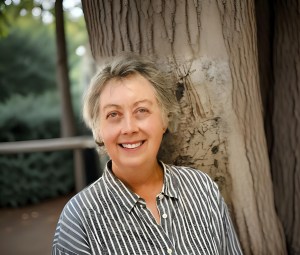
Chris Williamson is the co-founder of Weston Williamson + Partners now part of the Egis Group. Chris was recently elected the next President of the RIBA 2025-27 and will combine this position with his new role as Global Ambassador for the Egis Architecture Line. Chris is particularly keen to increase the reputation and influence of the architectural profession and make it more diverse and better paid by developing architects’ skills through lifelong learning.
Chris received an Honorary Doctorate in Architecture from the University of East London. In addition to being an architect, Chris is also a member of the RPTI having received an MA in Urban Design and a member of the APM having gained an MSc in Project Management.
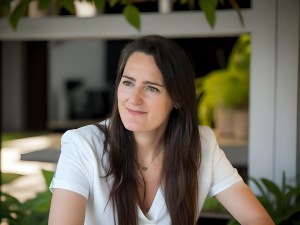
Tracy Meller is a senior director at RSHP and is renowned for her leadership in delivering innovative architectural projects on complex urban sites. Tracy played a pivotal role as the lead architect for the London School of Economics' Centre Building. Her work has been recognised with the prestigious MJ Long Award for Excellence in Practice in 2020, highlighting her exceptional contributions to architecture. With over two decades of experience, Tracy has been instrumental in a variety of sectors, including residential, commercial, healthcare, and education. She led the NEO Bankside project, which was shortlisted for the RIBA Stirling Prize in 2015, and the Mossbourne Community Academy awarded both a RIBA award and a Civic Trust award. These projects exemplify her commitment to architectural excellence and innovation. Tracy is also deeply involved in promoting high-quality design in higher education as a founder member and Trustee of the Higher Education Design Quality Forum (HEDQF). Additionally, she manages internal resourcing at RSHP, focusing on building and retaining talented teams. In 2020, Tracy was appointed Honorary Professor of Architecture at the University of Nottingham.
Daniel Hajjar is the Managing Principal of HOK’s London and Dubai studios. In addition to managing the studios, Daniel remains actively involved in project work to bring a wide range of experience to his clients. Daniel constantly searches for new and innovative ways to design, manage and deliver projects for clients, regardless of locale. His international experience has been an important asset to HOK, strengthening the practice’s presence in various geographical regions, particularly the Middle East.
Not a Members Club
Chris has always held the RIBA in high regard and his relationship began when he was invited to participate in an exhibition of 40 under 40 with his friend Andrew Weston before their practice Weston Williamson, now WW+P was officially formed.
At the University of Leicester Polytechnic, Chris was fortuitously put together with Andrew based on alphabetical ordering and forty years later they are still working together. Half jokingly suggesting that with a different surname, he may have taken a very different career path!
Together they worked on a few competitions whilst Andrew was working for Richard Rogers and Chris at Michael Hopkins Architects. The RIBA president at the time, Michael Manser, encouraged them to start a practice, and so they took the plunge. The goal was to match their salaries in the first year and the RIBA became a fantastic source of information to help them achieve this from legal contracts to advice about how to conduct yourself. This is what Chris fundamentally believes is the role of the Institute and what is missing right now.
He highlights that the RIBA needs to set the gold standard for architects to become a trusted source of wisdom.
“I want to make the RIBA relevant again.”
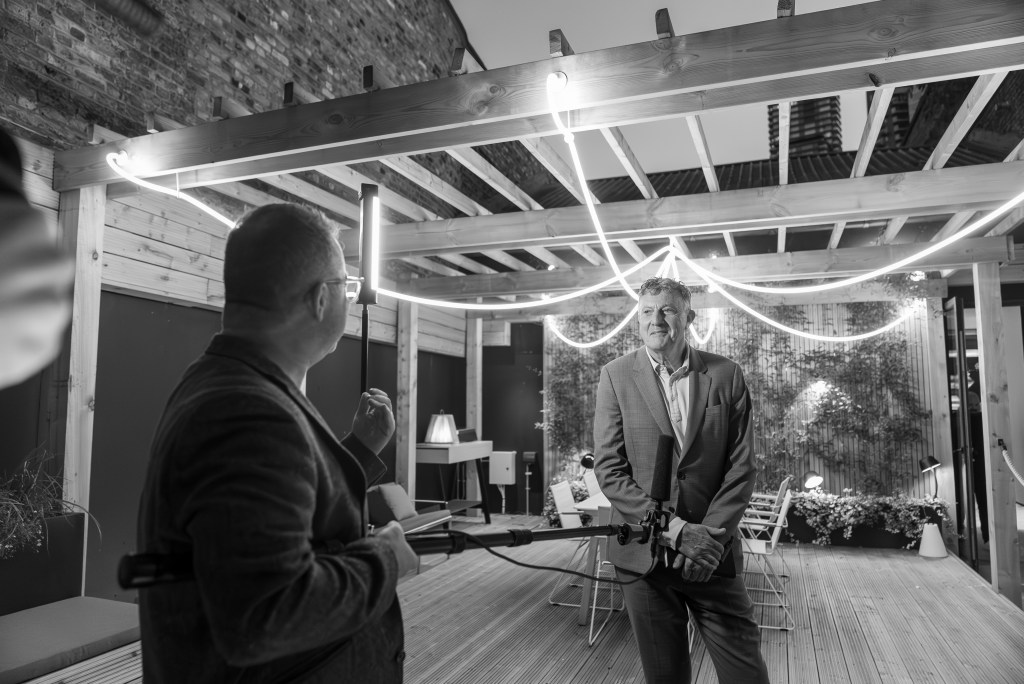
Chris Williamson. Image credit: You See Media
The Day You Find out Why
Two pivotal moments immediately come to Chris's mind when asked about key moments that led him here, although he is reluctant to call them brave. One was his decision to switch from graphic design to architecture. Initially, he received a place at Leicester Polytechnic studying graphic design after winning a school competition to design a bag for a major record label. But then, “One wet, Wednesday afternoon, I picked up an architecture book and it described everything I wanted to do.” It talked about the importance of social value and responsibility, not just for your client but for society at large. Specifically remembering the weather and the day speaks volumes about how visceral this memory is for him.
Mark Twain famously said, "The two most important days in your life are the day you are born and the day you find out why." Chris says with conviction, that the day he read this book was the day he found out why. “It’s the best thing I’ve ever done.”
Another passion for him is improving the opportunities for working-class talent to join the profession. Currently, 15% of the industry has come from a non-professional background - a fact that he desperately wants to change. There is a real need for more diverse roots into the industry.
Chris says with a deep knowing, “You’re lucky if you meet five people in your life that take you from one point to another.“ He recommends being open to the ideas of these people or to attending events that have a similar impact. There was a band called Half Man Half Biscuit, and “This is what you are as a young person. You have no idea what you’re going to grow into.”
Put yourself forward for things that might cause you to bump into incredible people - one of them may change your life.

The Making of Me
On reflection, Chris says, “The bravest thing I’ve done is put my portfolio together and go to New York to look for work, This was the making of me.”
After stepping off the plane he wanted to buy a radio to listen to a race in Central Park featuring Steve Ovett and Sebastian Coe. Only to be threatened with buying a radio in Times Square. When he alerted a policeman to what had happened, he was told “Welcome to New York!”
Chris visited practices such as I.M.Pei and SOM before arriving at Richard Meier’s offices where he was advised that “Everyone here works for free, I’m guessing that’s not going to work for you.” After saying no, Richard arranged an interview for Chris at a commercial office around the corner and this is where he started the next day.
“They say if you can make it in New York you can make it anywhere, and this is the feeling that I had,” he says with pride. Asserting that sometimes you need to go beyond your comfort zone and persevere, despite the rejections.”I came back knowing exactly what I wanted to do.” Enduring these brave moments and not accepting the prospect of working for free, “Made me realise who I was.”
Chris admits that he’s not a very reflective person, and it wasn’t until he ran for RIBA presidency that people began asking questions about his journey. He laughs that when you are a founder of a practice, no one thinks to ask how you got there, they just want you to do your job properly. He suggests that with age comes a yearning to make sense of your life and being reflective is good therapy.
Empowering Young Voices
Tracy shares two stories about pivotal moments that shaped her career. The first was when she had just started working at Richard Rogers, one year out of University. Richard came bounding up to her in the first week and said,“ Tracy, welcome let’s have coffee!” She describes being speechless, having been a big fan of his work since she was a teenager. He asked her, “So what can we do better? How can we get more women into the studio?” Tracy was slightly embarrassed to admit that she had only been there a week and was still finding her feet. When she could speak she was grateful that Richard listened. She says with a huge smile this conversation continued regularly for the next twenty years.
Looking back, “This was an amazing moment. Especially considering that I was so young and new in the door and yet I was considered to have something worthy to say.“ This speaks to the ethos of RSHP. Leaders can empower their team members when they ask for their opinions. Experiences like this affirmed Tracy’s belief that she was in the right place. Twenty-five years later, she is still there!

Tracy Meller. Image credit: You See Media
Questioning Our Industry
In contrast, she describes a moment in her career that caused her to dig deep and question the industry and whether she wanted to be an architect. Eighteen months ago she was called to a planning enquiry for a project she had led for more than three years. Tracy describes being propelled into a world she was not fully equipped for and feeling as though she needed a law degree to participate. She recounts that her team had tirelessly created a scheme to regenerate an area near South Kensington Station in London, and now she was on trial to defend it. She was cross-examined by five separate legal teams and the experience shook her to her core.
Tracy understood that she was outside her comfort zone and knew that she would need to evolve her skillset to navigate through it. During the three-month enquiry, she found her convictions, “No. This will be about design and people and not just a legal debate!”
For Tracy, this was an important recognition that we could evolve our skills and we must want to keep learning. Our profession demands so much of us and most of the skills required are not taught at University.
One evening before another day of trials, the KC who had ripped her evidence to shreds and made her feel as though she knew nothing, walked away and said, “I do hope you know Newcastle.” After some research, she discovered that this was a specific case of relevance to the South Kensington project and she thought to herself, “Well I don’t know it yet, but I will do by 8 am tomorrow.”
Whilst she is not keen to relive the experience, she values the opportunity to rise to the occasion and be surprised by the outcome. “Against all odds, we won!” she says with great pride.
“Ultimately, we won because this was a modest, well-designed scheme. I understand why people have an emotional reaction to proposals on their doorstep, and it is difficult to communicate when the environment becomes adversarial.” Tracy admits. She highlights that there is usually more common ground than you think, but because people are forced into polarised positions it can be challenging to unearth the commonality and move forward.
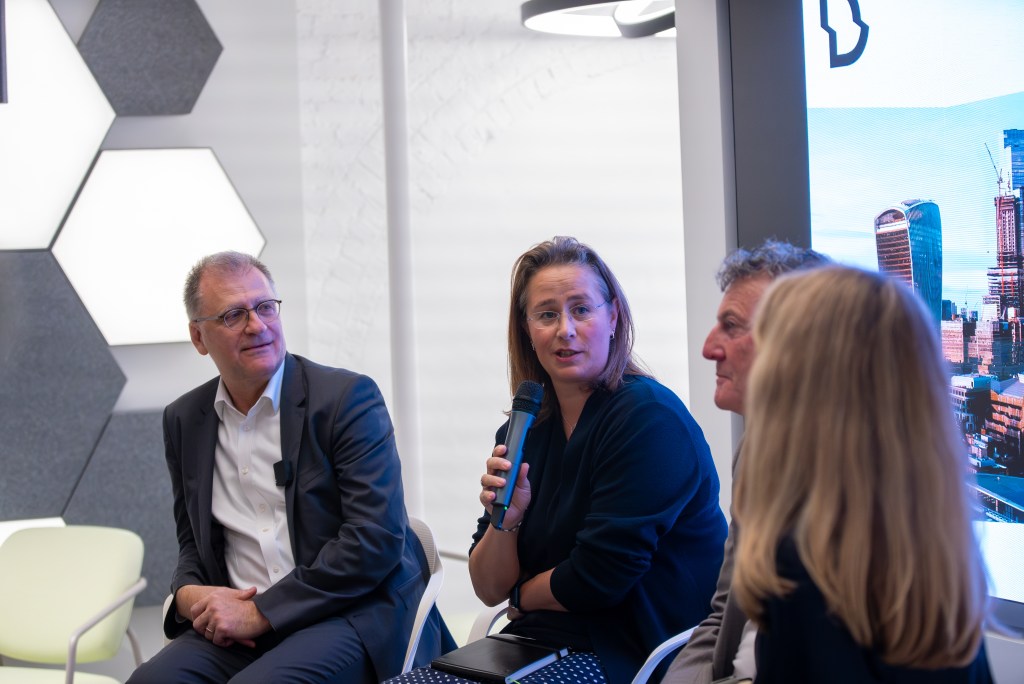
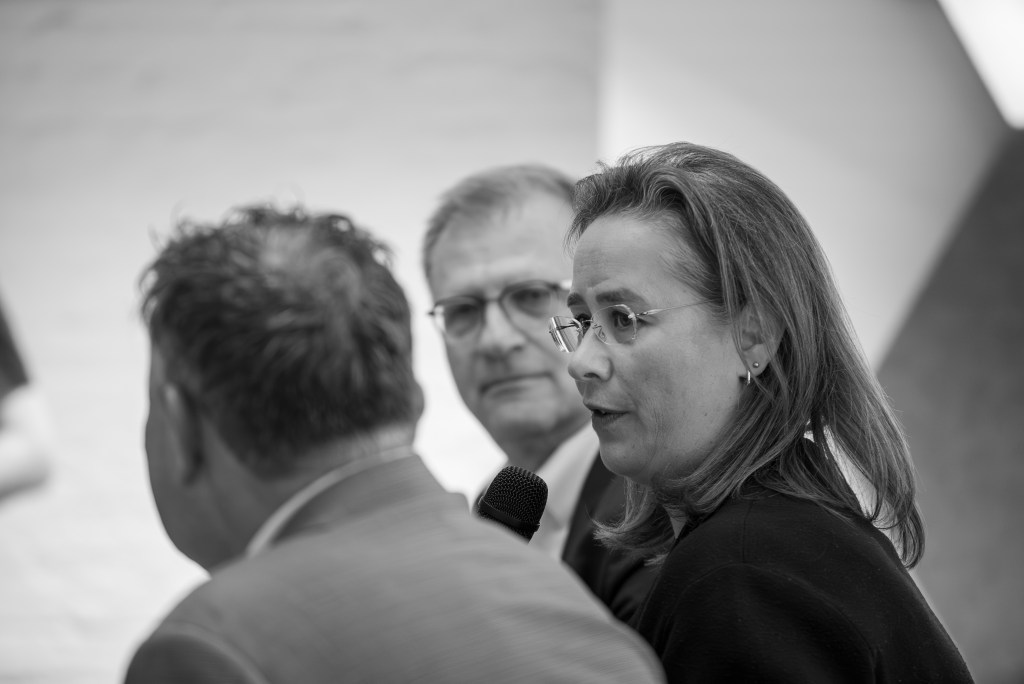
Designing for Resilience
“I’m Canadian and I did the exact opposite journey to Chris,” Dan says. I didn’t come from an architecture background, instead, I wanted to study industrial design. Dan describes having access to Shops from 12 years of age, where you learn how to draw and build things. He was inspired by the concept of making things and thought, “This is my future”. So, he researched what professions would enable him to do this and settled on Industrial Design. However, there were no schools in Canada where you could study this subject. He desperately wanted to stay in his home country because he loved the landscape, the abundant space and the wisdom to be gained from active indigenous cultures.
His accidental path into architecture began as a means to avoid walking 5 miles in minus-forty-degree temperatures and appreciating the desperate need for shelter in harsh northern climates. After graduating from architecture school he founded his own small practice, before getting itchy feet and travelling abroad.
Iraq had been ejected from Kuwait and Dan applied for a position in a local practice in Kuwait to help rebuild the country. This opened a whole new world of possibilities for him as he began to understand what other countries were dealing with and how they approached complex design problems. His career took off when he received an offer to set up HOK’s new office in Dubai.
Dan reflects on that one key moment when his trajectory changed - being asked to move to Dubai and take on the responsibility of establishing a new studio. He openly admits feeling trepidation towards taking on this role because, at the time, he was thirty-two years old, with no business experience in terms of winning work and running a practice.
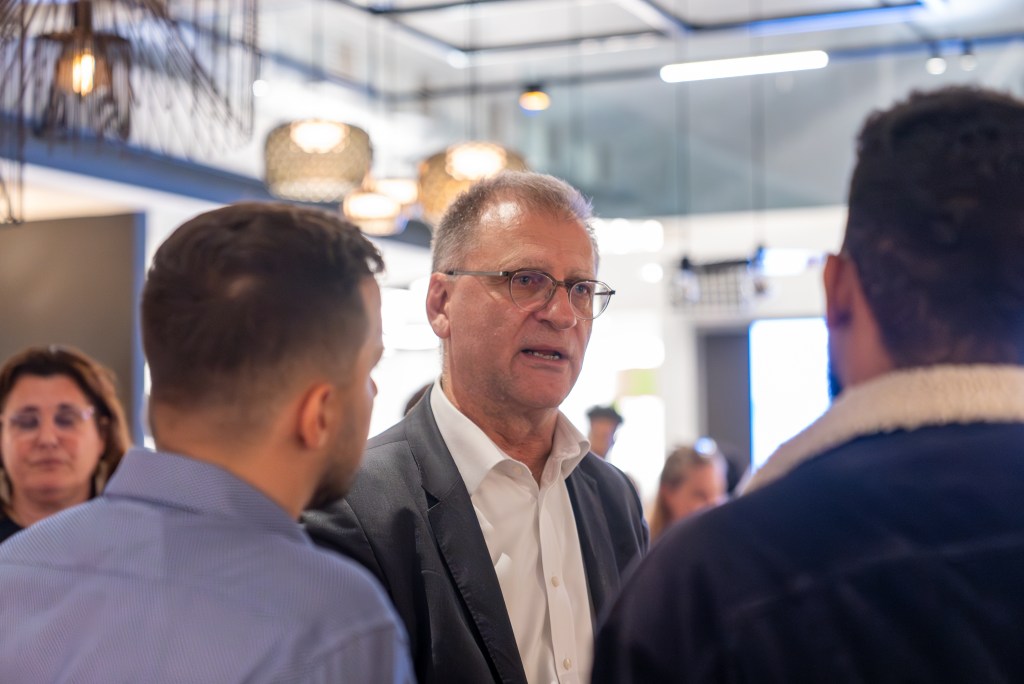
Daniel Hajjar. Image credit: You See Media
Opportunities Around the Corner
Patrick MacLeamy, HOK’s chairman advised Dan that being stubborn can be a good trait and advised him to “just stick with it.” This is exactly what he did through the highs and lows. Fourteen years later he was approached again by the senior leadership team, this time about a move to London. Dan was given the opportunity to run the London studio whilst retaining leadership of the Middle East.
He didn’t immediately jump at the offer and this is when Patrick recommended, “Sometimes you need to look around the corner for your next opportunity, not down the street.”
Dan recalls this as some of the most poignant career advice he has ever received. He moved to London ten years ago, with similar nerves about the new role. Dan didn’t know many people in London and very little about the planning system. He describes it fondly as a rocket ride where he needed to learn fast. One of the toughest obligations you have as a practice leader is to make sure your studio is sustainable and resilient to turbulent markets. He relied on bringing his wealth of international experience to the studio and contextualising it for London and the United Kingdom. He believes this ability to translate your experience, “Should never be undersold, it is an amazing asset to any practice.” Curiously he notes, “It becomes your secret weapon, often utilised when you least expect it!”
Looking around the corner is hard to do because your visibility is low for the potential risks and rewards. Dan agrees that it requires trusting your instincts and feeling supported by other leaders around you. He says with conviction, “I can’t remember a time when my instincts proved me wrong.” This is an important skill to hold, and he is a firm believer in checking in with how you feel about a situation, project or client. “If it doesn’t feel right, don’t move forward with it.”
Leaders need to engage with their teams to help them tune into their instincts. By asking questions to prompt this introspective deep dive and ensuring that sufficient context and perspective are shared, next-generation leaders can build confidence to use this muscle more readily.
“If you don’t take a leap of faith, you won’t be rewarded.”


Learning Cultural Shift
Without hesitation, Chris launches into the single most important issue that he wanted his entire RIBA presidency campaign to be based upon - improving education for architects, including diversifying roots into the profession. He criticises Continued Professional Development (CPD) as not fit for purpose.
Without wanting to blame the architects, Chris identifies the Grenfell Tower tragedy and the subsequent investigation that proved the faultlines are multifaceted and run deep into the supply chain and decision-makers at every level across the built environment industry - as a huge red flag. He finds it hard to move past the fact that our CPD system is poorly run and executed and doesn’t hold professionals to account.
He provokes that when we get continuous learning right, “We will be able to charge higher fees because we can demonstrate that we know what we’re doing.” This value will reverberate beyond the UK, as global entities understand and appreciate the high standards of lifelong learning being cultivated here. Chris wants to help architects and built environment professionals be paid better. Members should not be able to renew their affiliation with the RIBA without undertaking creditable, continuous education.
Perhaps unsurprisingly, the feedback he has received is largely against this concept. “Why are you going to charge me £400 and make it more difficult for me to remain a member?” For Chris, there is a simple answer, “Because you will be joining an Institution that means something. It’s a qualification rather than a members club.” He asserts this will add value to the individuals and their practices. The goal is for, “RIBA architects to be the best in the world, but we can’t say this right now.”
Our reputation and standing in the community are at stake. Chris practises what he preaches. He has undertaken two master's degrees one for project management and another for property development. “Architects are very insular, we love designing and we’re good at it. But, clients typically don’t like how we manage and listen to what they want.“ If the architecture industry is more akin to the advertising industry, Chris highlights that you would let the creatives be creative and assign an accounts team to manage the client.
“One of the best things I ever did when our office got bigger was bring in students from a business school. As part of their training, they analysed what every person in the practice was doing. When we compared this with our contracts we found huge discrepancies. Too many people were working on tasks they weren’t being paid to do. “But the client asked me to do this... Okay, but if it’s not in the contract we can’t do it!”

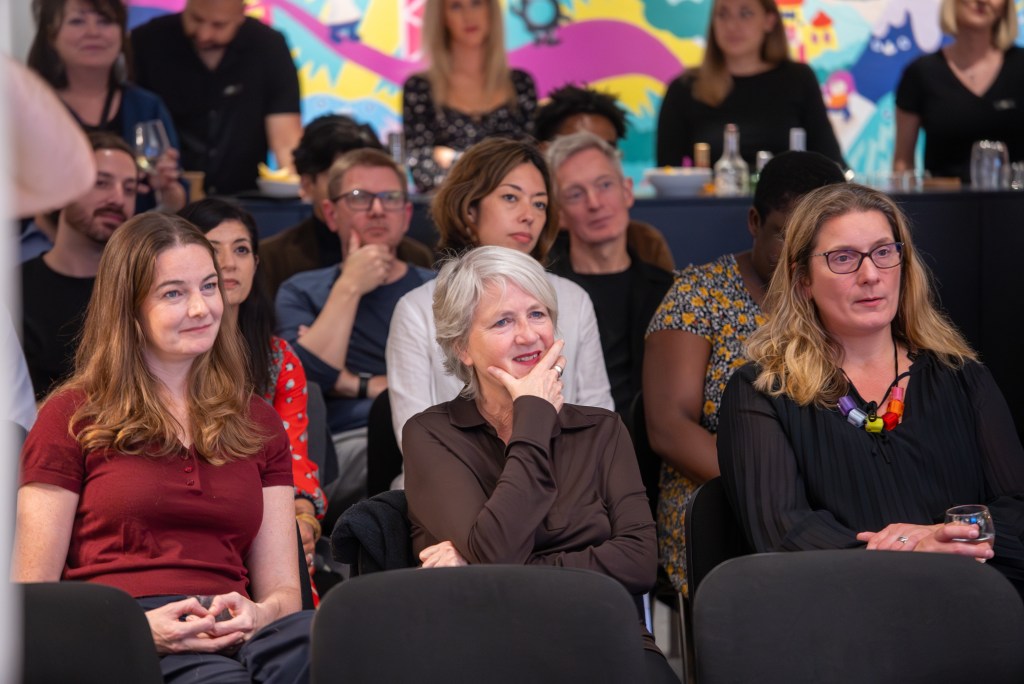
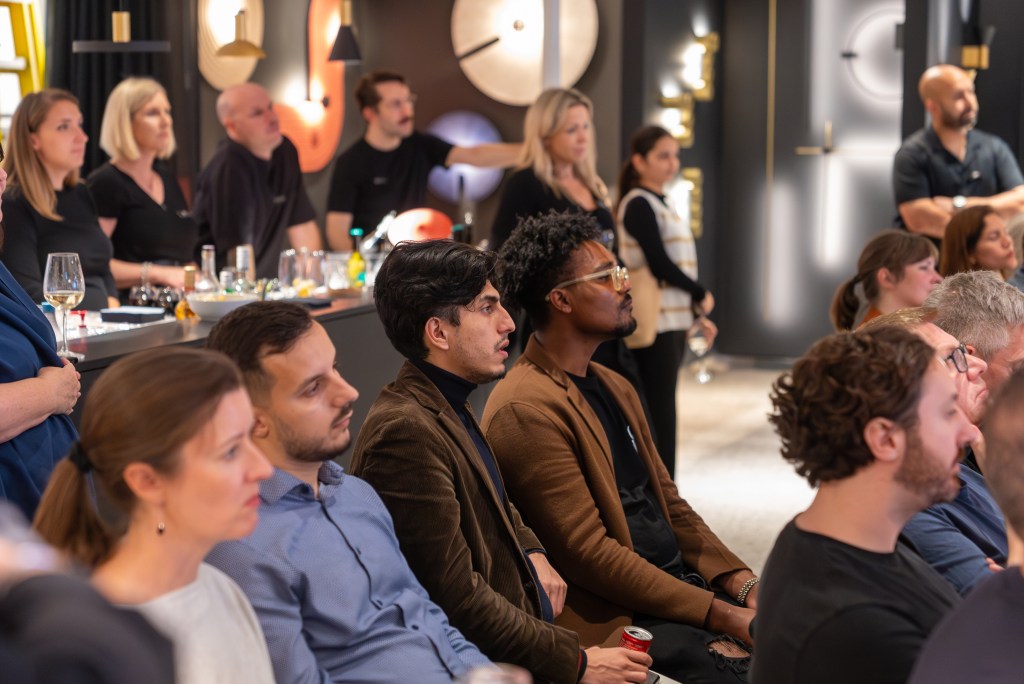

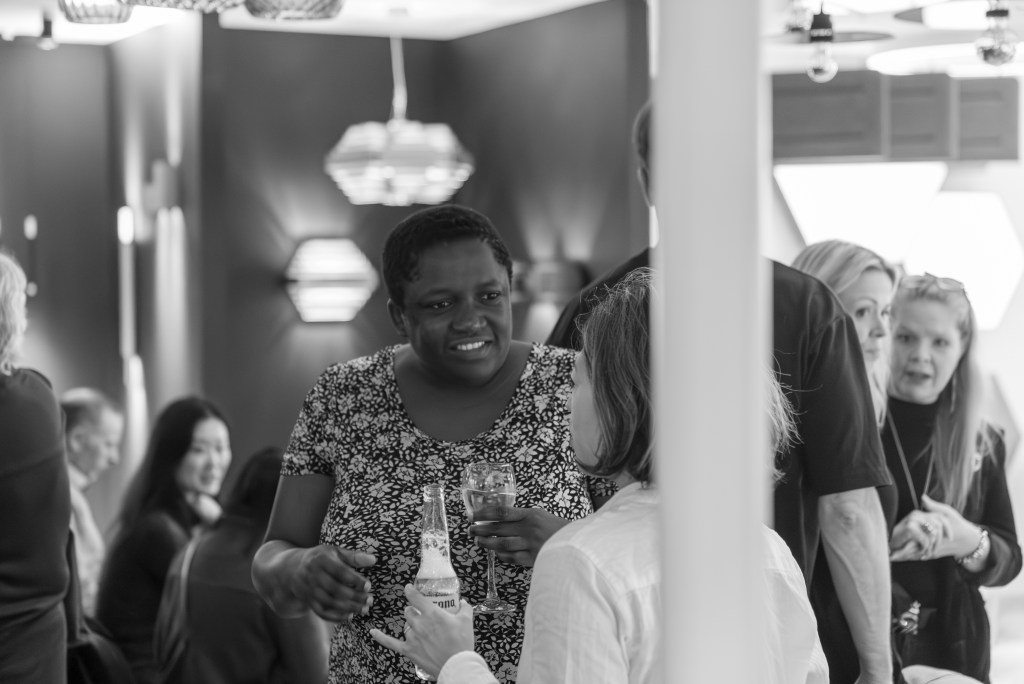
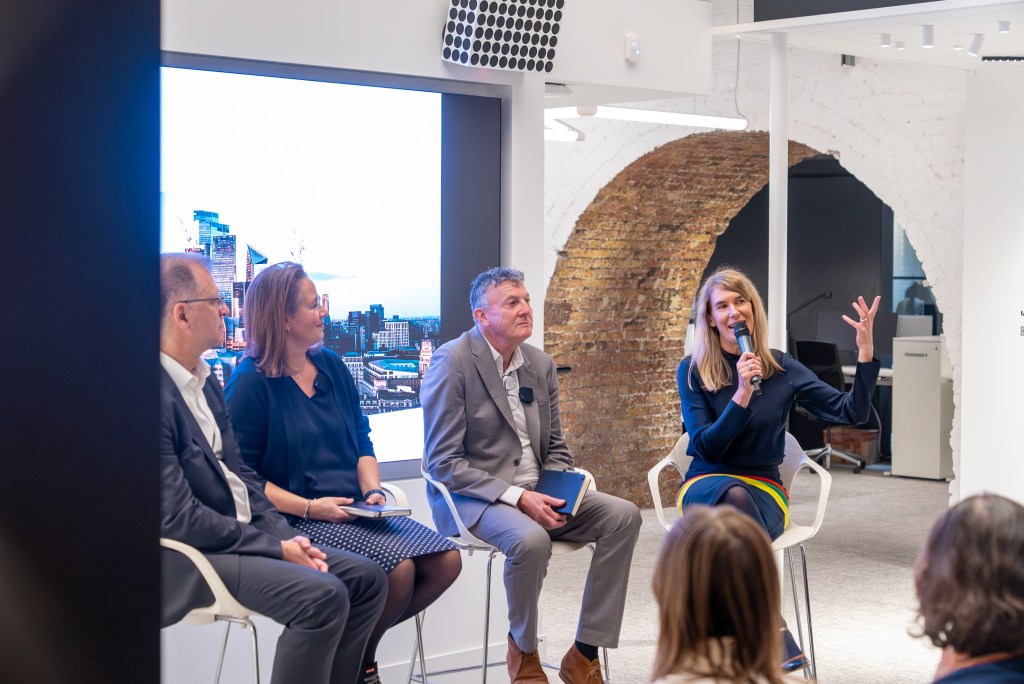
Disrupting Norms at XAL Showroom, London. Image credit: You See Media
A Vocation, Not a Job
Chris returns to the reason he picked up the seminal book on architecture. His dad died when he was three years old and he had only ever heard fantastic things from locals in the small village where they grew up. Stories about him singing in the church choir and playing cricket. Chris admits, “If he had lived longer I would have probably found out that he was just as flawed as the rest of us. I wanted to be that guy, the person that everybody loved.”
As architects, we are attracted to what it has the potential to do for others. “It’s a vocation, not a job.” However, he advocates for architects to be more professional and not just get carried away with designing. “This isn’t to say, don’t enjoy what you’re doing.” Instead, he reminds us that it’s a lot more enjoyable to be paid for doing what you love. We can all get better, regardless of what stage of our journey we are on.”
The RIBA should be the Institute that leads the way and sets the standard for what this looks like. He refers to the days when Denys Lasdun Architects received a fixed 6% commission to design the National Theatre in London, independent of inflation rates. Arguably, abolishing fixed fees has resulted in fees hovering on or below 2%. It’s a race to the bottom. Chris rightly points out, “When you’re competing on price you’re competing on what you do, and this leaves holes.” Gaps in the brief and contractual obligations ultimately lead to failures.
When architects and clients negotiate fees without fully understanding where the value is delivered, the price will always be lowered to reflect this ignorance.
Chris highlights that if anything had gone wrong on the National Theatre project, the accountability stopped with Denys Lasdun Architects. When you think about the weight of that burden and the requirement for the architect to know every detail about the project, 6% is a fair fee. Today procurement is different. There are multiple contracts for every contractor and supplier, negotiated separately. “I can’t remember the last time we were commissioned to do a whole project from start to finish,” he laments.
Valuing What We Do
“Architects must value themselves, ” Tracy says with pure conviction. We undersell ourselves and perhaps part of this is proving how good we are through our approach to continuous education. She also makes the comparison with lawyers, “Can you imagine going to six law firms and asking them to outline how they are going to win the case and to bid this work for free? Then we will select a winner and we might pay you to do a bit of it, then find alternative lawyers to continue your work as we see fit.” There are very few professions and industries that operate like this, and yet we accept it.
“We also give away our intellectual property - the aspect of our work with the highest value.”
Architects are effectively being called upon to be designers plus project managers, lawyers, and health and safety experts, whilst getting paid less and less and taking on more liability.
She jokes, “This is a long list for RIBA president-elect to consider!”
Tracy reinforces the point that the lack of continuity on projects is a major obstacle to progress. How are we supposed to teach architects to design and deliver better projects if we are only ever involved in distinct stages such as feasibility and concept or technical design and delivery?
When architects have the opportunity to see projects through their complete cycle, they realise what does and doesn’t work. This feedback loop is invaluable. It will result in better communication between disciplines earlier in the process, which in turn makes for higher-quality outcomes that are safer and more cost-effective. “But if architects only ever stop at the picture and they give it to someone else to build, the learning is lost.”


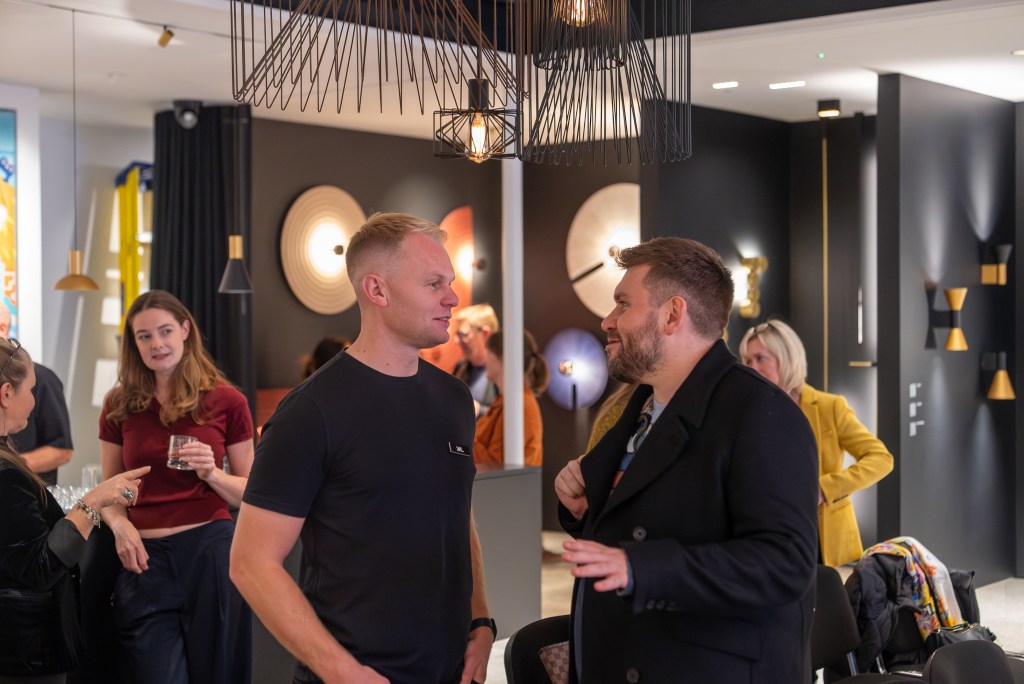
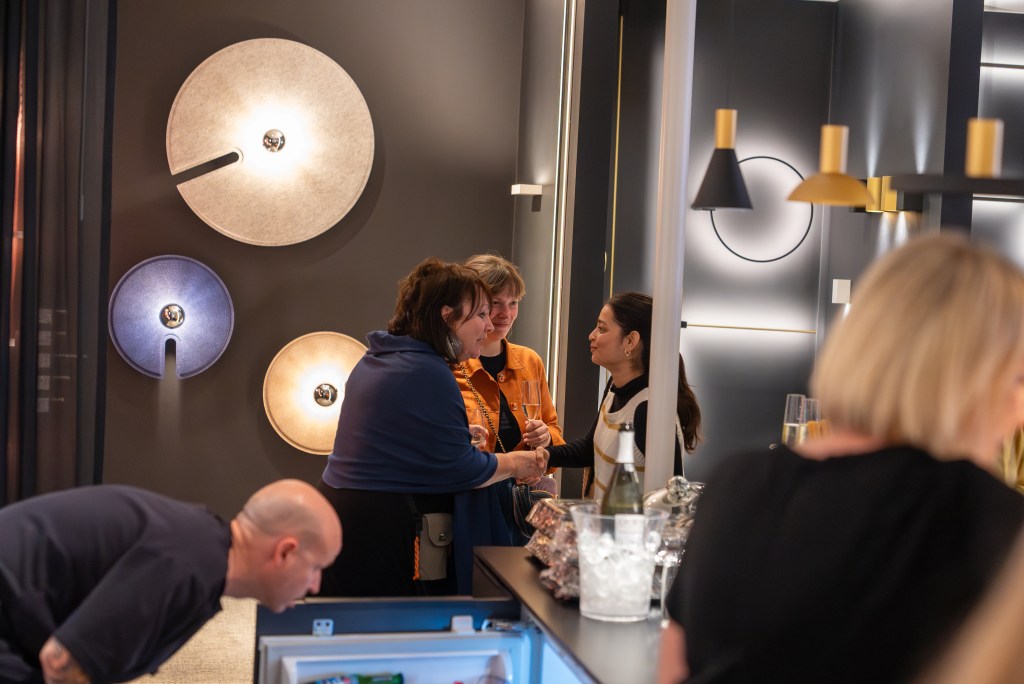
Disrupting Norms at XAL Showroom, London. Image credit: You See Media
Experiential Mentoring
Dan takes a step back when contemplating what he would like to see change in our industry. He prompts that within the next five years, we will see an experience gap emerging across the industry. Using his London studio as an example, there are individuals with thirty years of experience who hold extensive technical knowledge. This expertise is not easily transferable, it takes time in a studio surrounded by peers with different backgrounds and levels of experience.
He would like to see mentoring by senior members of teams being a core part of gaining your architectural qualifications. He supports Tracy’s view that getting architects to visit projects on-site and speak with contractors is incredibly valuable. “It will come back to haunt us as a profession if we don’t seek to close this skills gap.”
“We’re the easiest group in the entire food chain to be held accountable before a tribunal. We need to elevate what we do and how we do it. We need to be rigorous.“
He explains that institutionalising mentoring would send a strong message. “We do this in our practice, and I can be mentored by someone in the Los Angeles studio, it doesn’t need to be a direct team member.” It starts with leaders understanding the benefits of mentoring, nurturing and developing their team members. Not just encouraging this to occur but actively incentivising it through recognition on timesheets that this is a business imperative.
Dan reiterates that in Canada you are struck off the list if you can’t demonstrate that you have undertaken approved CPD. In some parts of the world, this renewed emphasis on continuous education is gaining traction.
Leaders must engage with their clients and contractors to explain the value of bringing design teams on-site. Dan believes that “Everyone has started somewhere, regardless of the title they hold.” With this knowledge, you can assume that most reasonable people will understand the importance of learning whilst doing. “I’ve never had a client say no when asked whether I can bring team members to meetings.”
These are the clients you want to work for, and they have the same situation in their organisations. Developers, financiers and contractors all need to develop the next generation of leaders. You can leverage this. Dan advises his team to establish a network of mentors and people to learn from as early as possible. This can be done when you first step into meetings with consultants or at events and activities outside your practice.
Novel Lead Gen
Chris admits, “You often don’t know what you’re doing until you start doing it!”
He describes the early days of founding his practice where both he and Andrew didn’t know where the jobs would come from. “We tried everything, including making up projects!” Chris was inspired by a conversation with Jose Manser, wife of the then-RIBA president, “Where do you want to be in five years' time?” she asked. Chris responded with clarity about the type of projects but admitted they had no idea how to win these projects. She advised, “It doesn’t matter, just create them!” So, they dreamt up a laboratory project based on their combined expertise and submitted it to the Royal Academy. It was accepted and a feature article was written which received significant attention. Bolstered with renewed energy, they captured the imagination of clients whilst exhibiting this fictitious project at a laboratory show in Manchester. “We were the only architect presenting, everybody else was selling laboratory equipment. “They won a £20k commission from a client they met at this show.
“We were making it up as we went along, this is life.”
Chris is impressed by the young people he meets, “They seem to know what they’re doing . . . perhaps they’re making it up too!” He recently was involved in designing a competition entry that he sketched because this is how he works. Before submitting, he reached out to a University Professor in Nebraska who he follows on Instagram to ask “Can I use an AI programme to translate my sketches into renders?” The professor came back with a bonkers proposal that bore no resemblance to the original scheme. Persevering, Chris sat down with a talented team member, who created 500 computer-generated images that “Were all brilliant. He kept refining them with different prompts. I thought this is the future. Anyone in ten years will be able to do this.” This technology won’t require an architecture degree and although you won’t necessarily be able to get your building built, you will be able to create and ideate. He imagines a scenario where “You scan details of your house and prompt AI to design a kitchen extension that includes your favourite attributes and then you find a builder willing to deliver it.”
Chris says categorically, that the challenges we have now are nothing compared to the obstacles we will face in the next decade. This reinforces the idea that we must continue to evolve as individuals and professionals to stay relevant, especially focusing on building relationships with people and places - something AI will not replace.


Competition entry by WW+P. Image credit: WW+P
Awareness of What We Do
Tracy immediately responded to the prompt by saying, we raise better awareness by delivering beautiful projects and places that make people feel understood and worthy. Many architects get excited about a project for the architecture, but first and foremost these are places where people live, work and play. “If you can change someone’s perception of a city and get them to think about why this place is special, then they will see the point of architects and planners “ This will move the needle.
Historically there have been eras where architecture and city infrastructure haven’t truly considered how these spaces and places will be used. We need to win back the trust and strengthen our reputation. She advocates, “When we make our cities better for everyone, our value will be self-evident.”
The challenge came: “But can we do this on our own? If you look at the medical profession, they prioritise how they train and develop the next generation. They don’t wait to be asked to bring young members to meetings, they just bring them.“ Architecture can feel very isolated at times, shouldn’t we be more proactively co-creating our work?
Tracy suggests that one of the positives to come out of Covid-enforced remote working is that you can invite teams to meetings to give them exposure to decision-making that they otherwise may not have. Yes, face-to-face learning has reduced, but different opportunities have opened up.
Universities focus on providing a design education, “But this isn’t close to enough in terms of getting buildings built and changing cities.”
Learning how to build relationships, take people on a journey with you and find common ground are some of the core skills we need as practitioners. The built environment industry is inherently polarised with competing agendas from design teams to developers, contractors and financiers. Most of our time and energy is required to find a common ground so that we can genuinely collaborate and produce better outcomes. When we get this right, bringing people with us will be easier and more enjoyable.
Chris highlights that when he was newly appointed as the RIBA president-elect and coincidently, a new Labour Government was formed, he sat down and put architect’s names to cabinet ministers. The idea is that social housing experts like Alex Ely could gain access to policymakers like Angela Rayner to influence change. He notes that we have a breadth of experience in the industry that isn’t fully utilised. People who are passionate about sustainability, affordable housing, education, healthcare and infrastructure. By pairing experts with their political counterparts at local and national levels, we can exert more policy-based influence.
”We’re not as influential as we need to be.”
By aligning our expertise with where decisions and policies are made, we will effect change faster.
Chris observes that the general public and many parts of the wider industry, “Don’t know what we do.” There are significant global challenges to tackle and architects and built environment professionals must step up to help, with an open mind and without arrogance.

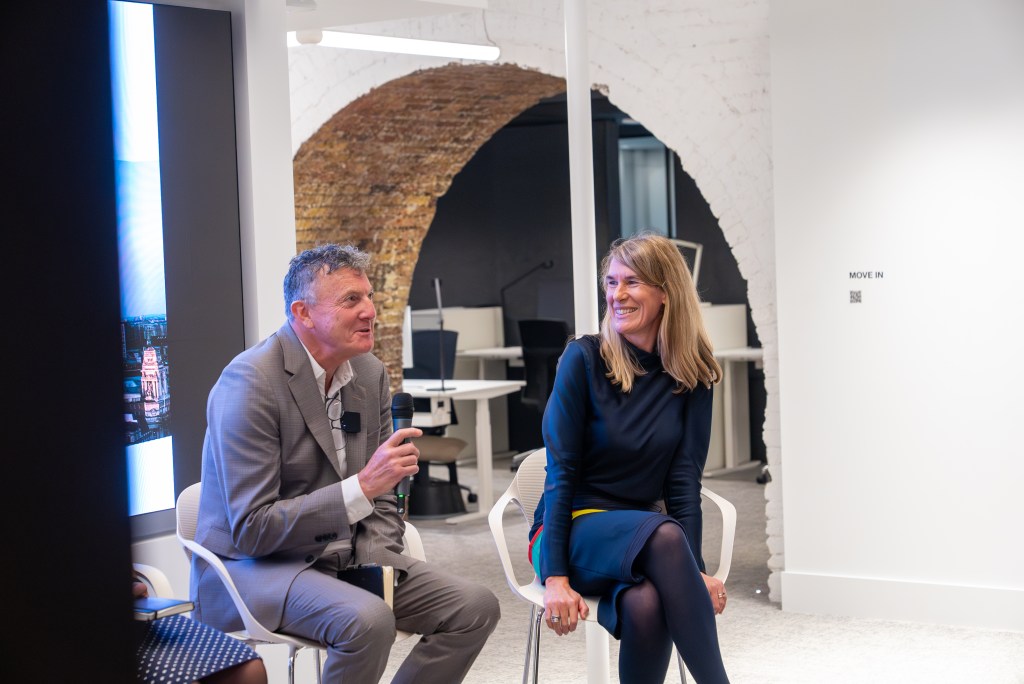
Chris Williamson, Tracy Meller and Daniel Hajjar. Image credit: You See Media
Experience and How it's Valued
Dan maintains that experience is something gained from engaging in a role or situation. “You will never understand everything. But when someone has experience you usually rely on them for counsel or advice.” He clarifies that this doesn’t mean junior team members are put in a corner. You need diversity of experience across the studio to be able to draw out the best in people.
Dan noted, “I can’t do anything but save someone time. If they take that time saved and invest it back into themselves, I think I’ve achieved something.“
Tracy adds that she was recently in New York pitching for a project. The unique value proposition she offered was that they had very little experience with the typology as a practice and therefore could offer a fresh perspective. “Experience isn’t everything.“
In practical terms experience enables you to be more resilient and see what’s around the corner. Fresh eyes on a subject and the naivety that this comes with can unlock brilliant ideas and opportunities.
When architects gain exposure to the full cycle of project conception, development and delivery they hold a completely different level of experience to someone who has only worked in single stages.
Chris highlights that he often hires enthusiastic people over experience because enthusiasm gives him confidence that you will learn what you need to know.” He jokes that they won a new church hall project based on the fact they were the youngest contenders. The vicars thought the project would take a long time to deliver and they wanted to make sure the architects would still be around to finish it!
Practices must value our life experiences just as highly as our professional experiences. We are involved in shaping how societies live, therefore leaders need to recognise the benefit of bringing diverse experiences to influence how we design and deliver places.
AI Future is an Unknown
Architects studying now will be equipped to solve problems. Whilst we don’t know exactly where AI technology will take us, we do know that people will still love, hate, think and want similar things as they do today. Ultimately we are serving people and we need to focus on what skills we bring to support this.
It is uniquely human to be able to feel emotions and be exceptional at critical thinking. The human interaction with the spaces and places that we create will not be easily replaced by AI.
Tracy has moved from fearing to embracing the technology by diving in to explore it. “Someone in our graphics team prompted AI to design a RSHP inspired Barbie dream house, timed with the release of the film. Fifteen extraordinary schemes were created, of course, none of them worked, but they were very provocative.” When you combine this with our unique ability to question and interpret this is where we can leverage this to our advantage.
Dan contributes, “We have clients who want us to sit down and draw a scheme with them.” He describes this as an important way for clients to engage in the work and gain ownership.
“How we communicate our ideas with spontaneity is incredibly powerful.”
Dan believes that our profession will morph into something much more diverse and impactful which is an exciting future and a beautiful way to close the panel discussion.
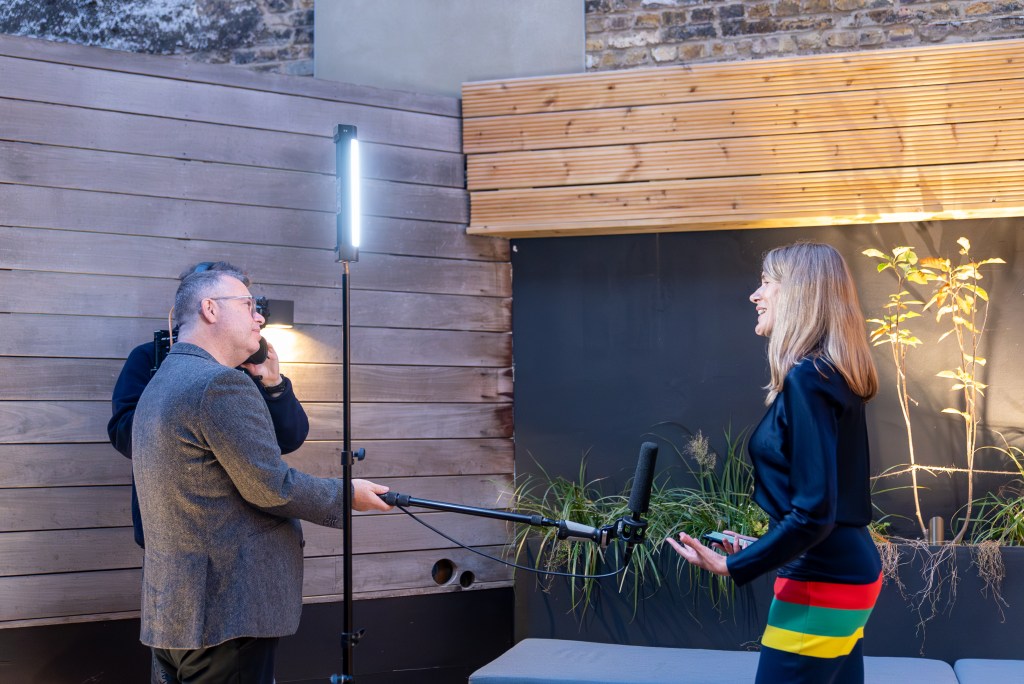

Tania Ihlenfeld. Image credit: You See Media
Disrupting Norms: More to Come
Disrupting Norms is an enabler of change in the built environment industry. We bring together the energy, enthusiasm, intel and network of leaders to make impactful change happen.
This event is a potent reminder that leaders can challenge the status quo and lean on each other to dare to build a better future.
Thank you, Chris Williamson, Tracy Meller and Daniel Hajjar for your generosity.
We set out to create an intimate in-conversation panel event in London with some of the most brilliant leaders in our industry - and it delivered! Discussing topics in a way they don’t usually get presented and engaging with a live audience.
Our mission here at Disrupt MAG is to drive change in the built environment industry, break down unhelpful solos and give a platform for voices that aren’t typically heard. It’s also about building relationships and connections.
Future Disrupting Norms Events are in the pipeline - come with us to lead change!
You can watch the full recording of the event here
A special thank you to our wonderful venue hosts: XAL in collaboration with sponsors: Disrupt MAG, Ede Enablers, Curio Careers and Auricle Studio.
Photography and filming captured beautifully by You See Media.


XAL’s gorgeous new showroom, located on Bateman’s Row, London, displays a range of lighting products from all XAL Group brands: XAL, Wever & Ducre, Wastberg, and IQ LUX.
“Lighting without Limits”
For 30 years, XAL has been working with lighting designers, architects, and planners to develop custom luminaires of the highest technical standard, which impress with their style and aesthetics. There is always one goal: to push the boundaries of the technically feasible, enabling visionary designs. We can meet this challenge because our employees in our design labs, as well as production and sales locations around the world, deliver top performance. Being on-site for our customers is essential for mutual success.