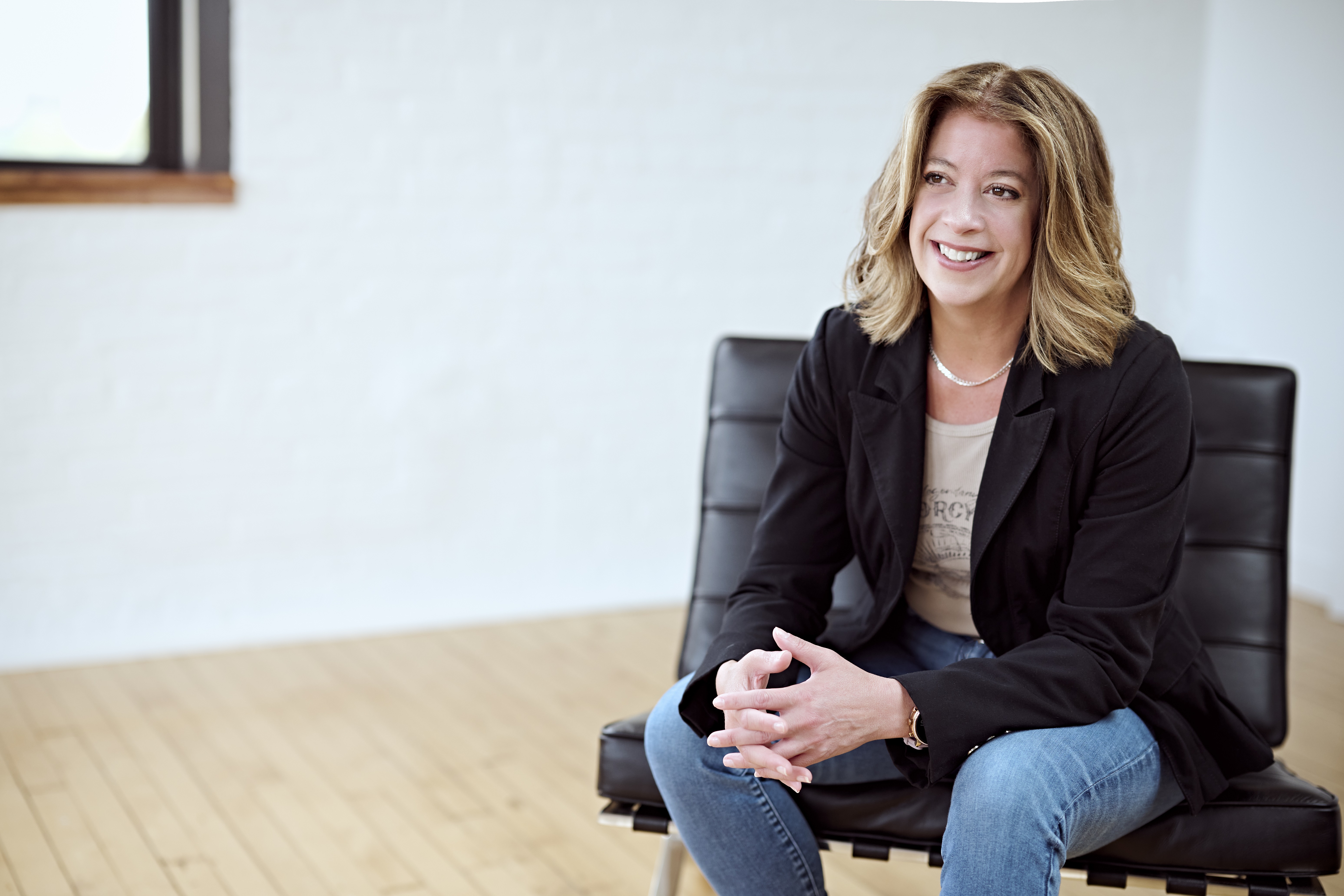
Angela Cahill is a powerhouse in the world of architecture with a career spanning over 25 years. Currently serving as a Project Executive at STV, Angela's professional journey is marked by a remarkable blend of leadership, innovation, and advocacy. Her expertise extends across a diverse range of projects, from educational and performing arts facilities to commercial and community developments.
As a Past President of AIA Connecticut, she has been instrumental in shaping the architectural landscape, advocating for diversity, equity, and inclusion within the industry. Her involvement in committees such as J.E.D.I (Justice, Equity, Diversity, and Inclusion) and Women in Architecture underscores her commitment to fostering a more inclusive profession.
Beyond her organizational leadership, Angela is a trailblazer in architectural education and mentorship. Her tenure as a Design Studio Professor at the University of Hartford and her ongoing role as a Visiting Critic reflect her dedication to nurturing the next generation of architects. Angela's passion for mentorship extends beyond the classroom, as she actively contributes her time to mentor women and youth aspiring to excel in architecture. Appointed by Governors Dannel Molloy and Ned Lamont to key advisory councils, she plays a pivotal role in shaping architectural policy and practice in Connecticut.

Photo: Chris Cooper
About STV
The alignment between personal and organizational goals at STV is underscored by their core values: integrity, partnership, and optimism. The emphasis on optimism resonates deeply, reflecting a lifelong approach of viewing challenges as opportunities for growth and strength, both personally and professionally.
The firm’s strategic plan for 2023-2025 is detailed comprehensively on stvinc.com, showcasing the organization's commitment to transparency. Recently, STV relocated its flagship office from Park Avenue to the Empire State Building, embracing a cutting-edge, activity-based environment that serves as a physical embodiment of STV’s strategic goals to reimagine how the organization works and invests in its people. The company is enhancing its world-class employee experience by connecting with top talent, mentoring the next generation of industry leaders and creating formative career experiences. To develop its employees, the firm’s programs broaden the pathways for employees to advance in their careers while providing challenging and unique professional development opportunities.
Under the visionary leadership of STV’s CEO Greg Kelly, PE, priorities anchor the strategic plan, positioning the company to meet generational changes in the workforce and workplace.

Redefining Project Management: A Maternal Approach to Leadership
Strength in project management was evident from the beginning. With a master's degree in hand, recruitment into the profession was swift, even though Connecticut was not the anticipated destination for Angela. Connecticut architects, impressed by her work at RPI, quickly extended invitations to her, resulting in a brief stint as a draftsman before fearlessly progressing into project management.
Joining STV was a strategic decision influenced by the alignment of Cahill’s professional goals with STV’s new strategic plan. The ambitious objective is to position STV among the top three privately held infrastructure-focused professional service firms. Achieving this goal hinges on creating a winning employee experience, attracting top talent, and reimagining work processes to enhance efficiency and excitement. Additionally, business growth through geographic and service expansion is a key focus.
Mentorship played a crucial role in Angela Cahill’s early career phase. A remarkable mentor provided Angela with invaluable exposure to job sites and project meetings at the onset of her career. This early immersion in the full spectrum of the architectural profession accelerated her transition into project management. Her strengths in client maintenance, business development, and team cohesion were quickly recognized and leveraged.
Traditional architectural relationships between contractors and owners often involve conflicts. However, the focus was on fostering a collaborative, positive team dynamic, moving away from the outdated "Master Architect" model for Angela. As a female in a predominantly male industry for nearly 30 years, this approach was particularly unique. Despite equal gender representation in undergraduate and graduate programs at Catholic U and RPI, her professional practice revealed a stark contrast, often being the sole female licensed architect in the office for 27 years.
This unique perspective brought a different, almost maternal approach to project management. Viewing each project as a "child," Angela saw the deep relationship between architects and their projects. This concept forms the basis of a talk on the subject, correlating the maternal process to the creative one. By understanding the uniqueness of the human brain’s creative process, as if generating an offspring, her vision elevates the dedication and collaboration necessary to bring a building project to life.
Involvement in the AIA
The concept of a project team in architecture and construction closely mirrors the dynamics of various team structures. From the initial marketing phase to the project's closeout and subsequent additions, this comprehensive perspective guides the project's progress from start to finish. Although direct project management is no longer a primary focus due to her executive responsibilities at STV, for Angela, mentoring project managers on this collaborative and positive approach remains a priority.
The emphasis is on fostering an inclusive environment, and encouraging contributions from all team members, regardless of gender, race or background. Listening to diverse voices is crucial. Embracing ideas from different backgrounds enhances project outcomes, particularly when working with large building committees or other stakeholders. While not every dream can be realized in a project, incorporating a wide range of input ensures a more successful and collectively owned project. Angela’s inclusive, team-oriented approach is essential for driving positive results in architectural and construction projects.
When all team members have buy-in, ownership, and involvement, they are more likely to support the project wholeheartedly. Welcoming diverse perspectives and not assuming a singular best approach fosters a stronger, more collaborative environment.
Angela Cahill's election to the AIA Connecticut Board coincided with her gubernatorial appointment to the Connecticut State architectural licensing board, and she courageously accepted both positions. While the AIA advocates for the profession and the licensing board regulates it, both sides recognized her ability to maintain distinct roles. This dual involvement began a few years before COVID-19 and progressed to her role on the Executive Board of AIACT. However, the pandemic struck during her president-elect year, turning both her president-elect and president years into virtual experiences, filled with long hours in her dining room, much to her children’s amazement.
Her platform focused on enhancing connections among Connecticut's professional resources. Prior to her tenure, the chapter was not losing membership but had become somewhat stagnant, as members sought work through other industry events, knowing they wouldn't secure work by networking solely with other architects. This led to a lack of idea-sharing, which is critical in a college studio environment where competition fosters higher levels of design through shared influence. Cahill aimed to replicate this dynamic among practicing professionals by reinvigorating committees, especially the design committee and promoting dialogue, which ultimately increased membership and engagement.
Additionally, during COVID-19, Cahill emphasized diversity through the formation of the J.E.D.I. (Justice, Equity, Diversity, and Inclusion) Committee. She had been advocating for what she termed the Diversity Challenge, later named the J.E.D.I. Challenge, which aimed to push firms to actively increase diversity. She believed that without deliberate action, change would never occur. This initiative materialized during her presidency, with numerous firms signing on to take the challenge, marking a significant step towards greater diversity in the industry.

Mentorship and Diversity
The response to Angela Cahill's initiatives has been remarkable, with firms taking unique actions that have garnered awards. This success highlights the importance of listening to diverse voices and addressing the diversity problem within the industry.
Cahill emphasizes increasing these voices and providing support and mentorship. Early in her career, she taught at the University of Hartford, bridging the gap between emerging design solutions and professional practice. Although her busy schedule eventually limited her teaching, she continues to engage as a visiting critic, particularly for thesis students and contributes to the AIA Women in Architecture Committee by organizing events and moderating discussions.
A significant part of her efforts includes running a mentoring group called "4x10," which she has led since 2020. Currently, Cahill focuses on career development paths and mentor groups, primarily consisting of women. These groups meet virtually to discuss various topics bimonthly. Cahill proudly notes that all her mentees have received major promotions or job changes over the past two and a half years. The reciprocal nature of mentoring is particularly valuable to Cahill, as she learns as much from her mentees as they do from her, creating a dynamic of cross-mentoring.
The Integration of Mentorship and Leadership
Understanding what the next generation values in work culture, design, and professional practice is essential. Angela Cahill emphasizes the importance of staying informed about these evolving preferences to remain an effective leader.
To be successful, a leader must gather as much information as possible. Cahill finds mentorship particularly valuable in this regard. Mentees often share insights about their work culture or new software programs, which directly influence Cahill's strategies at STV. This information helps her understand both successes and failures, providing critical data without needing to disclose its source.
Cahill believes that successful leadership requires being a lifelong learner. She dedicates her evenings to reading articles on science, technology, art, and culture, benefiting from a finely tuned algorithm that curates relevant information. Additionally, teaching, critiquing, and listening to podcasts from forecasters and futurists contribute to her continuous learning. These sources offer valuable perspectives on industry changes, such as documentation innovations and new construction methods.
By synthesizing this information, Cahill identifies connections that inform the firm's strategic plan and initiatives. Known for proposing unconventional ideas during meetings, she ensures that her insights and experiences are interconnected, driving the firm's progress and adapting to future trends.
Nurturing and Establishing a NOMA Chapter
When Angela Cahill discovered the absence of a local chapter of the National Organization of Minority Architects (NOMA), she suggested action, along with some colleagues from the industry who shared her vision. Despite the availability of chapters in New York and Boston, there was a clear gap in their region.
One colleague, also a friend of National NOMA President Pascal Sablan, played a pivotal role in this endeavor. This individual, Omarys Vasquez, now holds the esteemed position of Chief Building Official for the state of Connecticut, demonstrating exceptional talent and leadership in a traditionally homogeneous field.
Cahill's enthusiasm for Vasquez's appointment was palpable, noting the rarity of seeing a young Latina in such a high-ranking role. Traditionally, Chief Building Officials in Connecticut were older white men, making Vazquez’s appointment a groundbreaking and refreshing change. Her attention to detail and diplomatic approach were instrumental in driving the formation of the NOMA Connecticut chapter.
To establish the chapter, a certain number of licensed architects were required to serve on the NOMA-CT formation board. With Vazquez leading the charge alongside Cahill and other dedicated individuals, the necessary criteria were met, and the chapter was successfully formed. The support from the National organization was crucial in this process, highlighting the collective effort and commitment to fostering diversity and inclusion within the architectural community.
Influence of Science Fiction in Pushing Boundaries for Sustainability
Angela Cahill reflects on the evolution of sustainability efforts in her field, acknowledging its gradual integration into everyday practices. Sustainability is not just about design or construction methods; it encompasses a holistic approach to minimizing fossil fuels and embracing renewable energy initiatives. She highlights STV's leadership in sustainability, attributing it to the company's diverse portfolio, which includes many high performance and renewable energy projects.
Angela’s upbringing greatly influenced her perspective on architecture. Influenced by her two fiercely independent grandmothers and exposed to extensive travel and exploration, she developed a courageous spirit and an openness to new experiences. A keen interest in science fiction fueled her imagination, instilling a belief in the possibility of space travel and futuristic living. This futuristic outlook informs her approach to architecture, driving her curiosity about innovative materials and construction techniques. Her visit to the Sphere in Las Vegas for U2’s residency included a meeting with the construction project manager, a longtime friend, to understand the advancements and challenges of the futuristic building.
Despite advancements in advanced construction techniques and material sciences, Cahill expresses frustration at society's slow progress in developing new materials and construction methods. She believes that if resources were had been redirected from defense and weapons technology towards building science, society would be further ahead. Cahill sees automated and prefabricated construction as a positive step, recognizing its potential to improve quality, reduce costs, and expedite construction processes.
Looking ahead, Angela Cahill envisions collaborative efforts with companies like a local group in Connecticut, Network Framing Solutions, specializing in computer-generated prefabricated building components. This partnership entails shipping these components nationwide, reflecting a trend towards more efficient construction methods.
In addition to advancements in construction methods, Cahill highlights the importance of advanced digital asset technology like the Internet of Things (IoT). Implementing QR codes or other tracking systems allows facility managers to anticipate maintenance needs and track component replacements. Integrating this information into a building's 3D model enhances efficiency and streamlines both construction and facility management processes.
Angela Cahill acknowledges the influence of science fiction on her vision for the future of architecture, drawing parallels between Hollywood's depiction of advanced practices and the potential of modern architectural methods. Imagining a workspace with digital drawings and 3D models seamlessly integrated into her office environment, she remains optimistic about the eventual adoption of such technologies.
However, Cahill recognizes that progress is hindered by current methodologies and concerns surrounding insurance and liability. Despite these challenges, she understands the value of continuous learning and teaching in advancing the field of architecture.
Future of Architectural Education
Angela Cahill reflects on the evolving landscape of architectural education, drawing from her extensive experience in accreditation committees and her current involvement with the National Council of Architectural Registration Boards (NCARB) education committee. Engaging with students provides valuable insights into their perspectives on the future direction of architecture, allowing her to mentor them while contributing to a broader dialogue on educational reform.
Recognizing the diversity of university programs, Cahill acknowledges the challenge of imparting comprehensive knowledge within the constraints of a limited timeframe. With societal pressures to condense architectural education into shorter durations, thus making the profession more affordable and accessible, there's a critical need to prioritize essential skills. For Cahill, design remains paramount, accompanied by a strong foundation in business, professional practices, and building technology. However, she raises an important question: will future architects primarily engage in alternative instruments of service rather than traditional construction documents?
Despite these uncertainties, Cahill emphasizes the enduring significance of design in shaping the essence of the architectural profession. As architectural education evolves, maintaining a focus on design ensures that future architects are equipped with the skills necessary to drive innovation and excellence in the field.
Nurturing Fearlessness and Driving Change: Philosophy
Angela Cahill shares insights from her career development mentoring group, emphasizing the importance of recognizing individual skills and contributions to the architectural profession. Not everyone may excel as a designer, but each person brings unique strengths to the table, whether working in a firm or directly for an owner.
Cahill advocates for architects to take on political leadership roles, urging them to embrace fearlessness and become drivers of change. At STV, where risk assessment is integral to their approach, she highlights the significance of calculated risks in exploring new market sectors and opportunities. However, she underscores that fearlessness isn't about blindly taking chances but involves thorough research, preparation, and collaboration with a diverse range of advisors.
She encourages continuous personal improvement, viewing change as a positive force for growth. Aligning personal development plans with organizational goals fosters synergy and drives collective progress. Cahill extends this advice to firm leaders, emphasizing the importance of aligning personal and professional growth trajectories for holistic advancement.
Angela Cahill discusses the alignment of employees' personal improvement plans with the company's objectives, highlighting the significance of this synergy. She emphasizes the importance of bringing energy and courage to the workplace, acknowledging the challenges of navigating external influences and noise in today's society. Trusting one's intuition and exercising free will amidst diverse opinions requires confidence and self-respect while also respecting the input of others. Balancing individual conviction with collective wisdom fosters a culture of empowerment and collaboration within the organization.
Embracing Personal and Professional Growth
Angela Cahill underscores the importance of setting specific goals and timelines, urging individuals to be bold in pursuing them. She emphasizes the value of aligning personal and professional aspirations, encouraging employees to communicate openly with their company about their long-term vision. Cahill highlights the fluidity of career trajectories, noting that unexpected opportunities may arise along the way.
For Cahill, the boundary between personal and professional life is blurred, with relationships seamlessly intertwining. She believes that passion for personal growth can fuel professional success, fostering enthusiasm and vitality in the workplace. Additionally, she emphasizes the necessity of continuous self-improvement, drawing parallels between professional and personal development journeys.
Angela Cahill’s fearlessness extends beyond her professional career path, revealed by her diverse interests and active lifestyle, defying age stereotypes as she delves into new experiences like learning to surf and traveling afar for high-altitude hiking. Training daily to achieve her goals, Cahill's enthusiasm for adventure knows no bounds, as she shares her journey of self-improvement through fitness and exploration.
Her dedication to training, whether it's through yoga, fitness routines, or early morning urban running when traveling for conferences, underscores her belief in the importance of preparation for achieving personal goals. Drawing parallels between physical training and professional development, Cahill encourages students and graduates to allocate time for honing their skills and pursuing their aspirations.
At STV, Cahill finds a fertile ground for growth and opportunity, expressing her eagerness to contribute to expansion and advancement of the company. Her multifaceted approach to life exemplifies a commitment to continual learning and advancement, both personally and professionally.
Career Aspirations
Angela Cahill expresses her enthusiasm for STV's strategic plan, highlighting her eagerness to contribute to its implementation and the company's ambitious growth goals. She sees herself as an integral part of this transformative journey, embracing the potential for success and evolution within the organization.
While contemplating her future endeavors, Cahill envisions the possibility of returning to teaching in her retirement years. Drawing inspiration from friends who have participated in TED Talks, she is motivated to pursue this goal and seeks support from her network to make it a reality.
Additionally, Cahill is considering advancing her leadership roles, contemplating opportunities at both NCARB and AIA National. With a desire to balance her commitments and align with her personal aspirations, she emphasizes the importance of staying engaged and involved in the architectural profession, whether through regulatory change or advocacy efforts.
Her advice to young professionals echoes her own proactive approach—encouraging them to immerse themselves in the field and seize opportunities for growth and involvement. For Cahill, the journey of professional development is one of continuous exploration and active participation, driven by a deep passion for the architectural profession.
Angela Cahill illuminates the essence of leadership in architecture with her fearless embrace of new experiences, dedication to mentorship, and unwavering commitment to personal and professional growth. Through her strategic initiatives at STV and her advocacy for diversity and collaboration, Cahill has reshaped the architectural landscape, inspiring positive change and fostering inclusive environments. Her approach to leadership, grounded in integrity and optimism, transcends traditional boundaries, offering a blueprint for driving innovation and excellence in the field.
In a rapidly evolving world, her journey serves as a reminder that with courage, determination, and a steadfast commitment to growth, individuals can shape the future of architecture and beyond. Angela Cahill's story is not just about achievements; it's a testament to the enduring potential of human resilience and the pursuit of excellence.