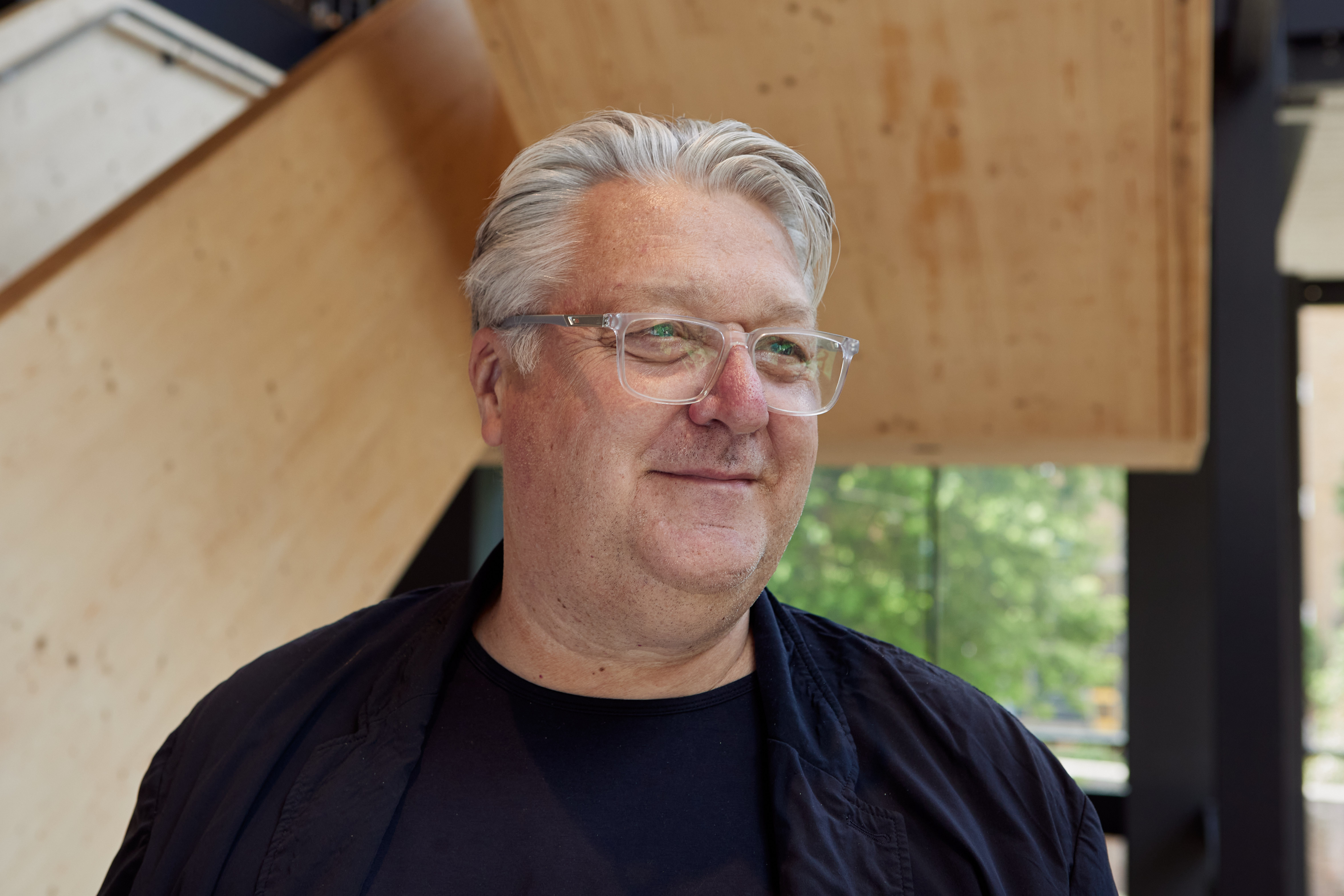
Russell is a distinguished architect and global practice leader for tall buildings at Gensler, based in London. With a primary focus on high-performing, low-energy, and low-carbon design solutions, he has made significant contributions to architecture across four continents. His work includes award-winning projects in the US, Europe, and Asia, such as large mixed-use developments, museums, cultural centers, and wineries.
Before joining Gensler, Russell was a Director of Technical Architecture and Practice Leader at SOM in Chicago, where he led the design and execution of the Pearl River Tower in Guangzhou, China—recognized as the world's most sustainable super-tall building. His career also includes senior roles at the Richard Rogers Partnership and Foster+Partners, contributing to notable projects like 88 Wood Street in London and the Glyndebourne Opera House in Sussex.
An advocate for sustainable architecture, Russell has lectured internationally and published extensively on the subject. He is actively involved with the Council on Tall Buildings and Urban Habitat (CTBUH) and has served on several advisory boards, including the Disabled Transport Advisory Council and the RIBA Disability Group.
Highlights of an Architectural Journey
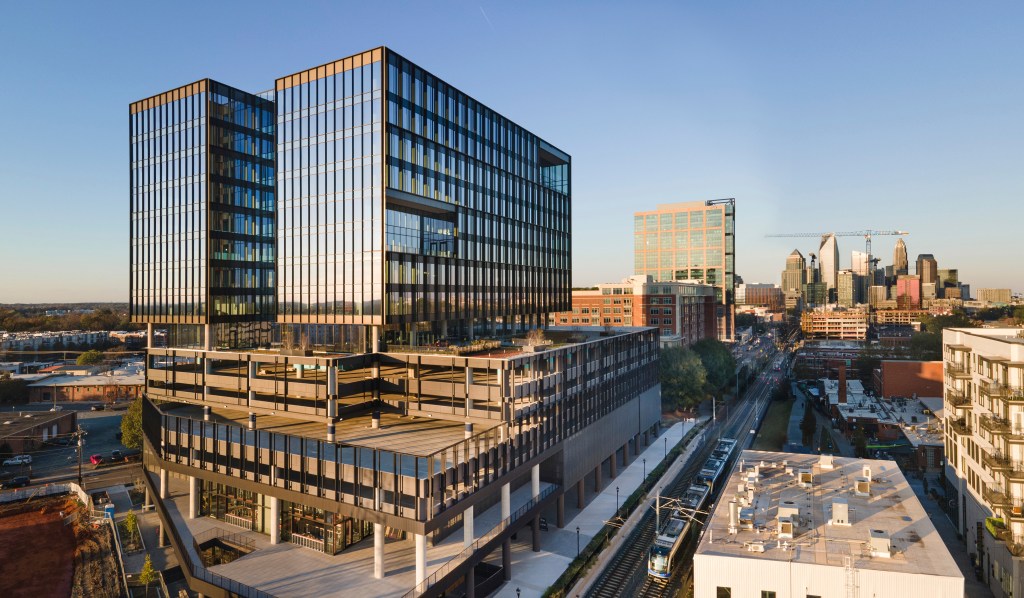
Russell Gilchrist’s career spans four decades and four continents and includes iconic projects like the Pearl River Tower and participating in the Reichstag Parliament building team. Reflecting on his journey, Gilchrist credits both strategic decisions and serendipity for his diverse and accomplished portfolio.
Starting his career at Stanton Williams, he gained foundational experience in a small but growing practice“At Stanton Willims, it was just 3 of us to begin with. During my three to four years there, the firm grew to about 12-15 people,” Gilchrist recalls. This intimate setting provided him with a comprehensive understanding of the architectural process from conception to completion.
After a six-month sabbatical backpacking around the world, Gilchrist returned to work at Michael Hopkins and Partners on the early stages of the Glyndebourne Opera House. This was followed by a stint at Yamanka|Armstrong in both London and Paris contributing to the cultural landscape of Paris with the ‘Maison du Japon’ Cultural Centre, followed by time spent at Foster+Partners on The Reichstag German Parliament building. Gilchrist's career then led him to the Richard Rogers Partnership (now RSHP), where he played key roles in London’s 88 Wood Street, Protos Winery in Penafiel, Spain and the early conceptual stages of 122 Leadenhall, affectionately known as ‘The Cheesegrater’.
In 2006 Gilchrist was asked to join Skidmore Owings and Merrill (SOM) in their Chicago office as their Head of Technical Design, projects included multiple large-scale projects in the Middle East and China including Pearl River Tower, a high performance, low energy LEED Platinum tower in Guangzhou and The Moody Performance Hall, a performing arts venue located in the Arts District of Downtown Dallas, Texas.

Leading at Gensler
As a Principal and Design Director at Gensler, Gilchrist’s responsibilities have included spearheading initial design concepts and managing large global projects. His role has involved juggling multiple roles, from studio leadership to business development. “Typically, responsible for taking the blank sheet of paper to develop multiple conceptual options,” says Gilchrist, emphasizing the importance of early-stage conceptual output.
Gilchrist’s role at Gensler has also seen him taking on leadership positions in various offices, including Beijing, Shanghai, Chicago, and London. “I’ve been a studio leader in several different offices, which has given me a broad perspective on global architectural practices and client expectations,” he notes. This extensive experience has equipped him with the skills to handle complex, high-stakes projects across different cultural and regulatory landscapes.
Passion for Sustainable Design
Gilchrist’s passion for sustainable and high-performance design was significantly shaped by his experiences at Foster + Partners and RSHP. “Architecture as an expression of how the building functions,” he explains. This holistic understanding of building systems, from HVAC to electrical and plumbing, laid the foundation for his commitment to energy-efficient and low-carbon solutions in architecture.
“Working at Richard Rogers Partnership, I quickly realized that you need to obtain a complete understanding of building systems because all of that stuff typically hangs on the outside of the building,” Gilchrist elaborates. This integration of systems with the building’s aesthetic drove his interest in sustainable design, emphasizing the importance of energy consumption and high-performance approaches.

Key Factors for Success
From a business perspective, Gilchrist stresses the importance of having the right expertise on board. “Early identification of the right profile of staff and utilizing their strengths to the maximum ensures project success,” he notes. Effective collaboration, both internally and with clients, is crucial. “Establishing trust and understanding the problem you’re trying to solve with the client is key,” Gilchrist advises.
Gilchrist also highlights the importance of flexibility and adaptability in project management. “Depending on the flow of work coming in, success comes from leveraging the strengths of the team you have and ensuring everyone has the opportunity to learn and grow,” he says.
Fostering Collaboration
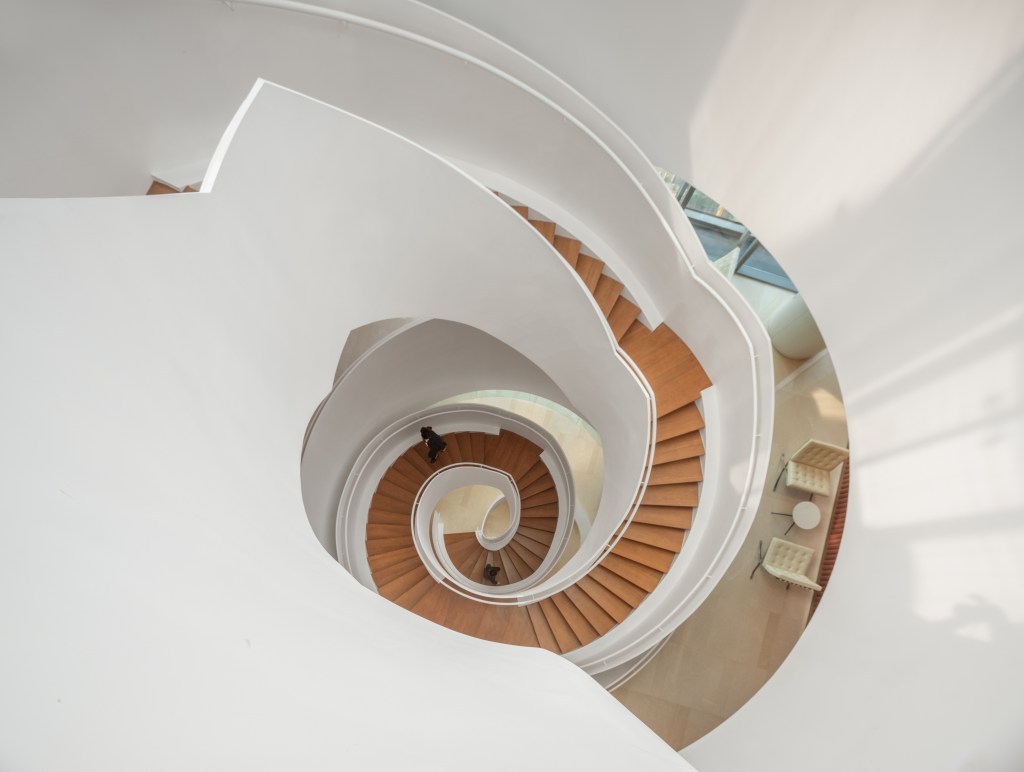
Collaboration in architectural projects involves numerous stakeholders, including developers, engineers, and consultants. Gilchrist highlights the significance of building trust and exploring beyond the initial brief. “Sometimes clients don’t know what’s possible, and it’s our job to show them,” he says. Successful projects often stem from early discussions about constraints and possibilities.
For Gilchrist, effective collaboration also means understanding the cultural and regulatory contexts of different regions. “Working across various Gensler offices globally, we rely on local teams to guide us on cultural nuances and regulatory requirements. This ensures that we approach projects with sensitivity and respect for local practices,” he explains.
Navigating the Tall Building Sector
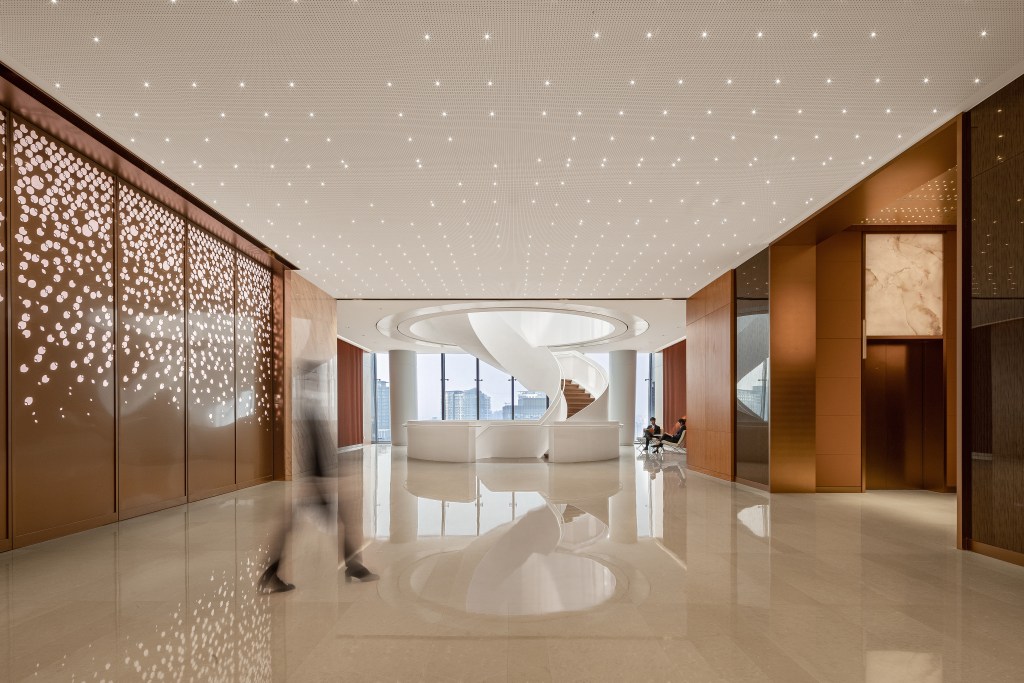
Defining what constitutes a tall building is essential. For Gilchrist, a tall building starts at around 150 to 200 meters. He emphasizes the importance of understanding building systems and construction and staying abreast of the latest innovations in vertical transportation and structural engineering. “keeping up with the latest trends in elevator technology and building systems is crucial,” he adds.
Gilchrist explains that the trend in tall buildings has shifted towards mixed-use programs, often incorporating multiple functions such as office, residential, and retail spaces. “Current tall buildings are rarely single-purpose. The integration of different programs requires a deep understanding of how various building systems interact,” he says.
Addressing Talent Challenges and Opportunities
Talent acquisition, retention, and professional development are ongoing challenges in the architectural industry. Gensler’s global presence allows for a diverse talent pool and offers numerous career growth opportunities. “We attract talent from all over the world, offering them the chance to develop and switch their career paths within the firm,” Gilchrist explains.
Gilchrist emphasizes the importance of creating opportunities for professional development and cross-collaboration. “We have what we call ‘Superconnects,’ where teams from different offices and regions collaborate on projects. This not only fosters a sense of community but also ensures that we leverage the best expertise available,” he says.
Adapting to a Changing Landscape
Looking ahead, Gilchrist identifies increasing competition for talent, evolving client demands, and the integration of AI as significant challenges. “AI is a tool that will compress timelines and push us to deliver high-quality work faster,” he predicts. However, he stresses the need for architectural firms to maintain the balance between rapid iteration and thoughtful design.
Gilchrist sees AI as a double-edged sword. While it can enhance efficiency in generating design options and handling repetitive tasks, it also poses the risk of diluting design quality. “Clients may feel they are getting more options, but rapid iteration can sometimes lead to superficial solutions. It’s crucial to ensure that AI complements rather than compromises the design process,” he warns.
Sustainable Innovation in Architecture
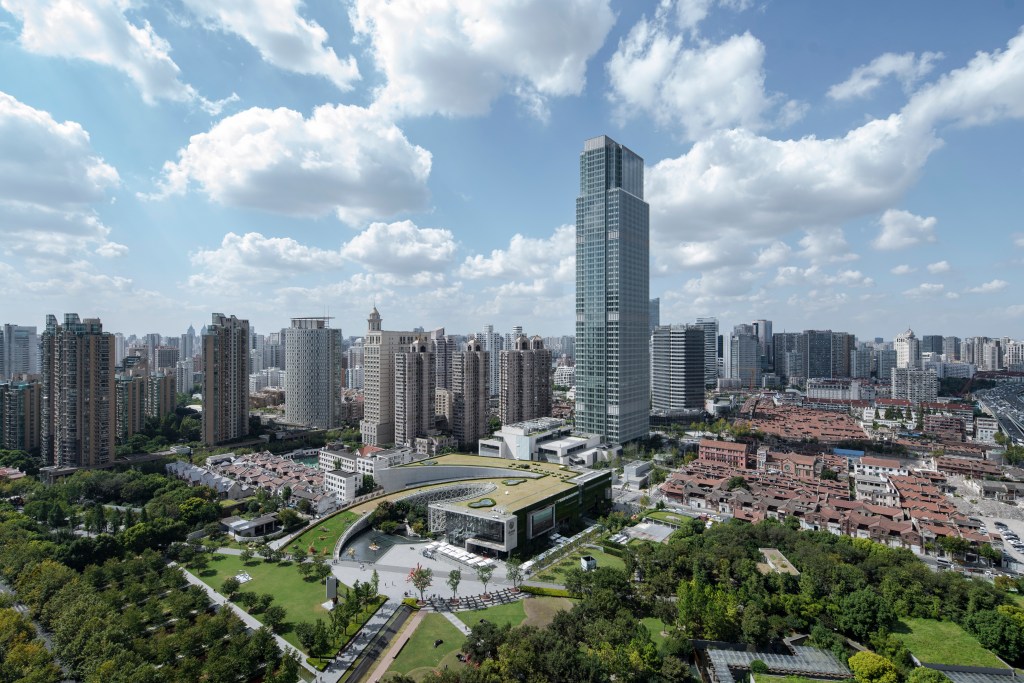
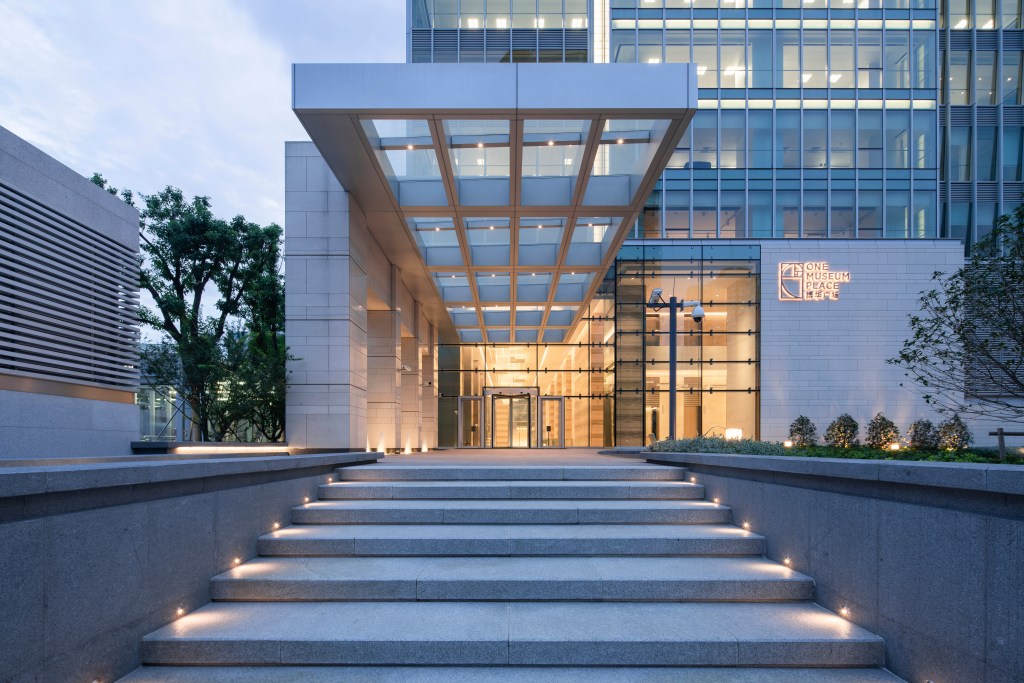
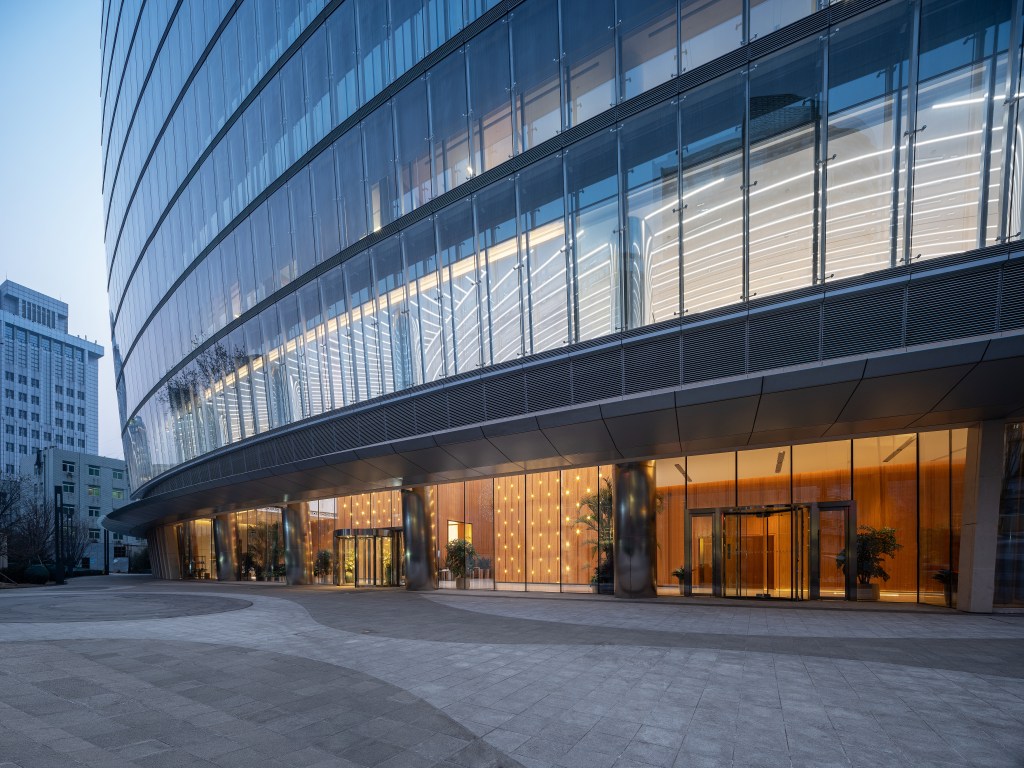
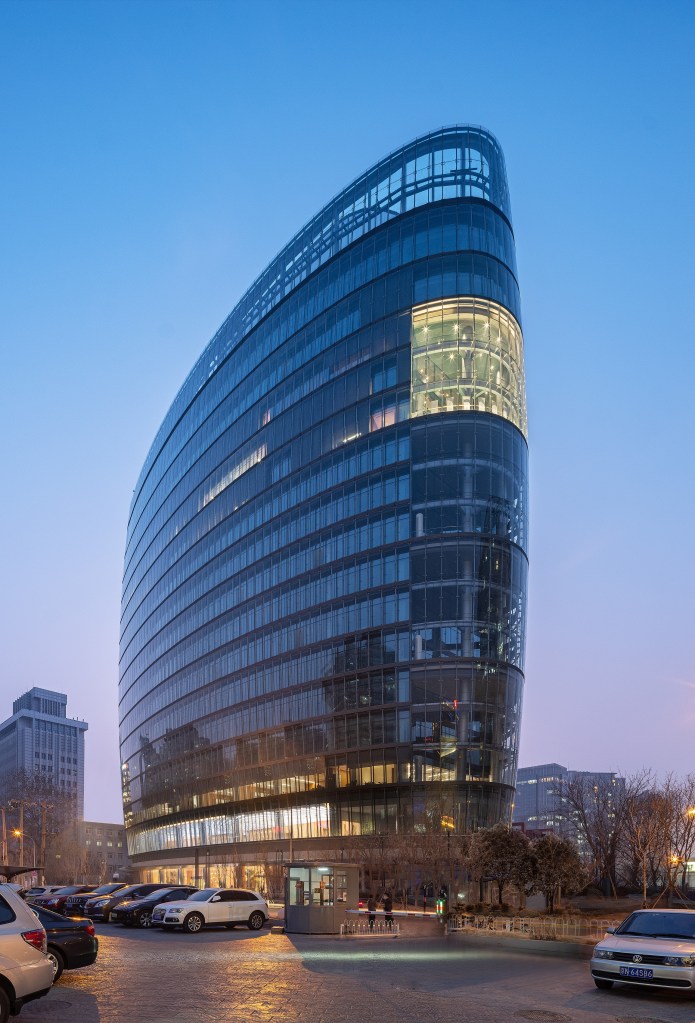
Sustainability is a core focus at Gensler, with a commitment to achieving net-zero carbon by 2030. Gilchrist shares insights from high-performance projects like the One Museum Place (1MP) in Shanghai, which achieved triple platinum ratings for sustainability, wellness and indoor air quality. “High-performance buildings not only benefit the environment but also offer significant commercial advantages,” he concludes.
Gilchrist recounts that the project also aimed to set a new standard for indoor air quality. “Hines wanted to attract multinational companies by offering the best indoor air quality in China. We achieved triple platinum ratings, which significantly increased the building’s rental value and occupancy rates,” he says.
Embracing the Future
Russell Gilchrist’s journey and expertise offer valuable lessons for leaders in the built environment. From building collaboration to embracing sustainable design and navigating the challenges of a rapidly evolving industry, his insights provide guidance for achieving excellence in architecture.
Gilchrist’s advice to fellow architects and leaders is to remain adaptable and forward-thinking. “The industry is constantly evolving, and we must stay ahead by embracing new technologies, understanding client needs, and prioritizing sustainability,” he says.
His experience underscores the importance of continuous learning and innovation.
Architecture is a blend of art and science, and we must harness both to create buildings that are not only aesthetically pleasing but also environmentally responsible and commercially viable, It’s not only what you do in life that matters; it’s who you do it with. - he concludes.