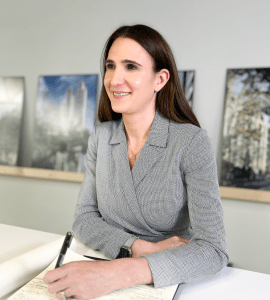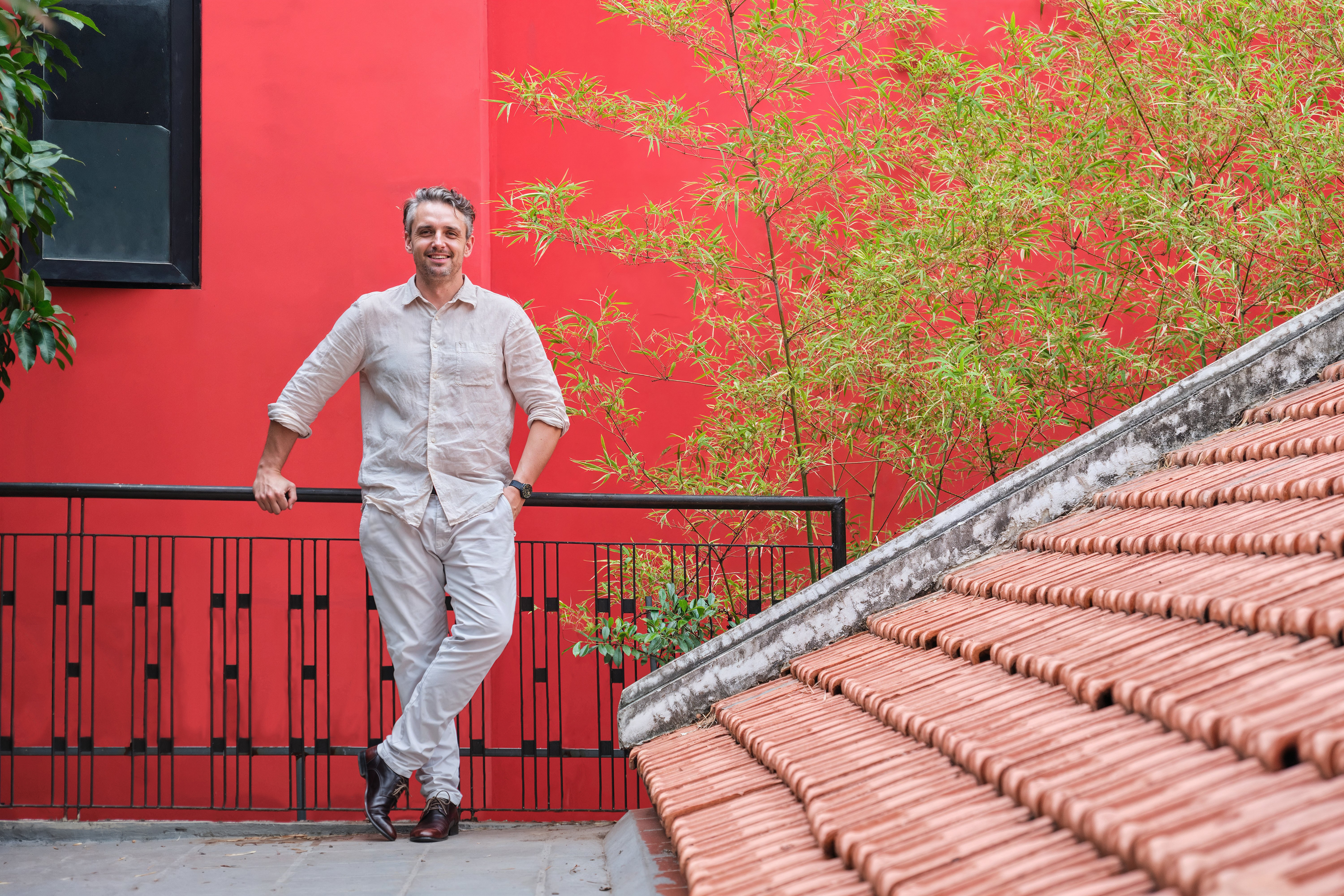
Pawel Siudecki is a distinguished architect renowned for his impactful contributions to Cambodia's design landscape. As the founder and principal of The Room Architecture & Design, Pawel has cultivated one of the country's most dynamic and forward-thinking design practices. His passion for creativity and commitment to excellence have been instrumental in shaping a team dedicated to delivering exceptional design solutions.
Under Pawel's leadership, The Room Architecture & Design has earned a reputation for excellence through its collaborative, client-focused approach. The firm has successfully completed a diverse portfolio of projects, ranging from commercial buildings and luxury resorts to cultural centers and private residences. The practice has received numerous awards and accolades, both locally and internationally, for its innovative and visionary work.
Pawel's dedication to developing exceptional spaces and providing creative design solutions has set a new standard in the industry. His work continues to inspire and influence architects and designers across Cambodia and beyond.


The Journey to Cambodia: From Europe to Southeast Asia
Pawel Siudecki's architectural journey began over two decades ago with a passion for sketching buildings and vehicles, leading him to the Technical University in Warsaw. After completing his education, he gained valuable experience at one of Poland's largest architectural firms. Seeking broader horizons, Pawel set out on a journey that eventually led him to Southeast Asia.
His travels brought him to Cambodia, a country undergoing rapid and dynamic growth. Arriving in Phnom Penh over a decade ago, Pawel found the city in a state of transformation. At that time, Phnom Penh was evolving from a city characterized by French influence and low-rise colonial architecture into a modern urban landscape. The architecture, shaped by renowned Cambodian architects such as Van Molyvann, Mam Sophana, and Lu Ban Hap, displayed the essence of tropical modernism. The capital was marked by numerous high-rise construction sites, with much of the skyline obscured by green construction nets—a vivid sign of the city's first commercial real estate cycle and development surge.


Establishing The Room Architecture & Design
During this exploratory phase, Pawel set out on what he believed would be a brief adventure. Amid his adventure, he quickly secured a position at a local architectural firm in Cambodia. This opportunity not only anchored him to the country but also allowed him to rapidly immerse himself in different facets of the business. Over time, his role evolved from architect to manager, where he honed his skills in operations and strategy. This growth journey eventually led him to become the firm’s sole owner, marking the beginning of The Room Architecture & Design.
Under Pawel's visionary leadership, The Room Architecture & Design has become a beacon of innovation in dynamic emerging markets. The firm excels in catering to both local and international clients, blending global standards with unique regional insights. From towering commercial buildings and luxurious resorts to vibrant cultural centres and bespoke private residences, their diverse portfolio is a testament to their adaptability and creativity.


Transitioning from Europe to Cambodia’s Architectural Landscape
The transition from a European architectural background to Cambodia’s fast-paced, relatively unregulated market presented unique challenges. Unlike the regulated and slower-paced European market, Cambodia's real estate sector is characterised by rapid development due to the country's first cycle of real estate growth, an openness to foreign investments, and a young, dynamic society. This combination creates both opportunities and challenges and, given the real estate sector's lack of stringent regulations, offers a more fluid and dynamic environment for development.
This environment requires a distinct approach to architectural practice. While European architects often contend with detailed approval processes and strict regulations, Cambodia's market offers freedom for innovative designs but demands careful adaptation. A critical challenge lies in guiding clients through the entire project lifecycle, from inception to project handover. Limited resources, varying contractor expertise, and evolving client awareness of the value in strategic planning are key factors in successfully navigating Cambodia's dynamic real estate landscape.


An Architect's Journey of Leadership and Growth
Siudecki’s transition from an architectural role to becoming the owner and CEO of The Room Architecture and Design was both unexpected and formative. Initially arriving with aspirations to design beautiful buildings, Siudecki was confronted with the need to take on broader responsibilities.
This shift was not without its challenges. Siudecki had to quickly adapt to new aspects of running the firm, including business development, finance, and marketing — skills that were not taught in formal architectural training. His journey from architect to business owner involved a steep learning curve, but it provided him with invaluable experience in running a company.
One of the major hurdles in the early days was the prevalent misconception in Cambodia that architects and builders were the same. This misunderstanding led to shortened design planning stages, lack of safety codes implementation, and architects not being involved in the construction process, which resulted in unqualified builders altering the design. Additionally, the constraints of available construction materials—limited to clay bricks, tiles, simple welded elements, and local non-kiln dried wood—initially restricted creativity. Siudecki’s approach to overcoming these challenges involved a slow and steady education of the team and stakeholders, which helped bridge the gap in understanding and facilitated better project outcomes.


Evolving Strategy: From Perfection to Gradual Improvement
When Siudecki first arrived in Phnom Penh, his goal was to introduce higher standards of architectural design to a rapidly evolving market. He believed that delivering superior quality would naturally attract discerning clients. However, the reality was more complex. The initial struggles stemmed from a local fast-paced market that did not yet fully grasp the value of architectural expertise.
Instead of focusing on creating a singular perfect project or replicating solutions from more developed markets, Siudecki recognized the need for a more strategic approach. He shifted his mindset from aiming for immediate perfection to fostering gradual improvement from one project to the next. This meant not only enhancing the capabilities of his own team but also working to educate the market about the role and value of architects. Siudecki together with his team embarked on a mission to elevate the local understanding of architectural practice, which was crucial for building a sustainable business.
This educational effort played a pivotal role in transforming The Room’s approach. By gradually growing the awareness of architectural value among clients, the firm was able to attract better leads and expand its clientele. The studio became well-regarded both locally and internationally, establishing itself as a significant player in the emerging Cambodian market.


Expanding Horizons: Major Projects and Future Prospects
Today, The Room is recognized for handling a diverse range of local and international clientele. Projects, ranging from sustainably designed workplaces, mixed-use buildings to large masterplans. Siudecki’s and his teams’ ability to manage complex projects, reflects the firm’s growth and adaptability. The studio’s portfolio now includes significant collaborations with international clients like the United Nations, Unilever, Maersk, UNICEF, the Asian Development Bank.


Strategic Expansion and Market Positioning
The Room is poised to expand its influence beyond Cambodia. The firm plans to open smaller satellite offices in emerging markets such as Myanmar and Laos, despite the current political and economic challenges in these regions. They believe their experience in navigating rapidly developing markets will serve them well as they branch out into these new territories.
By positioning themselves early in these markets, the firm aims to leverage their expertise to deliver high-quality, contextually relevant designs. They view their early presence in Cambodia as a strategic advantage that will enable them to offer valuable insights and innovative solutions to local and global clients.


Differentiation in a Competitive Market
In a competitive market where numerous architectural firms operate, The Room distinguishes itself through a steadfast commitment to promoting sustainability in line with clients' business targets and promoting awareness about rigorous planning and targeted niches for more sustainable and profitable projects. Introducing and advocating for sustainable practices in a market with varying levels of maturity and client understanding poses its own challenges. The studio's approach combines integrating fundamental sustainable principles with excellent communication and navigation in the local market for clients taking their first steps in Cambodia, with a strong focus on promoting the long-term benefits of these practices.
Cambodia’s urban planning is largely influenced by private investors, creating both opportunities and challenges. While this allows for flexibility and rapid development, it also means that the market is still in its formative stages. The Room recognizes the influence of neighbouring cities like Singapore, Bangkok, and Ho Chi Minh City, viewing them as benchmarks for future development. They anticipate that the Cambodian market will evolve significantly over the next 10 to 15 years, as the country adopts and adapts best practices from these regional examples.
To thrive in an increasingly competitive environment, The Room employs a diverse array of business development strategies. While having an impressive design portfolio is crucial, the firm understands that active networking and client engagement are equally important. The firm’s proactive approach also involves embracing experimentation and learning from both successes and setbacks. This flexibility allows them to refine their strategies and maintain a competitive edge in a dynamic market. Most leads come from referrals, and the high rate of returning clients allows the practice to operate within the Cambodian market and expand to clients from countries such as Myanmar, Vietnam, and Laos.
Insights and Cultural Sensitivity
Running a business in Cambodia has provided The Room with several unexpected insights, particularly regarding client readiness and market timing. Clients sometimes return after initial rejections, having recognized the value of the studio’s approach. This iterative process highlights the importance of promoting awareness about thorough planning, avoiding shortcuts, and prioritising quality over quick fixes.
Additionally, the firm engages with cultural and historical considerations, such as the debate over preserving heritage hotels versus demolishing them. The Room advocates for renovation over demolition, aiming to preserve the cultural and historical significance of these sites while also addressing modern needs. Looking to the future, The Room envisions architecture playing a pivotal role in Cambodia’s socio-economic development.
Future Trends and Sustainable Drive
When discussing future trends in architecture, The Room emphasises the importance of sustainability and climate resilience often overlooked by young investors and developers who may wish to opt for projects that are not suited to the local climate conditions. They foresee a growing emphasis on integrating green spaces and utilising climate conditions as integral components of architectural design. This approach aligns with global trends toward sustainable development and reflects the firm’s commitment to creating and repurposing buildings that are not only aesthetically pleasing but also environmentally responsible.
Furthermore, with Cambodia rapidly modernizing its architectural landscape, The Room is leading the charge in integrating innovative design with local artistic collaborations. Pawel Siudecki and his team explore how the firm works closely with Cambodian artists to incorporate local culture and creativity into their architectural projects.
In their quest to lead in the Cambodian architectural scene, the firm is focused on expanding its reach and influence. They aim to establish a strong presence in the regional market by leveraging their experience and adapting to the unique challenges of each location. This proactive strategy includes understanding and anticipating market needs and positioning themselves as leaders in delivering innovative and sustainable architectural solutions.


Integrating Purpose and Climate-Responsiveness
A notable example of The Room’s successful approach is their recent project—a seven-story office building crafted for a collective of three non-governmental organisations focused on education in Cambodia. This project exemplifies how the firm integrates purpose, climate considerations, and budget constraints into their designs by introducing natural ventilation, high ceilings, and greenery. Designed to enhance operational efficiency while celebrating local artistry through bespoke murals, the building represents support, growth, and resilience, reflecting the NGOs' mission to uplift vulnerable communities. Its facade is not only visually appealing but also climate-resilient, demonstrating a thoughtful integration of the needs of its young Cambodian users and architectural considerations.
In its formative years, The Room Architecture and Design faced significant hurdles in promoting climate-responsive design, especially in helping local clients understand the importance of tailoring designs to their environment. Many local clients initially leaned towards generic solutions, mistakenly considering them 'unique.' However, connecting the business aspect of design involves recognizing that effective design should cater to specific users or market niches. By creating solutions that are sensitive to their surroundings and ones that resonate with the target audience, designers not only enhance user experience but also drive market success. Emphasizing this connection can help clients appreciate the value of contextually aware designs that truly stand out in the marketplace.
The firm’s strategy involves gradually demonstrating the benefits of climate-responsive design from one project to the next, highlighting how long-term master planning, programming, and designing to safety standards are crucial for fostering a deeper understanding of how architectural choices influence long term business decisions. By "foreseeing" market trends and needs, they can create spaces that not only meet current demands but also thrive in the future.