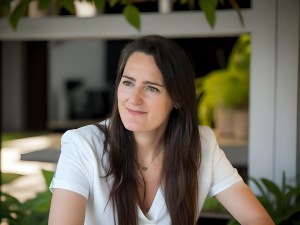
As the Founding Partner and CEO of Gehl, Helle Søholt stands at the forefront of urban design and development, spearheading initiatives to create more livable and sustainable cities worldwide. With a background in architecture from the Royal Academy of Fine Arts in Copenhagen and the University of Washington in Seattle, coupled with a Master of Management Development from Copenhagen Business School, Helle brings a wealth of knowledge and experience to her role.
Since co-founding Gehl with Professor Jan Gehl in 2000, Helle has played a pivotal role in shaping the firm's trajectory, steering it towards international acclaim and recognition. Helle's influence extends beyond the realm of design practice; she serves as an advisor to esteemed cities like Copenhagen, Vancouver, Mexico City, New York, and Sao Paulo, offering insights and expertise on urban quality, livability, and mobility. As a keynote speaker at international conferences and a member of design competition juries, she advocates for human-centric urban development, emphasising the importance of healthy living, compact urban form, and equitable mobility for all.
In addition to her role at Gehl, Helle is the Chair of the Board of Directors of Bloxhub, the leading innovation hub for the built environment in Denmark with 350+ membership companies across the industry sector spanning research, practice and policy for the advancement of urban systems, nature and communities. Through Helle's involvement in various boards, including Freja ejendomme A/S, Atölyer, Danish Design Museum and the Planetarium, she continues to shape urban agendas and promote sustainable urban futures.
A mere few weeks after the 24th anniversary of the Gehl’s establishment Helle Søholt joins Disrupt MAG for a conversation. Reflecting on this milestone, there's a sense of pride in the journey undertaken for Helle.
Helle, who was 28 years old at the inception of the company alongside Jan Gehl, shared a collaborative leadership with him for a decade. This partnership commenced in the year 2000, a time when both Helle and Jan brought unique perspectives to the table. Helle, a young professional, and Jan, a seasoned figure with decades of experience in architectural practice, found themselves at a juncture where the urbanism landscape was undergoing significant evolution.
The late 90s witnessed an emergence of what could be termed a modernistic overlay on existing urban planning paradigms. Copenhagen, in particular, showcased projects that epitomised this trend. However, amidst this architectural fervour, there seemed to be a conspicuous absence—a human-centric approach.
Jan's longstanding advocacy for understanding human behaviour within urban environments resonated deeply with Helle. Together, they recognised a need for a paradigm shift in planning, one that prioritised human activities and movements. This shared vision transcended geographical boundaries, evolving into a global aspiration from the very outset—a philanthropic endeavour aimed at reshaping urban landscapes on a worldwide scale.
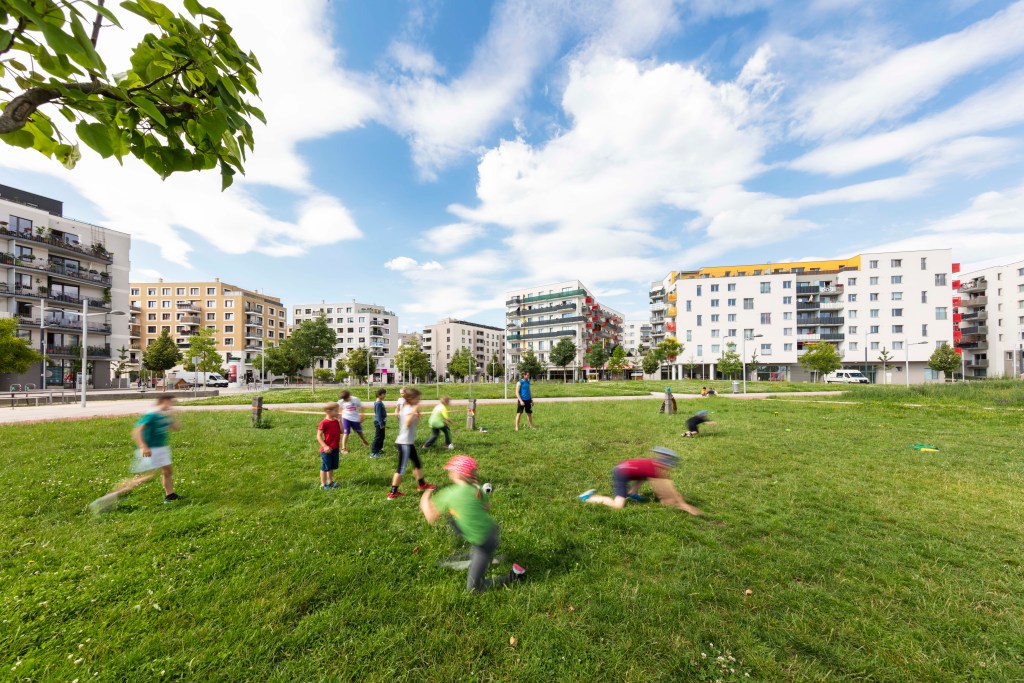
Evolution of Urban Research and Collaboration
From the outset, their mission was clear: to cultivate robust methodologies anchoring urban research on solid ground, transcending political biases and subjective viewpoints. Helle Søholt recalls the arduous early stages, likening their approach to an anthropological expedition into urban landscapes. This entailed immersive fieldwork, observing people and dissecting movement patterns—a process demanding both time and resources. However, as time progressed, their methods evolved. While the essence of learning from localities and communities remained paramount, they embraced digital transformation, adapting erstwhile analogue methodologies into sleek digital tools.
Helle Søholt reflects on the continued advancement and refinement of their ideas, noting the expansion into a comprehensive suite of digital approaches. These tools enable enhanced engagement with communities, capturing real-time experiences and documenting ongoing developments. The COVID-19 pandemic accelerated a paradigm shift in collaboration methods. Previously reliant on extensive travel, the team now embraces online platforms like Zoom, Google Hangout, and Slack, facilitating seamless collaboration across time zones and geographical boundaries.
Moreover, there's a cognizance of the evolving urban landscape, with a recognition that their origins in Copenhagen, a hub of urban planning heritage, may not fully encapsulate future trends. Anticipating a shift towards the global South as a focal point for urban development, they prepare to adapt their strategies accordingly over the next decade.
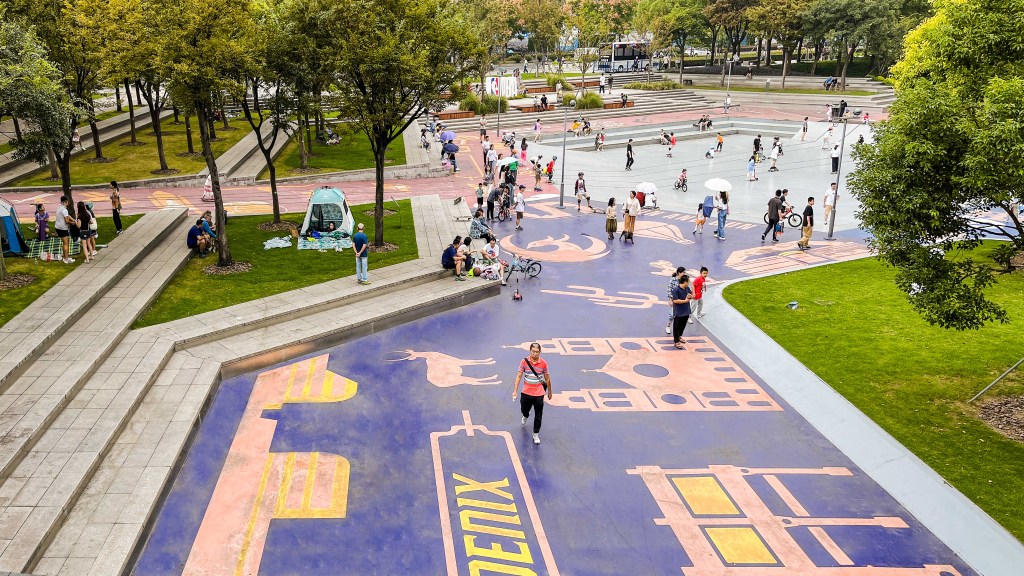
International Growth
In the midst of expanding project landscapes spanning the Middle East, the Gulf, and South America, and ongoing endeavours in India, Malaysia, and Australia, Helle Søholt delves into the strategic considerations underpinning this global outreach.
Helle recounts the deliberate emphasis placed on articulating their purpose on a global stage, primarily through active participation in conferences. She elucidates how the company's inception was inherently "born Global," initiating operations with international projects before contemplating the establishment of physical offices abroad. This strategic approach was pivotal in carving out a niche in nascent markets.
The early years were characterised by a concerted effort to refine services, and methodologies, and foster a distinctive company culture. Helle underscores the importance of this foundational period, during which the company matured and solidified its identity. With this groundwork firmly established, she posits that the organisation has transitioned into a more mature phase, empowered to disseminate its methodologies and services on a broader scale.
This unveils the strategic foresight and purpose-driven ethos that has propelled the company's international expansion. Helle's insights illuminate a journey marked by deliberate planning, innovation, and a steadfast commitment to realising a global vision.
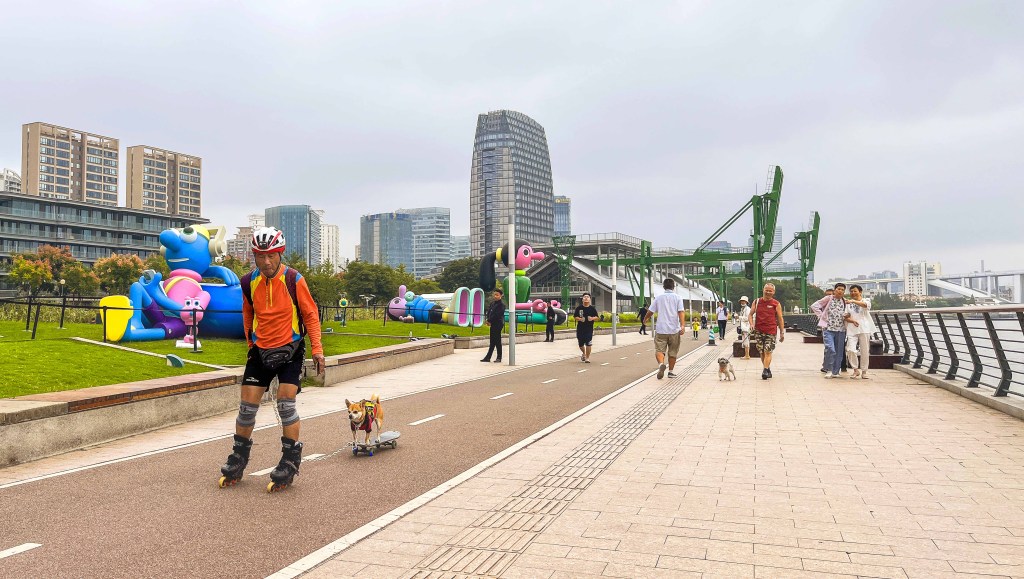
Influence of Jan Gehl's Research on Practice, Advocacy, and Transformation
Reflecting on the company's trajectory, Helle Søholt speaks of the foundational role of Jan Gehl's seminal research in shaping their approach. Acknowledging Gehl's pioneering work since the 1960s, particularly his influential publications like "Life Between Buildings" and "Cities for People," Helle underscores their significance in laying the groundwork for the company's ethos.
Helle's focus, she explains, has been on translating Gehl's research into actionable design principles—a task not explicitly addressed in Gehl's teachings. She views this as both her personal mission and a collective endeavour for the company and her dedicated colleagues. Central to this endeavour is the transformation of Gehl's research into tangible methodologies for urban development, encompassing aspects like sustainability, climate action, and transportation.
In the early years, Helle characterises the company as much as an advocate as they are urban strategists and designers. Their efforts were not merely confined to design practice but extended to championing Gehl's principles and advocating for human-centric urban development. This dual role, she suggests, defined their approach during the formative decade, positioning them as advocates for a paradigm shift in urban design and development.

Holistic Approach to Community Engagement and Capacity Building
Helle Søholt reflects on the distinct identity of their urban strategy and design firm, contrasting it with traditional architectural practices. She emphasises their role as facilitators rather than architects, prioritising stakeholder engagement and community input over singular design outcomes. Unlike architects driven by individual ego, their approach centres on fostering a sense of ownership and collective success among all involved parties.
Their success metrics, Helle explains, are not tied to leaving a signature "Gehl City" but rather to ensuring that residents experience an improved quality of life. This ethos extends to Jan Gehl's teaching background, which prioritises capacity building and knowledge transfer. Helle underscores the importance of empowering communities and organisations to implement change independently, leaving behind competencies rather than dependency.
Additionally, Helle acknowledges the influence of her life partner, versed in economics and finance, in broadening her perspective as a leader. This partnership has enabled her to transcend conventional boundaries within the industry, fostering innovation and adaptability within their firm's approach.
Cultivating Collaboration
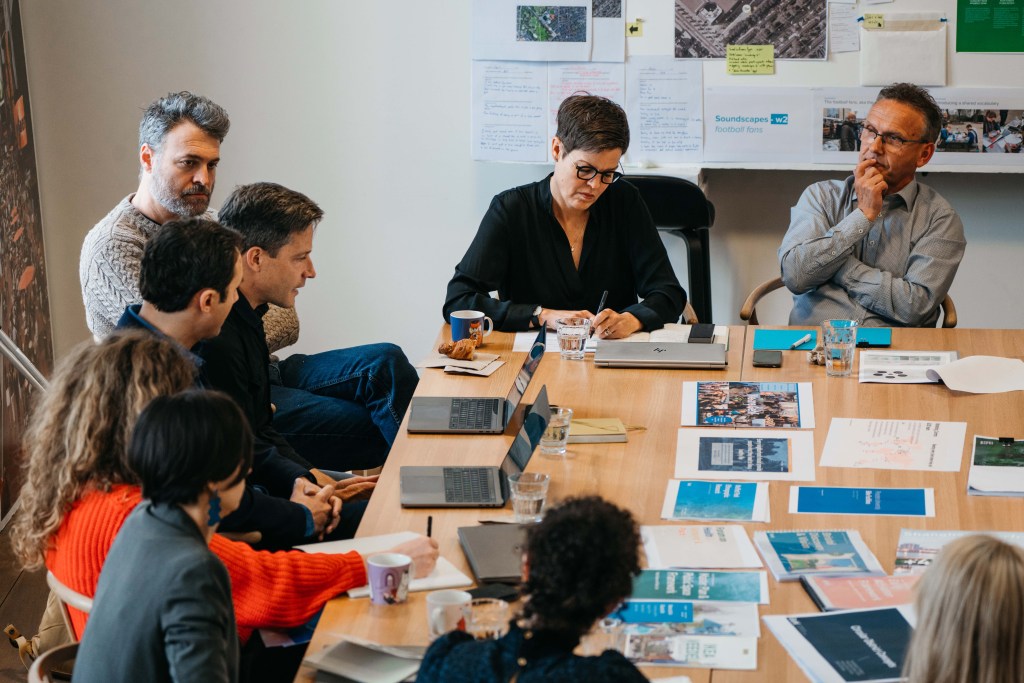
Helle Søholt reflects on the collaborative ethos that defines their company culture. While they are capable of taking the lead on projects, they also embrace various roles depending on project requirements, location, and goals. This adaptability, she believes, sets their culture apart, fostering a sense of being part of a larger ecosystem.
The majority of their work, she explains, stems from relationships and partnerships with professionals and leaders worldwide. Helle describes their company as part of a collective movement, where numerous projects across different locations contribute to meaningful shifts in the world. They don't aspire to be a conglomerate that handles every aspect of a project, recognising the importance of focusing on areas where they excel.
As a leader, Helle encourages a supportive and coaching approach, empowering members of the Gehl community to take on leadership roles across various domains. She values the contributions of team members at all levels, including interns, encouraging open communication and fostering an environment where everyone feels empowered to voice their ideas and questions. This, she believes, is essential in a company with a strong methodology like Gehl's.

Leadership in Times of Change
Reflecting on significant challenges encountered while leading Gehl, Helle Søholt highlights the impact of macro changes such as the financial crisis and the recent COVID-19 pandemic on their business landscape. Internally, navigating a generational transition with Jan Gehl, wherein she assumed ownership of the company, posed its own set of hurdles as Gehl gradually stepped back due to age.
Addressing these challenges is her leadership philosophy, which encompasses both long-term vision and short-term actions. Despite uncertainties, she maintains faith in the company's resilience beyond crises like COVID-19. This forward-looking perspective prompted investments in digital transformation as early as 2018, enabling Gehl to swiftly adapt to remote work and market digital tools amid the pandemic.
The approach blends strategic foresight with agile responses, allowing Gehl to capitalise on emerging opportunities while navigating shifting landscapes. Helle underscores the importance of striking a balance between long-term goals and immediate actions, a principle ingrained in her leadership style and the culture of Gehl.
Helle also discusses the potential pitfalls of institutionalisation within a company, cautioning against the stifling of innovation that can occur when processes become entrenched. She emphasises the importance of maintaining a strong core while continually seeking out opportunities to push boundaries and expand their operational horizons.
Acknowledging their own limitations as a relatively small company, Helle admits that there may be more structured organisations better equipped to navigate these challenges. However, she describes their approach as opportunistic, allowing team members the freedom to explore new avenues when opportunities arise.
To stay ahead in an evolving digital landscape, they've established a dedicated research and development team focused on spearheading digital transformation initiatives. Helle acknowledges the inherent uncertainty of venturing into the unknown but stresses the importance of providing support to team members throughout the process. Despite occasional setbacks, Helle reaffirms their commitment to fostering a supportive environment where team members feel empowered and part of a collective endeavour.

Multidisciplinary Approach
Helle Søholt underscores Gehl's inherent multidisciplinary nature, asserting it as a defining attribute that sets them apart within the industry. While acknowledging the common claim of many firms to be multidisciplinary, she contends that Gehl's DNA is fundamentally structured around this ethos, inherited from Jan Gehl's pioneering research. Moreover, their roots in public sector projects have cultivated nuanced expertise in multistakeholder engagement, a facet often overlooked in other consulting firms, especially those primarily focused on the private sector.
According to Helle, clients frequently highlight not only the tangible outcomes of Gehl's work but also the manner in which they engage and collaborate. This distinctive approach, she believes, forms the cornerstone of Gehl's reputation and contributes significantly to their success in delivering impactful solutions.

Preserving Local Identity through Adaptive Design
Scandinavian countries, particularly Copenhagen, possess an understanding of societal dynamics and community interaction which is a unique advantage. These regions also exhibit a strong connection to sustainability and nature, along with a reputation for exemplary design aesthetics. Even with the global recognition of these attributes, there are diverse urban challenges faced by cities like Copenhagen, Vancouver, and São Paulo.
Gehl's adaptive approach, emphasises the need to understand and respond to the specific urban challenges present in each city. She stresses the importance of contextual analysis and collaboration with local stakeholders to develop tailored solutions that resonate with the unique characteristics and needs of each community.
Helle also underscores the significance of cultural and architectural heritage unique to each locality, advocating against a one-size-fits-all approach in urban design. Instead, she explains Gehl's methodology, which prioritises understanding local behaviours, cultural practices, and community dynamics to inform their strategies.
By meticulously listening to local voices, Gehl ensures that their interventions align with the distinct characteristics and needs of each place. Helle expresses confidence in their ability to tailor strategies accordingly, while also acknowledging Gehl's accumulated experience and aesthetic preferences in design.
She further discusses Gehl's commitment to fostering community participation through pilot projects, providing opportunities for diverse stakeholders to contribute and evaluate the impact of design interventions. This emphasis on localism, she believes, prevents cities from succumbing to homogenised architectural and design standards, fostering unique identities and preserving cultural diversity.

Role of Technology
Gehl has a dedicated research and development team focused on understanding the specific needs of each project. In addition, they employ in-house developers to create new applications, allowing them to explore innovative technologies and capture various aspects of urban life, such as soundscapes and human emotions.
Helle highlights Gehl's commitment to innovation, noting their efforts to expand into new sectors while maintaining their core principles. In recent years, Gehl has increasingly collaborated with the private sector, recognising its significant influence on urban environments through consumerism and development initiatives.
One notable project involves a partnership with the pharmaceutical company Novo Nordisk, aimed at addressing the challenges faced by urban populations with diabetes. Through the development of a program called "foodscapes," Gehl and Novo Nordisk are mapping access to healthy food in cities worldwide, empowering urban planners with valuable insights to improve public health outcomes.

Sustainability and Climate Action
Early activations focused on people's health through the built environment represent a unique initiative for private companies, demonstrating a growing sense of responsibility towards their business and products.
Gehl's integrated approach to sustainability is particularly focused on the social aspects of sustainability. She highlights the development of terminology and research frameworks in collaboration with philanthropic clients, aiming to implement these frameworks in areas such as social inclusion, health, and climate action.
Since 2017, Gehl has aligned its purpose and services with the UN Sustainable Development Goals, integrating climate action into its core objectives. With a dedicated climate action lead, Blaine Merker, Gehl strives to set science-based targets and incorporate climate action approaches into all projects.
Despite the ambitious goals, Helle acknowledges the challenges of measuring and extending the impact of their efforts, particularly in smaller companies like Gehl. Collaboration with clients becomes crucial in assessing the broader social and climate impacts of their projects. Despite the ongoing challenges, Helle expresses optimism for the future, recognising the importance and excitement of the work ahead.
The discussion delves into the authenticity and transparency regarding sustainability in urban design. It acknowledges the prevalent issue of greenwashing and the challenge of determining the true sustainability of projects. Complexities such as sourcing materials ethically and minimising environmental impact, emphasise the need for transparency in these processes. Efforts to prioritise sustainability in urban design, particularly in integrating social and heritage elements into projects reflect on the broader societal progress towards sustainability and the ongoing need for collective action.
In the ongoing battle against greenwashing, there's a tendency for individuals and organisations to endorse initiatives without fully grasping their implications. Helle emphasises the importance of not only design but also policy in driving progress towards sustainability. She believes that true advancement can only be achieved by integrating grassroots efforts with top-down regulatory measures.
Helle personally dedicates significant time to advising the Danish Ministry of Culture on a new national architecture policy. She advocates for empowering politicians and government bodies with the necessary tools to promote sustainable development patterns. This includes guiding urban development towards denser, human-scale neighbourhoods that prioritise inclusivity and incorporate urban nature.
Helle Søholt highlights the potential impact of infrastructure planning on combating the continuous suburbanisation of many cities, a prevalent issue in Scandinavia, Denmark, and other parts of Europe. She emphasises the need for stronger policies to address this challenge, as the spread of urban areas is not conducive to reducing energy consumption and lowering CO2 footprints. In her efforts, Helle aims to engage with stakeholders at both the grassroots and regulatory levels to effect meaningful change.
Expressing concern about the implementation of EU taxonomy, Helle underscores the importance of policies that go beyond mere compliance and box-ticking exercises. She advocates for a more comprehensive approach that delves into environmental, social, and governance aspects. Real change, she believes, necessitates defining effective tools and policy changes, such as implementing CO2 taxation, to drive sustainable urban development.
By demonstrating practical ways of implementation, these ideas hold the potential to shift mindsets on a global scale towards a more equitable, healthy, and sustainable approach to urban development. Helle Søholt expresses hope in instilling optimism among professionals, aiming to illustrate that the built environment can serve as a solution rather than solely contributing to the problem. Currently, buildings are responsible for 40% of all CO2 emissions, and when combined with transportation, this figure rises to 70% globally. Despite the daunting statistics, there is a belief in leaving a legacy that showcases the potential for the built environment to positively impact society. Additionally, Helle Søholt aspires to enhance the everyday lives and quality of life of individuals directly affected by their projects.
Current Projects and Impactful Initiatives
Helle Søholt expresses satisfaction with several ongoing projects, highlighting the work on social infrastructure as particularly significant. Collaborating with the Robert Wood Johnson Foundation in the US, they have been actively defining and planning social infrastructure, aiming to integrate it into global infrastructure projects for enhanced social and health benefits.
Another notable project is the development of foodscapes, where private companies are increasingly engaging in projects with societal impact. Additionally, Helle mentions their involvement in creating Urban Design guidelines for Saudi Arabia, a crucial initiative for rapidly urbanising countries like Saudi Arabia, where urban development is happening swiftly and at a large scale.
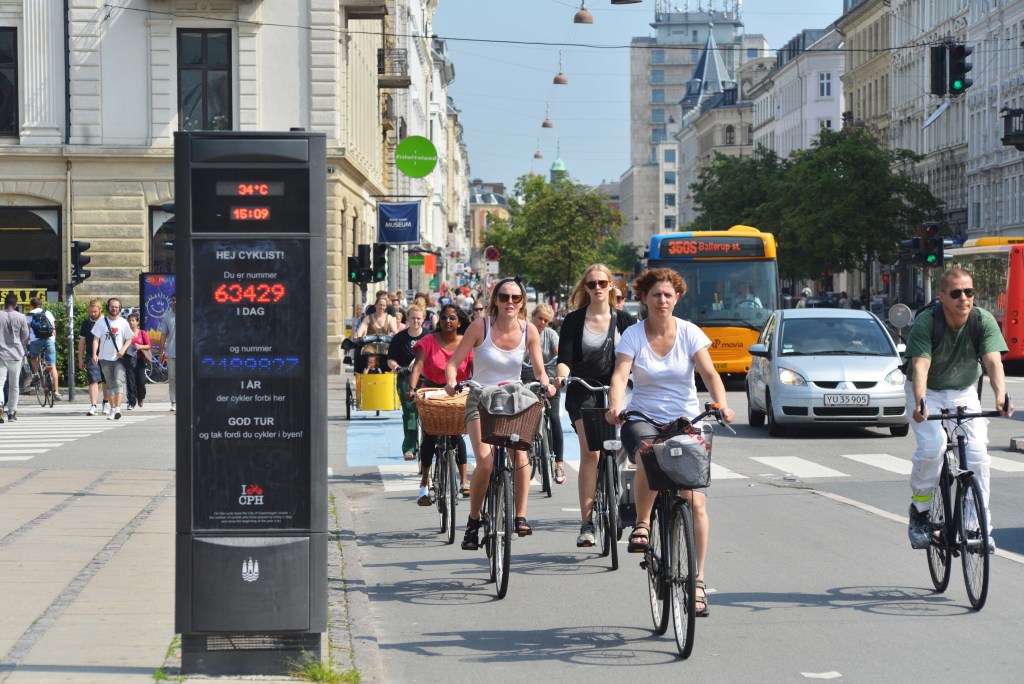
By establishing national guidelines, they hope to influence urban planning practices from the outset, ensuring streets are designed to benefit both the planet and people. These guidelines, once enforced by the government, can shape the development of cities for the better, emphasising sustainability and human-centric design principles. Helle expresses a desire to see similar efforts in other rapidly urbanising regions worldwide.
In conclusion, Helle Søholt's journey with Gehl exemplifies a vision that transcends mere architectural practice. It's a testament to the transformative power of urban design to shape societies and improve lives. As Gehl celebrates its 24th anniversary, Helle's reflections underscore a legacy built on innovation, collaboration, and a relentless pursuit of sustainability.
The conversation with Disrupt MAG unveils not just a retrospective but a roadmap for the future—a future where cities are vibrant, inclusive, and sustainable. Gehl's multidisciplinary approach, rooted in community engagement and adaptive design, stands as a beacon of hope in a world grappling with urbanisation challenges.
As Helle navigates the complexities of leadership amidst global crises, her commitment to resilience and innovation shines through. Gehl's ethos, forged through decades of research and advocacy, remains steadfast in its pursuit of human-centric urban development.