Jan Kattein is a multidisciplinary force renowned for his visionary approach to design and engagement. Since founding Jan Kattein Architects in 2004, he has spearheaded a collaborative ethos, enriching the architectural profession through a blend of writing, speaking, urbanism, and theatre. Educated at the prestigious Bartlett School of Architecture, UCL, his research is rooted in a deep-seated belief in architecture as a tool for engagement and dialogue and has shaped the methodology that defines his studio's work today.
Jan's contributions extend far beyond the confines of his practice, encompassing teaching, lecturing, and active participation in various professional bodies. As a lecturer at The Bartlett, he imparts invaluable insights into architectural practice, with the integration of design with societal and environmental considerations.
Throughout his career, Jan's commitment to regeneration and placemaking has earned him international acclaim, with numerous awards recognising his studio's exceptional contributions. His publications, including "The Architecture Chronicle" and "Londoners Making London," reflect a critical examination of the architect's role in shaping the built environment, advocating for a holistic approach that addresses spatial, social, and environmental imperatives.
Jan Kattein reflects on his journey into architecture, tracing it back to a deep-seated affinity for tinkering and creating. His roots in Germany, coupled with a desire for a career with scalability, led him to consider architecture. Having grown up in Germany, Jan eventually pursued studies in the UK, drawn by the emphasis on design in the curriculum, unlike the engineering-centric approach in his home country.
For Jan, the decision to study in the UK proved pivotal. The substantial focus on design in the curriculum resonated with his aspirations. Through his education in London, he found fulfilment in exploring the intricate relationship between design, technology, and societal impact within architecture.
However, the reality of the architectural course differed from Jan's initial expectations. Despite this, he found himself increasingly engrossed in the subject matter, fueled by the camaraderie among peers and the multifaceted nature of the discipline. While initially more inclined towards the technical and engineering aspects, Jan's journey through education and early career experiences broadened his perspective, highlighting the importance of design and social considerations in architecture.
These revelations only deepened Jan's commitment to his profession, driving him to pursue further qualifications and immerse himself wholeheartedly in the complexities of architectural practice.
Architecture and Social Impact
In reflecting on his career path, Jan Kattein reminisces about his time studying at a distinguished institution in London, known for its innovative approach to architecture. Following his education, he found himself employed at a small firm, Peter Barbar Architects, where they approached social housing in a novel manner. Departing from the conventional focus on towering apartment blocks, their vision encompassed the city as a cohesive entity, with streets serving as vibrant communal spaces, inspired by the principles of urbanist Jane Jacobs, particularly her observations in New York.
Their pioneering work marked a significant departure from prevailing practices, coinciding with a broader societal shift towards prioritising public spaces, notably spearheaded by figures like Richard Rogers. This era of urban renewal in London saw a heightened emphasis on community engagement in design processes, a philosophy that deeply resonated with Jan.
His involvement in projects within Hackney, an East London borough grappling with socioeconomic challenges, offered profound insights into the potential of community collaboration in architectural endeavours. Jan recognised the invaluable contributions that local residents could make to design concepts, leading to a steadfast commitment to inclusive design practices.
Simultaneously, Jan found himself engaged in designing accommodations for the homeless, collaborating closely with individuals facing a myriad of challenges, including mental health issues and dependency. Through partnerships with charitable organisations dedicated to providing comprehensive support services, Jan witnessed firsthand the transformative power of architecture in addressing social inequities.
In 2004, presented with an opportunity to delve into stage design, Jan made the bold decision to embark on a new chapter, bidding farewell to his role in architectural practice. This transition marked a pivotal moment in his career journey, emblematic of his enduring dedication to exploring the intersection of design, community engagement, and social impact.


Architectural Evolution Through Theatrical Insights
Jan Kattein embarked on a unique journey, venturing into the realm of theatre in Germany, a departure from his architectural background. Despite the apparent contrast, he found resonance in the hands-on nature of theatrical work, which complemented his ambition for design and his belief in the social dimensions of architecture. Recognising the profound intersection of culture, society, and craftsmanship within theatre, Jan's experiences converged, prompting him to return to university while continuing his theatre pursuits, embarking on a reflective journey culminating in a PhD.
Through rigorous introspection, Jan developed a theory delineating three archetypal roles of the architect. The "architect activist" emerged as a figure engaged in multidisciplinary endeavours, transcending traditional professional boundaries. Conversely, the "architect arbitrator" assumed the role of mediator, navigating negotiations and stakeholder interactions essential for project realisation. Finally, the "architect inventor" epitomised creative ideation and a commitment to innovation for societal betterment.
The culmination of Jan's academic inquiry underscored the symbiotic relationship among these three roles, positing them as foundational to the creation of impactful architecture. Energised by this insight, Jan embarked on establishing his own architectural practice while continuing his involvement in stage design. Concurrently, he ventured into teaching and founded Jan Kattein Architects, driven by a steadfast commitment to public sector engagement and civic-oriented projects, reminiscent of his earlier endeavors in social and homeless housing.
The nascent stages of Jan's practice were characterised by humble beginnings, operating from a makeshift office in his North London spare bedroom. However, recognising the imperative of professionalisation to realise his ambitions, he transitioned to a dedicated studio space, repurposing an old shop premise. This evolution marked a significant milestone, signifying Jan's unwavering dedication to architectural excellence and societal impact.

Revitalising Urban Spaces Through Innovative Architecture
Jan Kattein's architectural endeavours expanded as he transitioned to employing staff and forging collaborations with local government entities in London, notably Camden Council. Their initial focus centred on addressing the pressing issue of overcrowding in urban housing developments, a multifaceted challenge requiring innovative solutions. Undertaking a significant program of work, they embarked on subdividing and extending dwellings to accommodate families enduring severe overcrowding.
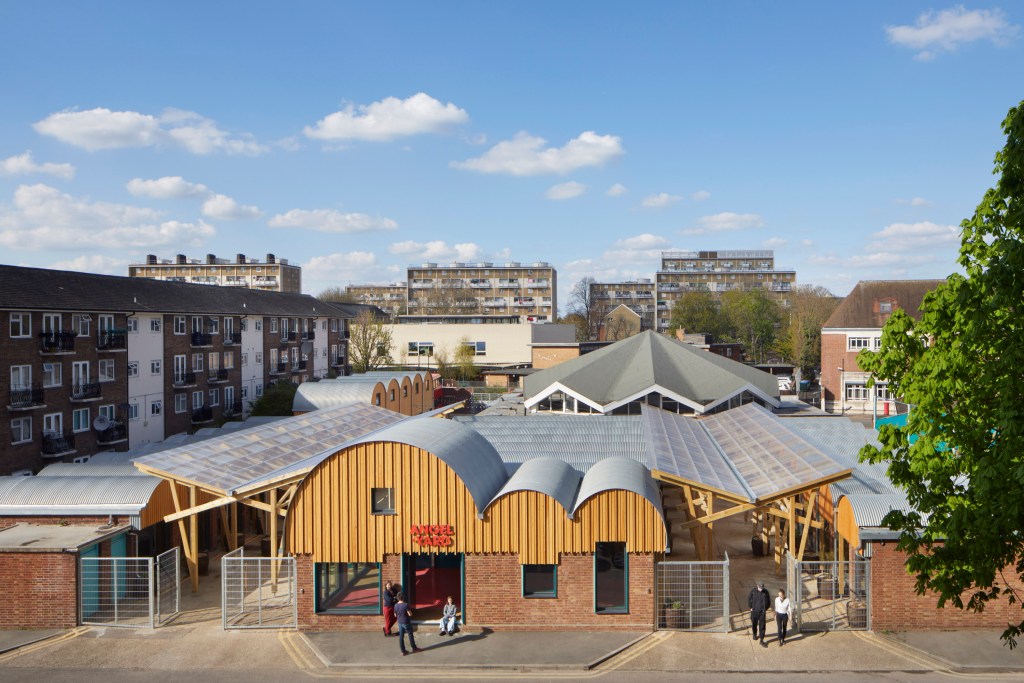
Subsequently, their portfolio diversified to encompass high street regeneration projects, recognising the pivotal role these spaces hold as vibrant civic hubs. Jan underscored the intrinsic value of high streets beyond their commercial function, for their significance as social, cultural, and economic nuclei within communities. With the proliferation of online shopping reshaping consumer behaviour, the imperative to rejuvenate high streets became increasingly urgent.
Jan's team spearheaded approximately 30 high street regeneration initiatives, each underscored by a commitment to community engagement, a principle derived from his architectural philosophy articulated in his PhD. Given the predominantly privately owned nature of properties along high streets, fostering community buy-in was imperative for project success. This necessitated a reimagining of traditional industry processes to accommodate the unique challenges posed by projects situated on privately owned land.
Their innovative approaches and community-centric ethos garnered widespread recognition, particularly during the fervour surrounding the 2012 Olympics in London. Jan's work in high street regeneration emerged as a notable highlight, drawing attention to his impactful contributions to urban revitalisation efforts.
Community Narratives
Jan Kattein's architectural imprint extended to the borough of Waltham Forest, adjacent to the Olympic Park, where his transformative interventions garnered immediate acclaim. The project's resonance transcended national borders, earning international recognition through television coverage in Japan, France, Germany, and the Netherlands. These accolades catapulted the project into the national spotlight, affirming Jan's burgeoning reputation within the urban revitalisation sphere.
Establishing a firm foothold in the town centre and high street revitalisation, Jan's practice evolved in tandem with shifting paradigms in urban planning discourse. Embracing a holistic approach, discussions surrounding town centres now encompass themes of cultural enrichment, inclusivity, and lifelong learning, reflecting society's evolving needs and aspirations. With a team of eleven, Jan's practice extends its influence beyond London, engaging in multifaceted civic projects characterised by intricate stakeholder dynamics and environmental considerations.
Central to Jan's ethos is the imperative to address the pressing challenges posed by the climate crisis, necessitating a paradigm shift within the architectural profession. Negotiating these complexities forms the crux of their endeavours, as they navigate the intricate interplay between environmental sustainability and design imperatives.
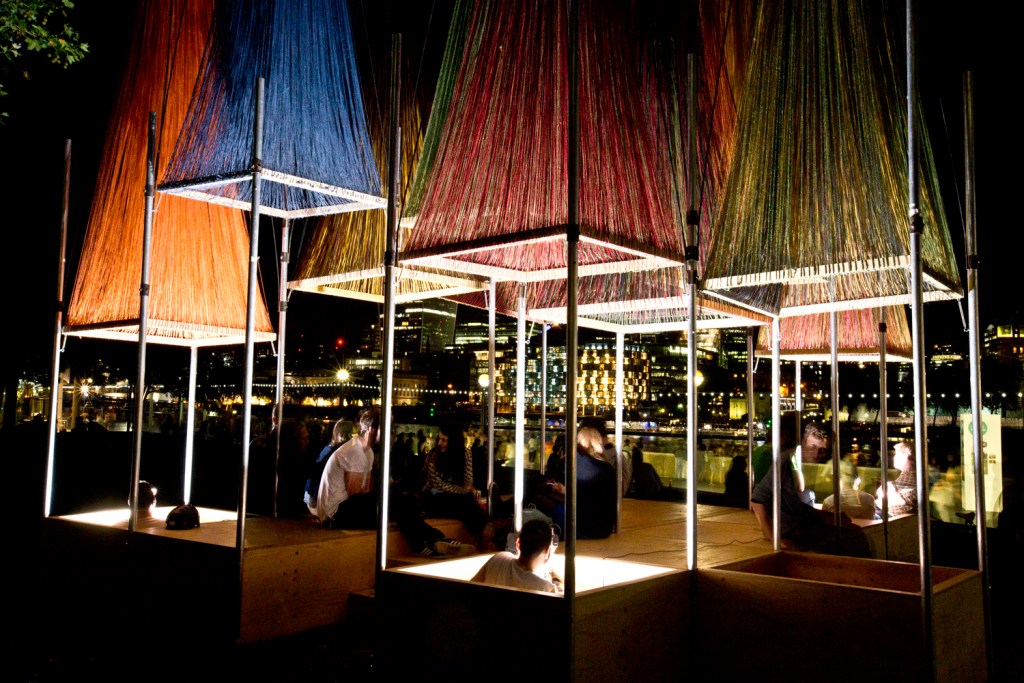
This commitment to holistic urban regeneration culminated in the recent publication of Jan's second book, "Londoners Making London: Transforming Neighborhoods." Through nine compelling interviews, the book amplifies the voices of community activists and grassroots changemakers, showcasing their profound impact on local neighbourhoods. By sharing their stories, Jan not only honours their invaluable contributions but also catalyses broader conversations surrounding urban transformation and community empowerment.
Architectural Triumphs
Jan Kattein's achievements in the architectural realm reached new heights with a string of prestigious awards received towards the end of last year and the beginning of this year, recognising the collective body of work undertaken by his practice. In 2023, amidst stiff competition, they clinched the title of Social Value Architect of the Year in the UK, a testament to their unwavering commitment to societal impact. This was followed by a commendation in January for a lifetime dedication to architecture for the common good, bestowed by the McEwan Award. Additionally, they were honoured with the title of Best Built Environment Practice by the Thornton Education Trust. What sets these accolades apart is their acknowledgement of design as more than just aesthetics but as a conduit for purpose and societal benefit.
Collaborative Design Ethos
Reflecting on the ethos underpinning his practice, Jan shares an anecdote about a former student turned employee who likened working with him to a collegiate learning experience. This sentiment encapsulates the nurturing environment fostered within the team, where individuals are entrusted to excel while receiving constructive feedback and support. Jan emphasises the importance of autonomy and ownership over projects, advocating for a horizontal management approach that empowers each team member to leverage their strengths effectively. With a diverse team of directors overseeing distinct aspects of the practice, Jan ensures that expertise is utilised optimally, acknowledging his own limitations and leveraging the collective talents of his team.
Amidst these accomplishments, Jan underscores the importance of steadfastness in design, cautioning against complacency in the pursuit of innovation. He emphasises the need for assertiveness in design discussions, recognising that while initial ideas may evolve, maintaining a strong design ethos is paramount throughout the project lifecycle. This ethos permeates the studio culture, where a deep-rooted confidence in design excellence guides their approach, ensuring that projects undergo rigorous development over time, often spanning several years.
Jan Kattein emphasises the importance of maintaining design quality throughout the entire architectural process, highlighting the futility of clinging to ideas conceived years ago. In his view, team members must possess a discerning eye and actively contribute to design evolution. Unlike traditional practices where a senior figure dictates the design, Jan's approach prioritises ongoing collaboration and iteration. He believes in incorporating stakeholder input and acknowledging their valuable perspective in shaping the final outcome.
Stakeholder Engagement
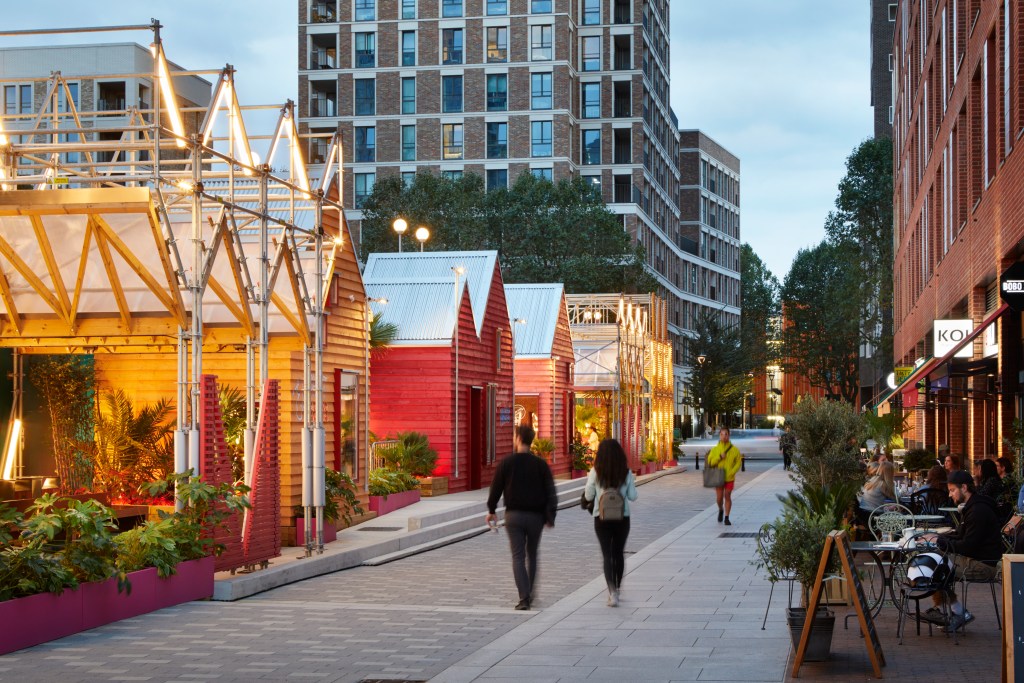
Jan stresses the perpetual nature of design, diverging from conventional methodologies. This places significant responsibility on the team but also offers gratification, as each member contributes meaningfully to the realisation of the project. In their sector, attentive listening is paramount, yet often overlooked. Jan acknowledges past shortcomings in this regard, which may have led to friction with stakeholders. To rectify this, his practice has established guiding principles, ensuring that designs are only developed after thorough listening sessions. This proactive approach contrasts with the common practice of seeking post facto validation through consultation, a process Jan finds disingenuous and defensive.
Moreover, Jan highlights the importance of empathy and creativity in understanding and addressing clients' constraints, particularly those in the public and third sectors. He emphasises the need for architects to adapt their approaches to suit the political and operational contexts in which their clients operate, demonstrating flexibility and ingenuity beyond traditional design roles. For Jan, creativity extends beyond the aesthetic realm to encompass innovative problem-solving and collaborative engagement with clients to achieve holistic and impactful architectural solutions.
Ultimately, Jan advocates for a more collaborative and responsive approach to architecture, one that values input from all stakeholders and prioritises genuine engagement over tokenistic consultation.
Designing for Flexibility
Jan Kattein reflected on an intriguing question that arose during his final Master's project in college. His project involved designing infrastructural elements for a city in Hong Kong, situated on a defunct airport runway. However, he focused solely on designing civic institutions within the city, emphasising flexibility and adaptability. Kattein realised that predicting the future is increasingly challenging, making flexibility crucial.
Involving stakeholders ensures ownership of spaces, which enhances their longevity and reduces obsolescence. Specificity also plays a vital role. Kattein highlighted the need to question institutional norms to create more flexible spaces.
Illustrating this, Kattein cited a recent project in North London involving a library owned by the local government. The library had diverse functions, including housing books, CDs, and a computer room, while a community group sought to organise cultural programs. Internal teams aimed to provide education and other services. Rather than allocating separate spaces for each group, Kattein proposed a solution: extending the library's operating hours to accommodate various activities, effectively maximising its utility.
In redesigning the library, they opted to utilise the existing space for multiple purposes. The interior was revamped to retain the book collection while also incorporating foldable shelves to maximise flexibility. A stage was installed, allowing the library to transform into a concert venue in the evenings. This innovative approach facilitated a seamless transition between the library and community event space, with the community group taking over after hours. Additionally, they accommodated council training sessions during low-traffic hours, ensuring optimal utilisation of the facility throughout the day.
Jan Kattein emphasises the importance of thinking creatively about user needs to achieve flexibility in design. Rather than relying on complex systems prone to operational challenges, they prioritise the selection of durable materials and adaptable building components. By employing innovative approaches to materials usage, such as in facade and roofing systems, they ensure the longevity and versatility of the structure. Ultimately, their approach underscores the significance of stakeholder engagement, critical questioning of project objectives, and strategic material selection in fostering flexible and sustainable design solutions.


Sustainability, Circular Design, and Client Empathy
Jan Kattein underscores the critical importance of sustainability and carbon reduction in contemporary architecture. Genuine commitment to these issues is essential, as technology alone cannot address the complex challenges at hand. Jan advocates for a holistic approach that integrates circularity throughout the design process, ensuring that structures are designed for disassembly and questioning the necessity of new construction versus adaptive reuse of existing buildings. These considerations, he believes, are fundamental for the longevity of architectural practices.
In Jan's view, architects wield significant influence, particularly in the early design stages, to steer clients towards more sustainable and circular practices. He recounts instances where his firm successfully persuaded clients to retain and refurbish existing buildings instead of opting for demolition and new construction, leading to a paradigm shift in their approach. Jan stresses the need for architects to inspire clients and stakeholders alike towards sustainable and inclusive practices, acknowledging the inherent challenges in navigating these issues.
Jan Kattein underscores the philosophy that taking on additional responsibilities often translates to superior project outcomes, believing that one's reputation hinges on the quality of their most recent project. In their practice, they allocate resources not to marketing, but to executing impactful projects, fostering enduring client relationships crucial for sustained success. Given the competitive nature of most project acquisitions, long-term partnerships with clients cannot be taken for granted, particularly due to the dynamics of public sector funding. By sharing insights through talks, publications, and proactive engagement, they pave the way for clients to recognise the value of their expertise and solutions.

Commitment to Sustainability: Net Zero and Ethical Practices
Jan emphasises the importance of practising what they advocate, citing their early efforts to decarbonise their office operations as a testament to their commitment to sustainability. This ethos of alignment between principles and actions underscores their dedication to delivering projects that reflect their values and beliefs.
Jan Kattein's practice adheres to a strict rule of not driving for work-related activities, instead opting for public transport. Recently, they made a significant investment to decarbonise their heating system, achieving net zero carbon in their operations. This process has been educational, mirroring the challenges their clients face in decarbonisation efforts.
An interesting insight from a recent eco-audit for a charity client revealed that changing to an ethical bank account can significantly reduce carbon footprint. Jan's practice has maintained an account with an ethical bank for 20 years, demonstrating their commitment to forward-thinking and practising what they preach.
Jan emphasises the importance of creativity throughout the process and setting a vision for others to follow. In recent years, they have been particularly proactive in advancing the circularity agenda, arguably more so than many others in the UK.
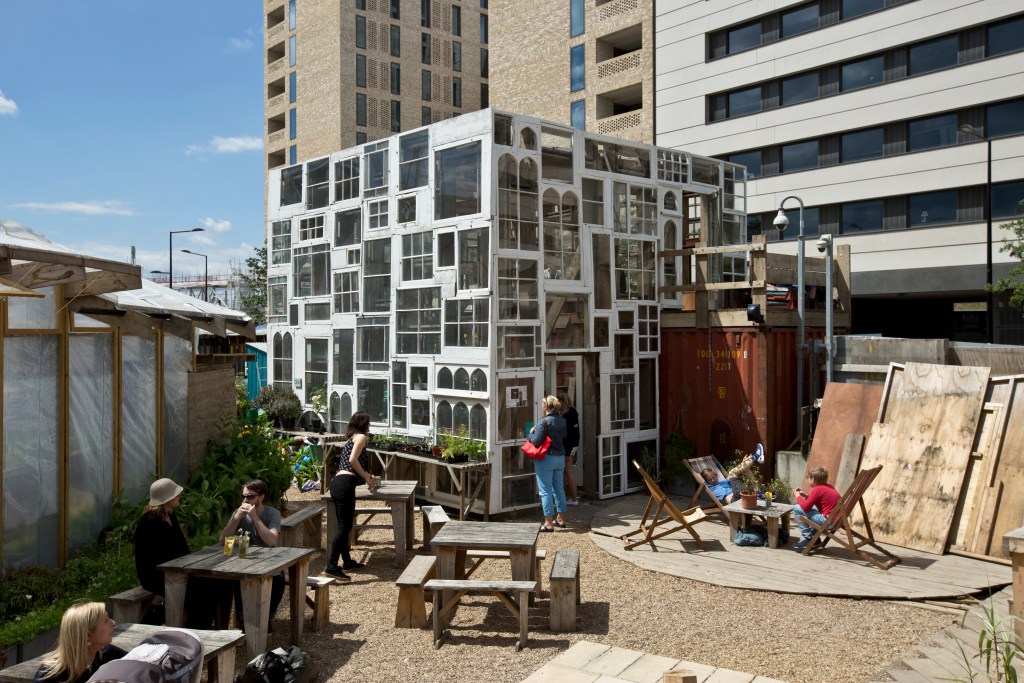
There has been a strong focus on operational carbon reduction. Jan Kattein notes that embodied carbon reduction is now starting to be seriously discussed, and his practice has already delivered several projects addressing this issue. One notable project involved constructing a new building made of 60% reclaimed and found materials, meeting all building codes. This pioneering effort demonstrates the feasibility and benefits of such an approach.
Advocacy plays a crucial role in promoting circularity. For this project, 3,000 volunteers participated, each becoming an ambassador for this radical approach. Kattein emphasises the importance of action over mere discussion. By actively doing so, they set an irrefutable example, proving that sustainable methods are practical and achievable, thereby addressing concerns about costs, material sourcing, and safety during the procurement process.
Jan Kattein and his team see their role as not just contributing intellectually but also leading by example. They aim to demonstrate what can be achieved and set the standard for what needs to be accomplished in the next decade. The practice of embracing NetZero and carbon reduction is giving rise to a new approach, termed "creative retrofit" or "creative repair." This approach uses creativity to modify existing structures rather than demolishing them to build anew.
This practice is gaining broad acceptance within communities, that recognise it as both a viable and desirable design trend. Educating consumers to demand creative retrofit and repair will be a significant trend in the industry. Considering the need to stay within the 1.5-degree Celsius climate boundaries, there is limited scope for new construction in the next decade. This constraint will likely define future design practices.
Bridging Design Education and Professional Practice
Jan Kattein's experience as a lecturer has significantly influenced how he runs his practice, instilling greater confidence in his employees to take ownership of their work. Initially, teaching was nerve-wracking as he observed students not making the expected progress. However, he realised that the more he trusted them, the more they invested in their projects, ultimately leading to success.
This philosophy of trust and ownership has deeply influenced his practice. Kattein has always dreamed of combining design education with professional practice, recognising that traditional design education is often inward-looking, with students primarily learning from full-time staff or peers with little real-world influence. He believed that exposing students to public sector work and stakeholder engagement would be invaluable, eliminating the self-referential nature of university environments.
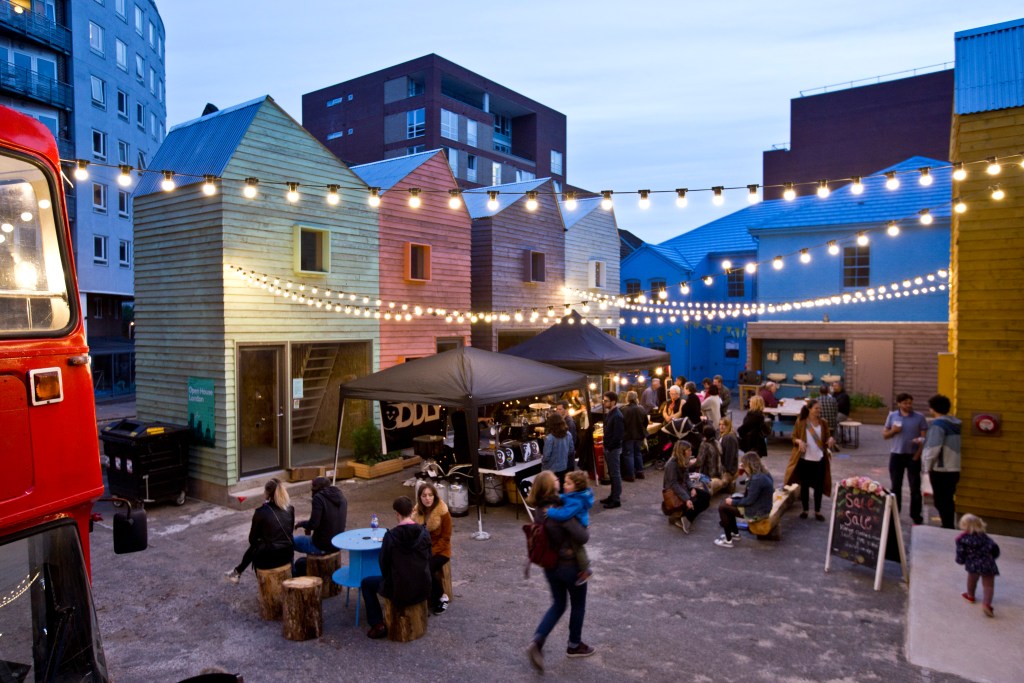
Inspired by the Rural Studio in Alabama, Kattein took students on a field trip and then collaborated with a charity in London to build a community garden. Despite the university's rigid budget and time constraints, within ten months, the students constructed seven structures, some two stories high. This project provided them with hands-on experience interfacing with a real site, client, and community, ultimately building real structures with real materials.
Kattein sees immense potential in involving students in real-world projects, though he acknowledges the challenges posed by the rigid structure of university courses. The architectural profession in the UK faces difficulties, often undervaluing itself. However, by bridging the gap between education and practice, Kattein aims to empower future architects with practical, impactful experiences.

Challenges and Advocacy in the Architectural Profession
Jan Kattein highlights the disparity between the immense work and responsibility architects undertake and the compensation they receive. He points out that while architects can spend years designing and delivering a property, estate agents can earn nearly the same profit simply by selling it, which is disproportionately unfair.
In the UK, professional bodies have played a role in creating this issue, leading to a profession where architects are undervalued. Kattein stresses the need for architects to advocate for the value they bring and to be clear about their day-to-day contributions. He observes that clients often have unrealistic expectations, unaware of the effort involved in meeting tight deadlines, indicating a significant misunderstanding of the profession.
To address this, Kattein believes that those who wish to run a practice today must be prepared to advocate for the profession and take on a political role to prevent being further marginalised. Design and professional challenges are not necessarily in conflict. Neglecting design can lead to greater issues later, such as losing jobs midway or struggling to secure new projects, often resulting in working with clients whose objectives don't align with the architect's vision. Thus, a balance between advocating for the profession and maintaining design integrity is crucial for success in architectural practice.
Jan Kattein strongly encourages those entering the architectural profession to embrace design as a mission. He believes that design is not in conflict with the other objectives architects must respond to, but rather is a solution to many challenges. Design is essential for addressing climate issues, reinventing the design process, and utilising materials and resources effectively. Design is key to unravelling the complex intellectual processes that architects face and to engaging stakeholders, ultimately delivering a more equitable and inclusive built environment.
Contrary to the traditional view that design hinders meeting budgets and environmental standards, Kattein asserts that it is not the design itself, but the wrong type of design, that is the problem. The right type of design is the solution.

Vision for Growth and Innovation
In recent years, significant progress has been made, transitioning from a London-centric focus to broader geographical horizons across the UK. This expansion has proven rewarding, as it allows the team to address pressing needs in areas outside the capital, characterised by constrained budgets, social deprivation, and outdated administrative systems. Jan Kattein, with roots in Continental Europe, harbours a keen desire to share the innovative approaches developed within the firm with the broader European community. While this endeavour is gradually gaining traction, it remains a journey of incremental steps.
The vision extends toward establishing a more pronounced international presence, albeit with measured growth, as the informal, collaborative ethos within the team is deemed instrumental to their work. Kattein increasingly dedicates creative energy to reimagining bureaucratic processes, envisioning a consultancy role that applies design thinking not only to physical spaces but also to everyday administrative procedures. Drawing from a rich portfolio of diverse projects, the aim is to maintain a pioneering spirit, remaining at the forefront of innovation within the industry—a role Kattein is deeply committed to preserving.
Jan Kattein's architectural journey is rooted in a passion for creation and innovation and reflects a profound commitment to design excellence and societal impact. His trajectory embodies a relentless pursuit of design ingenuity and collaborative engagement. His career path, marked by pivotal moments and paradigm shifts, underscores the dynamic interplay between design, community empowerment, and environmental stewardship. Through pioneering projects in urban regeneration, high street revitalisation, and social housing, Kattein has reshaped urban landscapes while championing inclusivity and sustainability.
Kattein's vision extends beyond conventional boundaries, envisioning a future where design education intersects seamlessly with professional practice, fostering a new generation of architects poised to address pressing societal challenges. As he navigates the evolving architectural landscape, Kattein remains steadfast in his dedication to innovation, collaboration, and advocacy.