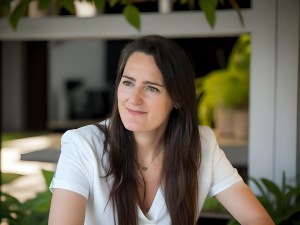
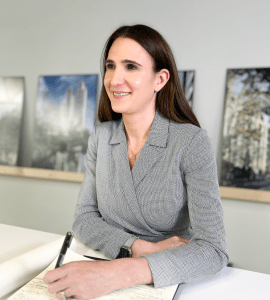
Joe MacDonald, an internationally recognised executive and visionary architect, researcher, and policy specialist, has dedicated his career to revolutionising the built environment through decarbonisation, digitisation, and data-driven design. Founding Urban A&O in New York while serving as an Associate Professor at Harvard University, Joe has seamlessly merged academic rigour with practical application, positioning Urban A&O as a leader in the architectural landscape.
His mission is clear: to deliver buildings of the future powered by renewable energy and automation, fundamentally transforming how we conceive, construct, and inhabit spaces. At Urban A&O, Joe serves as the Project Architect, spearheading groundbreaking initiatives in sustainability and design innovation. His focus is on revolutionising smart city principles and the data centre industry through emerging clean tech solutions such as small modular reactors (SMRs), pumped storage hydropower, geothermal energy, and the advancement of green hydrogen fuel cells.
Joe has been a thought leader in the net-zero space for over a decade. He has served as an ambassador within the international sustainability and UNFCCC climate action spheres, leverages his influential platform to forge profound connections with industry leaders and drive meaningful change on a global scale.
Joe MacDonald’s journey into architecture began at an early age, a path shared by many creatives. From the age of six, he was constructing intricate cardboard structures, thanks to a steady supply from his father’s automotive industry. His mother’s unwavering support further fueled his creative ambitions, solidifying his desire to become an architect.
Joe’s academic path was straightforward yet distinguished. He attended boarding school on Vancouver Island, where he excelled in rugby and rowing. His athletic prowess earned him a rowing scholarship to the University of Washington in Seattle. Despite the rigorous demands of athletics, he pursued a four-year undergraduate degree, with a focus on architecture in his final two years. A semester in Rome, with its breathtaking architecture, left a lasting impression as he explored the city and the broader Mediterranean region.
After graduating from the University of Washington, MacDonald recognized the need to bolster his portfolio for competitive East Coast graduate schools. He relocated to London and was accepted into the prestigious Architectural Association, studying under the legendary Zaha Hadid. This period was both extraordinary and challenging; Hadid, known for her rigorous critiques, once even threw a cup and saucer at his drawings during a presentation, and would only refer to him as “The American”. Despite these challenges, her influence deeply impacted his work, and they later would serve on academic juries together.
MacDonald then applied to several East Coast graduate schools, ultimately choosing Harvard’s Graduate School of Design, renowned for its decade-long top ranking as the #1 Design School in the world. At Harvard, he studied under luminaries such as Rem Koolhaas and Eva Jiřičná,
whose teachings profoundly shaped his architectural perspective. The combined influences of Zaha Hadid, Rem Koolhaas, and Eva Jiřičná honed his critical thinking and design methodologies, leaving an indelible mark on his professional journey.
Embracing Sustainability and Design Innovation
His journey into sustainability, closely associated with his academic role at the Weitzman School of Design at University of Pennsylvania, followed his time on faculty at Harvard. While working with Zaha Hadid, he learned to think in three dimensions and to abstractly use forms. With Rem, he learned to juxtapose radical programmatic themes. These approaches dovetailed with his personal fascination in forms and patterns found in nature, heavily influenced by the work of Ernst Haeckel, German zoologist, naturalist and evolutionary biologist, who coined the term "ecology." MacDonald uses this term to describe his own work, which he calls "built ecologies."
In his research-driven practice, MacDonald absorbed key lessons from various mentors. From Rem Koolhaas, he learned that a program drives a project, not the form. From both Eva Jiricna and Zaha Hadid, he gained an understanding of spatial thinking and three-dimensional design. This combination of influences was integral to his development as an architect.
Koolhaas, known for his unique and unconventional approach to programmatic adjacencies and inversions, greatly influenced MacDonald. Koolhaas often reconfigures programs, creating completely original spatial experiences, as exemplified by the Seattle Public Library. These diverse influences from Rem, Zaha, and Eva, alongside MacDonald's own research, have profoundly shaped his approach to architecture and design.
Leadership Methodologies
Joe MacDonald highlights the methodology he employs to translate natural forms into architectural design. An extraordinary opportunity arose during his time at the GSD when he was tasked with designing an exhibit for Ford Motor Company, leading to an invitation to their headquarters in Dearborn, Michigan. There, he gained exclusive access to their Advanced Design Lab, where he witnessed cutting-edge computational design tools like Catia by Dassault Systèmes.
Upon his return to Cambridge, MacDonald, along with the department chair, invited the president of Dassault Systèmes from Paris to Harvard, securing a significant investment in workstations. This enabled him to teach upper-level Design Studios in Catia and marked the inception of Urban A&O in 2004, showcasing early design projects in various design publications. MacDonald won four consecutive Dean’s Grants at Harvard, and exhibitions at Storefront for Art and Architecture, among other venues, and MacDonald's career flourished, particularly in New York City.
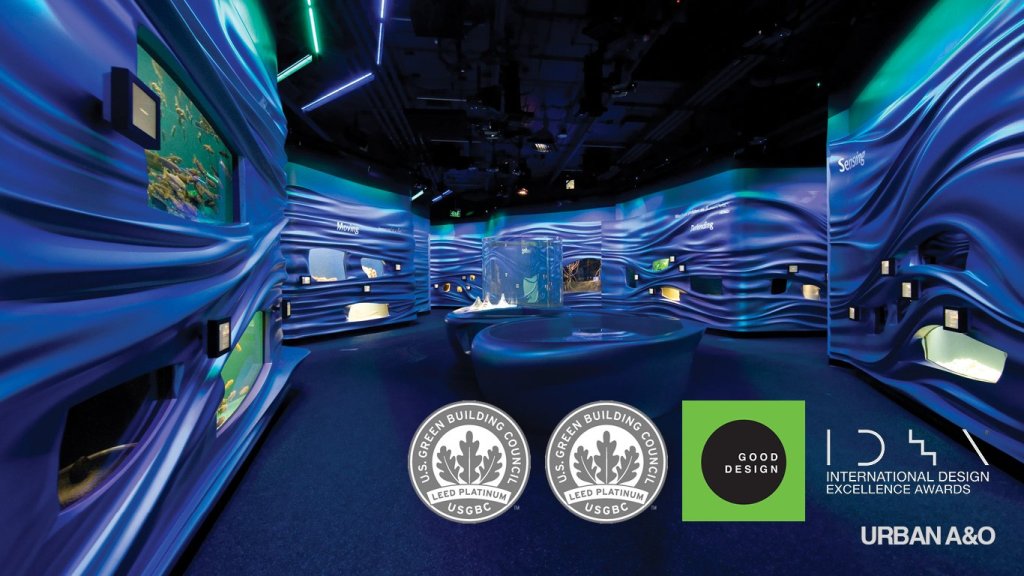
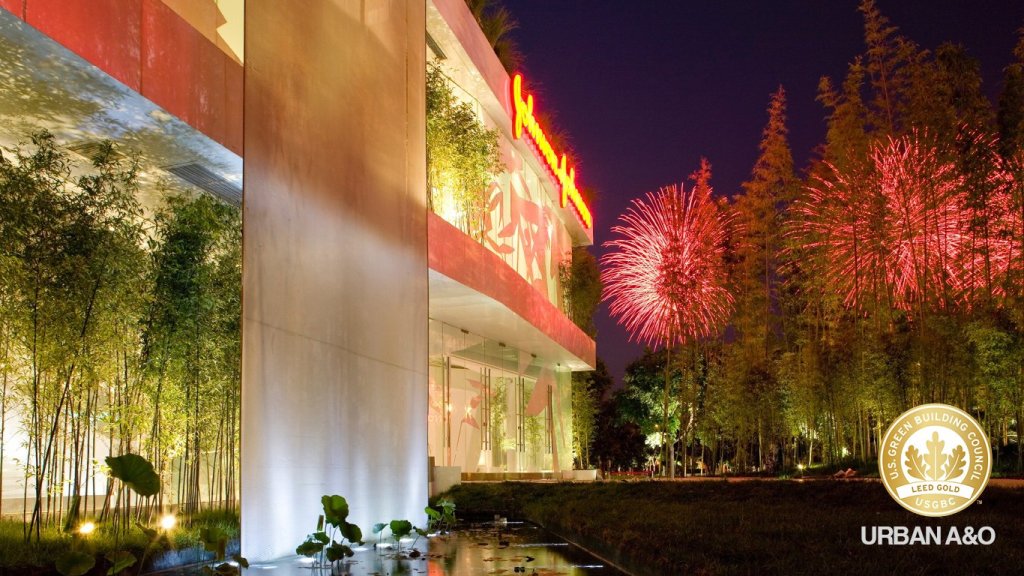
At University of Pennsylvania, MacDonald expanded his focus beyond sustainability to the drive for Net Zero in all his work at Urban A&O. This involved a deep dive into concepts like embodied carbon, operational carbon, and life cycle analysis, along with familiarising himself with various rating agencies. His involvement in projects like the California Academy of Sciences and the Beijing Olympic Pavilion for Johnson and Johnson, both recipients of prestigious Gold and Double Platinum LEED certifications, further solidified his expertise in sustainable design. This journey also introduced him to newer rating agencies such as WELL and the Living Building Challenge, enriching his understanding of sustainable building practices.
Strategic Business Development at Urban A&O
Between engaging with rating agencies and utilising software like cove.tool, Joe MacDonald deepened his understanding of addressing greenhouse gas emissions in the construction industry. Recognising its significant contribution to global emissions, which stands at 38% of all GHG emissions worldwide, the team at Urban A&O made a pivotal decision in 2017 to drive all their built work towards achieving Net Zero status. This proactive stance placed Urban A&O ahead of the curve in sustainable design, a commitment they've upheld for the past seven years with tangible project outcomes.
Business development is critical for firm stability. Urban A&O follows a clear trajectory in this regard, leveraging a network of senior advisors globally, who offer invaluable guidance and help secure projects. Complementing this approach are two dedicated business development teams, one based in South Africa and the other in the United States. The strategic scheduling across time zones allows for continuous engagement on platforms such as LinkedIn, a primary source for securing work. In fact, several developers have approached Urban A&O based solely on Joe’s LinkedIn profile, underscoring the platform's significance in their business strategy.

A Fresh Start and Global Engagement
When Urban A&O was reincorporated in 2021, it essentially began anew as a startup. Joe MacDonald, now one of four principals, assumed the role of Chief Energy and Sustainability Officer, a change that significantly influenced the firm's workflow. Under this new structure, the firm operates horizontally, with a collegial arrangement among the principals and designers as Urban A&O is no longer a top-down organisation.
In his multifaceted role, Joe oversees various aspects, including travel, lectures, and networking. He collaborates closely with Angelos Alfatzis, Chief Strategy & Innovation Officer, on researching project content, emerging materials and lecture topics. UA&O relies heavily on AI advancements, for environmental calculations, text to video production, while being cognizant of AI’s carbon footprint. Urban A&O has developed a direct connection with OpenAI, allowing them to access emerging beta platforms. MacDonald's extensive travel schedule takes him to diverse destinations, from Dubai to Bangkok to Dallas and San Francisco, where he delivers talks, participates in panels, and receives awards, raising Urban A&O's profile globally.
Through his attendance at events like Climate Week in New York City, COP 28, the Forbes Sustainability Leaders’ Summit, and Prologis's annual sustainability conference, Joe not only networks for new projects but also identifies influential executives who could serve as advisors and mentors for the firm. These international business advisors, operating as independent contractors, play a vital role in mentoring the principals and bringing in new work. This collaborative relationship at the top level has proven to be mutually beneficial for all parties involved.

Remote Workforce
With a shifting landscape, clients, whether publicly traded or private companies, increasingly approach Urban A&O with a sustainability mandate, a relatively new development in the industry. As a boutique international design firm, it operates with a fully remote workforce spread across various locations worldwide. Joe, based in the Americas, highlights their unique workflow, where team meetings are held on Mondays, Wednesdays and Fridays at 9:30 AM, accommodating members across different time zones, including Athens, Vienna, Singapore, Pakistan, India, and Colombia.
The Urban A&O team communicates constantly on an open WhatsApp for desktop application. Design Decks and zoom links can be dropped in the chat function, allowing for immediate and spontaneous reviews, discussions, research and redlining. Multiple individual chats occur simultaneously on a principal or project-based basis. All work is stored on a massive, permission entry only Google Drive.
This distributed setup allows Urban A&O to effectively work around the clock, completing tasks in three eight-hour shifts for every day in a physical office setting. This agility gives them a competitive edge in client relations. While larger firms are now heavily investing in sustainability departments, this firm has been ahead of the curve in this regard, having embraced sustainability initiatives early on.

Workflow and Strategic Hiring: Enhancing Efficiency
Urban A&O’s unique operational strategy operates on a 24-hour clock. This approach significantly enhances efficiency and profitability by allowing the firm to generate quality design products more quickly and present them to clients more frequently. The faster a project progresses, the higher the return for the architecture firm, making this a crucial strategy.
Addressing downtime is essential, respecting staff time zones, but dealing with project changes, such as design revisions or change orders, is also critical. Highly skilled team members manage these challenges effectively. During hiring rounds, Angelos, the Chief Strategy & Innovation Officer, meticulously reviews hundreds of applications. The selection process focuses not only on design ability, speed, and experience but also on how candidates will contribute to the office culture.
The practice values a positive and progressive culture with a sense of camaraderie. Therefore, they carefully build a tight-knit group of designers who work well together, combining technical skill sets with empathetic interpersonal skills. This combination ensures a harmonious, supportive and productive working environment.

Mentorship Approach, Team Dynamics and Generational Culture
Joe MacDonald, having taught for nearly 20 years as an associate professor, has developed a deep-seated mentorship approach in his interactions with young designers. This mentor-mentee dynamic, rooted in the professor-student relationship, remains a defining feature of his engagements, fostering a more nurturing and developmental environment rather than a typical employer-employee relationship.
As Urban A&O grew, MacDonald's role evolved to focus on specific segments of the firm. With four principals, each leading their own team, Joe’s team specialises in emerging materials and clean tech solutions. This structure allows for clear and focused areas of expertise, ensuring that each team has a distinct and well-defined mission. The distinct generational makeup of Urban A&O shows that the majority of the staff are millennials or Gen Z. Working with these younger generations is fascinating due to their inherent competitiveness and speed of delivery, which fosters a dynamic and efficient working environment.
This culture of rapid solutions and mutual support is typical at Urban A&O. Team members take great pride in their contributions, creating a self-perpetuating cycle of reward and satisfaction. Fostering this culture of inclusivity and importance helps prevent intimidation and ensures that everyone feels valued and integral to the team.
Architectural Success and Embracing Emerging Materials
Joe MacDonald emphasises that projects must be financially successful since Urban A&O is a business with low overhead but still requires maximum profitability given the expenses of its extensive material research. Evaluating a piece of architecture once it's completed involves several factors. Post-construction, Urban A&O conducts life cycle analyses. From a design perspective, MacDonald is particularly interested in how emerging materials, like hempcrete and prefabricated structural armatures weather and evolve over time.
MacDonald is keen on observing how landscapes evolve in relation to the architecture they design. He is fascinated by how buildings change in the first few years concerning weathering, growth, and usage. A critical aspect of this evaluation is whether clients are satisfied and using the space as intended and whether modifications are requested. So far, there have been no requests for changes, indicating initial design success.
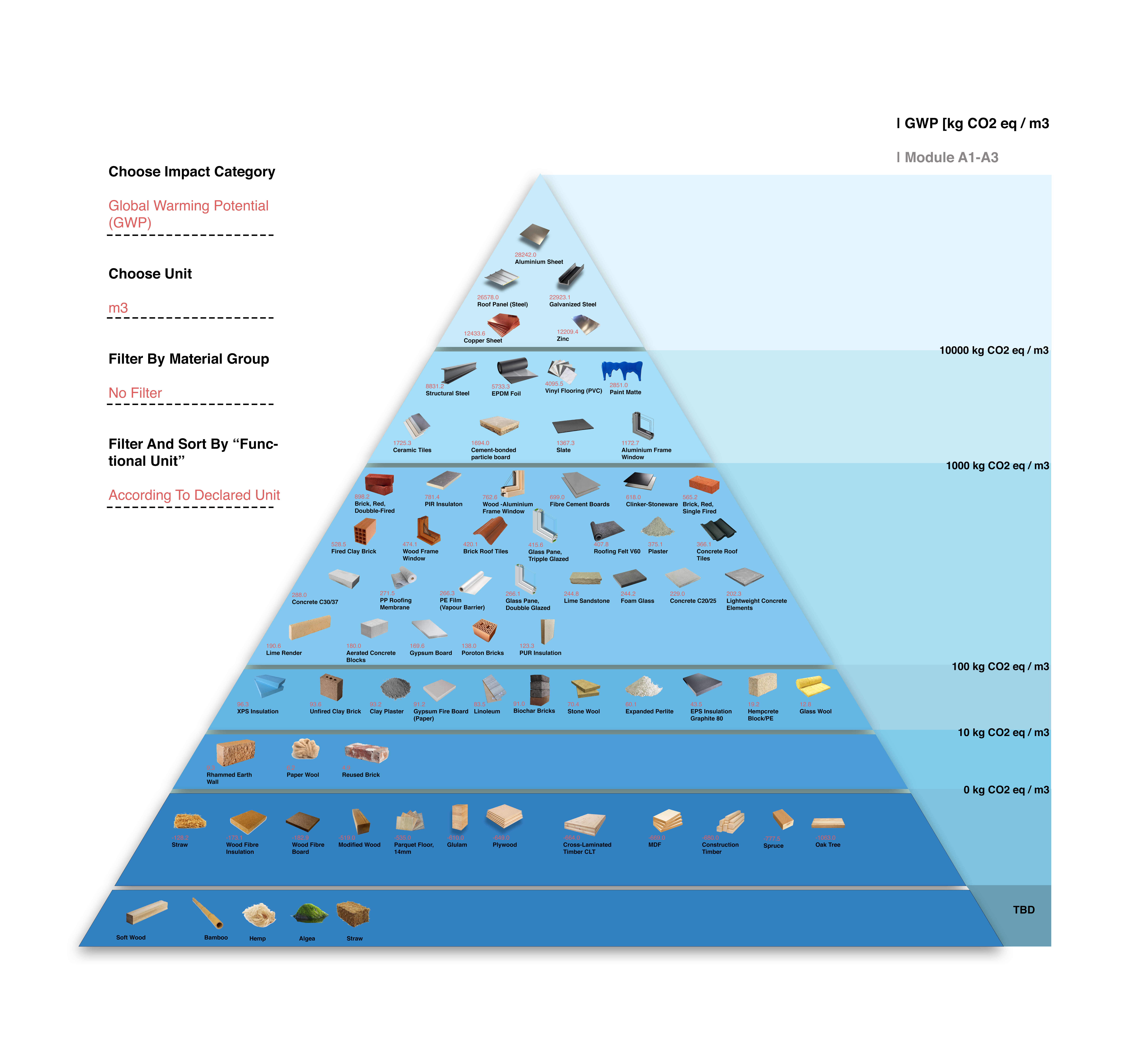
Emerging materials are a primary focus for MacDonald, who is eager to see how they evolve over time. Urban A&O has developed a “Carbon Triangle”, assigning all building materials is use, in addition to building materials in beta phase, sponsored by Urban A&O. The Triangle is based on a material’s Global Warming Potential (GWP), from highest to lowest. Steel is at the top and progressing to low carbon and carbon-sequestering materials, which absorb carbon, falling below “0” carbon at the bottom. This tool assists Urban A&O in material selections.
It is a particularly exciting period for architects, as it combines design talent, physical chemistry, and material properties to advance construction and building experiences. The pressure to meet 2030 climate goals adds to the urgency and excitement of maintaining beloved architectural elements, experiential architecture while constantly innovating.
Advanced Technology Projects
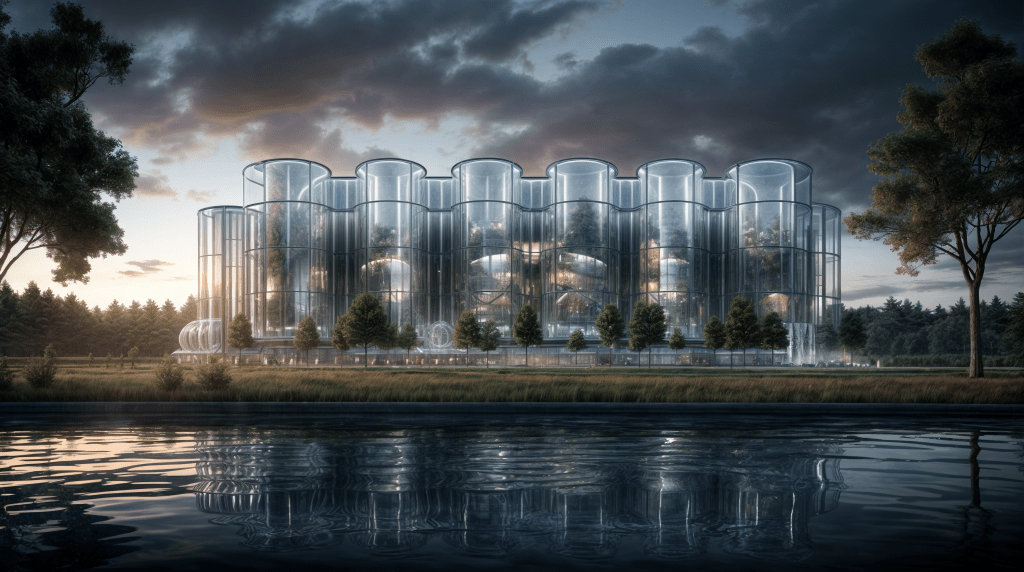
Urban A&O's journey into sustainability began in 2017, well ahead of the current trend. When discussing sustainability, the firm focuses on advanced, emerging technologies, many of which are supported by the U.S. Inflation Reduction Act (IRA). This act provides substantial subsidies for cleantech solutions, including small modular reactors (SMRs), which are new, prefabricated small nuclear reactors. Other technologies include pumped storage hydropower, a clean technology now receiving significant Federal funding, geothermal energy for powering buildings and generating electricity, and various fuel cells such as green hydrogen, blue hydrogen and synthetic gas fuel cells. These innovations are transforming clean energy sources and are being integrated into Urban A&O's projects.
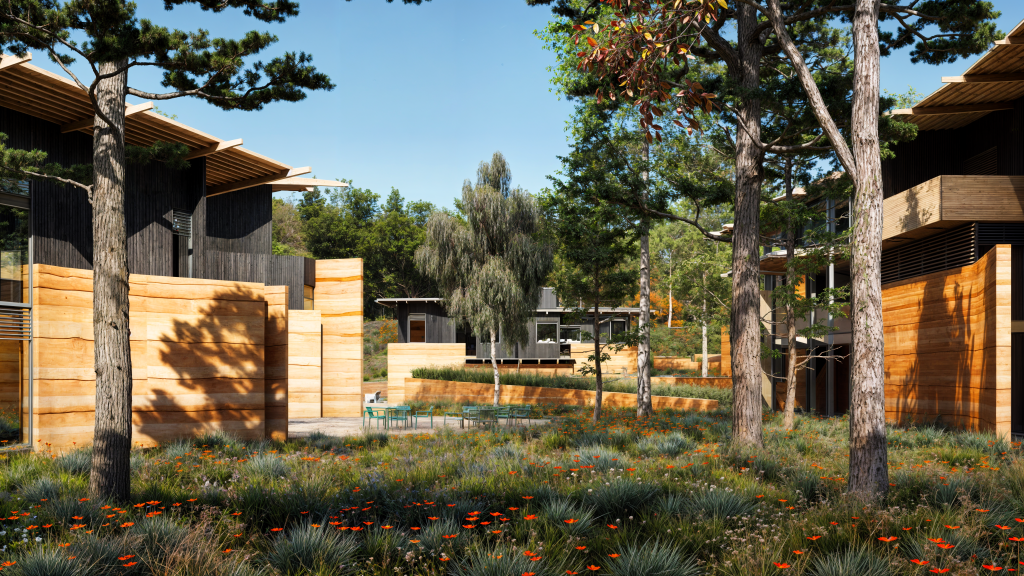
Urban A&O has two notable projects that have significantly influenced its trajectory. Often, developers approach the firm for feasibility studies, which provide a low-cost, high impact opportunity to showcase their skills and foster collaboration between client and architect. One such feasibility study led to an exciting low-rise Net Zero multifamily project in the Hudson Valley, upstate New York. This project, driven by the high demand for housing and sustainability, has successfully attracted investor funding due to its promising return on investment. Phase I of the Hudson Valley project is currently underway.
Another groundbreaking project is the development of what is expected to be the first Net Zero Eco Resort on Mykonos, and potentially the first of its kind in the European Union. Urban A&O is thrilled about both these projects, which exemplify their commitment to sustainability and innovative design.

Driving Net Zero: Commitment to Clean Tech
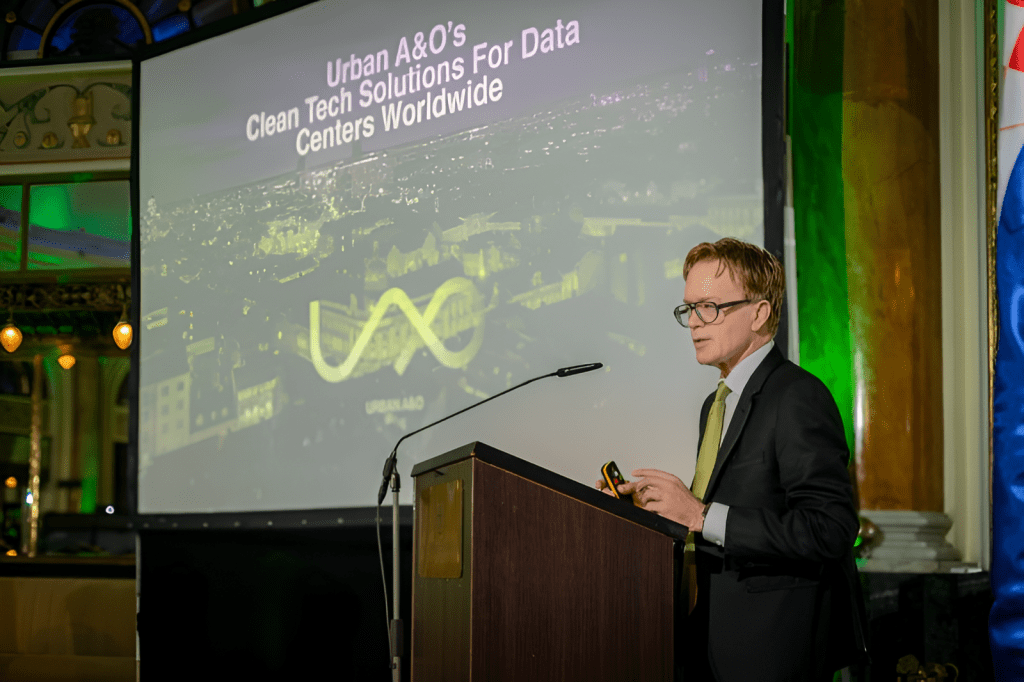
Urban A&O tackles the challenge of powering data centres with clean technology and reducing carbon emissions through innovative solutions. Recently, Joe MacDonald delivered a lecture in Zagreb, Croatia, on how cleantech is influencing the firm's data centre projects. The lecture covered hydro pumped storage, geothermal energy, and green hydrogen fuel cells, emphasising a forward-thinking approach rather than showcasing current client projects. Instead, it projected a vision for the next five to ten years in the drive toward Net Zero.
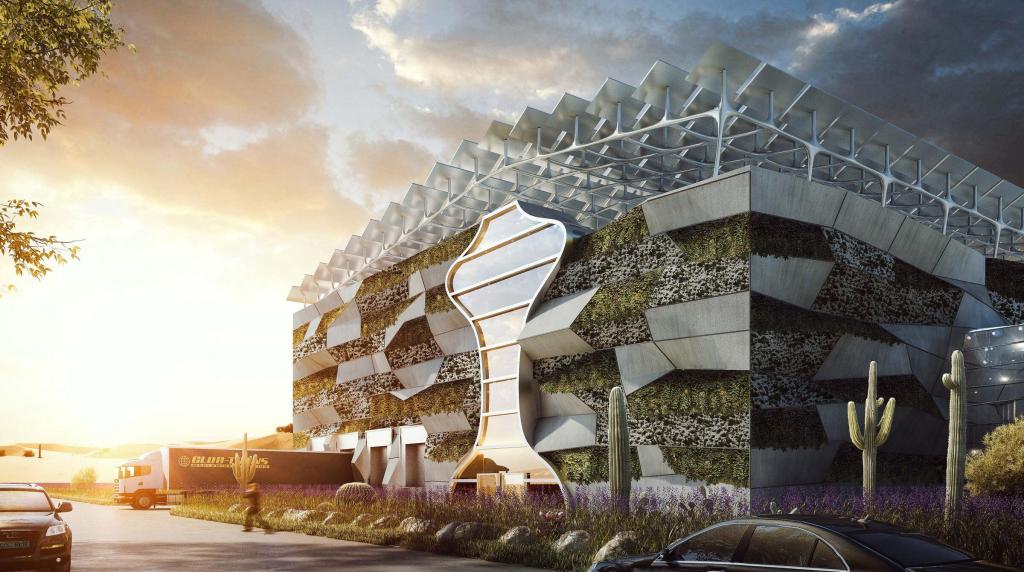
Since 2017, the firm has committed to ensuring that every new building project strives for Net Zero. This commitment stems from a responsibility to the planet. An example of this dedication is the recent groundbreaking of a passive house in Texas, featuring a 12,000 square foot hempcrete facade, marking the firm's first Net Zero facade.
The team continuously seeks design solutions beneficial for the environment. Surprisingly, much of the firm's business development occurs through Joe MacDonald's LinkedIn profile and the firm's online portfolio. This approach has attracted significant funding for projects like the first Network Eco Resort in Mykonos, a €60 million investment, and Phase I of a Net Zero Community Development in Upstate New York, a $50 million project. These large-scale initiatives aim to rethink building and living interactions, moving away from single-family residences to community developments with a co-living model, a shift seen as crucial for sustainable urban and suburban living.
Reflecting on a discussion we had three years ago; the primary objective of that conversation was to define and describe Net Zero concepts. Fast forward to the present, Urban A&O is not only advocating for Net Zero but also building these projects. Clients are drawn to the firm's advocacy and recognize the return on investment (ROI) for such sustainable projects. This shift illustrates a unique scenario where the architecture firm, rather than the developer, drives the project.
Balancing Financial Opportunity and Net Zero Goals
The firm’s robust sustainability credentials have streamlined the process of securing venture capital funding. For larger projects, introductions to major investors often come through colleagues or clients, drawn by the compelling combination of Net Zero initiatives and attractive return on investment (ROI). Over the past three years, there has been a marked shift in the financial sector towards renewable energy mandates. Developers now seek projects with at least 50% renewable energy components, driven by investor clients demanding responsible and sustainable investing.
As Urban A&O enters its 20th year, it has evolved into an architect-developer role, taking equity in its projects. This strategy not only covers architectural fees but also generates capital to drive further innovation. A cornerstone of their approach is the aforementioned "carbon triangle," a tool guiding material selection towards zero and below-zero carbon options. This framework is continually updated as new materials and carbon-sequestering technologies are discovered.
The firm also actively supports startups focused on innovative building materials. For example, Joe MacDonald serves on the board of a biochar group exploring below-zero carbon materials like hemp, algae, and straw. These initiatives align with Urban A&O’s broader vision to advance the Net Zero target from 2050 to 2030, striving to construct as much as possible within the next six years to meet future sustainability goals.
Equity in Projects for Community-Centric Development
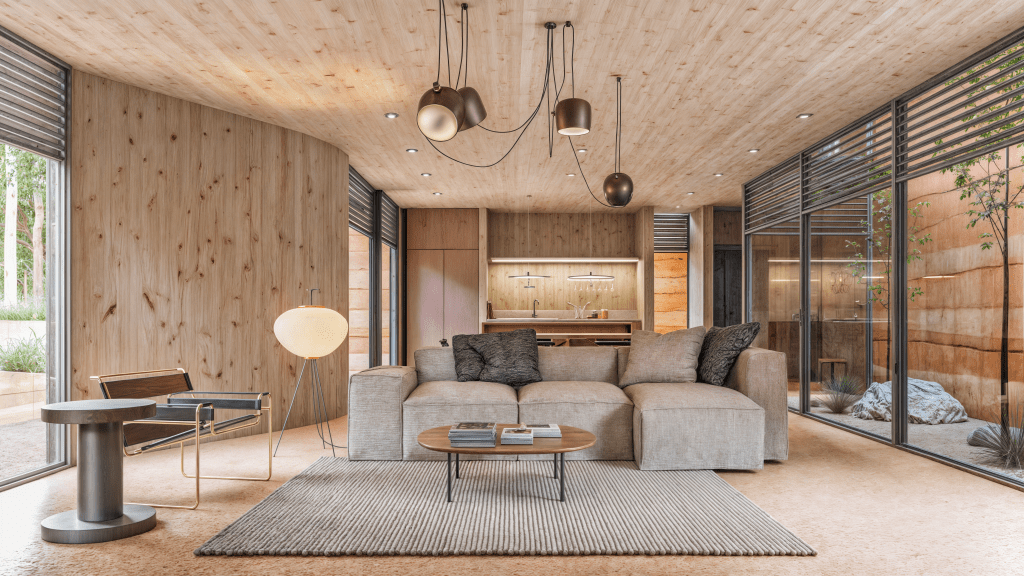
Urban A&O’s innovative approach to taking equity in projects empowers the firm to shape both building materials and programmatic elements. This strategy aligns seamlessly with their philosophy that all architecture should be experiential, emphasizing the creation of spaces and how they are inhabited. This inclusive approach ensures that architects, developers, and future residents or users all have a stake in the project’s success.
In the Net Zero community development in Upstate New York, community engagement is not seen as a hurdle but as an opportunity to showcase alternative ways of living. This is particularly relevant in America, where traditional single-family residences with two-car garages are the norm. Urban A&O’s community design, featuring peripheral parking and ensuring everything is within a 10-minute walk, promotes a more sustainable and connected lifestyle. Drawing parallels to Fire Island, where residents use carts for grocery transport, Urban A&O integrates low-tech solutions into their high-tech architecture, demonstrating that practical and sustainable approaches can transform our living environments.
Engaging potential residents, especially during the COVID-19 pandemic when many Manhattanites moved upstate, Urban A&O taps into a demographic passionate about the environment, social constructs, media, and global politics—primarily Millennials who seek sustainable living options in the Net Zero community development currently underway.
Urban A&O’s sustainability credentials also extend to their investment in low-carbon materials, guided by the "carbon triangle," which continually pushes the envelope on sustainability. While the U.S. may lag the EU in federal mandates, progressive policies in cities like New York and Boston; and states such as California, New York, New Jersey are setting ambitious decarbonization targets. The Inflation Reduction Act has further supported new technologies, enhancing the grid's capacity to handle increased electrification.
Joe MacDonald’s extensive travel schedule in 2023, including lectures in Bangkok, Dubai, COP 28, San Francisco, Dallas, and London, highlights Urban A&O's global influence. These engagements often lead to collaborations with developers eager to adopt Net Zero practices, and discussions with subject matter experts who share their Net Zero initiatives, fostering a collaborative and innovative environment.
Looking ahead, Urban A&O aims to solidify their commitment to sustainability through both words and deeds. The firm envisions a robust track record of built projects that exemplify Net Zero principles from both material and experiential perspectives. As an international firm based in New York City, Urban A&O seeks to shift the American mindset towards sustainability, finding that public and professional perceptions are increasingly receptive. In five years, Urban A&O anticipates a significant impact on the architecture and development community, advancing and embracing sustainability as a standard practice.
The innovative design of the Texas residence, with its brick pattern resembling a flock of birds, garnered attention from two editors who requested first rights to publish the project. This recognition underscores the architectural significance and innovation that Urban A&O brings to its projects, demonstrating that their approach is resonating within the industry and contributing to the evolution of sustainable and computationally driven design.
Innovation and Collaboration to Achieve Global Impact
Innovation and collaboration flourish when driven by a team of forward-thinking individuals. Urban A&O recently concluded a successful hiring cycle, expanding its team with key figures like Benjamin Santos, the Chief Computational Officer based in Bogota, who recently received several awards for his contributions.
In addition to expanding its team, Urban A&O launched a newsletter titled "The Net Zero Carbon Strategist," authored by Joe MacDonald. Published on LinkedIn, this newsletter quickly gained popularity, amassing 1,400 subscribers within just four hours of its release, reflecting the firm's strong commitment to sustainability and innovative solutions and LinkedIn’s user appetite for this kind of content.
The recent hiring cycle attracted hundreds of applications, allowing Urban A&O to select a few outstanding individuals. Joe, Benjamin, and Angelos’ work collaboratively both within the firm and with external partners. For example, Joe recently met with Kritika Kharbanda, the Head of Sustainability at Henning Larson in New York. They are planning a brainstorming session to exchange ideas and enhance their skills, ensuring their approaches remain fresh and innovative.
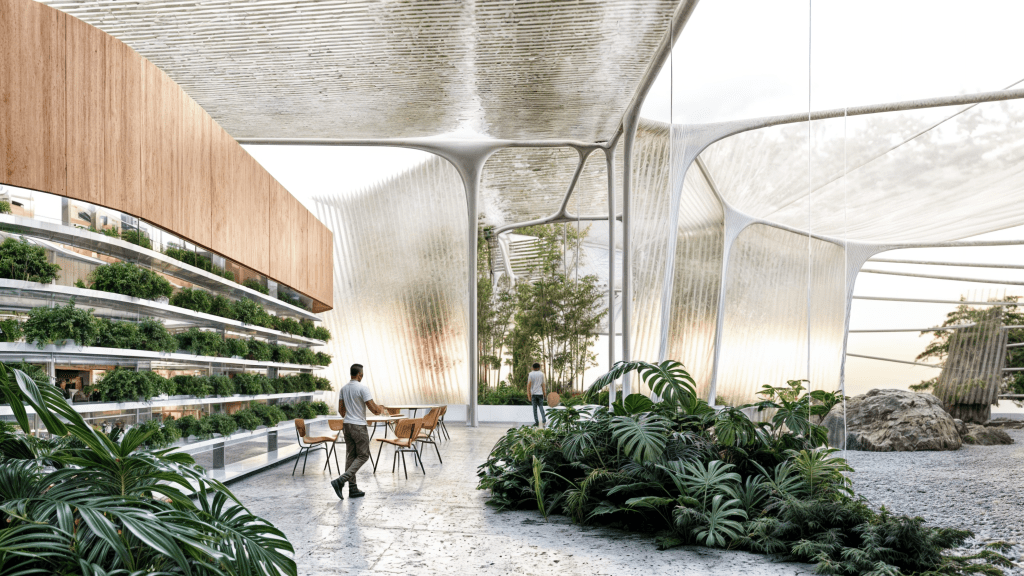
Urban A&O dedicates significant time and resources to innovation. A prime example is the Helsinki Hybrid project, a data centre featuring robotic vertical farming and encased in a public greenhouse. This project, which received a subsidy from Finland, is believed to be the first Net Zero data centre globally. The team employed AI to conduct environmental calculations for heat transfer from the data centre to warm the greenhouse. This collaborative effort between Joe and Angelos has garnered several awards, including Best SDG Impact Global, Best SDG Impact 11 – making cities and human settlements inclusive, safe, resilient and sustainable, and a prestigious Rethinking the Future Award.
The firm also invests in internal research, transforming some client projects into research endeavours. The Helsinki Hybrid project evolved into a research initiative for Urban A&O and is now being explored by Microsoft. By allowing staff members to independently tackle design challenges, such as achieving Net Zero for data centres, the firm fosters innovative solutions. Currently, Urban A&O is applying Smart City principles to new projects, often designing them without initial clients. These projects are later showcased on the firm's website, attracting clients afterwards, representing a reverse model and financial acumen.
Innovation and collaboration at Urban A&O lead to impactful projects that benefit the planet. With the rising demand for data centres driven by the growth of AI, it is imperative to meet this demand with cutting-edge, low carbon, sustainable solutions.
Ethos: Beyond Certifications to a Holistic Commitment
Urban A&O distinguishes itself not by merely pursuing certifications, but by developing a unique and clear ethos centered on sustainability and innovation. This approach sets the firm apart from others that lack a distinct guiding principle. Such niche practices, committed to a particular ethos, are likely to succeed beyond those without a defined direction.
A commitment to Net Zero has attracted top talent who share and support this vision. This collective dedication is a testament to the firm’s ethos, which emphasises the importance of sustainable practices. Over the years, this focus has drawn high-caliber professionals who prefer to align with firms that have a strong, clear mission.
Moreover, the practice extends beyond traditional architecture. Community engagement and mentorship play significant roles. The firm actively mentors startups, contributing to the broader architectural community by fostering innovation and supporting emerging talent. This holistic approach enriches the practice, ensuring that it is not just about building structures, but also about nurturing communities and future leaders in the field.
Joe MacDonald has embraced sustainability, design innovation, and the mentorship ethos that has shaped his career. His commitment to fostering a culture of inclusivity, rapid problem-solving, prototyping and continuous learning ensures that Urban A&O remains at the forefront of architectural innovation. The firm’s holistic approach not only advances architectural design but also nurtures community and environmental responsibility. It sets a compelling example for the industry, proving that financial viability and a strong commitment to the planet can go hand in hand.
Looking ahead, MacDonald's legacy extends beyond individual projects or accolades; it lies in the lasting impact of his mentorship, the spirit of innovation he instils in his team, and the sustainable designs that will shape the built environment for generations to come. In a world where the intersection of design, technology, and sustainability becomes increasingly vital, Joe MacDonald and Urban A&O drive positive change leaving an indelible mark in architecture.