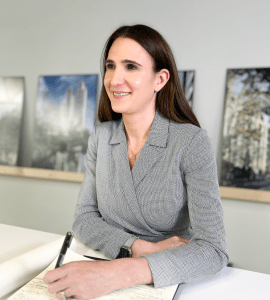
In the realm of workspace design and strategy, few individuals possess the breadth of experience and depth of expertise as Kay Sargent. As a Senior Principal and the Director of Thought Leadership in HOK's Interiors group, Kay's passion for leveraging design to transform how and where people work is palpable. With 39 years of experience under her belt, she stands as a recognised expert in the field, known for her innovative approach and award-winning designs.
Based in Washington, D.C., Kay leads project teams that tackle clients' business and organisational challenges related to real estate, strategic planning, and workplace design. From tech startups to Fortune 500 companies, she collaborates with a diverse range of organisations to optimise their real estate portfolios and create cutting-edge work experiences. She was recently selected from her field of peers to provide Congressional Subject Matter Expert Testimony to the U.S. House of Representatives on “Federal Real Estate Post-COVID-19: A View from The Private Sector” and has since been called her shared her expertise with Congressional Committees multiple times.
She is a member of the International Interior Design Association's College of Fellows, a prestigious group of designers whose work has significantly influenced the profession. Additionally, the American Society of Interior Designers has honoured her with its highest award, recognising her as a "Designer of Distinction" for her excellence in interior design and membership into the ASID College of Fellows, Beyond her work at HOK, Kay serves on several advisory boards, including the Delos Advisory Board. She has been on the international board of directors for AVIXA, IIDA, ASID, NCQLP, CoreNet Global and IFI. She is deeply committed to advancing the field of workspace design, evident in her involvement with organisations like CREW and IFMA.
Throughout her career, Kay has authored numerous reports and articles on workplace design and has spoken at industry events worldwide. Her dedication to thought leadership and mentorship is evident in her role as a founding member of the D.C. chapter of UPWARD, a network dedicated to advancing women in the workplace.
Kay Sargent reflects on her career journey, pondering the legacy she and her peers are leaving for the next generation of designers and workers. She questions whether the environments they create are truly compelling, whether they provide enough challenges and opportunities for growth and whether we are truly addressing the real issues of the day. Sargent hopes the answer is a resounding yes. Sara Kolata agrees, emphasising the importance of this perspective. As someone who regularly engages with professionals, she notices a trend among seasoned individuals towards mentorship and legacy-building. They both acknowledge the critical role mentors play in shaping the industry's future.


Crafting Spaces: Workspace Design
Kay Sargent recalls the early sparks of her passion for architecture and workspace design. Reminiscing about her childhood, she recounts how she would eagerly sketch house plans during her parents' gatherings at just 10 or 11 years old. Her fascination with design continued to grow, leading her to enrol in a drafting class in high school, where she found herself as the lone female student—an experience that was both empowering and isolating.
During college Sargent found herself immersed in the world of design during college. Delving into interior design and exploring the human-centric approach to design, she quickly realised her affinity for crafting spaces that prioritise the needs of their occupants.
Transitioning into the professional realm, Sargent found herself at the forefront of technological advancements, embracing computer-aided design and drafting (CADD) during its infancy. Her early adoption of technology led her to introduce one of the first CADD departments in a Washington DC architectural firm, setting the stage for a career defined by innovation and forward-thinking.
Specialising in workspace design throughout her career, Sargent's tenure in Washington DC saw her spearheading numerous high-profile projects for government agencies. From sprawling office renovations to specialised spaces like press rooms, holding cells, and courtrooms, she relished the opportunity to tackle a diverse array of design challenges.
Navigating Evolving Needs and Societal Shifts
Kay Sargent reflects on the evolution of the workspace design field, noting the significant shifts that have occurred over the years. She highlights the explosion of interest in work and workplace-related matters in recent times, citing unprecedented focus from professionals and stakeholders alike. Drawing from her extensive experience, Sargent recalls previous industry cycles, such as the introduction of accessibility regulations in the early 90s and security concerns following terrorist attacks in the mid-90s.
Transitioning into the late 90s and early 2000s, she discusses the challenges posed by rapid expansion and subsequent consolidation, as well as the rise of sustainability and well-being movements. Sargent emphasises the dynamic nature of the profession, where change is constant and new opportunities continually arise for those willing to explore them.
She also acknowledges the heightened attention on workspace design post-pandemic, noting the widespread impact on office spaces, with some remaining empty while others adapt to new ways of working trends. Kay highlights the global shift towards remote work and the implications for architecture, stressing the need to address these changes as opportunities to embrace a new ecosystem of places.
Affirming the ongoing relevance of physical workspaces despite advancements in remote technology, Kay underscores the social nature of humans and the inherent value of face-to-face interaction, while also acknowledging the newfound capabilities enabled by technology. However, she cautions against overlooking societal shifts, including increased workloads and accessibility, urging a holistic approach to workspace design that considers these multifaceted factors.

Future of Workspaces: Embracing Flexibility, Belonging, and Inclusivity
Looking ahead, the future of workspaces is a topic ripe for exploration. Kay Sargent weighs in on this matter, highlighting several key considerations. Firstly, she emphasises the importance of designing workplaces as vibrant, engaging environments that prioritise the needs and experiences of individuals—a principle that should have been fundamental all along. Many clients, she notes, have already embraced this approach, incorporating elements like flexibility and choice into their office designs.
However, Kay observes a shift in the concept of gathering spaces. The traditional model of cramming as many chairs as possible around a rectangular table with a screen at the end no longer suffices. Instead, there's a call for intentional design that fosters belonging and connection, aligning with the organisation's mission and values, particularly important for the socially conscious younger generation.
Kay also noted the importance of going beyond sustainability and the growing emphasis on regeneration—creating spaces that not only minimise environmental impact but actively contribute to positive change. Inclusivity is another crucial aspect, with research delving into neurodiversity and how the built environment affects people.
Kay stresses the importance of data-driven approaches, where understanding a company's organisational DNA and the needs of its employees leads to tailored solutions. She underscores the complexity of modern work dynamics, recognising that not everyone can or should work remotely, and emphasising the need for a nuanced understanding of each organisation's unique circumstances.
Leadership Insights: How Diverse Experiences Inform Workplace Design and Strategy
Throughout her career, Kay Sargent has held various leadership positions at renowned organisations, offering a wealth of experiences that have significantly influenced her approach to workplace design and strategy.
Reflecting on her diverse professional journey, Kay emphasises the breadth of her experiences, having worked across multiple continents and collaborated with a wide array of companies. She finds inspiration in the innovative ideas and enthusiasm of younger colleagues, noting their ability to embrace different perspectives and approaches.
Kay underscores the value of exposure to diverse contexts, including different industries, cultures, and regions. By observing what works—and what doesn't—in various settings, she gains insights into the nuanced dynamics of workplace design and strategy. She acknowledges the importance of understanding why certain approaches succeed in specific contexts while recognising the need for adaptability in translating these practices elsewhere.
Driven by an insatiable curiosity, Kay approaches each new environment with a desire to comprehend its cultural nuances and how they intersect with workplace dynamics. She views this curiosity as her greatest asset, enabling her to uncover insights that inform tailored solutions for clients. Through this continuous process of exploration and learning, she remains committed to identifying the most effective strategies for creating impactful and adaptive workspaces.


HOK's Approach to Design and Identity
Speaking about her contributions to the office at HOK and the principles guiding her approach, Kay Sargent affirms a commitment to embodying key principles in workplace design.
Across several recent office redesign projects, Sargent and her colleagues prioritise creating diverse options and choices, empowering individuals, and addressing sustainability and inclusion. They aim to craft vibrant spaces that reflect the essence of their core design principles, showcasing their work and values with pride. Sargent reflects on a time when many office spaces failed to communicate the company's identity clearly, noting a positive shift towards greater integration of mission, culture, and brand into workspace design.
She underscores the importance of the workplace as a physical manifestation of an organisation's ethos, emphasising the role of experience design in articulating identity and fostering a sense of belonging. For Kay, walking into an HOK office means encountering tangible evidence of the company's accomplishments and aspirations, instilling a sense of pride and purpose in employees. This holistic approach to workplace design ensures that every aspect of the office environment reinforces a collective sense of identity and purpose among its occupants.
Transforming Spaces with Vision and Innovation
In discussing challenging projects she has tackled, Kay Sargent reveals the intricacies inherent in many of their endeavours. Often, these projects involve spaces that have gone untouched for decades, presenting a myriad of complexities stemming from outdated infrastructure and entrenched perceptions.
Kay acknowledges a prevalent obstacle faced by clients: a desire for change without a clear vision of what that change entails. As seasoned designers, she explains, they possess a depth of knowledge and experience that clients may not have had, making it imperative to guide them towards new possibilities.
To address this challenge, Sargent and her team have adopted a proactive approach, which they term "framing the possible." This methodology involves facilitating client engagement to help them envision the potential of their space and understand that maintaining the status quo will not yield the desired transformation.
Throughout the project journey, Kay encounters moments of resistance from clients accustomed to their existing practices. However, she emphasises the importance of gently steering them towards embracing new ideas and approaches. Despite the inherent challenges, she finds fulfilment in witnessing the client's excitement when they grasp the transformative possibilities for their space. This process of guiding clients through envisioning and realising a new reality epitomises the rewarding and dynamic nature of their work.


Thought Leadership for Clarity
Kay has authored numerous white papers and articles on various design-related topics, reflecting her passion for thought leadership and innovation. In discussing how she stays ahead of emerging trends, Sargent reflects on the genesis of her interest—a blend of recognising the overwhelming influx of conflicting information in the industry, leading to client indecisions.
Acknowledging the abundance of contradictory opinions in the field, Kay emphasises the importance of grounding design decisions in a scientific approach. To address this, she and her team have developed a comprehensive process informed by research and thought leadership, aimed at providing clients with clarity and justification for their design choices.
Drawing on the collective expertise of her diverse team, Kay underscores the value of collaboration in refining their methodologies and insights. By actively engaging with diverse perspectives and staying connected to global trends through conferences and market exposure, they remain attuned to emerging opportunities and challenges on the horizon. Ultimately, Sargent's commitment to thought leadership lies in sharing knowledge and applying rigorous methodology to empower clients and navigate the evolving landscape of design with confidence and foresight.
In discussing the importance of staying updated, Kay emphasises the value of staying informed, networking with diverse individuals, and sharing insights. She acknowledges her own curiosity, noting the need to delve deeper into emerging topics such as artificial intelligence and its implications for the future of work.
Sargent highlights the ongoing research her team conducts on such topics. Despite constant change over the years, she stresses the significance of remaining vigilant and informed about evolving trends, recognising their potential impact on future developments. This proactive approach to tracking and understanding emerging themes ensures that Kay and her colleagues are prepared to anticipate and navigate the ramifications of these trends as they unfold.
Fostering Creativity and Collaboration
Collaboration and innovation serve as fundamental drivers in workplace design, promoting creativity and teamwork. Kay emphasises the firm's commitment to design excellence, viewing it as a shared passion that resonates throughout the organisation. This dedication inspires team members to push boundaries, challenge assumptions, and strive for innovation in their work. Sargent highlights the importance of strong intent and rigorous critique, facilitated through design charrettes, which serve as valuable forums for focused discussion and refinement.
Acknowledging that some clients may have established guidelines and standards, Sargent emphasises the firm's ethos of continuous improvement and boundary-pushing. Rather than viewing constraints as limitations, they see them as opportunities to innovate and exceed expectations. This culture of embracing challenges and aiming for excellence fosters a desire to continually raise the bar and pursue ambitious design solutions.
Wellness in Workplace Design: Embracing Innovation and Inclusivity
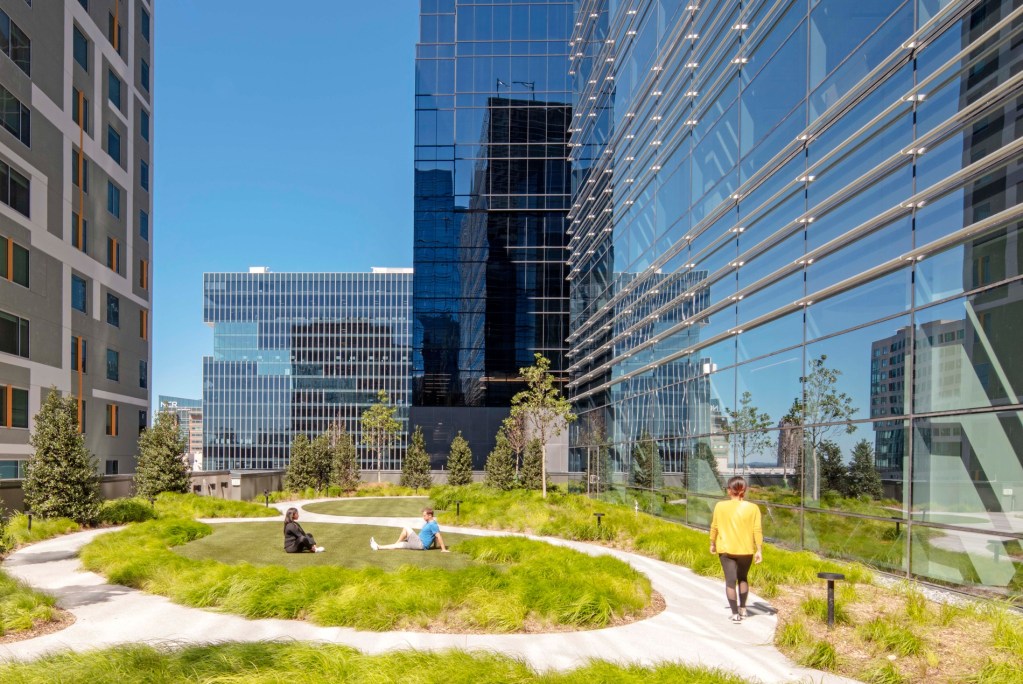
In discussing the growing importance of health and wellness in workplace design, Kay highlights the firm's longstanding involvement in promoting health and wellness, dating back approximately 15 years. Their participation in the development of standards and ongoing advisory roles reflects a commitment to pushing boundaries and advancing the field. Sargent emphasises the firm's proactive approach to incorporating principles of health, wellness, sensory processing, cognitive well-being and neuro-inclusion into their design strategies.
Moreover, the firm's efforts go beyond existing standards by partnering with organisations like the IWBI to incorporate well-being and neurodiverse principles. This initiative aims to broaden inclusivity within design standards, reflecting the firm's dedication to addressing diverse needs comprehensively. The firm's holistic approach extends beyond sustainability to regeneration, with the appointment of a dedicated director focusing on this aspect. This dedication creates work environments that prioritise health, inclusivity, and sustainability.
Harnessing Technology for Design Excellence
In leveraging technology to optimise functionality and user experience in work environments, the firm has a proactive adoption of innovative tools and approaches. Kay underscores the importance of embracing technology early on, citing the firm's pioneering adoption of Building Information Modeling (BIM) as an example. This forward-thinking approach ensures that projects are executed with efficiency and precision, enhancing overall project outcomes.
Kay highlights the firm's commitment to experimentation with emerging technologies such as the metaverse and artificial intelligence. By integrating advancements into their design processes, the firm seeks to stay at the forefront of industry trends and deliver cutting-edge solutions to clients.
Drawing on the firm’s experience in managing large and complex projects like LaGuardia Airport and Mercedes-Benz Stadium, Sargent emphasises the role of technology in facilitating design excellence., She shares the firm’s development of ‘Stream’, a proprietary tool developed by the firm to streamline engineering processes and accelerate decision-making. This innovative tool enables the rapid generation of engineering scenarios, empowering the team to explore multiple design options efficiently and ultimately deliver superior outcomes.


Nurturing Future Leaders and Shaping the Workspace of Tomorrow
In discussing mentorship and professional development, Kay highlights the firm's formal mentoring process, which spans across offices and sectors, yielding significant success. Additionally, initiatives like scholarship programs, university partnerships, and guest lecturing support the growth of emerging talent. Kay’s commitment to nurturing future leaders is also evident in her involvement with the firm's training of emerging leaders aimed at setting them up for success.
Acknowledging the organisational commitment to diversity, equity, and inclusion, Kay discusses the establishment of dedicated groups and processes aimed at integrating these principles into every project from its inception. This proactive approach ensures inclusivity and community engagement throughout the design process, from inception to implementation. By integrating principles of diversity, equity, and inclusion into every project, Kay and her colleagues ensure inclusivity and community engagement from the outset.
Looking ahead, Kay envisions a future where workspace design evolves into an ecosystem of versatile spaces. Emphasising the shift towards shared spaces and access over ownership, she emphasises the importance of creating equitable, engaging environments that foster collaboration and connection. This holistic approach to workspace design reflects the firm's commitment to addressing evolving human needs and societal trends.
As Kay Sargent reflects on her career and the legacy she is leaving for the next generation of designers and workers, she ponders whether the industry is truly asking the right questions, pushing the boundaries and addressing not only the workplace but work itself. With a shared hope for a resounding "yes," she emphasises the importance of tackling the big issues and setting up the next generation of designers shaping the industry's future.
Looking ahead, Kay envisions a future where workspace design embraces flexibility, belonging, and inclusivity. By prioritising the needs and experiences of individuals and fostering collaboration and connection, she aims to create vibrant environments that inspire and empower all who inhabit them. With her dedication to innovation and excellence, Kay is poised to shape the workspace of tomorrow, leaving an indelible mark on the industry for generations to come.