
With a rich academic background from the Oxford School of Architecture, Oxford Brookes University, and Bartlett University College London, Lina Lahiri has distinguished herself as a visionary in the field since obtaining her diploma in 2005. She is a project-leading architect and member of the Executive Group and Business Development Team at Sauerbruch Hutton. Her accolades include winning the prestigious 1st prize at the Europan Competition in 2009, marking the beginning of a stellar career trajectory.
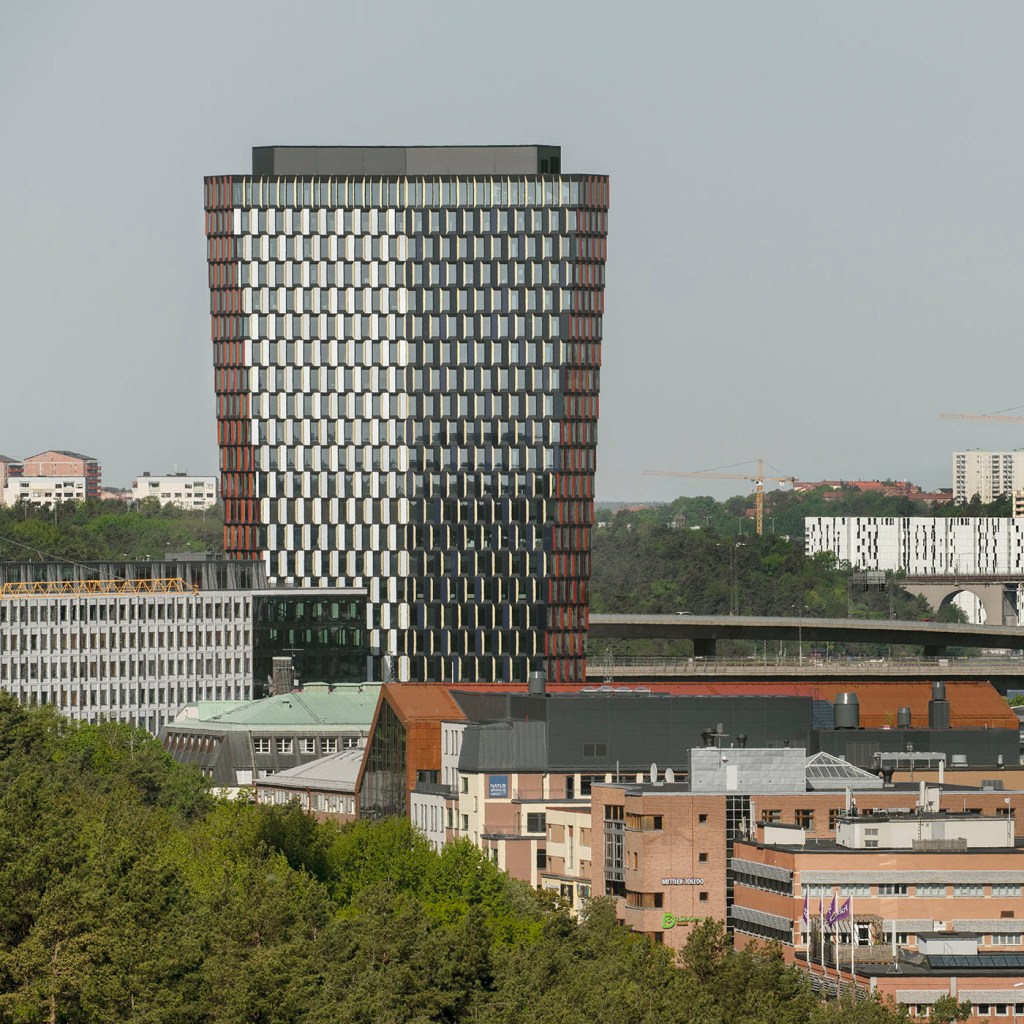
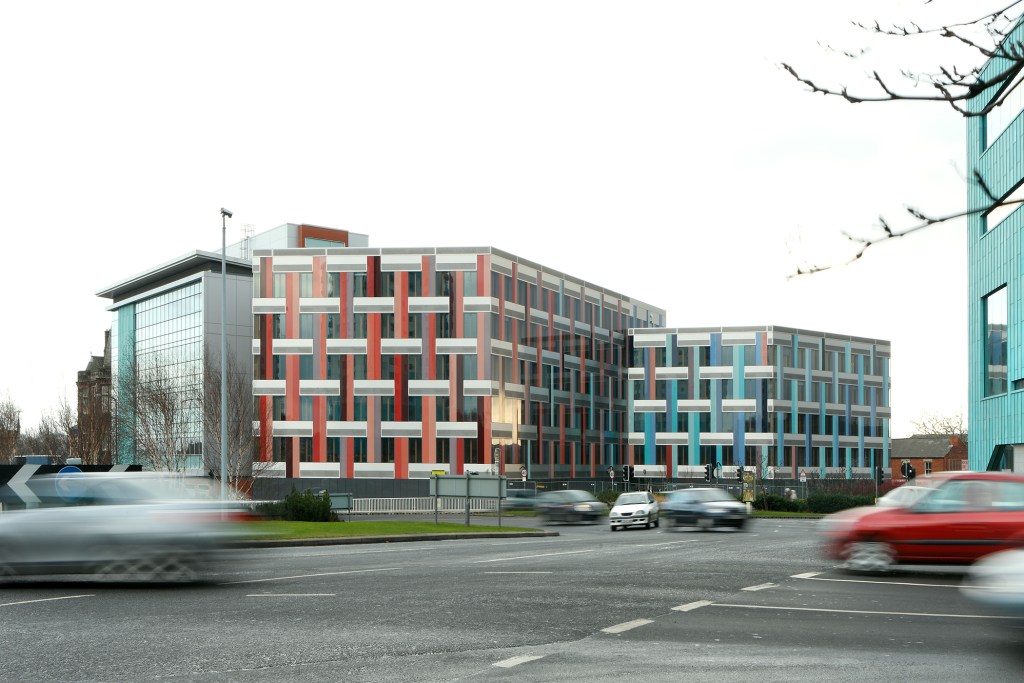
Joining Sauerbruch Hutton in 2005, Lahiri has contributed to significant projects such as Jessop West for the University of Sheffield and Stockholm 01, Stockholm, a Leed Platinum high rise in Stockholm. Beyond her architectural achievements, Lahiri is interested in working with students and co-run a summer school at IIT, Chicago last year with Prof. Christopher Groesbeck. She shares her expertise through guest lectures at universities, conferences, and symposiums worldwide. She is also an external critic at esteemed institutions such as Dalhousie University, the University of Hong Kong, and TU Berlin.
In 2020, the office structure was changed at Sauerbruch Hutton, the responsibilities were spread among 16 partners in equal parts. This broad base creates a flexible and dynamic environment that fosters the preservation and development of their common values.
Lina’s dedication to research and innovation is evident in her role as a co-founder of SHift, Sauerbruch Hutton's internal research and innovation branch.
Leadership and Evolution in Architecture
With two decades of experience in the field, Lina’s career evolved in unexpected ways. At 25, she started as a project manager, collaborating with Louisa Hutton on a significant project in Sheffield, UK. Although she occasionally contemplated a career change, she consistently found herself involved in remarkable projects, which kept her anchored in Berlin.
Lina’s approach is rooted in dialogue-based leadership. The focus is always on the project, and the best idea, regardless of whether it comes from a student or a senior partner, is adopted. Design reviews occur every two to four weeks, during which projects are discussed. Team managers or leaders steer the team towards desired design decisions while ensuring that new or less experienced team members' good ideas are heard and considered. Listening is a crucial aspect, not just to the team, but also to clients and the city, allowing the integration of valuable information into the building process.
Maintaining curiosity is essential, as it prevents stagnation and fosters innovation. Avoiding the mindset of dismissing ideas because they didn't work before is key to pushing boundaries and surprising both clients and oneself with successful outcomes. Enjoying the work is vital; without passion, the job's challenges become insurmountable. Ensuring that both the team and clients find joy in the process is crucial for success.
Having a diverse portfolio is important to avoid dependence on specific client groups and to recognise that even seemingly mundane jobs can become special with the right approach. Openness to different markets, new programs, and diverse ways of working is essential. In the context of architecture, especially in Germany, where there is a growing emphasis on reusing buildings rather than constructing new ones, architects face the challenge of staying relevant. The role of architects must adapt to this trend, positioning themselves as experts in reusing and repurposing buildings to create beautiful and exciting environments.
Embracing this challenge involves understanding how to contribute to the evolving field and ensuring that the built environments remain aesthetically pleasing and engaging despite the shift towards reuse.
Sustainability
She points out that sustainability is deeply ingrained in the firm's ethos, dating back to its founding in the mid-80s. Lahiri stresses that sustainability is not just a trend but a fundamental value that guides every aspect of their work. She underscores the centrality of sustainability in the firm's approach, tailored to each project's unique context and climate. Timber has become a significant trend, along with the use of reusable materials and innovations in clay and composite materials made from parts of other buildings.
Lina Lahiri discusses the current trends and challenges in business development within the European architectural industry, primarily focusing on Germany. She observes that over half of the competitions they participate in involve projects that focus on reusing existing structures rather than demolishing and rebuilding. This shift has become more pronounced over the past three to four years, with an emphasis on sustainable practices.
Client Collaboration
Making clients feel heard and understood, recognises their struggles and objectives. Architects can sometimes be perceived as adversaries due to their preference for complex and costly designs. Therefore, it's crucial for architects to remember they are building for clients, not acting as free artists.
Effective communication with clients is essential to help them understand the importance of various aspects of the building. While some clients are knowledgeable and clear about their desires, others may need guidance to achieve their goals. Lahiri highlights the architect's role in leading clients through the process and hopefully exceeding their expectations.
Reflecting on personal challenges within the rapidly evolving construction industry, Lahiri discusses the pressures of delivering Timber modular projects with quick turnovers. She candidly shares her difficulty when clients don't actively choose the firm, particularly in competitive situations where external factors influence selection.
Building trust with clients is paramount, and Lahiri underscores the importance of demonstrating the firm's expertise and reliability to earn that trust. Despite challenges, Lahiri finds fulfilment in successful collaborations, especially when clients come to trust and value the firm's expertise.
Innovation and Collaboration in Cost-Conscious Architecture
Lina Lahiri highlights that disagreements about costs are a common issue in architectural projects. She emphasises the importance of maintaining an open dialogue with clients to address these concerns effectively. In Germany, architects have the advantage of managing both specifications and cost control in-house, allowing for better guidance on budget allocation. This approach enables architects to understand client budget constraints and suggest reallocations to streamline construction without compromising the building's quality.
Lahiri believes it is crucial for everyone involved in a project to feel invested and valued, regardless of their role. She acknowledges that there are tedious tasks in architecture, some of which might eventually be handled by AI, but underscores the importance of individuals feeling ownership over their contributions. This sense of ownership fosters a sense of achievement at the end of the day.
Lina reiterates the value of good ideas, stating that it doesn't matter who generates them. The firm also focuses on internal education and innovation through its shift lab, which encourages team members to engage in continuous learning and participate in research projects with universities. This lab fosters innovation by reviewing past projects and pushing the boundaries of design, enabling the team to build on previous successes and enhance future projects.
Travelling is also seen as a significant source of inspiration and innovation. With a highly international team, where more than 60% are non-German, the firm benefits from diverse perspectives and ideas. This multicultural environment contributes to a dynamic and innovative approach to architecture.
Global Expertise and Industry Collaboration
Lina Lahiri notes that team members, having studied in various parts of the world, bring diverse expertise to the firm. When these different perspectives and technical know-how merge, it becomes one of the office's greatest assets.
The firm also has a group of specialists focused on innovation in areas such as facades, timber, and concrete structures. These specialists are allocated dedicated time to conduct research, ensuring they remain at the forefront of their fields.
Maintaining a dialogue with industries is crucial. The firm often collaborates with industry partners, sometimes even at the competition stage. This is particularly true when working with timber manufacturers, involving them as early as possible to keep pace with the rapid developments in the field.
Lina Lahiri highlights the importance of collaborating closely with factories or manufacturers during the initial design stages. She explains that this collaborative approach accelerates the development process significantly, as both parties push each other to innovate. Lahiri emphasises the advantage of having the freedom to choose collaborators during the competition stage.
Fostering Knowledge Exchange
The diverse composition of their team spans from Bachelor students to seasoned professionals with nearly three decades of experience. She underscores the significance of internal knowledge exchange within the team, acknowledging that learning flows in both directions. Lahiri highlights the valuable contributions of recent graduates, particularly in areas like technology, new materials, and pushing architectural boundaries.
Conversely, experienced team members offer invaluable insights into detailing, avoiding mistakes, and maximising material potential. This collaborative environment fosters a sustainable team culture, where continual growth is encouraged for all members. Lahiri mentions their colour-coded team system, ensuring diversity within project teams to facilitate varied perspectives and approaches.
In conclusion, Lina Lahiri's journey in architecture reflects a commitment to innovation, sustainability, and collaboration. Lahiri's career trajectory embodies adaptability and growth. Through dialogue-based leadership Sauerbruch Hutton navigates complex projects, ensuring that every voice is heard and valued. Their dedication to sustainability is evident in their approach to design, embracing trends like timber construction and reusing materials to create environmentally conscious structures.
Collaborating closely with clients and industry partners, Lahiri emphasizes the importance of trust and communication in achieving successful outcomes. Despite the challenges of a rapidly evolving industry, Lahiri finds fulfilment in mentoring her colleagues and fostering a culture of continuous learning within the firm. As she continues to push the boundaries of architectural innovation, Sauerbruch Hutton remains committed to creating spaces that inspire, resonate, and endure.