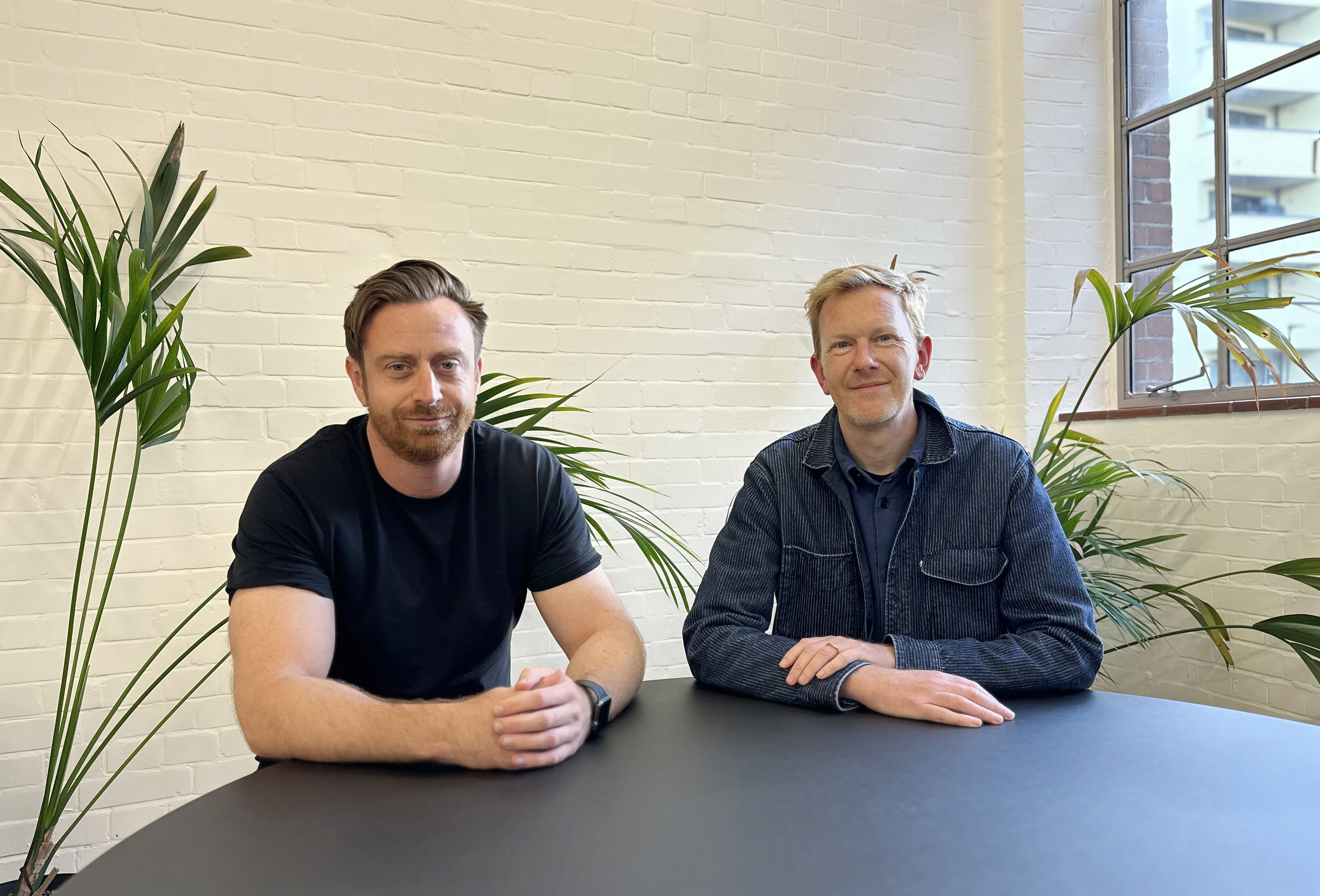
Bruce Bell is the CEO and founder of Facit Homes and the creative force. He is widely respected as an impactful innovator in the world of digitally manufactured architecture and he drives the high standards of design and construction expected of every home delivered.
Oliver Thomas joined Facit at the start of 2024 from Bjarke Ingels Group to help Co-found the new side of the business, Facit Technologies. Oliver is also the founder of Archi-Tech Network… an online platform that aims to foster collaboration, discussion and education resources around the intersection of Architecture and Technology.
Facit Homes was established in 2007, born out of frustration with the status quo. “We set out to create a smarter way to deliver new homes. Our founding team’s previous experience designing and building homes showed that conventional methods were inconsistent and inefficient. With ‘interpretations’ of drawings on site and the confusion and miscommunication caused by involving dozens of different people, each with their own agenda, the result was never quite what was expected. Since featuring on Grand Designs as an exciting innovation – “the world’s first computer-cut house” – they have become an established, industry-leading company, delivering high-performance homes across the UK. The newly formed, Facit Technologies, is the B2B side of Facit Homes, where our technology is used to develop sustainable homes on a much larger scale.

The Facit Chassis. Image credit: Facit Homes
Industrial Design Inspiration
Bruce Bell, with a background as an industrial designer, emphasises the stark contrast between the streamlined processes in industrial design and the fragmented nature of traditional architecture. He highlighted how companies like Apple manage the entire production process, ensuring a cohesive and customer-focused product. This approach, he argues, is largely absent in the construction industry, where architects and builders often operate in silos, leading to inefficiencies and suboptimal outcomes.
Bruce's frustration with this fragmentation sparked a realisation that there must be a better way to deliver architectural services, particularly for private clients. He noted that in industrial design, products are developed digitally from conception to manufacturing, a method that could greatly benefit the construction sector. By adopting digital manufacturing processes, the construction industry could achieve the same efficiency and quality seen in consumer products.
Oliver Thomas echoed this sentiment, underscoring the importance of a multidisciplinary approach. In successful manufacturing companies, various specialists work collaboratively towards a common goal. This model is something Bruce and Oliver have replicated at Facit Homes, bringing together architects, technology experts, production engineers, and construction managers to work side by side. This integration not only enhances the quality of the final product but also streamlines the entire process, making it more efficient and client-focused.
Their innovative approach challenges industry norms, suggesting that by borrowing strategies from industrial design, the built environment can evolve to meet modern demands more effectively. This shift not only promises improved service delivery but also positions businesses to better adapt to the rapidly changing landscape of the construction industry.
Bruce admits, "We're trying to disrupt an industry that's extremely fragmented and set in its ways."
Bridging the Gap
Reflecting on the evolution of architectural practices, he acknowledges a growing disconnect between design and construction. Historically, architects were deeply involved in the fabrication process, ensuring a seamless transition from design to reality.
Today, however, there is a noticeable distance between architectural design teams and construction management. This separation often results in a fragmented process where design intentions may not fully translate into the final built environment.
In larger projects, the complexity increases as multiple teams with competing ideas and briefs attempt to collaborate. This often leads to inefficiencies and misalignments, as each office may have its own agenda. He highlights that this situation contrasts sharply with the past when architects led teams of master craftsmen, ensuring a cohesive approach to building.
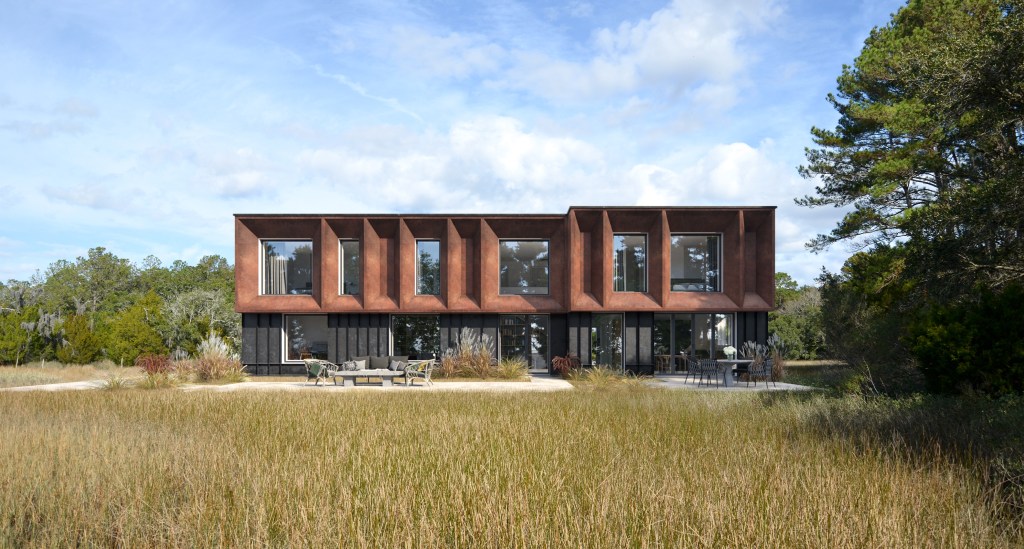
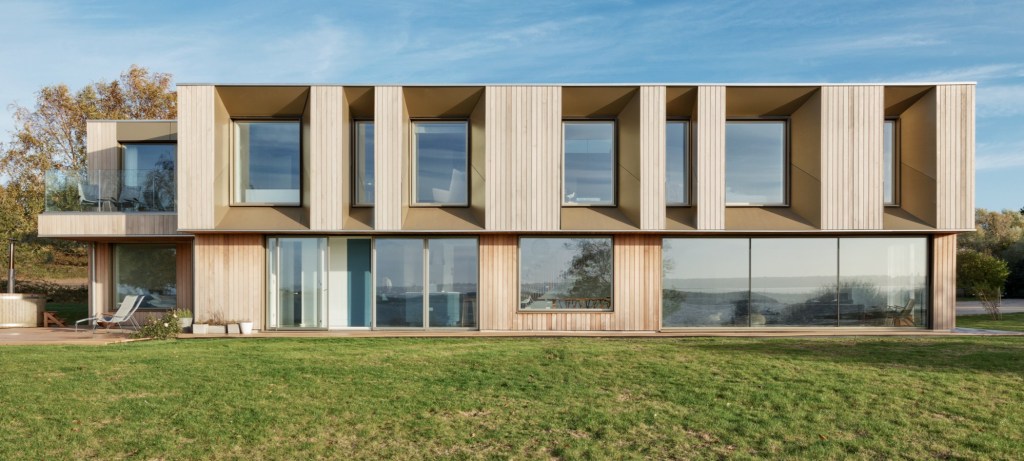
Orchard House and Stour House. Image credit: Facit Homes
A Focus on Housing
Despite their experience with international practices, Bruce and Oliver have chosen to focus on housing. They believe that housing can benefit from a more tailored approach, akin to crafting a unique product rather than mass production. We think of the home as a product, not in the sense of copying and pasting the same typology, but as a home made out of the same core constituent parts, foundations, windows, doors, MEP tied together with their timber superstructure, the Facit Chassis. The Facit Home is a reconfigurable product that can cater to any design or massing, giving you the best of both worlds, bespoke designs with the efficiencies of a modular building system, This decision aligns with a traditional view of architecture, where each home is a unique creation, much like a master craftsman would have approached it 150 years ago.
A desire to return to a model where architects are closely involved in the construction process - is a conscious choice.
By initially focusing on bespoke homes, they aim to ensure that each project is handled with the care and precision of a master craftsman, bridging the gap between design and construction that has widened over the 20th century. This method not only enhances the quality of the final product but also ensures that the architect's vision is faithfully realised.
By starting with bespoke homes for private clients, they have been able to hone their skills and iron out the obstacles before attempting larger projects - ensuring scalability without compromising quality.
The initial focus on individual homes serves as a testing ground for scalable production processes. Bruce explains that the goal has always been to expand beyond single projects to multiple homes, leveraging industrial design principles. The housing sector, often lagging in advanced construction methodologies, presents an opportunity for innovation. By applying scalable production techniques, he envisions transforming housing into a more efficient and cost-effective industry.
Bruce highlights the economic shifts that have made advanced manufacturing technologies more viable. As labour costs rise, the cost-effectiveness of these technologies becomes increasingly apparent. Over the years, while traditional labour costs have surged, the expenses associated with custom machine production have remained stable or decreased. This shift positions Facit Home's approach as a competitive alternative in the housing market, which has historically relied on low-skilled labour.
Passion and Pragmatics
Bruce's passion for housing extends beyond construction; it encompasses the relationship between architecture, society, and community success. His experiences in Manchester during the 1990s, witnessing the demolition of once-award-winning architectural schemes, fueled his interest in creating sustainable and successful housing projects. This passion drives his commitment to integrating good architecture with community development.
In his vision, the home is treated as a product, but not in the traditional sense of uniformity. Instead, it is a modular and parametric system, allowing for flexibility and customisation. This approach ensures that homes can be adapted to various contexts and site conditions, from irregular plots to diverse regional vernaculars. By utilising technology, his team can configure homes to meet specific needs while maintaining the advantages of a modular building system.
Oliver confirms the importance of flexibility in architectural solutions, particularly in urban environments where site conditions vary greatly. He critiques the approach of producing identical homes repeatedly, noting that such rigidity often leads to failure in adapting to diverse sites. Instead, they advocate for creating adaptable solutions that can cater to various urban settings, which is essential for success in realising denser housing schemes.
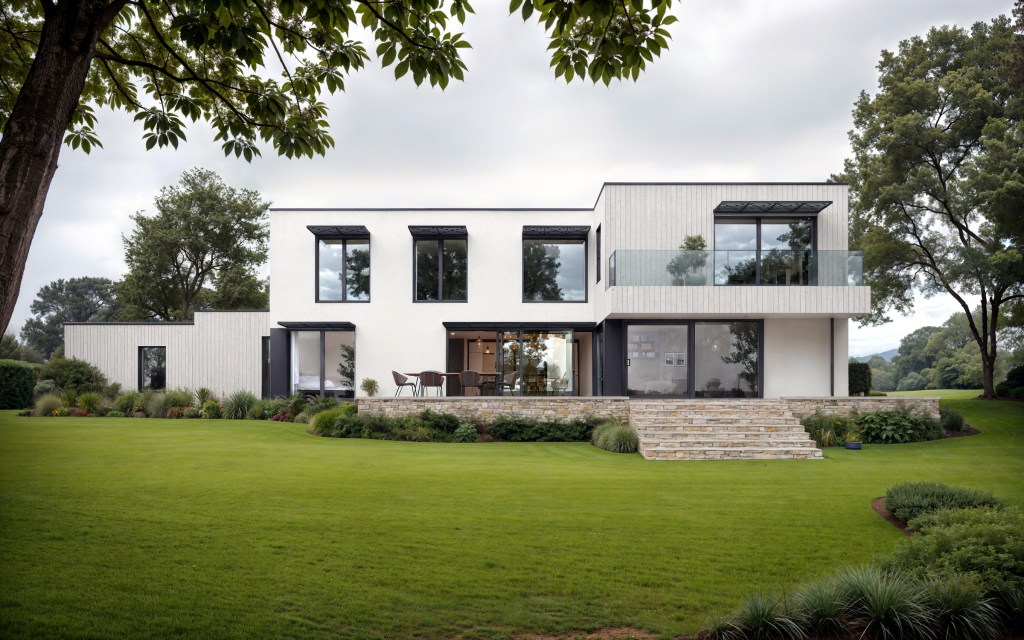
Hill House. Image credit: Facit Homes

Facit Homes. Image credit: Facit Homes
From Academia to Practice
Oliver's journey into design technology began during his master's studies in 2012, where he explored the concept of architects as master builders through digital fabrication. This academic pursuit led him to connect with Bruce at FACIT Homes. His initial engagement with FACIT laid the foundation for his return to FACIT, 12 years later.
In the meantime, he ventured into international architecture, working in Hong Kong and later in New York with Aedas, Front Inc. and BIG Architects. His focus on BIM, façade design and computational tools like Rhino and Grasshopper allowed him to delve into the technical aspects of architecture, enhancing his expertise in digital fabrication and parametric design. This experience solidified his belief in the transformative power of technology in architecture.
Despite his global experiences, he always kept an eye on FACIT Homes and its progress. His return to London in 2021 marked a reconnection with Bruce, driven by a shared vision of integrating advanced manufacturing processes in housing. Throughout his career, Oliver has witnessed the rise and fall of modular and volumetric construction as well as a number of firms trying to replicate the FACIT approach, and he always believed in FACIT’s concept as a viable and scalable solution to the housing crisis.
He envisions a future where housing design is both replicable and unique to each environment. Inspired by his global experiences, he aims to address urban housing challenges through innovative design systems.
The Mobile Microfactory
"We know we need this machine and we don't have factory space but we could put it in a box and take it with us," and so the micro-factory was born.
Bruce observes a growing trend towards the microfactory approach, which he says with great pride that FACIT Homes has pioneered. This approach could also be described as a Hybrid model of construction, blending the benefits of off-site and on-site construction. The Microfactory brings the technology and efficiencies of a factory via containerised automated machinery on-site, these microfactories come at 2% of the CapEx cost of an equivalent factory and can be deployed in 1-2 weeks anywhere in the country. The Microfactory approach also takes advantage of being on-site by reducing transport costs of large building elements and materials coming directly from the port to the site. The big advantage of on-demand manufacturing is flexibility to real-world project timelines. At the same time, the microfactory brings automation on-site, lowering the need for skilled labour whilst opening the opportunity to bring in local unskilled labour to aid in the assembly of components to integrate local communities into the build process.
In his role at FACIT Homes, Oliver focuses on integrating advanced technologies into the design process. Leveraging computation, AI, and digital fabrication to streamline the transition from design to construction. His previous experience at Front Inc., where he worked on fabricating complex facades, has equipped him with the skills to implement these technologies effectively. He sees great potential in using augmented reality and other digital tools to enhance the making process, rather than just the design phase.
There are inherent risks in taking on both design and construction responsibilities - a departure from traditional architectural roles. However, Bruce argues that this approach allows for greater control and impact, as it integrates the entire process from conception to completion.
Looking ahead, they paint a picture of a construction industry that is increasingly reliant on technology to meet demands. By continuing to innovate and refine their processes, FACIT Homes aims to lead the way in creating adaptable, efficient, and sustainable housing solutions.
Bruce discusses the importance of precision in the construction process, facilitated by Building Information Modeling (BIM) technology. By creating detailed families and components in Revit, FACIT Homes maintains control over every aspect of the build. Unlike traditional models where designs are passed through multiple hands, leading to potential miscommunications and inefficiencies. This approach ensures consistency and allows for the seamless execution of projects.
"We realised we can be a tech-enabled housebuilder... with our own product, supply chain and manufacturing capabilities."
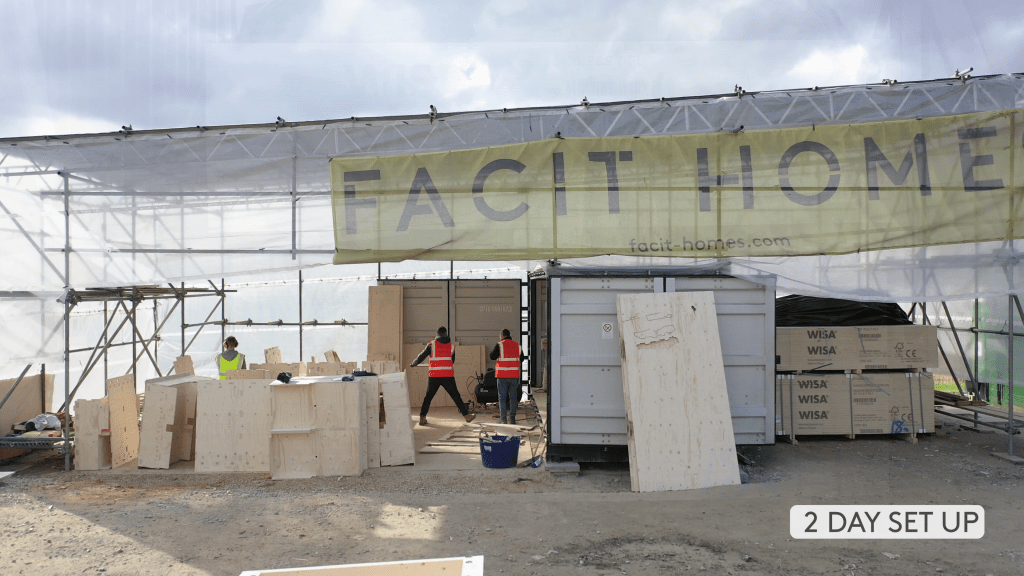
On-Site MicroFactory V1 Image credit: Facit Homes
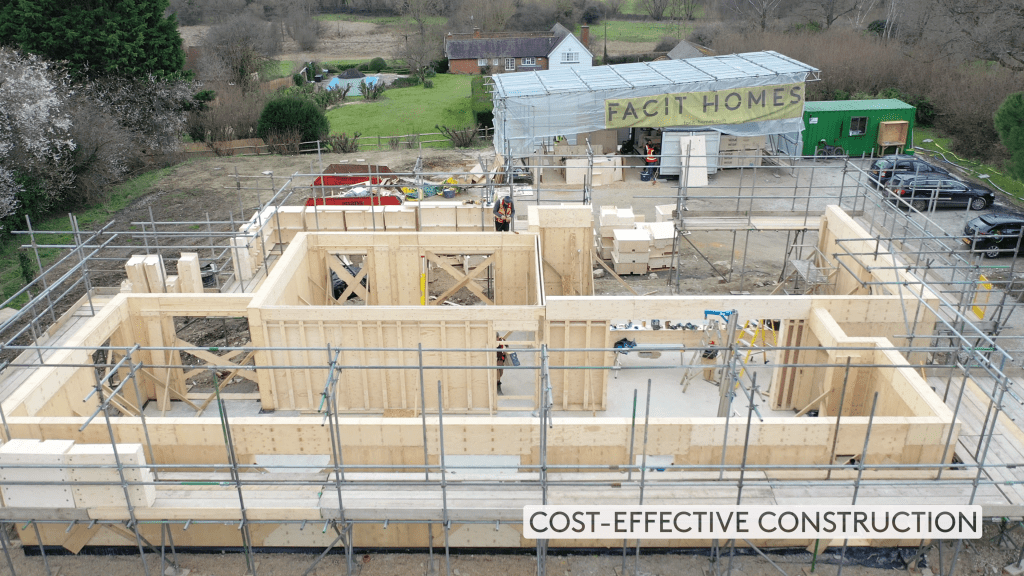
On-Site Mobile MicroFactory V1 Image credit: Facit Homes
Reducing Risk Through Integration
Bruce reiterates the fragmented nature of risk in traditional construction, where responsibilities are often transferred between parties, leading to uncertainty. In contrast, FACIT Homes' Vertically integrated model minimises risk by maintaining control over design, procurement, and construction. This consistency not only mitigates risk but also allows for accurate cost predictions and efficient project management. By having long-term relationships with suppliers and manufacturing in-house, they can ensure quality and manage costs more effectively.
This integrated approach enables more transparent and confident communication with clients.
With a clear understanding of costs and processes, Bruce and his team can provide clients with reliable information upfront and manage expectations throughout the journey. This transparency fosters trust and ensures that projects stay within budget, reducing the likelihood of disputes and ensuring client satisfaction.
Leveraging advanced digital tools, they can streamline the construction sequence from the outset. This approach not only increases efficiency but also retains valuable knowledge across projects, allowing the team to apply lessons learned and improve continuously - year-on-year.
Embracing Iterative Learning
Bruce challenges the traditional architectural mindset of starting each project anew, advocating instead for a model that values iterative learning and refinement. This is a way to offer clients greater certainty in cost and timelines with evidence about how projects have been achieved previously. This is in stark contrast with many design and build practices, where only a fraction of designs reach completion due to unforeseen expenses tipping them over the edge.
“In today's market, clients seek not only competitive pricing but also certainty in project delivery.”
Bruce addresses this by employing advanced digital tools that allow clients to make informed decisions about their projects. By offering real-time feedback on design changes, clients can adjust their plans without the risk of unexpected costs. This transparency empowers clients, making them active participants in the design process and ensuring satisfaction with the final product.
He draws parallels between architecture and product design, emphasising the value of evolution and refinement. “Just as each new version of a smartphone builds on the previous one, we apply this philosophy to home building.” By iterating on past designs, they achieve higher quality and more innovative solutions.
For Bruce, the real pleasure lies in seeing the evolution of their projects. Each new home benefits from the lessons learned in previous builds. This iterative process is akin to watching a child grow and develop, with each stage offering new insights and opportunities for growth. By embracing this model, they aim to set a new standard in the industry, demonstrating the power of continuous improvement and innovation.
"There's a real cultural side to how we operate, which is where we see success."

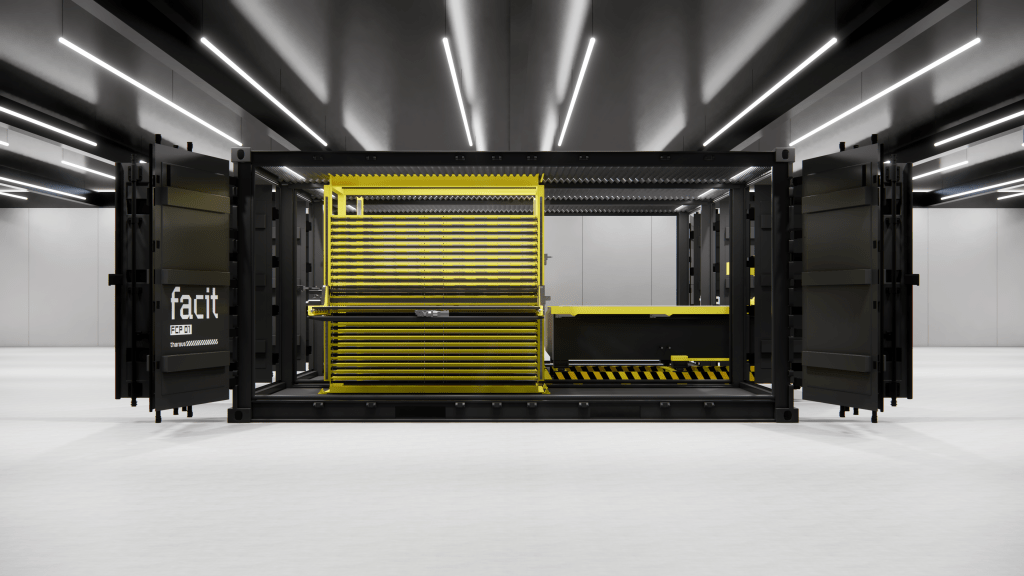
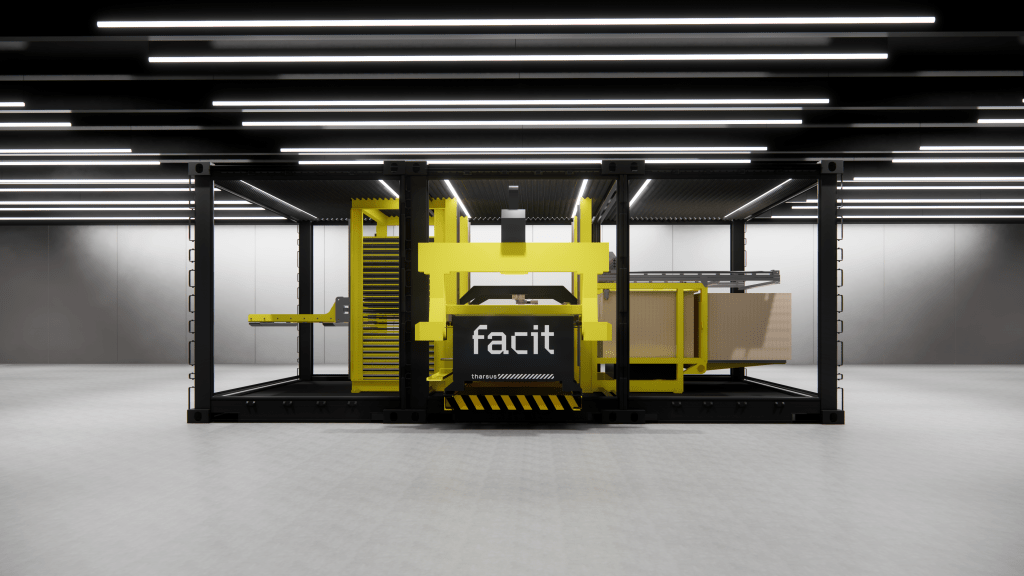
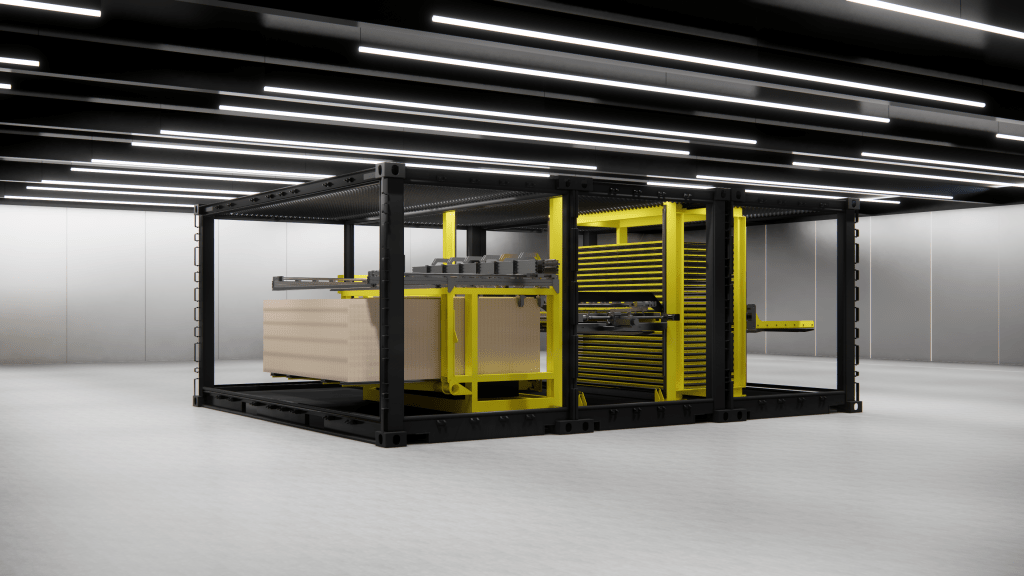
Facit Chassis Printer (FCP). Image credit: Facit Homes
Pioneering On-Site Manufacturing
Initially born out of necessity due to the lack of factory space, this on-site approach has evolved into the microfactory movement. By placing essential machinery in portable units, they can bring manufacturing directly to the construction site. This flexibility not only reduces costs but also enhances efficiency, allowing for precise control over the building process. Facit Homes has been building with their V1 Micro Factory (aka Mobile Production Facility) for the past 14 years and has built 28 high-end homes (250-400 sqm), one of which was featured in Grand Designs in 2012.
Now they are looking at scale-up with technology in collaboration with a technology manufacturing company, Tharsus. Together they have developed a new high-capacity machine The Facit Chassis Printer adding automated systems and new 2D printing capabilities that streamline production and vastly increase cutting volume. The new machines sit within MicroFactories where they are supported by the rest of the production line, including assembly tables enhanced with augmented reality and vision systems and sub-assembly stations to build larger elements such as complete wall, floor or roof assemblies. FACIT’s new microfactories can now deliver homes up to 5 stories with each MicroFactory set up to produce 80-100 homes annually.
Bruce shares that the challenges faced in developing these technologies have been met with great enthusiasm by their technology partners. The opportunity to tackle complex problems with experts outside of the built environment industry has energised the team and led to innovative solutions that push the boundaries of traditional construction methods. This collaborative spirit is central to FACIT Homes' ethos to drive new standards in the industry.
Oliver describes the efforts to minimise movement and maximise efficiency on site and the lengths taken to design the most compact machinery and operations process possible. For example, by strategically arranging materials and machinery to reduce unnecessary movement, they have developed a system that functions similarly to a printer. This setup allows for materials to be processed and assembled in a streamlined manner, enhancing productivity and reducing space requirements.

On-site Assembly. Image credit: Facit Homes
Lean Manufacturing Principles
Bruce confirms, "Our approach is automating the complex, accurate aspects... and then the human comes in for assembly."
While automation plays a significant role in FACIT Homes' manufacturing, human involvement remains crucial. Workers assemble components using pre-cut parts, much like assembling an IKEA kit. This hands-on approach not only ensures precision but also adds a satisfying, gamified element to the assembly process. Workers enjoy the tangible results of their efforts as they piece together the modular components, which are then integrated into the building structure.
Reducing product movement from material to installation allows them to achieve greater viability.
Oliver highlights the motivational aspect of on-site manufacturing, where the assembly team can see the tangible results of their labour. Unlike factory settings, building on-site allows workers to feel a direct connection to the community, knowing they are contributing to society by constructing homes. This not only boosts morale but also attracts a diverse workforce, including women and individuals from various backgrounds, who find this modern, digital method of construction appealing.
One of the significant challenges they face is the cultural shift required in the construction industry to adopt new ways of working. As society evolves, fewer people are interested in traditional trades like bricklaying. Bruce emphasises the importance of creating new roles that align with modern educational backgrounds and interests. “By offering technology-driven assembly positions, we can attract a workforce that is eager to engage in this new form of construction.”

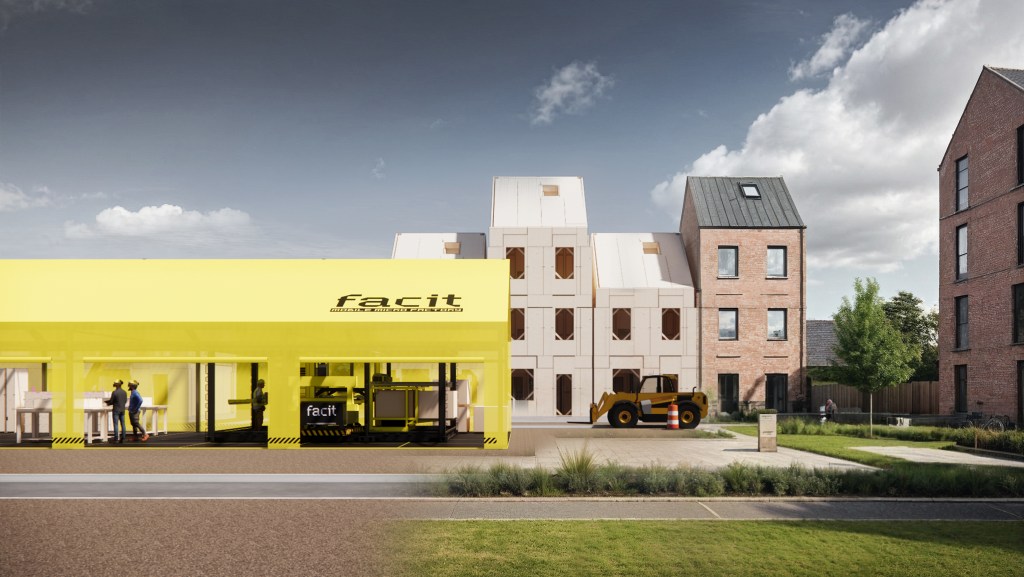
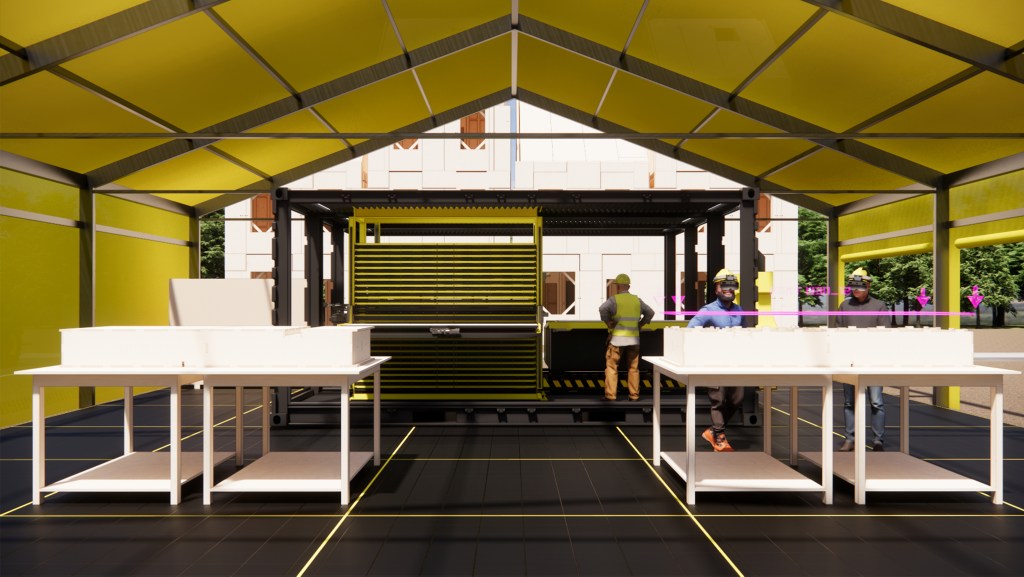
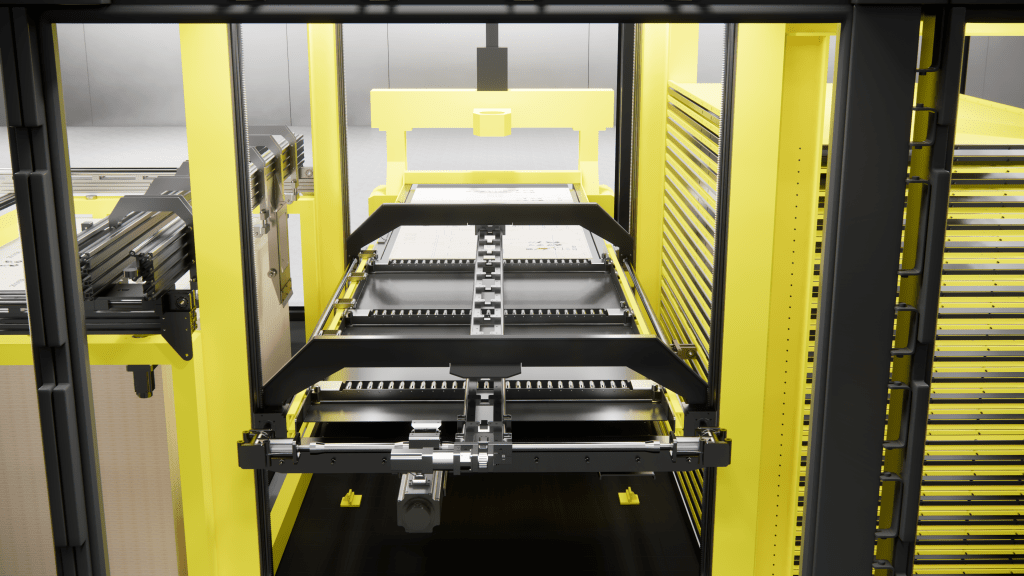


Facit Mobile MicroFactory V2, Loader/Unloader, Buffer Rack and 2D Printing System. Image Credit: Facit Homes
Scaling Up Proven Systems
Bruce and Oliver aim to scale their operations both within the UK and internationally with the new side of the business FACIT Technologies. The new B2B side of the business now offers developers an alternative to traditional construction and empowers them to compete as home builders. FACIT offers their technology in a vertically integrated home-building platform allowing different customers to tap into their product (The Facit Home), supply chain, and manufacturing depending on their specific needs. Oliver outlines the potential for FACIT Technologies to address housing needs on a larger scale, including apartment blocks and townhouses up to five stories. This expansion is crucial in regions where housing demand is high, such as the UK. The scalability of their system allows it to be distributed globally, opening opportunities in the US, Europe, and Australia. In these markets, the need for innovative housing solutions is pressing, given their existing timber construction practices and housing shortages.
He admits, "The speed to scale using this technology is unfathomable compared to traditional construction. We have a system that's incredibly distributable; we can ship it anywhere in the world."
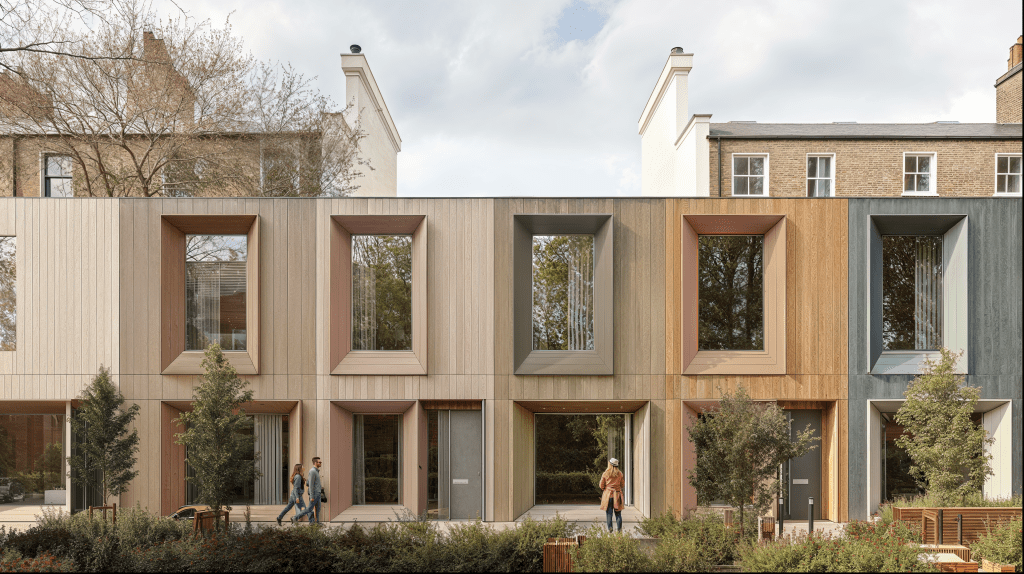
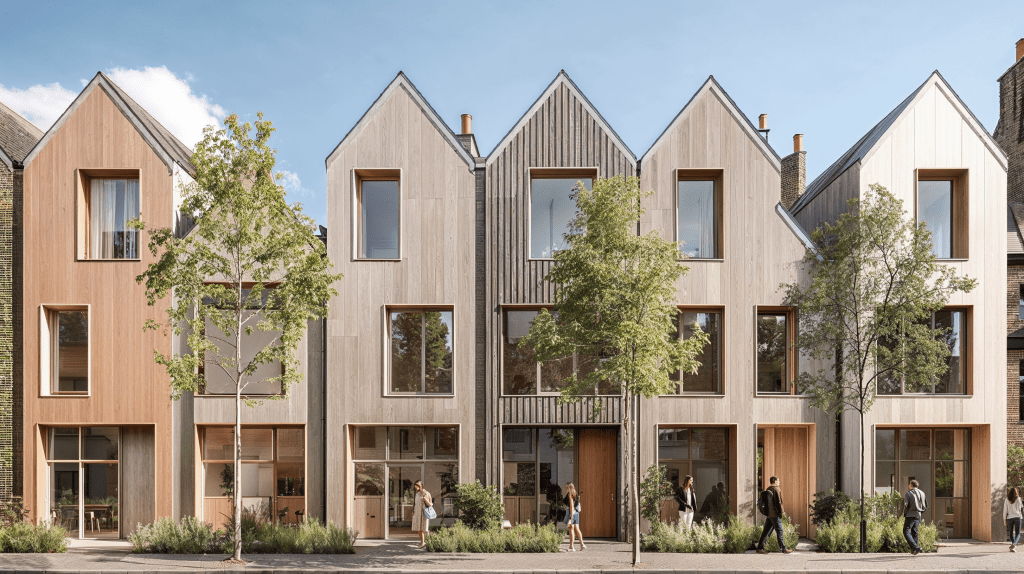
FACIT Townhouse. Image credit: Facit Homes & Will Garner
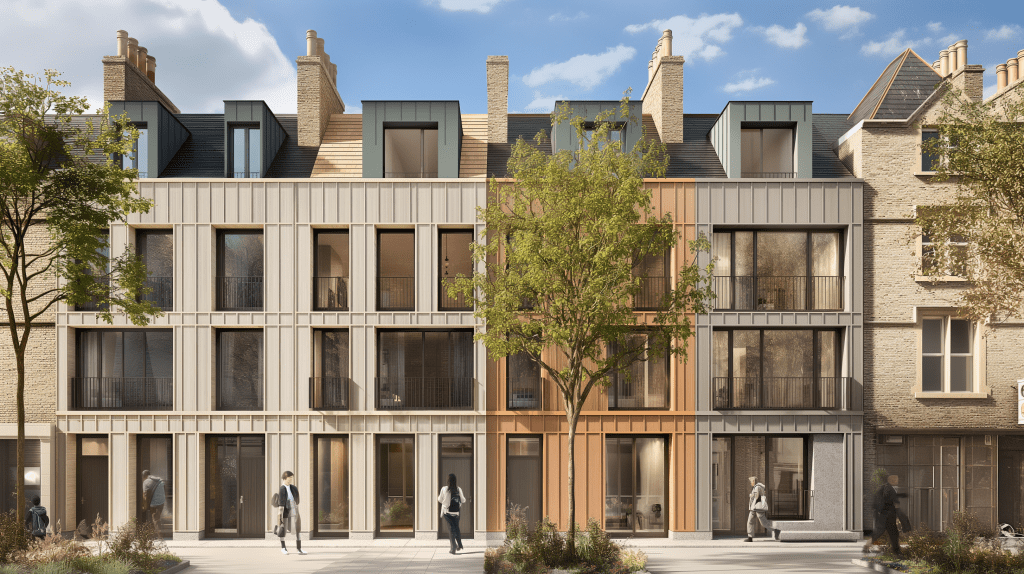
FACIT Apartment Block Image credit: Facit Homes & Will Garner
Industry Scepticism
Despite the success of the FACIT Homes' system, there is industry scepticism. Bruce acknowledges these challenges but remains confident in their proven ability to deliver quality homes at scale and with cost certainty. By continuing to demonstrate successful projects and engaging directly with new markets, he aims to establish Facit Technologies as a leader in the international homebuilding sector.
Poised to capitalise on the growing demand for adaptable and sustainable housing solutions. Oliver explains the potential to scale their operations, "Each mobile microfactory has the capacity to build 100 houses a year, and we can deploy them on-site in 1-2 weeks or build new ones in a matter of 2-3 months." Bypassing the lengthy and costly processes associated with traditional factory setups. This flexibility is a significant advantage, enabling FACIT to quickly respond to housing demands without the high capital costs typically required.
Disrupting an industry as entrenched and risk-averse as construction - is a challenge.
Despite these hurdles, the urgent need for innovative housing solutions presents a substantial opportunity for FACIT Technologies. By positioning themselves as both a homebuilder and a technology company, FACIT aims to leverage their agile supply chain and proprietary products to redefine the homebuilding process.
To achieve their goals, Bruce is actively seeking partnerships with developers and financiers. By collaborating with these stakeholders, FACIT can bid on projects as a master developer, offering a more integrated and efficient approach to housing construction. This strategy not only aligns with their long-term vision of becoming a leading homebuilder but also addresses the market's demand for quality, scalable housing solutions.
Key Takeaways
"We are building with sustainable materials, and the accuracy means the buildings perform more sustainably."
Bruce and Oliver exude confidence in the ability of their microfactories and thoroughly researched systems and processes to impact home building in the UK and beyond. It has been fascinating to learn of the meticulous approach taken in testing, refining and tweaking the smallest of details on modest-scale projects first, before wanting to scale with ambition.
Facit Homes has pioneered the use of microfactories over more than a decade of trial and error, which can now be rapidly deployed and scaled. Enabling a flexible, on-site manufacturing process that bypasses the huge CapEx costs and lengthy setup times associated with traditional factories, offering a significant advantage in meeting housing shortages in many parts of the world.
The integration of advanced technologies in construction highlights the industry's trajectory. Shifting towards efficiency, safety and ultimately the creation of sustainable, high-quality housing. Bruce and Oliver have highlighted the challenges and opportunities in disrupting an industry that is traditionally risk-averse. FACIT Homes' innovative methods upend construction norms, paving the way for more agile and responsive building practices that have sustainability as their core.
By involving local communities in the construction process, they hope to foster a sense of ownership and engagement. This community-centric approach is likely to become more prevalent as the industry seeks to address labour shortages and improve profitability and project outcomes.
FACIT Technologies' scalable system is not limited to the UK; it has the potential for global application. "The beautiful thing about making on-site is that the production team feels they are contributing to society."
Watch this space!