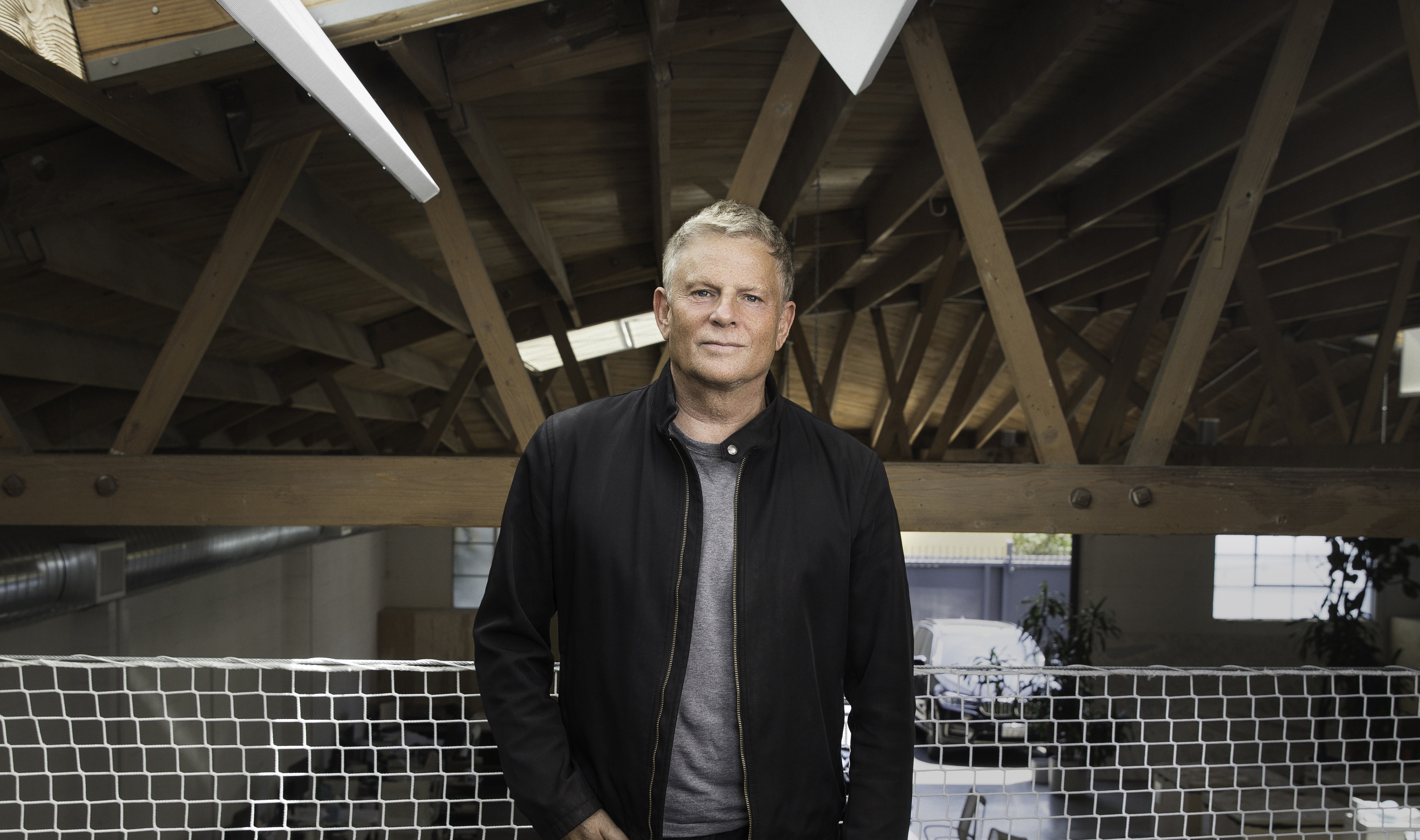
As the Founding Principal and Creative Director of LOHA (Lorcan O’Herlihy Architects), Lorcan O’Herlihy’s quest for meaningful engagement with the ever-evolving urban fabric has shaped a remarkable legacy of architectural innovation and social impact. Since its inception in 1994, LOHA has emerged as a beacon of architectural prowess, guided by Lorcan’s profound understanding that architecture exists within a rich tapestry of political, developmental, environmental, and social contexts. With offices spanning Los Angeles and Detroit, LOHA has etched its mark on three continents, boasting a diverse portfolio encompassing over 100 projects.
From art galleries and bus shelters to large mixed-use developments and university residential complexes, each undertaking by LOHA embodies Lorcan’s unwavering conviction that artistry and social connectivity are fundamental in crafting spaces that elevate the human experience. Armed with a Master of Arts in History and Critical Thinking from the Architectural Association in London, his academic endeavours have served as fertile ground for exploring themes of social engagement and generative urban strategies.
An educator at heart, Lorcan’s influence extends far beyond the confines of his architectural practice. His extensive tenure as a lecturer at prestigious institutions like the Architectural Association in London, Southern California Institute of Architecture (SCI-Arc), and Columbia University underscores his commitment to nurturing the next generation of architectural visionaries.
Recognised as one of the eight "emerging voices" in the United States by the Architectural League of New York in 2004, Lorcan’s indelible mark on the profession was further cemented with his elevation to the College of Fellows of the American Institute of Architects in 2009. His pursuit of design excellence has garnered him over 100 national and international awards, including the esteemed 2021 AIA Los Angeles Gold Medal, and the AIA CA Maybeck Award, and was named Architect Magazine’s #1 Design Firm in the US.
The beginnings of Lorcan's journey are captivating, as he delves into the tale of his upbringing and the influences that shaped his trajectory in architecture. Hailing from Dublin, Ireland, with a father entrenched in the film industry, Lorcan's early years were imbued with a blend of localesand experiences. From Ireland to Los Angeles, and even traversing the likes of Rome and Ukraine for his father's film projects, Lorcan's childhood was marked by extensive travel and exposure to diverse cultures.
His fondness for urban culture and public spaces burgeoned during these formative years, instigating a latent interest in architecture, perhaps subconsciously inherited from his father, who initially pursued a degree in the field before venturing into acting. Despite initially harbouring uncertain inclinations, Lorcan's immersion into the architectural realm during his college years at Cal State University San Luis Obispo crystallised his passion for the craft.
Embarking on his architectural journey over four decades ago, Lorcan recounts his early professional experiences with esteemed firms like Kevin Roche John Dinkeloo and Associates, and I.M. Pei & Partners, where he contributed to iconic projects like the Louvre museum's pyramid. Yet, Lorcan's insatiable curiosity led him to momentarily diverge into the realm of art, before ultimately reuniting with architecture under the tutelage of renowned architect Steven Holl. As he reflects on his narrative, one can't help but be inspired by the trajectory of a man whose passion for architecture transcends time and borders.


Societal Impact and Cultural Enrichment
At some point after his tenure with Steven, Lorcan embarked on a pivotal journey that intertwined his passions for art and architecture. Following an artistic hiatus in New York City, Lorcan's aspirations for a career in art faced a crossroads when exhibitions and gallery representation remained elusive. It was then that his fervent love for architecture resurfaced, leading him back to the fold, under the mentorship of Steven Holl, whose esteemed reputation resonated deeply with Lorcan.
Transitioning from his role as project architect for Steven's groundbreaking Seaside, Florida project, Lorcan found himself at a professional impasse when work dwindled. However, serendipity struck when he found himself with two prospective opportunities in Los Angeles. Joining forces with Steven, they embarked on a collaborative journey, which albeit short-lived, marked a significant chapter in Lorcan's transition to Los Angeles.
Settling into his new locale, Lorcan donned multiple hats, grappling with the intricacies of securing commissions, driving design innovation, and nurturing client relationships. Central to his ethos was the pursuit of meaningful architectural work, in favour of projects with societal impact. It was this steadfast commitment to architectural relevance that spurred Lorcan to pursue his Master's degree at the Architectural Association, a decision steeped in reflection and a quest for new models of social connectivity.
Reflecting on his trajectory, Lorcan's narrative underscores his enduring dedication to architecture as a catalyst for societal betterment. With each project, he aims to infuse elements of social equity and cultural enrichment, ensuring that his practice remains anchored in principles of consequence and cultural significance.
Having been born in Dublin and raised in Europe, Lorcan expressed excitement about the prospect of residing in London. "It was a great experience," he remarked. However, he noted that the growth of his practice in LA, alongside a small firm in Detroit, ultimately anchored him to the United States. "If circumstances had allowed, I would have gladly established a practice in Europe, particularly in Dublin," he lamented.
During his three-year stint in London, Lorcan taught two different unit studios and served as a unit master twice. In his third year, he collaborated with several students interested in pursuing postgraduate studies, guiding them independently. Upon returning to Los Angeles, Lorcan resumed teaching, this time focusing on the intersection of film and architecture.


Evolution of Partnerships in Practice Development
Lorcan elaborated on the early stages of his practice, detailing the need to wear multiple hats and devise strategies to align projects with his interests. Reflecting on this period, he discussed the dynamic role of an architect and the necessity of adaptability as projects unfolded.
A significant moment arose with the completion of the Lexton McCarthy house in Silver Lake, California, a project that garnered considerable attention. This project caught the attention of Richard Loring, a client involved in urban housing development. Lorcan recounted how Loring approached him with the idea of applying similar concepts to a larger urban infill project.
Despite initial hesitations expressed by an older colleague, Lorcan remained resolute in his decision to pursue housing development. This collaboration with Habitat Group Los Angeles marked the beginning of a focus on urban infill projects, extending into locations like Detroit. Lorcan noted the seamless transition of ideas from residential to larger-scale urban projects, facilitated by strong client partnerships.
As the conversation shifted to client selection and portfolio growth, Lorcan acknowledged the challenges faced by smaller practices. He discussed the necessity of sometimes taking on projects that may not align perfectly while remaining optimistic about refining client criteria to enhance portfolio development.


Vision and Strategic Practice Management
Navigating the discussion, Sara Kolata raised the importance of learning to decline opportunities and being selective with clientele. Curious about Lorcan's experience in this regard, she probed further. Lorcan recalled a crucial lesson imparted by Steven Holl regarding the merits of maintaining a small-scale operation. He underscored the significance of unwavering commitment to the architectural vision, a principle he adhered to in the early stages of his career. Recounting his collaboration with Richard Loring from Habitat Group Los Angeles, Lorcan highlighted Loring's unique background as both a developer and a qualified architect.
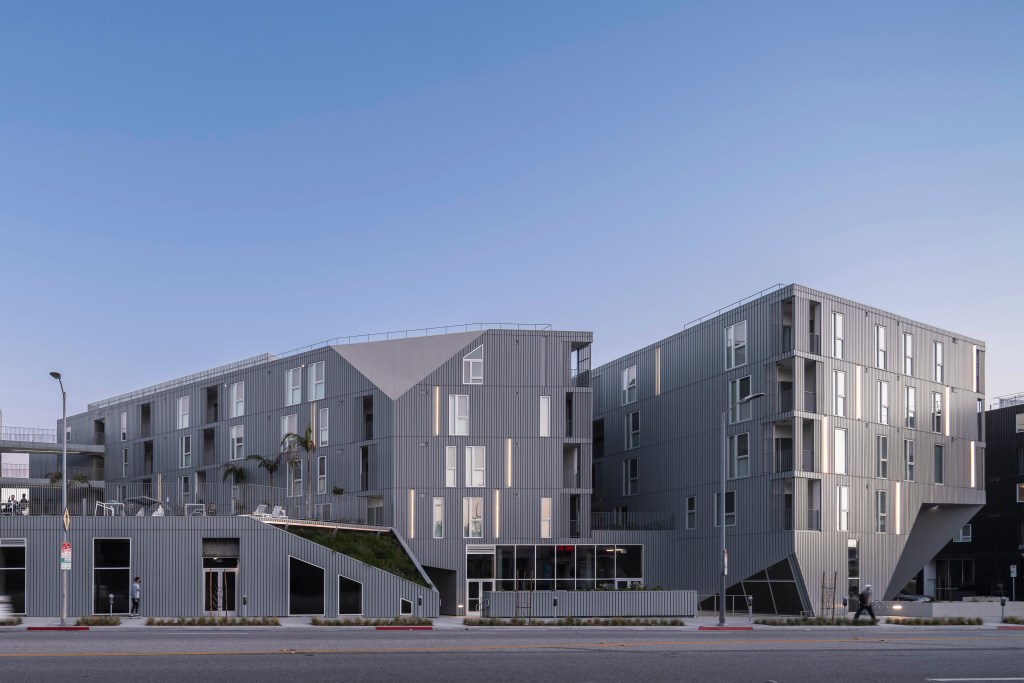
Their joint ventures on projects like Gardner1050, Habitat 825, and Formosa1140 presented an opportunity to deeply embed architectural endeavours within the community fabric, particularly within Hollywood. Engaging with the sidewalk and street became paramount, transforming isolated structures into integral components of the cityscape. Lorcan emphasised the goal of creating architecture that resonated beyond physical structures, with projects like Formosa even leading to the establishment of a public park on private land, enriching the urban landscape.
Transitioning to the topic of client selection, Lorcan stressed the importance of intuition. Assessing a client's commitment to architecture that contributes positively to the community served as a critical criterion for partnership. Conversely, clients prioritising profit maximisation necessitated further dialogue to ensure alignment with the practice's values. Navigating the complexities of managing a practice, Lorcan acknowledged the delicate balance between project management, team stability, and maintaining the firm's reputation as a reputable design entity. As someone deeply committed to generating ideas and sustaining the practice, Lorcan juggles the responsibility of managing a dynamic team while remaining vigilant about the projects they undertake.


Approach to building an architectural business and design philosophy.
Lorcan often refers to architects as strategists, emphasising their pivotal role in the early stages of a project. By engaging with clients from the outset, even before land acquisition, they establish a rapport with the collective team to realise the client's vision. Lorcan stressed the value of his firm's approach in bringing additional benefits beyond square footage, such as enhanced lighting and sustainability strategies, which he believes ultimately add value to the projects. While affordable housing remains a significant focus, their portfolio extends to diverse projects including dance schools and cultural centers, particularly in Detroit.
For Lorcan, this journey is about more than just completing projects—it's about laying a robust foundation for collaboration. They don't simply react to a client's specifications; rather, they actively participate in shaping the project's parameters. This approach has been instrumental in shaping the firm's trajectory. He cited examples like the South LA project, a supportive housing development on a median between two roads, as instances where early strategic collaboration with the client and city officials led to innovative solutions for challenging sites.
Lorcan emphasises the value they bring to projects beyond mere compliance with programmatic requirements. By enhancing the human experience through strategic design interventions such as maximising natural light and incorporating sustainable strategies, they believe their work adds tangible value to the built environment.
Their persuasive approach involves convincing clients that these design considerations, though they may not increase square footage, significantly enhance the quality of living or working spaces. If clients buy into this strategic vision, it paves the way for the continued growth and success of their practice. Ultimately, Lorcan's conviction lies in the belief that thoughtful design can profoundly impact the human experience, and it's this ethos that underpins their approach to architecture.
When discussing how to find projects that align with their firm's philosophy, Lorcan emphasises their focus on identifying overlooked urban spaces and transforming them into something extraordinary. One notable example is their South LA project, where they collaborated with Cristian Ahumada to create supportive housing on a median between two roads—a site that had never been built on before. This endeavour required early brainstorming sessions to devise innovative solutions for bringing supportive housing to a densely populated area like South Los Angeles, where land is scarce and expensive.
Lorcan emphasises the importance of strategic collaboration from the outset of a project. For instance, their work with Cristian Ahumada’s company, Holos Communities, has resulted in several successful projects. Similarly, their partnership with Richard Loring has led to multiple endeavours in West Hollywood. These repeat clients signify a mutual understanding and appreciation of their design approach, fostering ongoing collaboration.
Beyond cultivating new client relationships, Lorcan stresses the significance of nurturing existing ones. He highlights the value of rapport and shared vision in sustaining long-term partnerships. Additionally, he mentions an upcoming book titled "Building in Place" by Rizzoli, which explores architecture rooted in context and social equity. This publication, set to release in September, underscores the importance of considering local context while infusing projects with artistic expression and aligning them with societal needs—a principle Lorcan consistently champions across diverse geographical contexts.


Fostering Social Equity
In discussing the concept of social equity, Lorcan reflects on his professional journey, initially drawn to cultural projects influenced by his experiences working on iconic landmarks like the Louvre Museum during his tenure at firms such as I.M. Pei and Partners. However, as he delved deeper into the realm of urban infill and housing, his perspective shifted towards a focus on the culture of people rather than just architectural achievements.
He emphasises the significance of understanding the social context of each project, considering who will inhabit the space and the historical narrative surrounding it. Lorcan references an upcoming book titled "Building in Place," which delves into the history of each site, weaving together past narratives with future projections. Lorcan explained that every project undertaken by his firm prioritises understanding the people who will interact with the building and the historical context surrounding the site.
Lorcan underscores the importance of small yet meaningful contributions to social equity, citing their supportive housing project as an example. By considering the needs and experiences of those who will interact with the built environment, he strives to create spaces that foster inclusivity and social connection, embodying the essence of social equity in architectural practice.
In discussing the integration of social equity into architectural design, Lorcan offers examples from various projects, emphasising the importance of community engagement and inclusivity. One such instance is seen in the design of a supportive housing project in South LA, where Lorcan advocated for a stoop—a sitting area at the front of the building—accessible to anyone passing by. Despite initial concerns about security, Lorcan argued that such a gesture towards the community would foster a sense of ownership and protection, ultimately enhancing the building's relationship with its surroundings.
Another notable project involved the Schindler House, where Lorcan proposed benches on private land adjacent to the housing project. Despite the controversy surrounding the development, the addition of public seating exemplified Lorcan's commitment to expanding public space into private realms, thereby encouraging community interaction and engagement.
This approach to social equity extends beyond housing projects to include educational institutions like Chapman University's Sandi Simon School for Dance. By creating generous spaces for students to relax and interact between classes, Lorcan aimed to foster a sense of belonging and collaboration within the campus community.
Overall, Lorcan emphasises the importance of integrating social equity principles into all aspects of architectural design, whether through small gestures like public seating or larger initiatives like supportive housing developments. By prioritising community engagement and inclusivity, architects can create spaces that serve not only their inhabitants but also the surrounding community at large.
Lorcan emphasises the enduring importance of viewing architecture as a social endeavour, a principle he has championed for over two decades. With his previous publication titled "Architecture is a Social Act," he has long been dedicated to this ethos. He believes that architects should embrace courage in undertaking work of consequence, while never overlooking the necessity of imbuing it with artistic expression and aesthetic value. Mere shelter provision, he argues, falls short without the inclusion of architecturally innovative solutions that uplift and inspire. Lorcan sees this philosophy as a collective commitment, resonating with the ethos of the magazine Sara represents.
Furthermore, Lorcan has been deeply engaged in education, having taught at various institutions since 1990. His teaching roles at esteemed institutions such as Cranbrook Academy of Art, Parsons, and USC over the past three decades underscore his belief in the educator's role within the architectural domain. Sara acknowledges the significance of this role, highlighting its contribution to knowledge sharing and mentorship, essential for nurturing the next generation's understanding and resilience within the industry and the broader world.


In Lorcan's journey, we find a compelling narrative of an architect whose passion for architecture transcends mere profession, embracing it as a social act—a force for societal betterment and cultural enrichment. His commitment to social equity is evident in his projects, where thoughtful design interventions aim to re-engage marginalised communities with society. Whether installing benches outside buildings or reimagining spaces for communal interaction, his design principles prioritise inclusivity and community engagement.
Looking ahead, Lorcan remains steadfast in his belief that architecture is not just about shelter provision but about creating spaces that inspire and uplift. With each project, he aims to infuse elements of social equity and cultural enrichment, ensuring that his practice remains anchored in principles of consequence and cultural significance. In his narrative, we find inspiration shaping the world we inhabit.