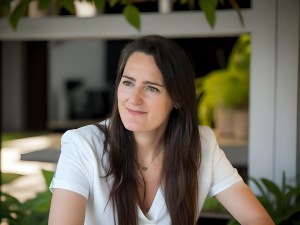
Carole Wedge, FAIA, LEED AP, is a distinguished leader in the architectural community with a career spanning nearly four decades. Carole's journey began at Shepley Bulfinch, a renowned national architecture and interior design firm, where she served in various capacities, culminating in her tenure as President and CEO. During her illustrious career at Shepley Bulfinch, Carole led the firm through a period of unprecedented growth and transformation, expanding its national footprint and spearheading initiatives to promote diversity, equity, and inclusion within the profession.
As President and CEO, Carole's visionary leadership reshaped Shepley Bulfinch's institutional identity, fostering a culture of openness, collaboration, and innovation. Under her guidance, the firm embarked on a trajectory of expansion, establishing offices in Boston, Durham, Hartford, Houston, and Phoenix, and diversifying its portfolio to include projects in academia, healthcare, urban development, housing and science and technology.
A trailblazer in her field, Carole's commitment to sustainability and environmentally responsive design earned her recognition as the firm's first LEED-accredited principal. She advocated for initiatives to integrate sustainable practices into Shepley Bulfinch's projects, positioning the firm as a leader in sustainable design.
Beyond her accomplishments at Shepley Bulfinch, Carole's contributions to the architectural profession extend to her advocacy for diversity and mentorship. She played a pivotal role in advancing women in architecture, leading Shepley Bulfinch to become a women-owned firm and advocating for inclusivity within the industry.
Throughout her career, Carole has been honoured with numerous awards and accolades, including induction as a Fellow in the American Institute of Architects and the prestigious Edward C. Kemper Award. Her leadership and dedication to excellence have left an indelible mark on the architectural community, inspiring future generations of architects to strive for greatness. In her retirement, Carole remains committed to supporting others as an executive coach and consultant, continuing her legacy of mentorship and advocacy for equity, diversity and inclusion in architecture.

Navigating Four Decades in Architecture
Carole Wedge's journey in architecture spans over four decades, a testament to her enduring commitment to the craft. Reflecting on her career beginnings, she traces her path back to a love for learning and a deep-seated fascination with both art and science. Originally hailing from the New York area, specifically New Jersey, Wedge initially pursued the sciences after high school, harbouring aspirations akin to those of Jacques Cousteau. However, she soon found the scientific path somewhat lacking in the creativity and practicality she sought.
It was during her time in university that Wedge's trajectory took an unexpected turn. While studying environmental design at the University of Colorado, she found herself drawn to a blend of science, sustainability, and planning—a blend that resonated deeply with her interests. This interdisciplinary program provided a fertile ground for her to explore design, environmental concerns, and architectural planning.
Yet, the early '80s presented a formidable challenge as the recession reshaped the landscape of architectural employment. Faced with the reality of diminishing opportunities in the field, Wedge pivoted, delving into the financial sector. Her time in finance, while initially divergent from her architectural pursuits, proved invaluable. Working for an investment company, she gained insights into the intricacies of investments and financial management—a perspective not commonly found among architects.
This detour, though unexpected, enriched Wedge's understanding of the business side of architecture. Armed with newfound knowledge and a reaffirmed passion for architecture, she eventually returned to academia, enrolling at the Boston Architectural College. This marked a pivotal moment as she immersed herself in a program that allowed her to balance work and study, integrating her professional experiences into her education.
From Mailroom to Mentorship at Shepley Bulfinch
Carole Wedge embarked on her architectural journey from the humble beginnings of the mailroom at Shepley Bulfinch. Recognising the need for a change in direction, Wedge embraced honesty as she navigated her career path. Contrary to the common notion of "fake it till you make it," Wedge discovered that transparency about her knowledge and limitations fostered a more supportive environment with her colleagues at Shepley.
At Shepley Bulfinch, she found herself surrounded by mentors—experienced architects who generously shared their insights and approaches to problem-solving. This nurturing environment, coupled with the firm's rich history spanning over a century, instilled in Wedge a deep sense of purpose and commitment. Through her journey, Carole Wedge not only found her place within the architectural community but also brought a unique perspective shaped by diverse experiences.
Over the course of three decades, Carole’s journey evolved from project work to expertise in the higher education sector, eventually leading to active participation in shaping the firm's trajectory. Her dedication to both the firm's goals and her personal interests propelled her forward, contributing to her integral role within Shepley Bulfinch's evolution as a firm.
Through Wedge's narrative, it becomes evident that success in architecture is not merely about individual accomplishments but about collective growth and collaboration.

Principles driving Decisions.
In her enduring journey with the firm, Carole Wedge transitioned from architect to associate to principal to board member and eventually to the role of CEO. Her trajectory within Shepley Bulfinch reflects a commitment to continuous growth and evolution. Wedge's responsibilities included leading the firm's expansion, and market diversification, becoming a woman-owned business (a fact of which Wedge is rightfully proud) and developing both strategic and succession plans for the firm.
Reflecting on her pivotal role in shaping the firm's development, Carole highlights her innate curiosity and propensity for learning. She approached each stage of her career as an opportunity to absorb knowledge, both from her colleagues and clients. This ethos translated into a proactive stance toward improving the firm, instilling a sense of ownership and responsibility for the growth of Shepley and its people.
“I think I would describe myself as an innate learner. I was always interested in the next thing and learning from everyone I encountered. I loved hearing from our clients and learning what they were worried about or thinking about.” she says.
Carole's leadership was characterised by a forward-thinking approach, attuned to the rapid changes in technology, globalisation, and diversity within the profession. She recognised the importance of aligning the firm with these evolving dynamics, advocating for a more responsive and nimble organisational structure.
The transformation of Shepley Bulfinch into a women-owned business unfolded organically, mirroring societal shifts and the firm's own ethos of diversity and inclusion. This was also reflected in their clientele who were advocating for promoting women and diverse teams. Wedge recounts how the ownership shift came gradually, culminating in a proud acknowledgement of their status as a woman-owned entity.
Carole adds “I was always interested in how could we make it better. Let's take responsibility for this place – if not us, then who? Some of this comes from being an older sister. I'm the oldest kid in my family and feel responsible. Because who else is gonna do it, if we don't? I had an innate drive and took initiative as a person. It can take time – but if we work on it, and stick with it – we can be so much better. I loved being in a place where your ideas could be implemented and you could see the improvement first hand.”
A strategic reimagining of the firm's governance structure was central to Shepley Bulfinch’s evolution. Recognising the limitations of a traditional, principal-centric model, Carole played a key role in fostering alignment and consensus among stakeholders. This included a shift towards a more inclusive strategic planning process, fostering cohesion and shared purpose among the firm's people.
She believes the pace of change from the 1980s to the 2020s was significant. These strategic planning efforts laid the groundwork for Shepley Bulfinch's expansion initiatives. Carole and her colleagues identified opportunities to broaden the firm's reach and access new markets. Their approach was guided by a commitment to talent acquisition, capacity building, and a desire to embrace exciting new opportunities while maintaining an authentic organisational identity.

Economic Turbulence, Finance Education and Business Experience
The intertwining of Carole Wedge's finance education and business experience profoundly influenced her career trajectory—from her roots as a designer to assuming more business-oriented roles and eventually ascending to the CEO position. This fusion of disciplines fostered a strategic mindset early on, laying the foundation for effective leadership. She acknowledges the multifaceted history of professional service industries, including architecture, which are inherently business-driven enterprises. The imperative to ensure financial viability became increasingly apparent, particularly for individuals like Wedge, hailing from middle-class backgrounds.
Historically, architecture faced challenges in reconciling artistic passion with sound business practices, often lacking adequate management expertise. However, within the context of Shepley Bulfinch, Wedge witnessed a generational shift—a cohort of individuals who recognised the necessity of running the firm as a profitable entity. They understood the importance of financial sustainability, equitable compensation for employees, and prudent fiscal management. This ethos underscored the imperative of building a thriving business to ensure the firm's longevity and success.
Wedge's tenure as CEO coincided with significant economic challenges, notably recession, the 2008 financial crisis and COVID. These tumultuous periods underscored the critical importance of financial resilience and adaptability. Despite the broader economic turmoil, Shepley Bulfinch navigated these crises with remarkable resilience. Even amidst the fallout of the 2008 meltdown, the firm found ways to thrive and continue supporting clients through good and bad times.
Through these experiences, Carole gained first-hand insight into the intricate interplay between business acumen and architectural practice. The strategic and financial expertise cultivated throughout her career enabled her to steer Shepley Bulfinch through turbulent waters, ensuring its continued success amidst economic uncertainty.
Business Acumen and Succession Planning
Wedge reflects on the pivotal moments that served as wake-up calls in her career, prompting her to deepen her understanding of business fundamentals. She emphasises the importance of hiring individuals with expertise in finance, technology, and other key areas, recognising that a robust understanding of these disciplines benefits the entire organisation. Wedge underscores the necessity of maintaining profitability across projects to ensure the firm's overall health, stressing that while design is paramount, a successful business model is equally crucial.
In discussing architectural education, Carole acknowledges a historical emphasis on design to the exclusion of business acumen. However, she argues that a successful business enables investments in people, projects, and research, ultimately enhancing the profession as a whole. She advocates for a shift in mindset among architects, urging them to take greater responsibility for the financial aspects of their work.
Drawing from her own experiences, Carole speaks on the importance of diversity in leadership, both in terms of skill sets and backgrounds. She highlights the need for a well-rounded team encompassing various disciplines to support and complement the creative aspects of architectural practice.
Wedge's sense of responsibility towards Shepley Bulfinch stems from her deep-rooted connection to the firm's history and culture. She views her role as a custodian of the firm's legacy, striving to nurture and develop future leaders. Her deliberate approach to succession planning involved a decade-long strategy focused on cultivating talent and ensuring a smooth transition of leadership.
In contrast to firms founded by individuals, the institutional character of Shepley Bulfinch is unique, with its rich legacy spanning generations. She views leadership transition as a natural part of the firm's evolution, underscoring the importance of passing the baton to the next generation while continuing to advance the firm's mission and values.

Growth Dynamics from a Strategic Planning Consultant
Indeed, Carole Wedge's journey from a young leader to CEO within a large firm provided invaluable insights into leadership and growth dynamics. Her experience of witnessing the firm's expansion first-hand offered a rich learning environment, illuminating the complexities of organisational influence and corporate strategy.
Transitioning from her role as CEO to a strategic planning consultant marked a deliberate choice for Wedge—a continuation of her passion for strategy and planning that had defined her career from the outset. Her decision to repurpose her career stemmed from a desire to leverage her expertise and experiences to mentor and support others in their business endeavours.
Carole's involvement with organisations like the AIA and participation in the Women's Leadership Summit further solidified her commitment to sharing knowledge and fostering a supportive environment for professional growth. She recognised the value of creating spaces where individuals could candidly share their thoughts and experiences, paving the way for collective learning, development and peer networks.
Personal autonomy and flexibility also played a significant role in her decision to embark on consultancy work. After a long and demanding career marked by extensive travel, she sought a new chapter that would afford her the freedom to prioritise personal pursuits while remaining engaged in the design profession.
Approach to Consultancy
Her time as a firm leader at Shepley Bulfinch consisted of building strong client relationships. Engaging with clients, whether CEOs or heads of facilities departments, allowed her to glean insights into their concerns and strategies. This client-centric approach not only enhanced the firm's value but also enriched her understanding of the broader industry landscape.
Observing the excitement and growth within her teams, Wedge draws parallels between project management and parenting, recognising the shared human-centric nature of both roles. She delves into her quest for knowledge, devouring books about organisational behaviour and strategy that offer insights applicable to both professional and personal domains.
Drawing from her background in sciences and environmentalism, Carole found resonance in collaborative and sustainable building projects. This interdisciplinary approach informed her consultancy practice, underlining the importance of humility and leveraging personal experiences to aid others as they navigate complex and diverse teams and organisations.
Wedge's journey into coaching further refined her approach, emphasising the power of asking insightful questions to facilitate problem-solving. Through active listening and dialogue, she empowers individuals to unlock their potential and navigate challenges with clarity and confidence.
Strategy Planning at Large-Scale Architecture Firms
Carole Wedge elaborates on the intricacies of strategic planning within large architecture practices, shedding light on its multifaceted components. She emphasises the significance of alignment as the cornerstone of effective strategy implementation. In her view, alignment involves ensuring coherence among all stakeholders within the organisation, fostering transparency, and encouraging employee engagement.
Drawing from her experiences, Carole underscores the importance of inclusivity in strategic planning, welcoming inputs from employees across all levels. She highlights the invaluable perspectives that individuals, regardless of seniority, bring to the table, emphasising the need for fresh insights in problem-solving. Her leadership approach prioritises transparency and open communication, creating an environment where questions are encouraged, and learning is embraced. She advocates for setting clear goals aligned with the firm's financial health, emphasising the prudent allocation of resources, particularly in marketing efforts.
Reflecting on her tenure, discernment in decision-making, and recognising the necessity of saying no to unproductive pursuits is important. She shares insights gleaned from her own journey, acknowledging the ongoing process of learning and adaptation inherent in the architectural profession.
Carole Wedge delves into its multifaceted layers and the varying approaches based on the scale of the organisation. Strategic planning, though not always explicitly documented, underpins decision-making processes within firms, guiding them toward defined objectives and ensuring alignment among stakeholders. Drawing parallels with other sectors, she highlights the role of strategic planning in achieving alignment and maximising effectiveness, likening it to getting everyone on the same bus toward a common destination.
Reflecting on her experience at Shepley, Wedge suggests a periodic review of strategic plans, typically every five to eight years, to adapt to evolving priorities and accomplishments. She stresses the role of strategic planning in streamlining decision-making processes, identifying distractions, and maintaining focus amid the allure of new opportunities inherent in a rapidly changing world.
Furthermore, Wedge discusses the necessity of financial planning for firm transitions, particularly as Baby Boomers phase out of leadership roles. She advocates for proactive planning to facilitate seamless succession and mitigate potential disruptions, emphasising the value of long-term strategic foresight in navigating organisational transitions. In aligning with Sara Kolata's shared perspective on strategic thinking, Wedge affirms her inclination toward conceptualisation over detailed execution, underscoring the importance of balancing visionary outlooks with meticulous planning for organisational success.
Challenges Aided by Strategic Planning
One recent consideration encountered by Carole involves a friend contemplating selling their business while grappling with uncertainties about their aspirations for the organisation and themselves. Consulting and strategic planning offer invaluable support in clarifying objectives and aligning actions with genuine desires, potentially minimising time wasted on indecision.
Moreover, challenges can arise when multiple business owners diverge in their visions or encounter personal differences over time. Such interpersonal dynamics, particularly among senior leaders, can permeate the organisational culture, breeding unnecessary stress and impeding progress. Strategic planning endeavours to resolve conflicts and alleviate tension, fostering a harmonious environment conducive to collective advancement.
Additionally, strategic planning serves as a platform for amplifying diverse perspectives within the organisation. It empowers emerging talents with innovative ideas, ensuring that their voices are heard and considered alongside those of established leaders. By facilitating open dialogue and inclusivity, strategic planning cultivates a culture of collaboration and innovation essential for sustained growth and success.
In discussing the intricacies of addressing challenging situations as a strategic planner, one approach Carole Wedge highlights involves individual conversations with relevant parties. Conducting interviews with each member or leader of the firm can yield valuable insights into their perspectives on the organisation's narrative. Another method she suggests is deploying anonymous surveys to gauge the overall satisfaction and sentiment within the organisation.
Carole emphasises the importance of recognising that discontentment may not always stem from organisational shortcomings but could also signify a misalignment between an individual and the workplace. Reflecting on generational shifts, she notes that contemporary professionals are more inclined to explore multiple career paths before settling down. This trend, she suggests, is influenced by the global economy and the abundance of information available. However, Carole emphasises the value of maintaining open channels for former employees to return—a practice she fondly refers to as "boomerang" hiring.
Sara concurs, citing instances where individuals venture into different sectors, such as real estate development, to broaden their skill set and perspectives. Carole underscores the notion that diverse experiences contribute to professional growth, regardless of whether they directly align with one's primary field of expertise. In essence, she advocates for a culture of continuous learning and exploration, where individuals are encouraged to pursue diverse opportunities and ultimately bring back valuable insights to their organisations.
Inspiring Professionals to Lead
Carole Wedge advocates for open communication and the cultivation of a supportive community within the architectural, engineering, and construction (AEC) industry. Drawing from personal experience, she highlights the value of connecting with peers and industry professionals to exchange insights and experiences.
Encouraging individuals to proactively seek out mentorship and networking opportunities, Carole emphasises the importance of learning from seasoned professionals. She recounts her own initiative to interview senior figures in her field to gain a deeper understanding of their career trajectories—a practice she believes is often overlooked but immensely beneficial. Furthermore, Carole advises young professionals to trust their instincts and remain authentic to themselves. Rather than emulating the perceived success of others, she advocates for self-discovery and the exploration of one's unique strengths and perspectives.
In conclusion, Carole Wedge's journey spanning four decades in architecture is a testament to her resilience, adaptability, and commitment to both personal growth and the advancement of the profession. From her humble beginnings in the mailroom to her pivotal role as CEO and strategic planning consultant, Wedge's career trajectory reflects a continual pursuit of knowledge, a dedication to excellence, and a deep-seated belief in the power of collaboration and inclusivity.
Her experiences underscore the importance of embracing diverse perspectives, fostering communication, and prioritising strategic planning as a means to navigate challenges and drive organisational success. Wedge's leadership philosophy, grounded in transparency, authenticity, and a relentless pursuit of innovation, serves as an inspiration to professionals across the architectural, engineering, and construction industries.
As she continues to mentor and empower future generations of architects, Carole Wedge leaves behind a legacy of leadership marked by integrity, vision, and a steadfast commitment to shaping a more resilient, inclusive, and forward-thinking architectural landscape.