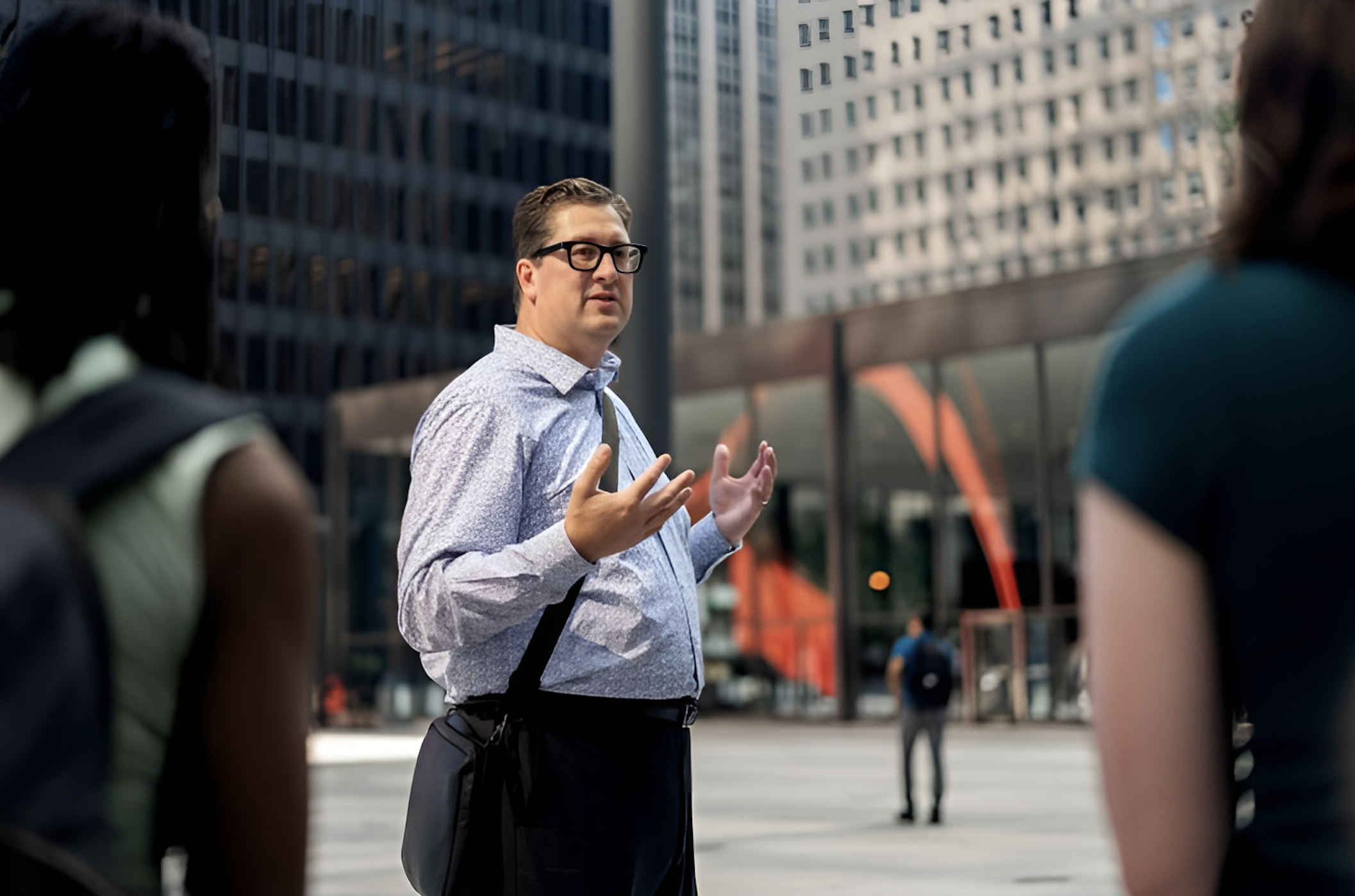
Matt Dumich, FAIA, brings a wealth of expertise and leadership as a Senior Principal at SmithGroup in Chicago, Illinois. With a distinguished career spanning diverse sectors including commercial buildings, interiors, and mixed-use developments, Dumich is recognised for his strategic vision and collaborative design approach. His portfolio boasts over 10,000,000 SF of constructed projects worldwide, showcasing his ability to execute complex, high-performance designs.
Beyond his professional achievements, Dumich is a dedicated advocate for the architectural profession. He has held numerous leadership positions within the American Institute of Architects (AIA), culminating in his presidency of AIA Chicago in 2017. Co-founding the AIA Chicago BRIDGE program in 2009, Dumich pioneered a mentoring initiative that has since fostered lasting relationships and provided leadership development for over 250 emerging architects.
Elevated to the AIA College of Fellows in 2017, Dumich's accolades include the 2013 AIA National Young Architects Award and recognition as one of Crain's Chicago Business 40 Under 40 in 2015. Outside of architecture, Dumich finds inspiration through travel and photography, reflecting his appreciation for diverse cultures and architectural styles.

Choosing a career can be daunting, especially for high school students unsure of their future paths. Many have clear aspirations, but some, like many architects, find their way into the profession unexpectedly. This led architect Matt Dumich to embrace uncertainty and the unexpected turns that life can take.
From a young age, Matt Dumich had a strong interest in art and people, despite not excelling in traditional skills often associated with architecture, like drawing or mathematics. His fascination with a wide array of subjects and the dynamic nature of architecture made it an appealing field for him. Architecture, being a profession that integrates diverse influences, seemed a perfect fit for someone with a generalist mindset.
His journey began at the University of Wisconsin-Milwaukee (UWM), a choice driven by a desire to study in a city environment while still being a manageable distance from home in the Chicago suburbs. Milwaukee, a beautiful city on the shores of Lake Michigan, provided an excellent urban backdrop for academic projects focused on urban issues and the complexities of city living.
After obtaining a Master's degree from UWM, returning to Chicago was the next step for Matt. The city's vibrant architectural landscape and proximity to family made it an ideal place to start a professional career. The opportunity to work on significant projects right from the beginning was a notable aspect of his journey. At his first job in Chicago, Matt worked on five projects, three of which were high-rise buildings that were built, and made for a remarkable experience. This early success provided a tangible connection between the drawings he created and the real structures that emerged, highlighting the impactful nature of architectural work within communities for Matt.
Collaborative Heart of SmithGroup
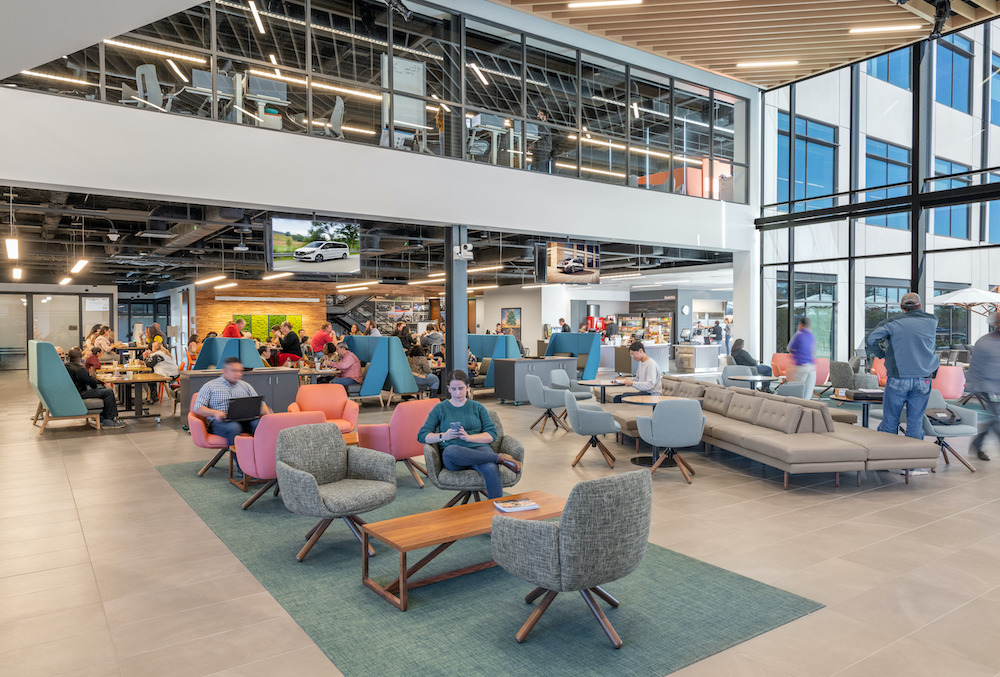
Matt leads a mixed-use and workplace studio at SmithGroup. His role involves collaborating with developers on a variety of projects, including mixed-use developments, and working with corporate clients on office spaces. The evolving nature of office spaces, especially in recent years, has added another layer of interest, focusing on how people use these environments. This diversity of work continues to be stimulating and rewarding for Matt.
Teamwork is at the heart of architectural success, and it's crucial to recognise the collaborative nature of the profession. Effective leadership in this field is not about seeking personal credit but about creating opportunities for every team member to have a voice. The power of diverse perspectives, which include both lived experiences and technical training, significantly contributes to a project's success. This approach involves engaging in interdisciplinary thinking and bringing together architects, engineers, and planners from the very beginning of a project. The most rewarding moments in the studio occur when, for example, a mechanical engineer shares insights on how the design of a space will be experienced by people.
It is essential to set aside preconceived notions about each person's role in a project and ensure everyone has a voice, as this inclusive environment is where the magic happens. Facilitating this process is a key leadership role. Reflecting on a career shaped by exceptional mentors, there is a strong sense of responsibility in Matt, to mentor others. This mentorship extends to fostering an engaging, growth-oriented environment within the office.
At SmithGroup, the goal is for teams to be highly engaged, to continuously learn and grow, and to be enthusiastic about their work. This mindset is hoped to permeate throughout the studio, creating a vibrant and collaborative workplace culture.
AIA Chicago BRIDGE Program
In 2009, Matt Dumich, alongside Mark Schwamel and Brett Taylor, co-founded the AIA Chicago BRIDGE Program. As recently licensed architects contemplating their next steps after achieving a significant career milestone, they were all actively involved in the American Institute of Architects (AIA). They noticed a recurring theme: whenever they invited respected architects to participate in events like portfolio reviews for students, the response was overwhelmingly positive, showcasing the generosity of the design community.
This observation inspired the creation of the BRIDGE Program, an initiative aimed at supporting emerging professionals. They applied for a national grant to develop a local, in-person mentoring group in Chicago, leveraging the expertise of the AIA Fellows, who are highly concentrated in the city. They invited 20 Fellows to support the program, which included an application process for emerging professionals seeking mentorship outside their offices.
Over the past 15 years, the BRIDGE Program has evolved into Dumich's proudest career achievement. It has created a robust community that supports architects at various stages of their careers, from those contemplating graduate school to individuals starting their own firms or considering job changes. The program has seen over 250 participants and has become a leadership development platform. Many BRIDGE mentees have gone on to serve on AIA boards, start their own firms, and win national and local young architect awards.
The continued relevance and success of the BRIDGE Program, even without direct involvement from its founders in over a decade, underscores its impact. Dumich remains engaged as a mentor, contributing to the thriving legacy of a program that continues to resonate with and support emerging architects.
Contributions to AIA: Advocacy, Design Excellence, and Emerging Professionals
Matt Dumich has long been an active member of the American Institute of Architects (AIA), serving in various leadership roles. His commitment to the organisation culminated in his presidency of AIA Chicago in 2017. During his tenure, he championed critical issues like climate change and resilience, promoting advocacy at multiple levels.
Locally, Dumich was part of a task force that engaged with the city of Chicago, collaborating with the mayor's office and the Department of Buildings. At the state level, he joined other architect leaders lobbying in Springfield, Illinois, discussing the significance of architecture and the built environment with state representatives. Nationally, he participated in AIA’s advocacy day in Washington, where architects from across the country met with representatives from the House and Senate to discuss topics such as tax credits for historic preservation, energy efficiency, and community support.
Beyond advocacy, Matt is proud to see AIA Chicago's expanded efforts to celebrate design excellence. The Design Awards program has grown into a public celebration, bringing architectural design excellence into the spotlight and even making appearances on local news. This public dialogue about architecture is a unique feature of a city like Chicago, where even casual conversations with an Uber driver can involve opinions about buildings and their designs.
Dumich has also been deeply involved in supporting emerging professionals. This support includes mentoring, career path guidance, and licensure preparation. Streamlining the licensure process and providing resources for young architects have been key focuses for him, reflecting his dedication to nurturing the next generation of architects.
Embracing Diversity, Equity, and Mentorship in the Profession
Over the past 25 years, the American Institute of Architects (AIA) has undergone significant changes, particularly in promoting diversity and equity within the profession. Initially, younger professionals were rare in AIA meetings, but efforts to include younger, emerging professionals have made a notable impact. Although racial diversity remains an ongoing challenge, the AIA, the profession at large, and firms like SmithGroup are actively working to create more equitable practices.
An aspect of this initiative is fostering an inclusive design approach that engages and reflects diverse communities. Mentoring plays a crucial role, extending beyond professional settings to include early educational outreach. Engaging with children at a young age helps them understand the career possibilities within the design and construction industry. This outreach continues through high school and college, as exemplified by SmithGroup's efforts to provide internships and scholarships to diverse students.
One notable initiative is SmithGroup's JEDI Scholarship Program, which supports and mentors students from historically black colleges and universities (HBCUs). Recognising the disparity in endowment levels between major state universities and HBCUs, this scholarship and internship aims to provide opportunities for growth and success. Once these students enter the profession, the focus shifts to keeping them on track to achieve licensure and become firm leaders.
Justice, Equity, Diversity, and Inclusion (JEDI) values are essential to the design process. Supporting diversity requires intentionality in team composition and bringing together talent from diverse backgrounds. This approach not only enriches the project but also ensures a process of continuous learning and adaptation with a design philosophy to: "make it, break it, fix it." This emphasises the importance of action, learning from mistakes, improving, and repeating the process of refinement. An iterative approach keeps the design process dynamic and rewarding, constantly offering new inspirations and challenges.
In addition, SmithGroup has an internal promotion nomination process, with a goal of ensuring equity and eliminating bias. Each office's nominating committee includes a national JEDI representative to support the process and ensure discussions around nominees are fair and inclusive, promoting the advancement of all qualified individuals.
Matt’s Role at SmithGroup
Architecture is inherently a team sport, requiring the collaboration of experts and diverse perspectives. Every significant project faces challenges, often requiring firm convictions to see them through to completion. Recently, Matt has been particularly intrigued by the concept of authenticity in project execution.
Authenticity becomes especially complex when working within different communities. Matt has experienced this firsthand, having worked on projects both locally and internationally. International projects present unique challenges due to cultural differences and the difficulty of fully understanding a foreign context. This underscores the importance of empathy and striving to comprehend the lived experiences and cultures of the communities served.
Focusing more on local projects in Chicago, Matt collaborates closely with stakeholders to develop projects that address specific community needs. These initiatives are often the most challenging. For instance, he is currently working with a landowner on the west side of Chicago who sought his advice on what to do with their property. Rather than focusing solely on the highest financial ROI, this project began with understanding community needs by researching recent quality-of-life studies, engaging community stakeholders, and consulting civic leaders.
The two key areas of need identified in this community are housing—particularly affordable housing—and health equity. While solutions are still being explored, the process highlights the importance of understanding and addressing specific community needs in project planning and development. Working with landowners who are not traditional real estate developers may require other project partners, adding another layer of complexity, but can result in more authentic community-focused developments.
Leadership requires maintaining composure, especially during times of crisis. This principle was tested during the pandemic when sudden disruptions transformed daily life and work. Projects were paused or cancelled, and the uncertainty of the situation was compounded by the social upheaval following George Floyd's murder. These events were stressors deeply impacting our society.
During this period, it was crucial for leaders to remain calm and empathic while projecting confidence to reassure team members. SmithGroup, founded in the 1860s and with a history spanning over 160 years, has demonstrated remarkable resilience through numerous challenges, including world wars. The firm's diversified markets, geographic coverage, and fiscal responsibility positioned it well to navigate the pandemic's uncertainties.
This period required different leadership and communication styles, especially as work transitioned to a virtual environment overnight. The experience underscored the importance of intentionality, adaptability and learning, with significant changes in how teams function and communicate.
Looking ahead, Dumich sees mixed-use development as a key trend. Daily work patterns are evolving, although they have somewhat normalised since the height of the pandemic. This shift underscores the need for adaptive strategies in architectural practice, ensuring that both the team and the projects can thrive in a changing world.
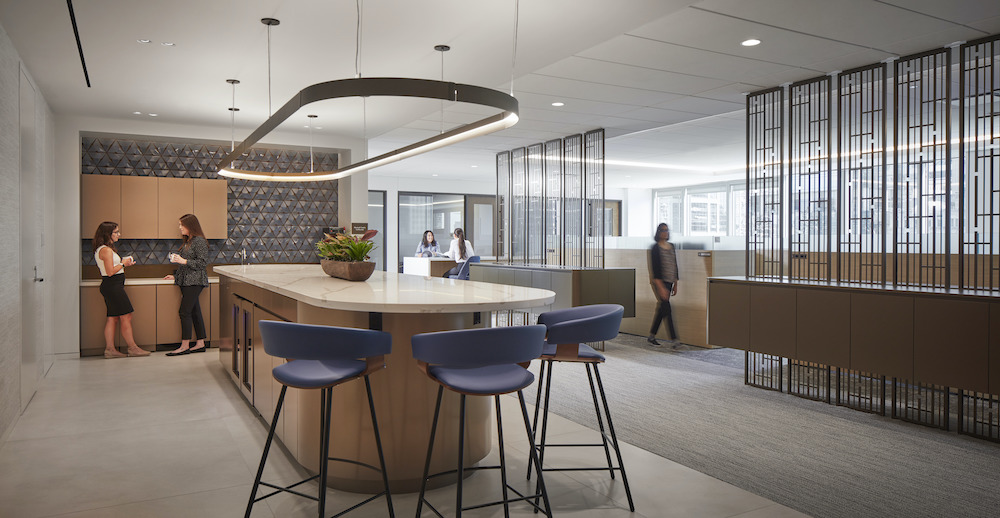
The Future of Office Space: Adaptability and Mixed-Use
Downtown Chicago's foot traffic has stabilised over the past year with a shift towards flexible hybrid work policies. At SmithGroup, employees are encouraged to come into the office on Tuesdays and Thursdays, plus one additional day of their choice, reflecting a broader trend of varied return-to-office strategies across organisations. While some companies require full-time in-office work, others adopt a more flexible approach.
Despite these changes, the office remains a crucial hub for mentorship, innovation, and company culture. Many clients are reducing their office footprints but investing in higher-quality, functional spaces that support hybrid work. This includes technology for seamless interaction between on-site and remote workers, enhanced acoustics, and a variety of spaces for in person and virtual meetings. There is also a growing emphasis on community spaces to foster team bonding and collaboration.
The current office space market is oversaturated, leading cities and building owners to explore alternative uses for these buildings. This aligns with Matt’s vision of a mixed-use future. Large commercial buildings, which are abundant in urban areas, often have too much space to be converted into a single use. Converting commercial buildings to residential use is complex, but some successful projects are converting parts of buildings into residential units while maintaining other sections as offices or repurposing them for other uses, such as hotels or even vertical farming.
This evolution is beneficial for cities, as a mix of uses can lead to more vibrant downtown areas. The struggle of office-centric downtowns highlights the need for diverse functionalities that support both living and working. However, this transformation is intricate and will require creative design, partnerships, and financing to successfully implement.
Sustainability and Innovation
Sustainability and climate resilience are essential components of architectural design. Sustainability, which was often discussed as a feel-good aspect of a project is a real and impactful change that is also a solid business case. Fortunately, recent years have seen institutional investors set goals related to climate and sustainability, integrating these targets into their financial and real estate portfolios. Wall Street's support for higher climate and ESG targets has created an ideal environment for advancing sustainable initiatives.
This increased investment is expected to drive greater adoption of sustainable technologies, such as photovoltaic solar panels and advanced heat pump systems. As demand for these systems rises, innovation will flourish, leading to lower costs and further widespread adoption. This cycle promises to bring significant advancements in sustainability, making it a core aspect of architectural practice and development.
Sustainability and climate change considerations are integral to every project at SmithGroup, an architecture and engineering firm known for high performance building design that minimises environmental impact. Notably, SmithGroup designed the first-ever LEED Platinum building two decades ago, demonstrating a long-standing commitment to sustainable design.
The firm continues to push the boundaries of innovation in sustainability. Current explorations include using mass timber structures and all-electric building systems to reduce a building’s carbon footprint. Recent discussions at SmithGroup have delved into integrating geothermal systems and converting waste into energy, which offer a more efficient alternative to traditional gas-fired boilers.
One exemplary project that embodies these sustainable principles is located in Racine, Wisconsin. This initiative involves a community centre and a health clinic designed to achieve net zero energy. Beyond its environmental benefits, the project addresses health equity by providing essential healthcare services to an underserved community. The dual function of the facility as both a health clinic and community centre highlights the broader concept of sustainability, which encompasses social sustainability, community well-being, and health.
The Importance of Inclusive Design
In the realm of architecture and design, fostering an authentic sense of community is paramount as it is an inclusive process that brings together diverse perspectives to truly understand the needs and dynamics of a community, whether it is a neighbourhood or an organisation.
A practical application of this philosophy is seen in workplace design. By assembling cross-functional, multi-generational groups from within an organisation, architects can gain insights into the specific needs of individuals and groups. This methodology ensures that input is gathered not only from leadership but also from a broad cross-section of the organisation.
A notable example of this approach involved a law firm with 40 attorneys that had signed a 10-year lease. The firm’s managing partners, who planned to retire before the lease expired, prioritised designing the office for the next generation rather than for themselves. This decision underscored the importance of considering the perspectives of younger employees, which undoubtedly influenced a different design outcome than if it had been led solely by the managing partners.
Matt Dumich envisions a future where architects contribute significantly by becoming better listeners and more effective conveners, engaging stakeholders to create projects that authentically reflect their users. Incorporating diverse voices in the design process leads to greater engagement and commitment from all stakeholders. This inclusive strategy not only enhances the design itself but also fosters a sense of ownership and investment among those involved, contributing to the overall success and authenticity of the project.
Advocacy and Mentorship in Career Growth
Self-advocacy is essential for professional development. Individuals must seek out mentors who can provide guidance, but ultimately, they must take charge of their own advocacy. Early in his career, impatience was often viewed as a negative, but it was actually a manifestation of ambition and a desire to achieve more. Balancing patience with a drive for greater opportunities is crucial. If current opportunities are lacking, it’s important to aspire for more, ask for more, and continuously strive for career advancement.
Additionally, understanding one's value is critical. Mentorship plays a crucial role in professional growth and development. Programs like the BRIDGE Program provide a platform where mentees can have impartial conversations with mentors who are not their direct supervisors. This safe space allows for open discussions about growth opportunities and helps mentees recognise if their current path aligns with their career goals and values. If not, they should vocally advocate with firm leadership and potentially explore other opportunities. Regularly assessing one's path ensures continuous advancement towards ultimate career goals, which is a process that requires both self-reflection and external feedback.
The BRIDGE Program stands as a testament to the enduring impact of mentorship and creating a legacy that transcends individuals and projects. The goal is to foster generosity and knowledge sharing in the profession, equip emerging architects for success, and ultimately transform places and spaces through design. Every person positively influenced can go on to achieve great things and become mentors themselves, creating a ripple effect with the power to profoundly impact thousands.
Better architects lead to better buildings and better cities. Mentorship extends beyond office walls to clients, guiding them through experiences and processes to solve problems effectively. This holistic approach not only enhances the profession but also contributes to building stronger, more resilient communities. The belief that mentorship can have a profound impact on the world underscores the transformative power of architecture and the professionals that shape it.
Matt Dumich's career path, shaped by a passion for people and community, highlights the dynamic nature of the profession and the importance of adaptability to achieve meaningful impacts. Through experience, leadership, and advocacy, Dumich has exemplified resilience and innovation in his career.
Dumich's leadership extends beyond project execution; it embodies a vision where architecture serves as a catalyst for community engagement and sustainable development. Looking ahead, Matt envisions architecture evolving to meet the complex challenges of our time, from climate resilience to social equity. His belief in the power of mentorship and collaborative design underscores a future where architects play a pivotal role in shaping resilient cities and vibrant communities where each project becomes an opportunity to innovate, advocate, and build a better future for all.