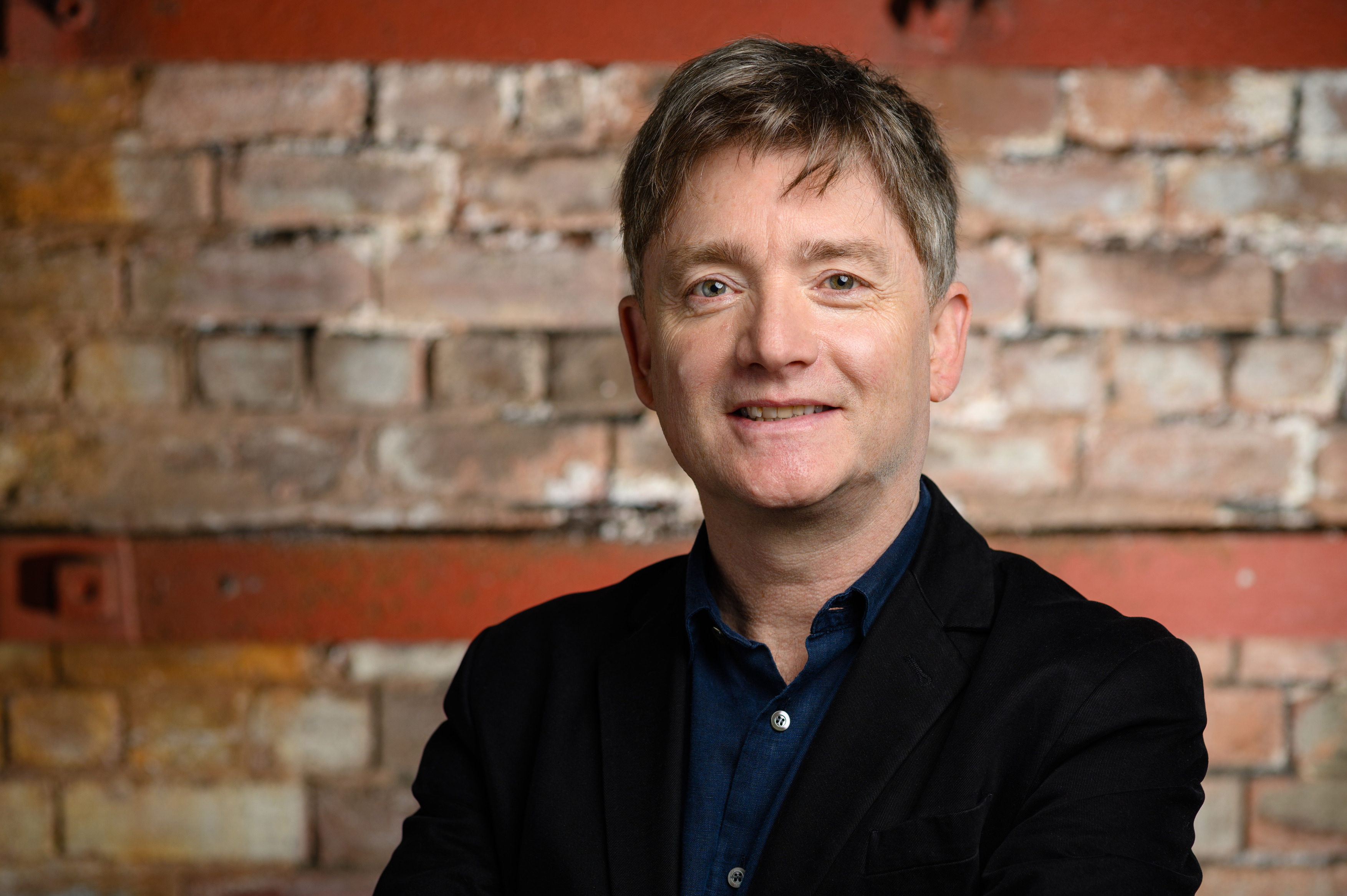
Philip originally joined HLM in 1997 as a Part II student, becoming Regional Director by 2003. After a period at Atkins as Head of Education and then UK Design Director, he rejoined HLM in 2018 as Director and Head of Design. He became the practice’s Chair in April 2024.
While Philip’s main expertise lies in education, he has gained a wealth of experience across many sectors, including workplace, justice, healthcare, residential and masterplanning.
Philip is responsible for driving design culture across our studios and has been instrumental in establishing HLM’s ‘Thoughtful Design’ ethos. He passionately believes that good design can positively impact people and society. This ethos now forms the bedrock of HLM’s portfolio.
Philip regularly speaks at conferences and writes articles for industry publications on topics such as design for wellbeing, social value, client engagement, modern methods of construction, and environmental sustainability. He is a member of the University Design Forum Research Group and Design Yorkshire Review Panel. In 2019 he was made a Visiting Professor at the University of Leeds and in 2020 a Fellow of the RIBA in recognition of his contribution to architecture and the arts.
Philip is also a member of the Performing Rights Society and was a regular contributor to the New Musical Express (NME) in the late ‘80s and has at least one entry in the Guinness Book of Hit Records!
Pursuing a Rock Star Life
After university, Philip didn't immediately dive into architecture. Instead, he found himself in a band. “We were pretty good, and we got a break that took us from playing for friends to supporting a big band on a European tour. It was surreal, playing in stadiums and signing a record deal. When I presented my final diploma project, examiners asked if I had a job lined up? I said, ‘Yeah, I’m going to be a rock star’.
For about seven years, Philip toured, appeared on radio and TV, and even had records in the charts. “But then the music industry shifted towards dance music, and bands like ours were no longer in vogue. We got dropped by the American record company, and I had a young family to support. I thought I’d given music a good shot, so, I dusted off my architecture portfolio – quite literally - and started looking for work,” Philip recalls with a bit of scepticism.
By a happy coincidence, Philip got an interview with HLM's chairman, Chris Liddle, who also had a passion for music. “He was intrigued by my background, and I joke that I got the job because he thought I might join his band. I started as a part two student and quickly progressed. Within six years, I was a studio director in Sheffield, thanks to HLM's meritocratic environment.”
Transitioning from rockstar life to architecture was a culture shock.
Philip admits, “Going from red carpet events to taking the bus to work every day was a big come-down. But it taught me resilience and adaptability, qualities that are crucial in any leadership role.” His story is a testament to the power of adaptability and the unexpected paths that can lead to success.
Gradually, he got the bug for architecture.
“The first building I designed was a holistic cancer care centre, a small circular building. A bit like a Maggie’s Centre but on a PFI budget. I completely immersed myself in it, and that's when I truly caught the architecture bug. I threw myself into it from there on in. I realised what a great career this is, where you can shape the quality of the environment and the experiences of others. I found that I was good at winning work. I became a studio director, which was great, and then I was headhunted by a large multidisciplinary firm to head their education sector.”
Philip’s knack for work-winning and eye for design led to him becoming the UK design director for Atkins. Eventually, Atkins (now AtkinsRealis) was acquired by SNC-Lavalin, a Canadian oil and gas company. At that point, it felt like the right time to leave. Philip recalls, “I wasn't actively looking, but then HLM approached me. They were transforming into an Employee Ownership Trust (EOT) and transitioning to new leadership. They asked if I would be interested in joining the board. It felt like the planets aligned because I had enjoyed my previous time at HLM and still had friends and connections there. It shows the importance of maintaining relationships in this industry.”
Philip knew and liked the HLM culture, and knowing he could influence the business's direction was a key incentive to take the role. “So, in 2018, I rejoined as a director and head of design. Then, in April of this year, I became Chair.”
Design Ethos with Three Pillars
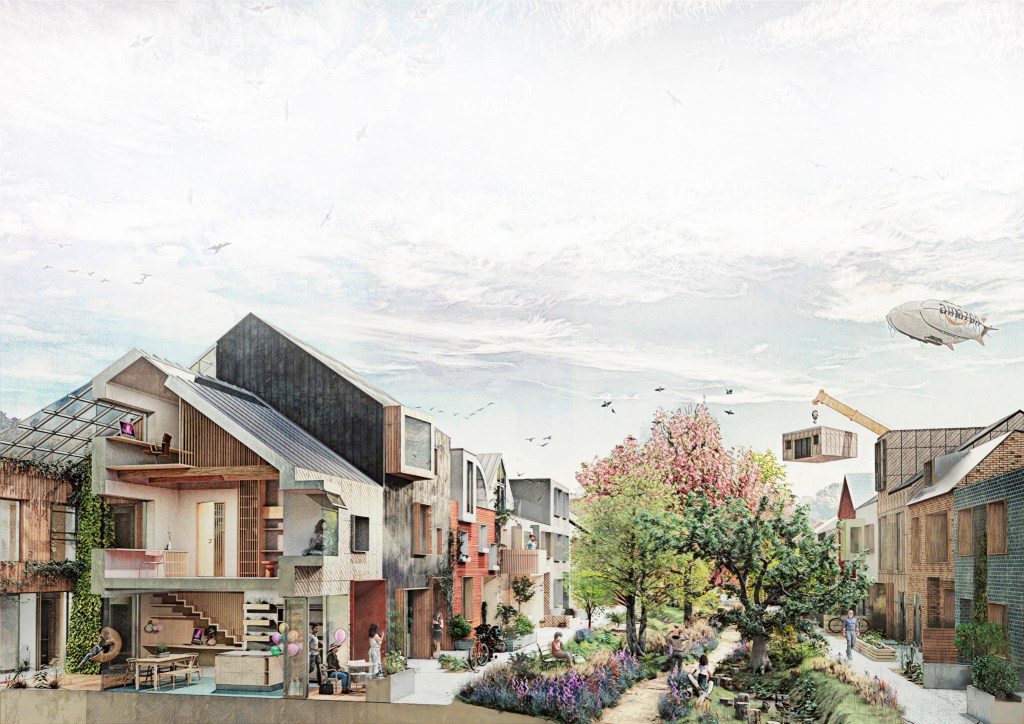
Being exposed to different types of clients with various agendas is always a learning process. He suggests, “My design philosophy is that projects should grow organically from the specifics of their climate, context, and culture of the client. When you address these three aspects thoughtfully, in the round, usually something really good emerges. It's like a three-legged stool; if you remove one leg, it tips over. All three elements need to be in place for success.”
Exploring different client cultures and priorities is equally crucial. “I've worked in healthcare and the justice sector, which is particularly fascinating. The architecture of incarceration might not seem appealing at first, but if you believe, as I do, that the built environment can influence behaviour, then designing prisons becomes a compelling challenge. It's about more than just confinement; it's about health, interaction, and bringing humanity to the experience. Many people misunderstand this—the punishment for crime is the loss of liberty, not the quality of the environment you serve your sentence within.”
Designing prisons involves navigating security requirements while creating a nurturing environment. This thoughtful design ethos is about prioritising individuals and communities in the decision-making process. Philip reminds us, “It's not just about technical aspects; it's about the people who inhabit these spaces. In our profession, there's often a focus on the finished product, the 'money shot,' but people are frequently absent from these images. This lack of focus on people is telling.”
I think many of us can relate to this sentiment. Thankfully our profession is maturing and actively seeking feedback from stakeholder groups directly affected by our design decisions.
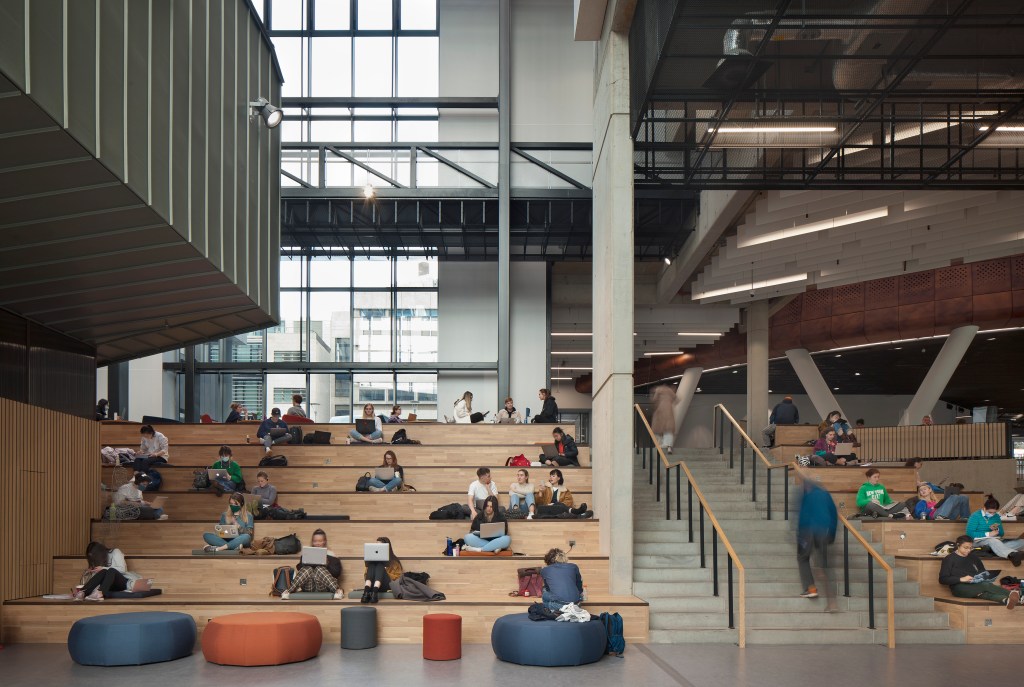
James McCune Smith Learning Hub - JMS. Image credit: David Barbour
Data-Driven Design
HLM was founded on a competition win for a new Civic Centre in Paisley in 1964, and a golden thread through the practice’s work is the social aspect of architecture. Philip says with conviction, “Putting people at the heart of design decisions is key for us. This isn't just fine philosophical words; we back it up with tools that help our designers make informed decisions that impact people.
We have a briefing tool that focuses on health and well-being, asking users about their experiences with the built environment - whether it's about views, movement, connectivity, or indoor climate.”
Health Check is an in-house developed software that evaluates design proposals against established insights. It advises on aspects like window size or facade design to ensure the built environment aligns with the brief's priorities. Philip suggests “It's like having an experienced friend guiding you through key environmental design decisions.” Additionally, HLM has a post-occupancy evaluation tool that assesses how people experience the completed project, focusing again on health and well-being. This approach ensures that design teams consider the entire lifecycle of a project, from conception to post-occupancy.
Feedback from post-occupancy evaluations is crucial as it informs the design of future projects. “For instance, we worked on student residences for a university and conducted a post-occupancy evaluation. This process revealed several insights that we could address in subsequent designs.”
As an example, Philip elaborates, “There were some basic issues like shower trays not draining quickly enough or door closers making noise at night, which might seem trivial but can significantly affect students' lives. A student kept awake by a door clunking when they have an exam the next day won’t perform as well.”
This attention to detail and a distinct focus on gaining feedback from the end-user is a thread that weaves its way through our conversation. Especially as it relates to how users experience architecture and how we can better communicate these ideas to our clients.
Beyond these technical aspects, a more profound insight emerged. Philip remembers, “We surveyed two student halls—one with a large, double-height social space and one without. The hall with the social space rated significantly higher among students. This common room allowed students to socialise, work independently or in small groups, or simply escape their bedrooms.” Despite the additional cost associated with providing such spaces, the post-occupancy evaluation tool, which we call Impact, helped to quantify the social value of these spaces. This in turn can be communicated to future clients and inform design proposals and budgets.
HLM collaborated with a specialist consultant, Hatch, who used data from the Impact surveys to perform a social value calculation. They drew on studies from the social value bank, using proxy evaluations to determine the project's social value. The hall with the social space provided a greater social impact, as evidenced by higher application rates compared to the other hall.
This data gave the client a solid basis for decision-making. It demonstrated that while the social space required more capital investment, it was worth it due to the enhanced social value it provided.
This underscores the importance of thoughtful design focused on people rather than design for its own sake. Philip advocates, “It's about prioritising people in the design process and ensuring that every decision enhances their experience and well-being.”
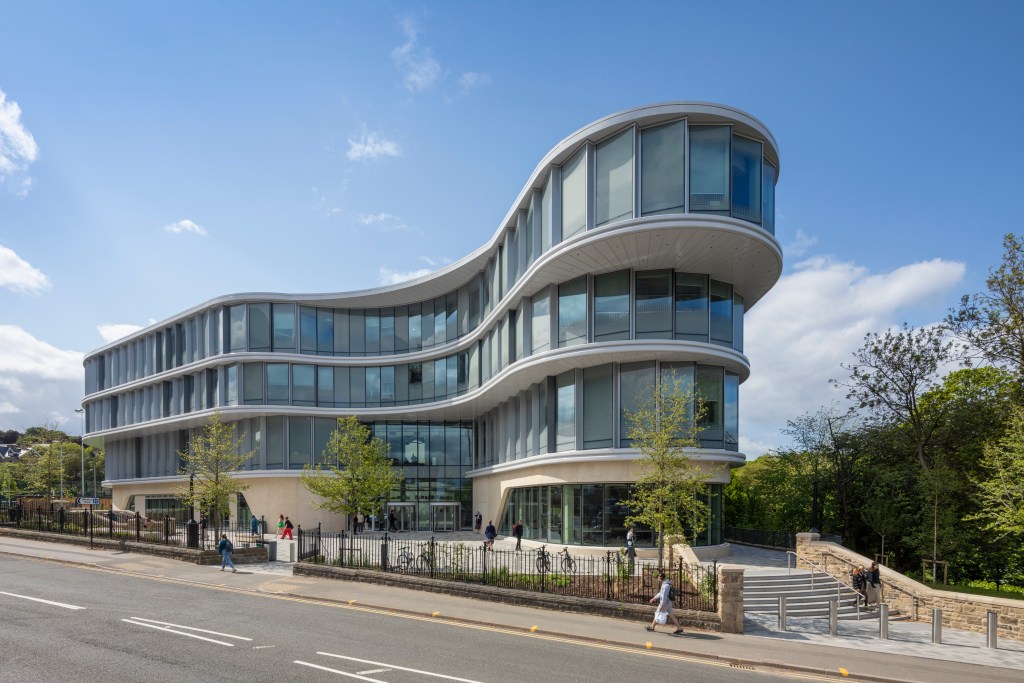

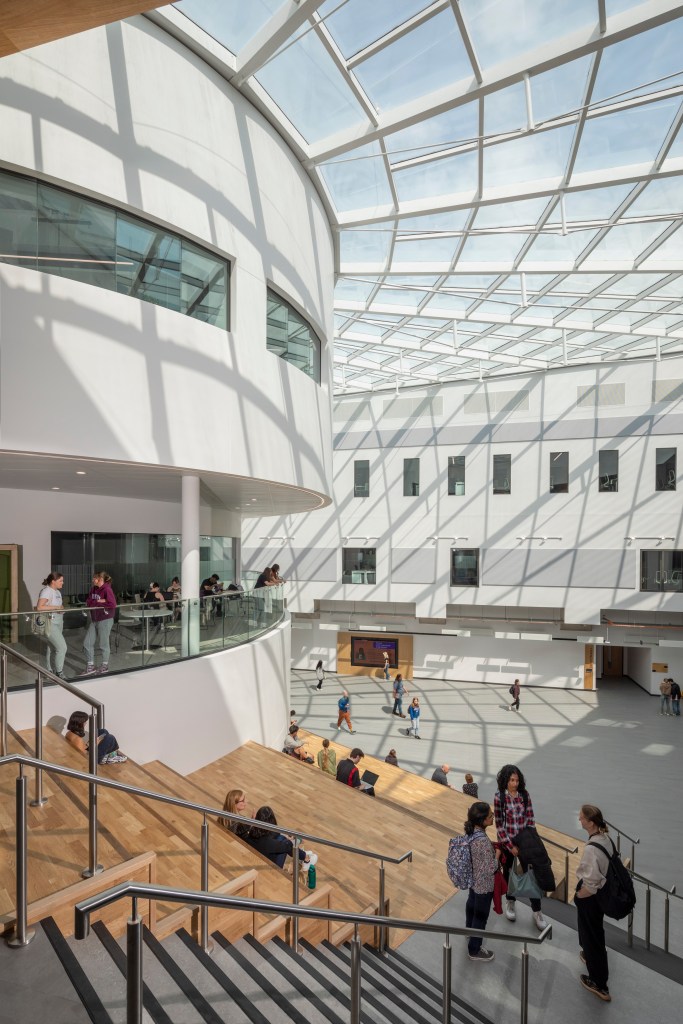
The Wave for The University of Sheffield is home to the Faculty of Social Sciences. The BREEAM Outstanding building opened in spring 2023. Image credit: HLM Architects
Shifts in Construction Methodology
Over the past five years or so, there's been a growing focus on modern methods of construction (MMC), also known as design for manufacturing and assembly or off-site construction. This shift is driven by several factors, including a significant skills shortage in the construction industry. The UK construction workforce is ageing, with many workers over 55 set to retire soon. Brexit has compounded this issue by limiting access to the European labour market, and the industry struggles to attract young people due to outdated perceptions of construction as a dirty and unsafe workplace.
Bringing construction jobs into a manufacturing environment can make the sector more appealing to younger generations. These environments are safer, cleaner, and warmer, and the jobs often require higher skills. He admits, “I've always embraced off-site construction, perhaps influenced by my upbringing in the Midlands, a hub for car manufacturing. The engineering processes and efficiencies in manufacturing have always impressed me. It seems inefficient to reinvent the wheel with each project when so much time and cost could be saved.”
When he rejoined HLM six years ago, he was keen to promote this approach. “We launched a campaign called "Think Offsite First," encouraging both internal and external stakeholders to embrace these methods. Some designers fear that MMC might restrict their creativity or reduce their importance in the design process, but I disagree. The campaign aimed to demonstrate that MMC can save time and resources, allowing us to focus on aspects that matter most to our clients and building users.”
The market for buildings using MMC has grown significantly, creating new opportunities. By embracing these methods as an industry, we can address labour shortages and make construction more sustainable and appealing to future generations.
There have been casualties in the market, with many new businesses trying to enter but not quite succeeding, often due to factors beyond their control. The planning process can be slow, and the government pipeline of work hasn't always been consistent. In manufacturing, unlike traditional construction, you can't stop and start; it needs to be a continuous process for efficiency. Philip attests, “We've now embraced modern methods of construction and data management across all our sectors, and I find it fascinating.” Acknowledging that this is a generational shift in a positive direction.
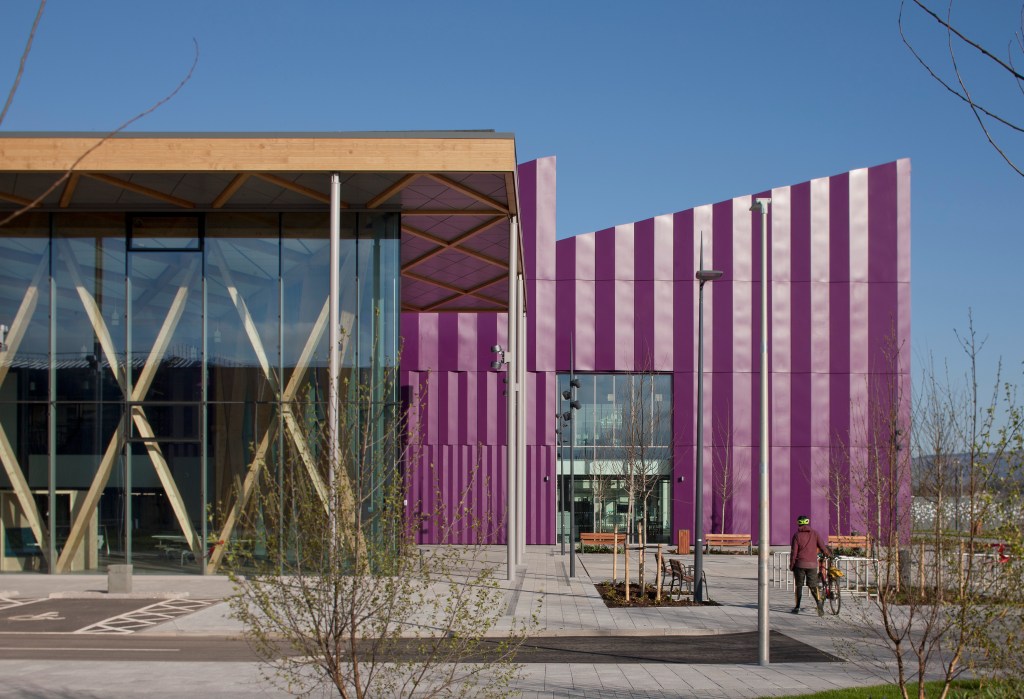
National Manufacturing Institute Scotland - NMIS. Image credit: David Barbour
Ambassadors for the Right Culture
He goes further to emphasise, it's crucial to have a clear vision and values for your business. “We're about to launch the second iteration of our strategic objectives, and as an employee ownership trust (EOT), we encourage an entrepreneurial spirit among our 220 ‘business owners’. The EOT consolidates the ethos that we're all in this together, and the success of the practice benefits everyone. Defining our strategic objectives is about instilling pride and confidence in our ambitions and identity, and empowering everyone to be ambassadors for our culture.”
Philip regularly speaks at conferences and writes for industry publications. He says simply, “I'm motivated by a genuine passion for the topics I discuss. I don't write or speak for business development purposes alone; it's about sharing what I truly care about. Sometimes, I might not publish anything for a while, but when I do, it will be a topic which I’m passionate about: social value, environmental sustainability, regenerative design, MMC. I look to develop innovation by blending themes and ideas, much like how new music genres emerge. Much of this thinking has driven the investment that HLM has made in research and development. We’ve recently invested in a strategic development tool which encompasses a variety of these themes and enables our clients to make better informed decisions around their estates. This concept came from a member of staff who saw the value that digital data and new ways of solving our client’s challenges could combine to create a powerful tool, which we call HLM_Place. It’s a great example of how the EOT and our inclusive culture is empowering our staff to come forward with innovative ideas.”
As a representative of the University Design Forum for the past four years, Philip enjoys its focus on researching the impact of design on higher education institutions. “I've led research on innovation districts, which are growing internationally. The forum has produced papers on social learning spaces, inclusivity, and sustainability. Being part of this group means constantly learning from some of the most intelligent people in the industry. It's an incredible opportunity for professional growth.” A clear proponent of continuous learning, Philip is actively leading by example.
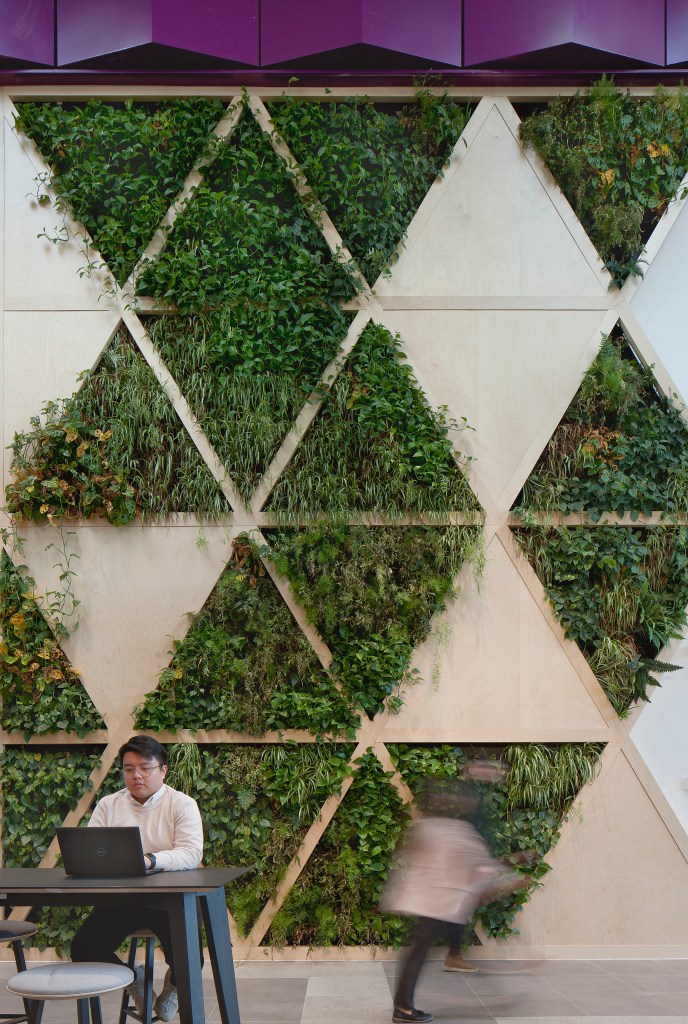

National Manufacturing Institute Scotland - NMIS. Image credit: David Barbour
Truly Engaging Your Clients
Client engagement is vital in any project, and it's something Philip and his teams focus on heavily. The term ‘client’ can refer to various stakeholders - the building users, the project managers, or the project sponsors. Establishing strong client relationships is fundamental in architecture because clients choose architects based on trust. Philip reiterates, “We strive to absorb as much as we can from clients to gain a comprehensive understanding of their needs – ideally, we want to understand this better than they do themselves - to solve the challenges they know they face as well as, perhaps, those they’re unaware of.”
In higher education, social learning spaces have become increasingly important. There's a growing awareness of how the quality of the built environment impacts performance. Studies show that good daylight, views, and air quality significantly affect our performance. In the UK, even a slight change in national exam pass rates can cause a stir, so improving learning environments could lead to substantial improvements.
Unfortunately, the quality of school environments is often lacking, and much work remains to be done. It's not necessarily a new trend, but there's a renewed focus on creating quality environments with good lighting, air quality, acoustics, stable temperatures, and safe materials. Getting students outside is also crucial. Philip prompts, “We've worked on "forest schools," where outdoor learning is emphasised, making education more practical and relevant.”
The strong message here is to engage with your clients and key stakeholders to deeply understand what they need - beyond what they are initially asking for. This will help you to build trust and deliver exceptional value.
Big Challenges to Overcome
One of the biggest challenges in our industry is creating environments that cater to diverse needs, such as those in special schools for students with disabilities, whether physical or mental. These projects present unique challenges and opportunities for designers. Understanding how different conditions, like people with autism, are affected by the built environment is fascinating and essential. Addressing these challenges requires thoughtful design that considers the specific needs of all users.
Philip laments the fact that student debt is a significant challenge in architecture, particularly in the UK. Unless students come from relatively wealthy backgrounds, the burden of debt can be immense. Architecture students face an average debt of around £86,000 due to the lengthy seven-year study period. This is especially daunting given that architecture is not a highly-paid profession, contrary to public perception. Many people assume architects earn as much as doctors or lawyers, but that's not the reality.
Philip feels the additional responsibility on this issue because he teaches and wants to be transparent with his students about the industry's challenges. “It's a tough profession, and unless you're truly committed, it can be overwhelming. Architecture is a vocation, and few make a lot of money from it. To ensure the profession's health, it's crucial to make it inclusive, allowing people from all backgrounds to pursue it without being deterred by debt.”


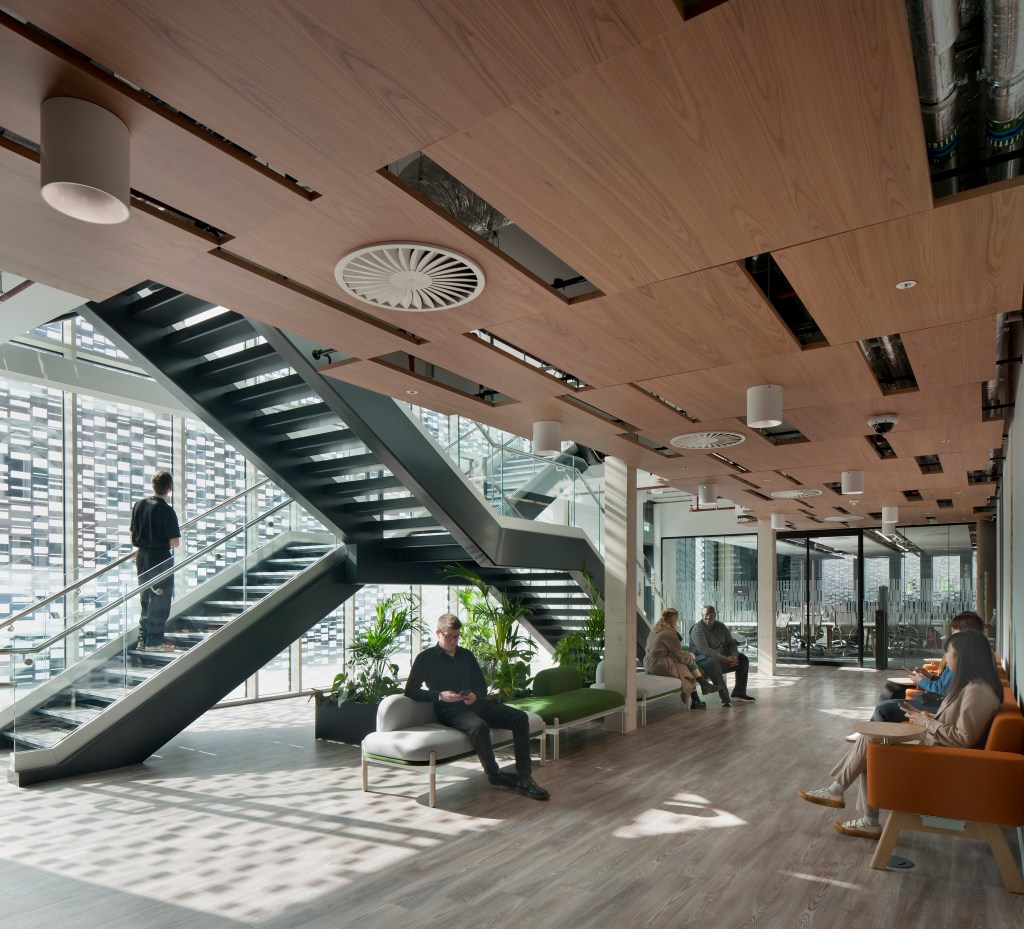
London Institute for Healthcare Engineering - LIHE. Image credit: David Barbour
Manipulating Data In a Good Way
The future of architecture is becoming increasingly complex, with more specialisation. Philip provokes “We're in the midst of the fourth industrial revolution, where data is crucial. Manipulating digital data is becoming central to our work. At HLM, we're investing in digital tools and skills to support our clients, like digital twins and strategic asset management technologies.”
The traditional delivery functions can be mechanised, and we're seeing this with the proliferation of BIM. The real value for architects will be at the fringes of our current work. Philip suggests we might see new stages in the RIBA plan of work, focusing on asset management and strategic investment advice. “Our goal is to be trusted advisors to our clients, guiding them in managing and investing in their assets. It might not sound glamorous put that way, but it’s what architects need to be doing to add value and is essential for the future of our profession. Worthwhile design will emerge from this.”
He verifies, that it’s about being there when the key decisions need to be made. “If we're alongside our clients, we can significantly impact their success. Take a university estate, for example. They might have a hundred buildings, a certain number of students, a business model, and various assets in different conditions. Managing all of this, along with delivering a timetable and addressing any crumbling infrastructure, is incredibly complex. This is where HLM aims to become more involved, supporting clients in making strategic decisions.” A refreshing approach to the role of an architect and a step toward shaping higher-quality built environments that factor in the design and environmental decisions as early as possible.
Philip recently gave a presentation at the University Design Forum conference about data-driven design. “We've developed tools that span all RIBA stages, but there's a misconception that these tools can replace the creative process. That's not the case at all. The data simply enriches and informs the creative process, allowing us to make more informed decisions. It doesn't replace the need for creativity; it enhances it.”
Key Takeaways
Philip's journey from a music career to being at the helm of an innovative and people-centred architecture practice underscores the importance of adaptability and creativity as key leadership traits for success. He highlights the critical role of modern methods of construction in addressing labour shortages and enhancing sustainability, emphasising the need for an inclusive approach that attracts diverse talent to the field. He champions data-driven design, not as a replacement for creativity but as a tool to enrich and inform the design process.
Client engagement and seeking feedback from end-users emerge as a crucial step toward gathering the right data and nurturing ambassadors for your business. HLM’s focus is on understanding the cultural, climatic, and contextual nuances of each of their projects, to quantify the social value and the impact of the built environment on performance. Particularly in educational settings, but also more broadly, the need for thoughtful design that prioritises human experience will only grow stronger.
Looking ahead, Philip envisions a future where architectural firms like HLM become trusted advisors, guiding clients through strategic asset management and investment decisions as well as more traditional design and delivery roles. By manipulating data, prioritising people and fostering a culture of innovation and collaboration, the industry can address its challenges and serve communities more effectively. Philip advocates that architecture must evolve to remain relevant, and those who lead with purpose and creativity will shape the future.
As Philip notes, “Architecture is a multifaceted discipline in a fast-changing world. We need to be open to new kinds of collaboration and be more authentic in our behaviours. In this way we will create a new and irresistible dynamic for our profession.”