Matthias Hollwich, is the visionary founder of HWKN, a New York-based collective of architects, sculptors, social strategists, and innovators committed to reshaping our world through architecture. Matthias, a native of Germany, studied architecture in his homeland before moving to the United States, where he now applies a unique blend of German precision and American dynamism to his work. His innovative approach has not gone unnoticed; he's been recognized in Fast Company's list of the Top 10 Most Innovative Architects globally and Business Insider's roster of Top Business Visionaries.
Matthias is also a published author. His first book, UmBauhaus - Updating Modernism, done in collaboration with Rainer Weisbach and the Bauhaus Foundation, debuted in 2006. His subsequent work, New Aging: Live Smarter Now to Live Better Forever, challenges conventional views on aging and promotes design that enhances life at every stage.
A respected voice in the fields of architecture, sustainability, and aging, Matthias is a frequent speaker at major global forums, including TED, PICNIC, Strelka, and the Conscious City conference. In 2019, he captured imaginations at the me Convention with his talk on "Unforgettable Architecture." Through his writings, speeches, and designs, Matthias Hollwich continues to influence and inspire the architectural landscape worldwide.
Matthias Hollwich starts by recounting his journey, rooted in Germany's middle-class milieu, where his fascination with architecture blossomed amidst conversations with fellow students. His trajectory was punctuated by pivotal moments: a transformative summer school in Venice, an internship in America that sparked a longing for a broader vision, and subsequent ventures across continents. From assisting luminaries like Peter Eisenman to establishing his own firm, Hollwich's path was marked by curiosity beyond traditional architecture, leading to ventures in parametric design and innovation consultancy.
In 2007, he founded his architectural firm while concurrently exploring diverse avenues such as Architizer, a social media platform for architects, and delving into AI applications within architecture. This multifaceted journey reflects his enduring commitment to pushing boundaries and embracing new possibilities within the architectural realm.

Founding Principle and Mission
In reflecting on the evolution of his architectural approach, Matthias Hollwich discussed the early influence of a diverse range of inspirations, including a distinctive personal background. Embracing a philosophy of experimentation over rigid stylistic definitions, the firm has maintained a commitment to innovation. Hollwich emphasised the importance of constantly viewing projects with fresh perspectives, leading to a diverse portfolio spanning various scales and locations globally.
Referring to themselves as a boutique innovation firm, the firm prioritises adaptability and creativity across projects, whether residential, commercial, cultural, or urban planning. This approach, Matthias explained, keeps them at the forefront of architectural innovation, leveraging insights gained from one context to inform solutions in another. He likens his firm’s operation to a Hollywood studio, assembling teams for specific projects before dispersing and moving on to the next challenge.
Matthias Hollwich explained that their team typically consists of around 25 individuals, with a maximum cap of 30. This size was carefully chosen to maintain a minimal hierarchy and facilitate a hands-on approach. The importance of maintaining this size is to preserve agility and ensure that everyone can actively contribute to projects. Hollwich noted that although they collaborate with additional individuals on projects, their core team remains small to avoid becoming overly bureaucratic and to maintain their unique working dynamic.


Designing for the Community
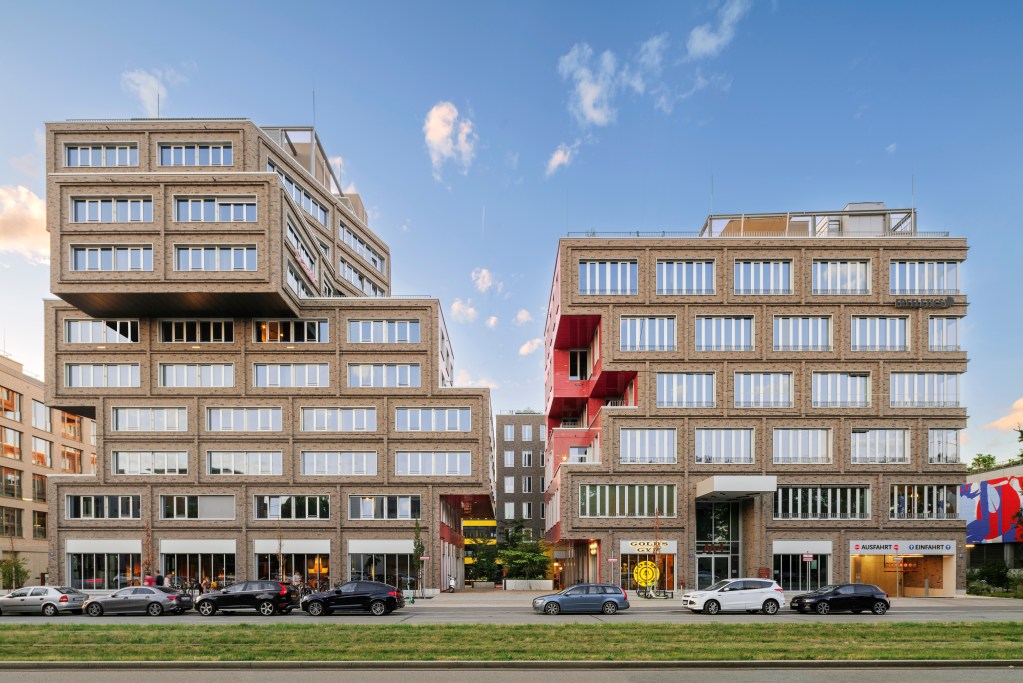
Matthias expressed appreciation for the collaborative nature of architectural projects, highlighting the dynamic possibilities of working with other firms to integrate expertise and influence global projects. Hollwich's approach to designing for communities shows the importance of incorporating local needs and desires into the architect’s work. Hollwich provided an example from their portfolio, citing the Mahabai neighbourhood in Munich as a prime illustration of their ethos. In this project, the firm prioritised designing the communal spaces between buildings, ensuring a user-centric experience with elements such as non-linear pathways and slides. This approach aimed to create a neighbourhood that prioritised people over structures.
Reflecting on broader industry trends, Hollwich lamented a perceived disconnect between architects and the communities they serve, emphasising the importance of humility and active listening in the design process. There is a need for architects to conduct thorough research and involve communities in decision-making. Hollwich cited the Grand Junction project in Indiana as a successful example of community engagement, where multiple design options were presented to residents, and their feedback directly influenced the final design chosen for implementation.
Fostering Relationships with Developers and Contractors
Matthias Hollwich acknowledged the vital role of developers and investors in the architectural process, dispelling the notion of them as adversaries and instead recognising them as essential partners. He says aligning values with these stakeholders can be beneficial for prioritising human-centric design and positive community impact.
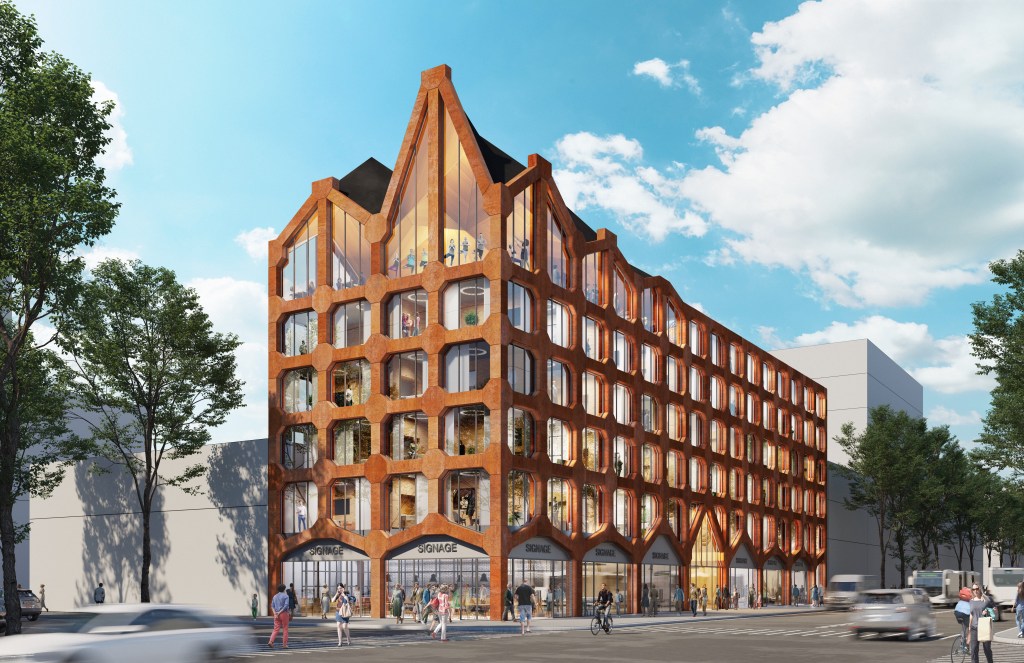
Hollwich described their relationship with developers and investors as symbiotic, characterised by mutual inspiration and learning. He stressed the significance of understanding and incorporating the objectives of developers into their designs, ensuring project success while maintaining architectural integrity. Matthias also cited the example of 351 Marin in New Jersey, where his team balanced efficiency with distinctive design elements and public amenities, guided by both client needs and architectural vision.
Reflecting on his experience, Hollwich believes that architects need to actively participate in the business aspect of projects, integrating developers' objectives into the design process to achieve holistic success. He concluded by advocating for architects to view developers as allies, collaborating closely to create impactful and innovative architectural solutions that benefit both parties and the broader community.


Integrating AI
As HWKN was prepared to incorporate AI into its future projects, Matthias Hollwich reflected on the transformative potential of AI, initially perceiving it as a threat to creativity before embracing it as an ally. Over the past year, HWKN has actively integrated AI tools into its workflow, leveraging AI visioning in the design process to rapidly prototype various scenarios and facilitate dialogue with stakeholders.
Hollwich highlighted the ongoing evolution of AI tools, emphasising their role in enhancing the architectural design process while acknowledging the continued importance of craftsmanship. He described the integration of AI into planning, building, and drawing tools, signalling a broader industry trend towards AI-driven innovation. Reflecting on the future trajectory of AI in architecture, Matthias underscored the need for active participation, feedback, and ethical considerations to ensure AI is leveraged for broader societal benefits beyond mere efficiency gains.
Furthermore, he advocated for a visionary approach to AI utilisation, aiming to elevate the standards of sustainability, aesthetics, and social impact in architectural design. They urged the industry to seize the opportunity presented by AI to address past shortcomings and realise ambitious design goals. In essence, they emphasised leveraging AI as a tool for creative empowerment, envisioning a future where architecture is not only more efficient but also more sustainable, beautiful, and socially impactful.
Architects investing their time and resources into exploring AI technology has potential benefits it could offer the field of architecture. Matthias Hollwich noted that AI expands creative horizons by revealing new possibilities beyond conventional limits, fostering inspiration and innovation. Additionally, AI's role enhances planning efficiency along with its ability to streamline code compliance checks and improve safety and security protocols.
Moreover, he mentioned the emergence of AI-powered drawing tools that alleviate repetitive tasks, allowing architects to allocate more time to creative endeavours. Despite these benefits, Hollwich cautioned against the potential misuse of AI technology, emphasising the importance of ethical considerations and vigilance in its implementation. He acknowledged the risk of AI being utilised to bypass architects or plagiarise their work, underscoring the need for awareness and responsible usage within the architectural community.
Opportunity Maps
Forward-thinking typologies enhance the impact and value of real estate projects for clients. Innovative apartment topologies designed to break away from conventional luxury rentals create spaces that not only accommodate basic functions like sleeping and eating but also foster meaningful human connections. Hollwich discussed their work in micro-living and the development of a co-living building in Ohio, highlighting the exploration of new ways to engage with various activities within living spaces. Designing such environments facilitates social interaction and community building, contrasting with traditional luxury apartments lacking in soul.
Additionally, he shared insights into his work on innovative office environments, including the creation of the "work resort," a destination office building in London. He also touched upon ongoing projects such as "FLX Live," a flexible living environment, and their involvement in reimagining shared spaces within senior living communities. Hollwich emphasised the importance of adapting to changing needs and preferences, both for residents and operators, in order to better serve the community and drive business innovation.

Future of Urban Living and City Planning
Hollwich discussed various influences shaping urban environments, noting a shift in the significance of office spaces and the reinvention of office buildings. There is value in workplace environments in terms of social engagement, learning, and overall quality of life compared to remote work arrangements.
Furthermore, Hollwich speaks of the importance of understanding people's preferences and personalities in urban planning decisions, as well as considering environmental sustainability. While density can be beneficial, he cautioned against excessive density, advocating for a nuanced approach to city planning. He stressed the significance of immersing oneself in the unique characteristics of each city and designing from within, aiming to strengthen and enhance urban communities while preserving their distinctiveness.
In expressing his appreciation for the diversity of cities such as New York, San Francisco, Tokyo, and Berlin, Hollwich emphasised maintaining and celebrating their individual identities. He underscored the need to preserve the unique charm and character of each city, rejecting homogenisation in favour of embracing and enhancing their differences.


Advice to Younger Self
Matthias Hollwich's poignant reflection sheds light on the challenges architects face when exploring promising but ultimately unfruitful opportunities. In a world filled with endless possibilities, it is crucial for architects to exercise discernment and critical thinking when selecting potential collaborators. By prioritising partnerships that resonate with their personal vision and values, architects can ensure a successful and fulfilling professional journey.
Hollwich's discernment in selecting clients and partners had likely increased over time with growing experience and acknowledging the importance of this evolution in good business development. Maintaining a selective approach to ensure fruitful and mutually beneficial collaborations in the architectural industry is also significant.
Matthias Hollwich's journey reflects a dynamic evolution rooted in curiosity, innovation, and a commitment to pushing the boundaries of architecture. His trajectory underscores the transformative power of embracing diverse influences and exploring unconventional avenues within the field.
As the founding principal of HWKN, Hollwich's approach prioritises experimentation, adaptability, and human-centric design. By embracing diversity and celebrating individual identities, architects can contribute to the vibrant tapestry of urban environments while ensuring a sustainable and fulfilling future for generations to come. In essence, Hollwich's journey serves as a testament to the transformative potential of curiosity, innovation, and collaboration in shaping the future of architecture. As architects navigate the complexities of their profession, Hollwich's wisdom reminds us of the importance of vision and a steadfast commitment to excellence in driving positive change within the built environment.