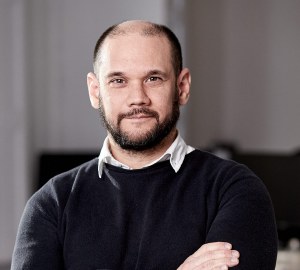
Ondrej Slunecko, current Managing Director at Financial Fortress - a network of 3,000 investors is a graduated construction architect from Denmark. He previously served as a Design Assistant at BIG and has been involved in US equities since 2017. He exemplifies the versatility of architects by being involved in an entirely different career path alongside his architecture practice.
On the Arch Talk: Tank podcast, hosted by Sara Kolata, founder of Disrupt Symposium, Ondrej shares his experience of working in dual careers and gives insights on how financial planning and investments help architects develop a keen eye for business, a skill architects deeply need to possess to stand out in the industry. Listen to full episode here:
Developing a Passion for Finance
Hailing from the Czech Republic, Ondrej migrated to Denmark right after high school in pursuit of further education. During his college days, he was extremely careful and frugal with his money and took care of himself single-handedly. He worked hard to be self-reliant by working various part-time jobs to earn a living. During his undergraduate days, Ondrej came across the concept of investing and started investing in the US Stock market in AEC companies. In order to gradually build up financial security, he would invest any money that remained at the end of each month. For Ondrej, it began as a modest side project, but with persistence, money can grow into a powerful source of income over time.
Architecture is a demanding and gruelling profession. Since it is difficult to support oneself as an architect, their passion for finance stems from their necessity for money. Because they are constantly looking for ways to make things work for them, architects have an excellent eye for detail and the ability to analyze anything from all angles.
Trends, Architecture and Investment
Ondrej emphasises the symbiotic relationship between architecture and investment. Architects have a knack for recognising social trends, which benefit their investing endeavours. They are forward-thinkers who constantly reflect upon the evolving lifestyles and trends that will shape the future. Staying ahead of the curve is important in architecture, just as it is for investors seeking out promising prospects in a constantly shifting financial landscape.
Both investing and architecture require persistence at various degrees of involvement and activity. When it comes to managing their investments, investors have a choice of how active or passive they wish to be. Active investors review their portfolios frequently and conduct ongoing research. Simply put, passive investors make long-term investments and hold them without making any changes. In between, there are various levels of involvement, such as those who periodically review and adjust their portfolios or those who use automated investment strategies.
Similarly, in architecture, professionals can choose their level of involvement in a project. Some architects may be deeply involved in every aspect of a project, from design to construction oversight, while others may take on a more specialized role, focusing on more specific aspects of the project. The spectrum of involvement can also include considerations like the size of the project, the client's needs, and the architect's expertise.
Ondrej’s Investing Experience
Ondrej’s early investing days were attributed to learning and exploration. In order to comprehend the market and the associated risk-reward, he looked for a variety of financial resources. When he first started investing, Ondrej was extremely cautious about the amount of money he invested in the market. He divided his money into index funds and individual stocks. The first individual stock in Ondrej’s portfolio was Apple. He was still learning the ins and outs of investing at this point, but he knew the companies and products he invested in. Over time, he understood the fate and progress of the company and got more comfortable in investing his money. Ondrej has since grown exponentially in his 4 years of investment journey.

Takeaways from his Investment Journey
The first and foremost advice from Ondrej is to begin investing at the earliest and not worry about the amount that you put in the market. This will help gain experience and develop an eye for investing. During the 2020 pandemic, the markets had fallen and a huge crash had dented everyone’s financial portfolios, including Ondrej. With significant experience at hand, Ondrej held his nerve even during the downfall. He kept investing money in the market and analysed the situation, which eventually proved to be fruitful as his portfolio gave him impressive returns.
Financial Fortress, Ondrej's organization, seeks to teach its members about investing and assist them in building a substantial financial portfolio. The organisation consists of over 3000 members with 500 investing six figures and 100 investing seven figures or more. Under the guidance of experienced coaches from the finance industry, members of the company curate their portfolios, based on how long they wish to spend in the market.
Investing is a limitless journey, and you are the captain of your ship. All you need to do to start making money is open a brokerage account and start making investments. You might make mistakes along the way, but it's crucial to move on and learn from them. Starting small is how Ondrej suggests getting a better understanding of how the market behaves. Give your money time to compound once you're comfortable with the market. Conversely, in a volatile situation, a lack of experience can cause panic when you have a sizable amount of money invested in the market.
According to Ondrej, investing is about managing emotions. Your emotions are at risk when it comes to finance and investing, especially during market crashes. Fearful people often sell off their assets in order to make quick decisions during a recession. There is always the possibility of a market recovery, which wealthy individuals frequently seize to buy stocks and other assets. The market provides great training to strengthen emotional intelligence. This development in turn helps in creating business as you become a composed individual. Decision-making ability and money management are the two most important skills of becoming a business tycoon.
Every organisation in the AEC industry is about business. With his abundance of experience in investing, Ondrej analysed the financials of companies while applying for a job as an architect. His investing knowledge helped him understand the market position of the company and its prospects. In an extremely complicated architecture and construction industry where multiple stakeholders, reputation and money are on the line, a firm grasp on business operations helped Ondrej impress his employers.
Conclusion
Ondrej Slunecko's journey from a construction architect to the Managing Director of Financial Fortress shows the remarkable versatility architects can exhibit in diverse career paths. The parallels drawn between the worlds of architecture and investment extend to the degrees of involvement and activity. There are parallels between active and passive investment strategies and the varied roles architects can undertake in different projects.
Ondrej Slunecko's journey and insights highlight the interconnectedness of architecture, finance, and investment. Architects, equipped with a keen eye for detail and analytical thinking, can seamlessly transition into financial roles, further emphasizing the diverse skill set architects bring to the table.
In a non-financial field like architecture, the importance of numbers and financial statements cannot be neglected. The business of architecture is untaught at school and it is upon us to develop the skills and acumen after graduation. This conversation is a lesson in how skills learned in architectural education can come in handy in other domains related or not to architecture. Whether you intend to work for an established firm, start your practice, or pursue a completely different career path, a solid understanding of finance is invaluable for personal and professional growth.
Disclaimer- At Disrupt Symposium, we do not advocate or advise any kind of financial advice or investment plans. It is upon readers to do their research and explore resources.