A paradigm shift is upon us; genetic engineering can override evolution, social unease is widespread, and civilisation is destined for the surreal. Zinzell talks about redirecting his approach to building brands and the role of design in society.
With over 20 years of experience, Don Zinzell has mastered the art of unifying and defining brand purposes while crafting unique and iconic expressions through proprietary methodologies. Zinzell’s approach to design is both philosophical and practical, viewing it as a powerful tool that affects human experience on multiple levels. Believing that design can be effective whether it's invisible and seamless or bold and disruptive, he emphasises the importance of authentic experiences and human benefit in branding. This dynamic yet systemic approach fosters unified, culturally relevant brand experiences that resonate deeply with audiences.
Renowned for building and leading design departments from the ground up, Zinzell's career highlights include the establishment of a groundbreaking team of interdisciplinary designers at an agency which is now a part of Dentsu MB. Here, as the Head of Design and Founder of the Brand Design Department, he significantly influenced some of the world’s most successful brands. Clients have included many Fortune 100 & 500 brands.
Whether collaborating with global institutions or innovative startups, Zinzell brings a wealth of expertise in brand building with identity at its core. Proficient in brand creation strategies, design psychology, semiotics, and human behaviour, he continues to push the boundaries of what brand communication can achieve while reinventing his own purpose in brand creation.

Zinzell has a peculiar life story, his parents were far from typical. His father worked for the CIA, and his mother was a crafty Den Mom, setting the stage for an unconventional upbringing. They were very encouraging of his endeavours, which led to an early independence, as he was not traditionally parented but rather left to navigate on his own.
His household resembled a circus, with two older brothers, an older sister, and a constant flow of people, resembling a bustling train station. The day-to-day was filled with motorcycles, go-karts, bikes, skateboards, musical instruments, pets, and the occasional wild animal. Young Don set up his room with stage lighting, posters, a sound system, and his drum set. During the after-hours of elementary school, he could be found riding a motorcycle throughout his yard, which had hills and a track built specifically for jumping bikes and motorcycles.
This upbringing fostered a deep curiosity for exploration and imagination. His creativity extended to playing in bands, contributing to art shows, and even winning a school science fair in 7th grade. This natural inclination towards creativity and exploration seemed to align perfectly to propel him into his field.
Don's career began with one-off projects; designing logos, posters, packaging, books, and then on to experimental typefaces. Eventually, he delved into human behaviour and psychology, which significantly transformed his approach. He started thinking systemically about how systems work, how people interact with things, and how various elements affect behaviour. He realised that everything we experience— what we see, hear, smell, touch, and taste—has been designed.
He differentiates between one-off designs and brand design, where brand design work is heavily dependent on a well-integrated system of visuals, content, and messaging. His journey in generating ideas has been constant and prolific, a trait he attributes to his unconventional youth. Thus, his creative process and ability to generate ideas have never been in short supply.
Zinzell explains that his journey into design happened organically and naturally. As his interest in psychology grew, his focus shifted more towards brand design. His client roster quickly grew into large global companies through agencies and with the assemblage of a stealthy design team. He notes that working with large brands can have its challenges, but working with great people will knock out challenges proportionately. And it will show in the work. It's also true that the perception of a brand is dependent on a brand's corporate leadership and its shareholders; how they behave, how they conduct business.
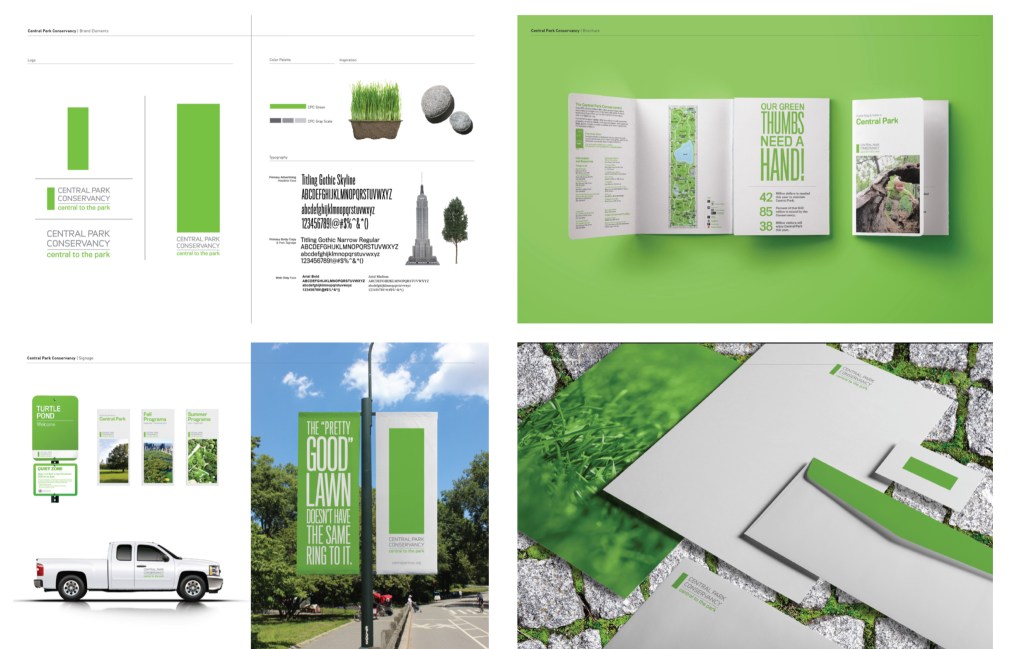
Role of Purpose and Attributes in Effective Design
Zinzell emphasises the importance of purpose in design. He believes that designing without purpose, merely pulling together "cool" elements without reason, makes it difficult to create a cohesive result. When designing with purpose, one can lean into specific directions, providing a foundation to build upon.
Zinzell distinguishes between storytelling and attributes in design. He often faces pushback on this topic, as he is not fond of the term "storytelling" because it's often misleading. He contrasts advertising, which may use transient and entertaining stories to sell a product, with brand design, which he sees as more focused on consistent attributes. He acknowledges that some brands naturally lend themselves to stories, often rooted in their origin or location. Also noting that storytelling has a powerful role and is deep in our DNA. Zinzell notes that brands often have a few seconds in social media or on-shelf to make a simple, clear statement. Simplicity becomes key. In contrast, storytelling works better in long-form media. Ultimately, success lives in developing, integrating, and implementing a dynamic system.
Crafting Iconic Brands with Visual Communication and Brand Differentiation
Zinzell has collaborated with many prominent names. When discussing signature iconic brands, he highlights the importance of a focused and visually cohesive approach. This involves aiming for singularity, creating a distinct voice that unifies diverse consumer perceptions. The goal is to bring people from different perceptual worlds into a singular, cohesive brand experience.
He elaborates on the concept of building an iconic brand, emphasising that it involves a big idea, and an authentic human benefit, and requires a focused and clear message in visual communications. The aim is to make the brand understandable and telegraphic, shaping perception in a relative manner. Since perception is subjective, this approach can include interconnecting a wide range of elements while aiming to bring many aspects together without a cookie-cutter approach. Each brand is unique in this process.
Creativity and Management
He acknowledges that his insights apply broadly to his work, which spans across local and global systems. Regardless of scale, disruption relative to category is important. For instance, his strategy is sometimes to not compete directly within a brand's native category, instead, he looks outside the category or industry to find unique points of difference, helping brands to adopt and leverage these unexpected distinctions. This approach ensures that each brand stands out in a unique way.
Zinzell discusses the unique approach taken with each project, emphasising the importance of understanding what attributes need to stand out in a brand. He highlights the internal struggles often encountered when trying to convince others of the value a brand offers if disciplined in its mission. In meetings, differing personal opinions can cloud the bigger picture, requiring a focus on what truly benefits the audience which in turn, will benefit the brand itself. So along with a solid mission, drawing inspiration from other industries can add a twist to conventional design expectations, which can result in the most interesting outcomes.
He aims to infuse each project with a distinct point of difference, whether working in pop culture or corporate culture. Understanding the industry and audience is key, ensuring creativity pushes boundaries without alienating the target audience. Zinzell sees this process as deeply rooted in psychology.

Human-Centered Design
On some projects, Zinzell works as a lone creator, creating all the brand elements himself, on large brands, he mostly works in teams where he prefers to recruit teammates who possess natural critical thinking skills. As a director, he acts as a facilitator of ideas, often planting the idea and then listening to the team's input and selecting the most beneficial additions or subtractions. He finds joy in acknowledging when a junior designer surpasses his own ideas, fostering a collaborative atmosphere where anything is possible.
Contrary to traditional office practices, Zinzell values a “cafe” approach in the workplace; which he views as opportunities for socialising ideas outside the confines of formal design discussions. He creates an office environment reminiscent of a café, be it virtual or real world, encouraging casual conversation and camaraderie among colleagues. Sometimes pushing conversation into ridiculous directions is an exercise to incorporate humor, which in turn, is mind-expanding. Zinzell believes in being genuinely interested in people's lives and experiences, recognising the importance of work-life integration.
He emphasises the significance of encouragement over discouragement in fostering creativity and innovation. Encouraging designers to share ideas without fear of judgment allows them to flourish, while discouragement can stifle creativity and close off possibilities. Zinzell believes in inspiring ideation, and leveraging cultural differences while engaging critical thinking skills.
Philosophically, he emphasises the human aspect of every product, service, and experience, striving to create something that genuinely benefits people. While admitting this is a "blue sky" idea, The benefit doesn't always have to be profound; it could simply be about positioning a brand to be more social, convenient, or entertaining, or it could be cause-driven such as sustainability or addressing social issues.
Designwise, Zinzell likens his approach to that of a DJ, continuously mixing, adjusting and refining his projects until they result in a surprising yet intentional, differentiated outcome.
Designing with System Thinking
Zinzell reflects on the varying degrees to which designers consider system thinking in their work, noting that it should always be an integral part of the design process. There are countless design elements to potentially connect with an overall purpose. There's a back-and-forth between the art of expression and the discipline of purpose.
He discusses the process of identifying the purpose and developing a strategy for a company, aiming to distil it down to just a few key attributes. For instance, if the goal is to evoke a calm/ relaxing feeling, the design choices should reflect this across environments, identity, print, digital, etc. At the same time, there are often elements of duality, contradicting twists adding tension, interest, and engagement. Zinzell draws on his experience working with hotels to illustrate how every aspect, from furniture style, and uniforms, to key cards, should align with the desired atmosphere, yet, have a unique twist.
Don stresses the importance of having a diverse staff to better understand a range of demographics. This ensures that products and services resonate with cultural relevance, ultimately contributing to their success.

The Role of Critical Thinking in Modern Design
Don emphasises the importance of critical thinking; all innovation, all ingenuity, all inventiveness, stems from critical thinking which is based in creative curiosity.
Don believes that exploring the real world through travel, as well as exposure to different cultures, can help maintain perspective. He finds value in educational content, mentioning shows like TED Talks and "Diary of a CEO," which feature experts discussing various aspects of the human condition, such as neuroscience, nutrition, and sleep. This kind of information, he asserts, provides a more comprehensive understanding of what society is or can be, what is working well and what isn't, why people do what they do, how our lives can be better, imagining humanity's horizon, innovations, trajectories, etc.
As a designer, Zinzell sees the potential to be a participant within this dynamic. Unlike in the past, where the primary role of advertising and branding was to solely sell products and services, designers now have the opportunity to create meaningful content — to drive content. He suggests that this shift allows designers the opportunity to nudge society in a positive direction, contributing to well-being and more thoughtful consumption.
Today, designers have the power to shape the content and, consequently, public perception and behaviour. This presents a unique opportunity to drive change and foster a more balanced and grounded society.
Cultural Relevance
Don provides quick examples of how design choices can reflect cultural relevance. He compares Ikea, known for its Swedish-centric approach, where the architecture, furniture style, nomenclature, and even the items sold in the store evoke a distinct Swedish sensibility. This illustrates cultural origin.
Another example he gives is the JW Marriott hotel chain, where he created an overarching brand identity in black and white, detached from any specific location. However, each hotel, situated in different cities worldwide, undergoes a localisation process. For instance, when working on a project for a JW Marriott in Cancun, Zinzell immersed himself in the local culture, extracting colours, textures, and themes from the surrounding landscape. These local elements were then incorporated into the hotel's design, colour, and content, creating a culturally relevant experience while maintaining a cohesive global brand identity.
Zinzell further explains cultural relevance in product development, citing the example of a beverage company he's working with built upon regenerative agriculture, with pro-planet positioning. He advocates for the inclusion of flavours from different parts of the world/ climates, such as black currant which is popular in northern Europe, and guava and hibiscus from tropical regions near the equator. These diverse flavour profiles appeal to a wide range of consumers with varying cultural backgrounds, enhancing the product's appeal and reach.
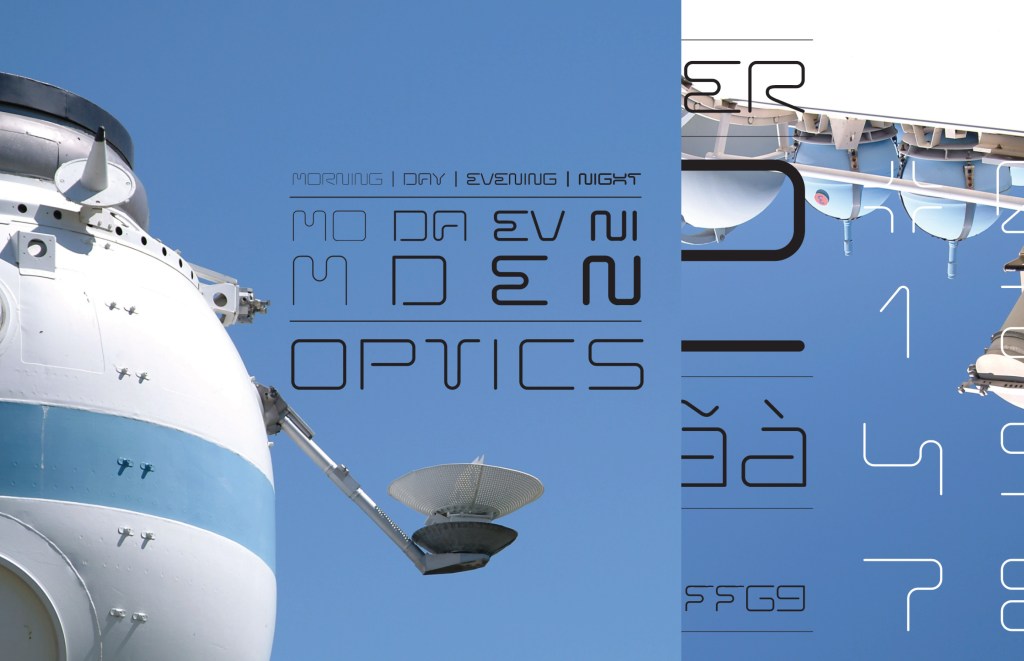
Approaches to Process Innovation
Zinzell discusses two different approaches toward process innovation. The first stems from his experience in fast-paced environments, where projects demand quick adaptation, akin to a special ops team. This requires individuals who can swiftly pivot and handle unforeseen challenges, a tightly integrated team with a high skill set.
The second approach involves staying attuned to societal changes. Rather than solely focusing on competitors, Zinzell advocates immersing oneself in the real world — which can be as simple as exploring new foods, travelling, attending art shows, and engaging with diverse experiences. Or pursuing an understanding of human behaviour and societal trends to effectively innovate and stay relevant. He views individuals as receivers of data from these experiences, which informs their creative output. As societal changes occur rapidly, staying adaptable and responsive becomes increasingly crucial.
Transforming Airport Services
Zinzell's design projects often start with uncertainty but can evolve into something much larger. One notable example is his work on Newark Airport, specifically Terminal B, where he revamped some of the interior spaces. Initially, some areas of the airport were poorly lit and uninviting. He aimed to brighten these spaces and bring them to life with large-scale graphics.
A pivotal project involved a nail salon concept in the airport. The owners approached Don seeking proposals from different design companies for their store, which was halfway through development. They initially envisioned a traditional nail salon, but Zinzell saw an opportunity to address a broader societal need.
Recognising that many travellers arrive at airports feeling stressed, he suggested transforming the nail salon into a space primarily focused on stress relief. Instead of just nail services, he proposed incorporating more massage stations and reducing the emphasis on nails. This idea aimed to solve a larger problem, more appropriate for an airport setting.
The salon underwent a significant redesign, moving away from its dark, aesthetic to a brighter, more optimistic space with lighter wood and colours. The concept shifted to being airport-centric, focusing on providing quick, stress-relief services. This transformation resonated with the public, and soon other companies took notice.
Despite the concept originating as a small, mom-and-pop operation with only a few locations, larger companies began to adopt the idea. Zinzell recalls that after his initial discussions, some businesses moved forward with similar concepts, leading to the proliferation of quick spas in airports worldwide. This shift happened around the time of 9/11, when stress levels were particularly high, making the need for such services even more apparent. The concept's success was not just a design triumph but a response to the emotional needs of travellers, demonstrating the importance of understanding and addressing the broader context in design work.

Incorporating Partnership into Design Philosophy
Zinzell believes that a key aspect of his design relationships is to approach clients as partners rather than becoming a vendor. This approach shapes the dynamics of his presentations and interactions with various companies.
When Zinzell enters a meeting room filled with executives, he recognises that each company has its own unique personality. Instead of delivering a formal presentation that asks for agreement, he emphasises the importance of fostering honest, conversational partnership. By partnering, the conversations become more open and collaborative, focusing on the shared goal of achieving the best outcome for the project.
Zinzell advocates for this partnership approach because it aligns everyone's interests and promotes more human interaction. He believes it is the most effective way to conduct business, as it encourages mutual understanding and collaboration.
Perception and Integration in Design
Zinzell believes that perception plays a crucial role in design. He explains that people live in different perceptive worlds; as a simplistic example, some may prefer stripes while others favour polka dots. These preferences are subjective, making it impossible to determine which is better objectively.
When creating a brand expression or design, the goal is to unify these varied perceptions into a singular, focused idea. A cohesive design helps people understand and gravitate towards the brand more effectively.
Zinzell acknowledges that shaping perception can sometimes be seen as dishonest, but he argues that it is about finding and emphasising an already existing truth. Organising and presenting this truth clearly benefits everyone, as long as it aligns with what the brand genuinely offers.

The Role of Architects and Developers in Community Building
Working with architects differs from working with other brands because architects intrinsically consider every detail meticulously. They think through elements like lighting, shape, structure, and the overall ambience, whether it’s cosy areas or grand open spaces. Partnering with architects involves expanding on their ideas and considering additional sensory elements that might not have been initially addressed. For example, the scent of a space can significantly enhance the brand experience. Similarly, the soundscape of an environment, such as the style of music, can set a desired mood.
Drawing from the film industry, Zinzell appreciates how entering a film theatre can transport a person into a completely different world, offering a unique experience. He applies this concept to design, believing that crossing a doorway into a brand space should offer a new, unique experience, making people feel a certain way. This can be enhanced through the intentional use of brand sensory elements, creating a fully integrated and immersive experience, be it digital or analogue.
In working with architects and other design-savvy professionals, there is usually a shared goal of addressing the human condition and integrating sensory experiences tightly. This holistic approach ensures that every element—from visual to auditory to olfactory— contributes to a cohesive and impactful brand experience.
Don highlights the importance of integrating broader perspectives into development projects. He notes that there is often a gap between architecture firms, which focus on creating thoughtful, well-designed spaces, and developers, who might prioritise quick returns on investment. However, there are developers who understand that investing in quality architecture can enhance the human experience and build a thriving community. This approach can lead to long-term benefits, including increased commerce and cultural growth.
Don points out that architects consider elements like green spaces, which might initially cost more but ultimately attract people and foster community engagement. This long-term vision can transform areas into vibrant, valuable parts of a city. He cites large-scale examples such as New York City's Million Trees Project - exactly as it sounds. Also noting the 1960s and 1970s, where neighbourhoods like Soho evolved from being unsafe to becoming cultural hubs by the late 1980s. This transformation was driven by the addition of cultural centres such as coffee shops and art galleries, which increased the area's value based solely on art culture.
However, Zinzell also warns of the potential downside of such developments. Overdevelopment can lead to skyrocketing costs, making areas unaffordable. The challenge for the future is to maintain affordability while still fostering accessible and enjoyable spaces. He believes architects are mindful of this balance, striving to create environments that are inclusive and beneficial to everyone.

Integrating Art, Culture, and Technology in Hospitality Projects
Zinzell has collaborated with hospitality developers on large-scale, global projects. Zinzell sees numerous opportunities for developers and architecture firms to expand their reach through real-world sensory elements as well as interactive and digital platforms, web/ social presence, and emerging technologies like VR and AR. These tools can enhance the user experience with elements like shopping, art shows, responsive music in lobby spaces, and more.
He notes the rapid advancements in VR, AI, and other technologies, which are poised to transform the world into a very different place within the next few years. This rapid change underscores the need for developers and architects to stay ahead of the curve, integrating these innovations into their projects to create dynamic, engaging environments. At the same time, this can drive the desire for non-tech environments, where the emphasis is on an old-world feeling and technology is hidden.
Navigating the Future: Emphasising Well-Being in Design
Zinzell observes that while society often clings to nostalgia, rapid technological advancements are pushing us beyond our control. This shift is likely to induce anxiety and stress, which should be considered in all design practices. He emphasises the need to transition from the disinformation age to an age of well-being, This involves integrating new understandings from neuroscience about the human experience and the interconnectedness of mind and body into future consumer products, services, and experience design.
Zinzell's future endeavours aim to design toward this idea of well-being, which encompasses mind-body impact, sustainability, and societal benefits, all of which enhance and enrich the human experience. This approach also touches on the importance of responsible policy-making, especially concerning AI, robotics, nanotechnology, and genetic modifications. Transgenesis for example, which is currently being used to alter the DNA of an animal's function, growth, and long-term replication, are basically redirecting evolution. We need careful consideration in regard to intentions, actions, and consequences. Genetic manipulation will significantly impact society.
He highlights the transformative potential of VR and AR, which will blur reality itself, leading to philosophical debates about the nature of reality and our human existence. With AI advancing rapidly and becoming increasingly human-like, Zinzell suggests that these developments will fundamentally change the human condition; how humans interact, experience, and perceive the world. We're talking about the convergence of artificial general intelligence (AGI), robotics, and biological lifeforms; we're on the cusp of creating entirely new lifeforms. As society grapples with these rapid changes, design must aim for well-being while thoughtfully integrating new technologies.

Maintaining Brand Integrity in the Age of AI-Driven Content
We are entering a world of AI-driven content. content. For example, if someone is developing a brand with a line of products and packaging, AI could generate its look or even recommend its ingredients. This could drive the content in a specific direction, but it might not create a brand purpose... or maybe it will. Probably best not to underestimate it. At least for the time being, developing a brand system of diverse elements still needs human intellect and curation. A brand is strongest when it is holistically built.
Part of Zinzell's role in brand building is to maintain this focus on an interconnected system. While brands can evolve based on new knowledge or trends, they should do so without losing their essence. A brand is never truly finished; it must continually adapt. However, this adaptation should be brand-centric rather than random trend-chasing. This ensures the brand remains understandable and purposeful.
With AI's increasing sophistication, commercials and films are using AI-generated characters that look like real people. Although some current AI platforms are far from perfect, these imperfections are being quickly improved. Distinguishing AI from reality is already challenging. This will undermine believability and trust across all media with the exception of intentional entertainment content.
In this context, finding authenticity and truth becomes crucial. A brand that can offer these qualities will likely resonate well with people and perform better in the market.
The Joy of Creating and Vision
Zinzell sees himself primarily as a creator, someone who thrives on building things from scratch. He enjoys the challenge of coming up with new ideas and transforming them into tangible products or experiences. Whether it's creating something functional or desirable, Zinzell is driven by the prospect of generating something useful from nothing.
Don’s journey through the realms of design and creativity has been profoundly influenced by his unconventional upbringing and diverse experiences. His narrative underscores the critical role of purpose in design, advocating for a shift to creating meaningful, human-centred experiences with unexpected aesthetics. His approach to innovation, drawing inspiration from various fields and focusing on human behaviour, reflects a deep understanding of the dynamic interplay between design and societal changes.
While searching for the right type of business partners and teammates, Zinzell aims to create brands that are not passive; when he speaks of well-being, he imagines a new kind of well-being; reinventing industries, challenging social norms, shifting the paradigm.
Ultimately, Zinzell envisions a future where designers have the opportunity to shape society positively. This vision is rooted in his belief that design, at its best, is a force for good— through thoughtful and purposeful design, we can create experiences that light up our human existence.