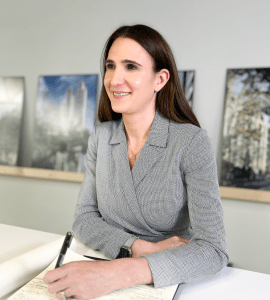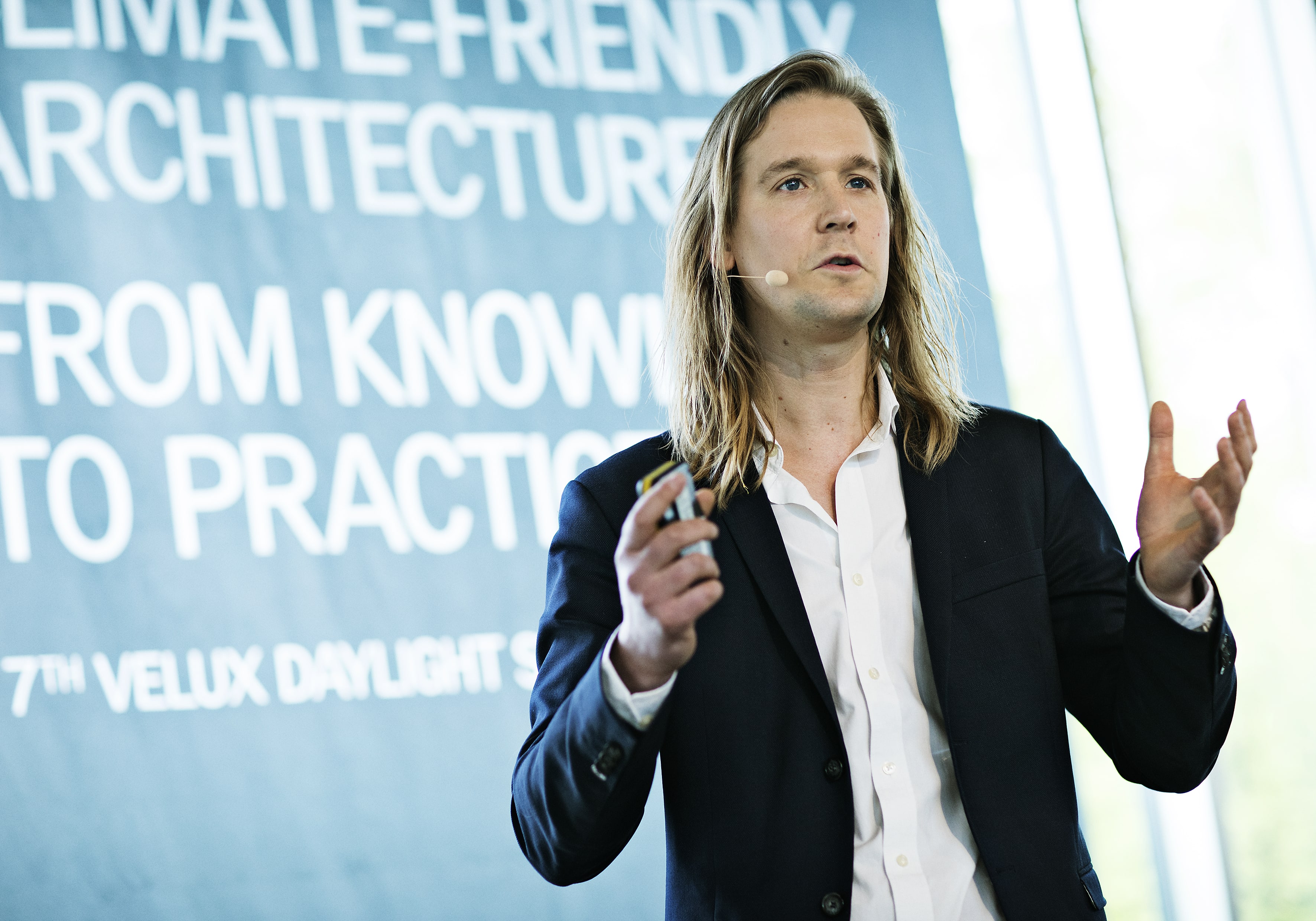
Jakob Strømann-Andersen is a well-known architect and partner at the award-winning Henning Larsen architecture firm. He graduated from the Royal Danish Academy of Fine Arts in Copenhagen and has become integral to the firm's leadership team. Jakob is known for his innovative approach to architecture, his passion for sustainability, and his ability to bring new life to existing buildings. He has worked on several significant projects, including the transformation of the historic Royal Danish Opera House and the Kolding Campus of the University of Southern Denmark. Jakob's focus on sustainability is a crucial aspect of his approach to architecture. He strongly advocates creating more liveable and sustainable cities by integrating green spaces and pedestrian-friendly streets.
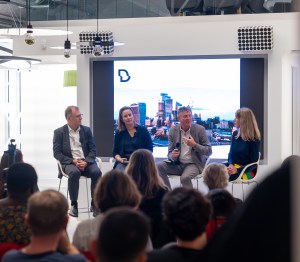
Jakob Strømann-Andersen discussed with Sara Kolata the organisational structure, values, and practices of Henning Larsen, a leading architectural firm at the forefront of sustainable design. With a growing trend towards environmentally responsible architecture, how the firm manages to incorporate sustainable materials and design principles into every project.
At Henning Larsen
At Henning Larsen, Jakob discusses the sustainability department's transformation over the last 15 years, which involved merging with Ramboll, a prominent engineering firm in Denmark, about two and a half years ago. This merger aimed to improve the department's efficiency and effectiveness, as they recognized the need for change within the organisation. They decentralised the department's structure and spread it throughout the office to accomplish this. While the sustainability department initially operated as a separate entity, it eventually became clear that sustainability should be the responsibility of all projects rather than a particular department. However, the company still requires individuals with the expertise to conduct carbon life cycle assessments, daylight simulation, and microclimate studies. As a result, they have a dedicated team of computational designers who are architects with coding and numerical skills.
What sets Henning Larsen apart is its design approach's emphasis on developing unique processes, new scripts and tools, and new calculation methods. The company collaborates closely with clients, particularly portfolio owners, to monitor their portfolios and carbon footprint. They have also created a tool that tracks a project's carbon impact. Unlike other design firms, Henning Larsen's approach to design does not prioritise individual egos or PR stunts. Instead, the studio's reputation stems from its collaborative approach and ability to work with clients to create unique projects that meet their needs.


What makes their Design so Unique?
Jakob explained that Henning Larsen's design is based on a contextual approach that takes into account the environment, culture, and people. For instance, the firm would not design a glass building in the Middle East, where there is a lot of heat and sandstorms. Henning Larsen's design approach is also based on analysis and strategic design concepts. They start by analysing the context and creating a concept that is not a drone concept but a written concept. The idea is based on what they want to achieve with the building, which could be a carbon or social and health target. The idea is to put numbers on the target so they can work towards it with the clients. This approach is functional and practical and has a justified objective.
Jakob explained that Henning Larsen has a curious approach, where they are curious about their partners, clients, and the brief. They value the client's perspective and try to understand it to the best of their abilities. They also value competence, which means they work with social scientists, acoustic designers, and lighting designers who can bring unique perspectives to the table.
This egoless approach is a rarity in the industry, which tends to have an ego-driven design approach. Architects and firms are often celebrated for their ability to create awe-inspiring buildings and cities, which can create a sense of god-like power. However, this can also lead to a sense of entitlement and a lack of consideration for the environment, culture, and people. Henning Larsen's design approach is a refreshing change in the industry, and it has influenced how they build teams, approach clients, and conduct their business.
One thing that both Jakob highlighted was the passion that drives their work at Henning Larsen. They are not simply trying to build the highest-rated LEED Platinum building; they are striving to create the best possible impact for their clients, the environment, and the people who use it. This often requires questioning the standards and boundaries of their profession, which they believe gives them a unique perspective.


Changing Our Footprint
This passion is evident in Henning Larsen's latest exhibition in Berlin, "Changing Our Footprint." The exhibition showcases several of the firm's sustainable projects and seeks to start an open dialogue about climate change and the future of architecture. Jakob emphasised that Henning Larsen does not have all the answers and is open to engaging with experts from different disciplines to work towards a better future for the planet.
When it comes to the actual design process, Henning Larsen's approach is to adapt to the needs of each project and client. They do not have a specific style that defines them as a brand but instead focus on what is best for the project and the people who will use it. Sustainability is not just about numbers and materials; it is about understanding the impact a building will have on the environment and the people who use it. Henning Larsen's focus is on the impact their buildings have on people. They want to create spaces that look beautiful and have a positive effect on those who use them. This approach is a refreshing departure from the ego-driven architecture of the past and represents a shift towards a more sustainable and socially responsible future.


Impact Driven Designs
According to Jakob Strømann-Andersen, Henning Larsen is committed to creating impact-driven designs that are not solely based on aesthetics but also consider the environment and people. Architects have a critical role in media and the political system, and clients often look to them for answers to difficult decisions related to the environment and people. Therefore, architects need to become educators who can impact people's understanding of the role of architects in society, and they should take on more responsibility for creating sustainable designs. To this end, Henning Larsen has developed a unique approach to training, which includes workshops and dialogue-based design competitions that are more collaborative. One such training, called "Unboxing Carbon," is focused on bringing the carbon agenda out of the computer and into the hands of architects and designers, allowing them to interact with materials and understand their carbon footprint. The course is designed to provide hands-on learning and effectively inspire others to think about sustainability in their own practices.
Henning Larsen believes that architects must go beyond their traditional role as designers and become more involved in creating sustainable buildings. This involves designing flexible structures that can adapt to different uses and can be disassembled, among other things. The company also focuses on transforming existing spaces into more sustainable ones rather than just building new ones. They anticipate the industry will experience a lot of disruption in the next ten years due to the carbon agenda and the climate crisis. Architects will need to work closely with construction firms and have new competencies in finance to advise clients on creating more sustainable spaces.
In the future, Henning Larsen plans to focus on creating performative contracts based on the impact their architecture has rather than just the number of square metres they design. This new business model will allow them to change their approach to sustainability and make it more sustainable overall. Henning Larsen's commitment to sustainability is evident in its focus on creating impact-driven designs and its dedication to educating architects and clients alike about the importance of sustainability.


The Iconic idea
Jakob highlighted the importance of collaboration, curiosity for culture, and the value of research in architecture. As a global organisation, Henning Larsen consistently partners with local architects and sees this collaboration as a benefit to the project. They believe iconic buildings come from open collaboration and curiosity for culture rather than just the designer's ego.
One of the most exciting projects that Henning Larsen is currently working on is a wastewater treatment plant, generally located on the city's outskirts and fenced off. However, the design of the largest one in Denmark is being created to be located downtown and to invite the public to understand that it is not something terrible and smelly but actually about resources. Jakob sees this project as a new cultural centre and the future's new opera. It can be a unique experience for the public, breaking boundaries and creating a beautiful, biodiverse landscape similar to a Michelin restaurant that makes food from waste.
The conversation also touched on the climate crisis and how it changes how we think about iconic architecture. Henning Larsen sees architecture as part of society; therefore, it is essential to design with knowledge through a culture of curiosity. Research matters in architecture, and it is critical to producing new knowledge to transform the organisation. Henning Larsen is actively engaged in creating solutions and inspiring others to do the same, leading the way towards a more sustainable future for the industry through transforming existing spaces and creating more innovative buildings.