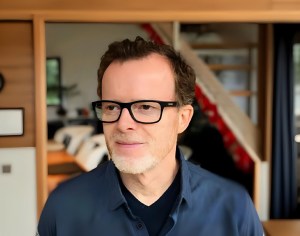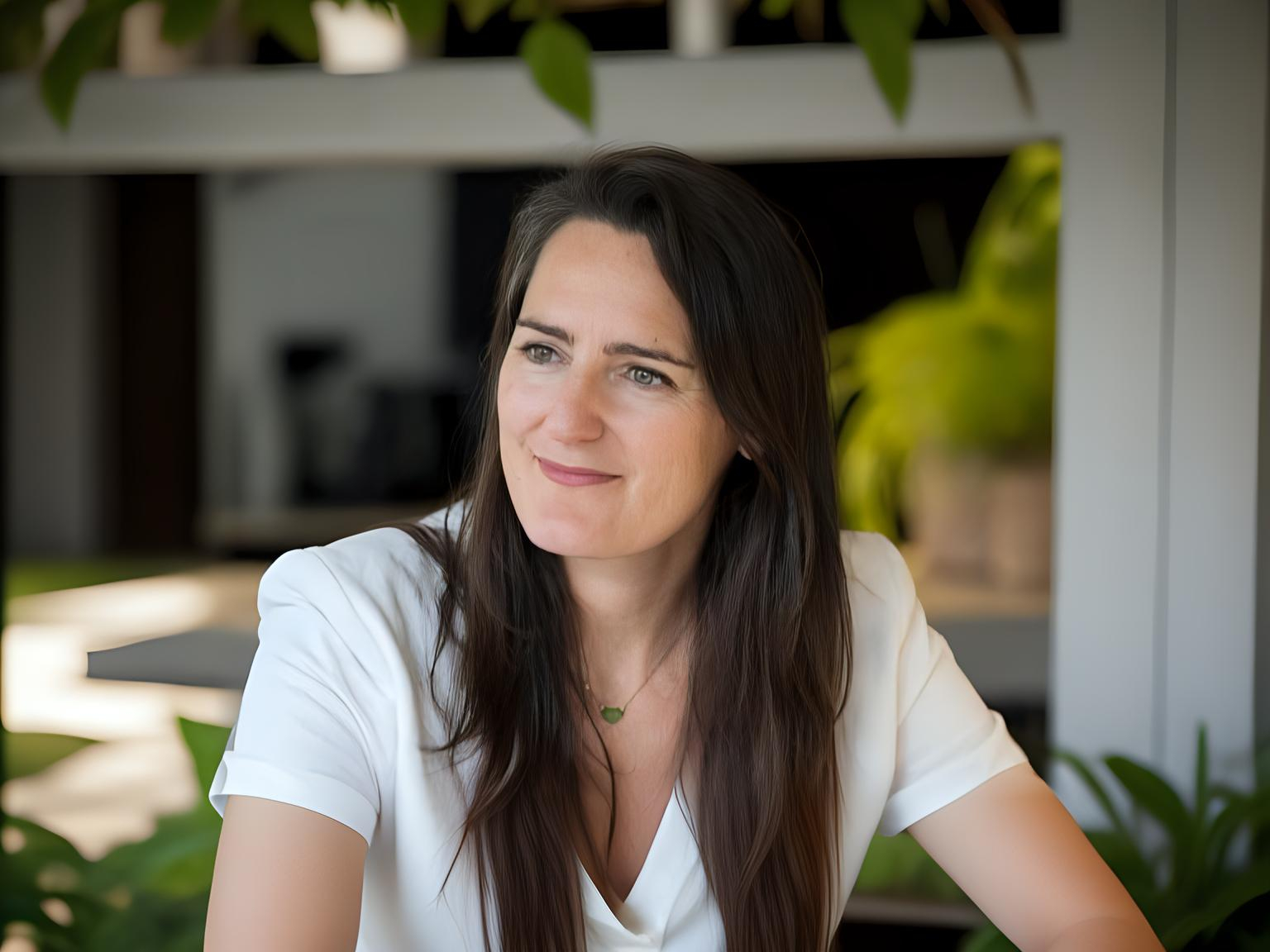
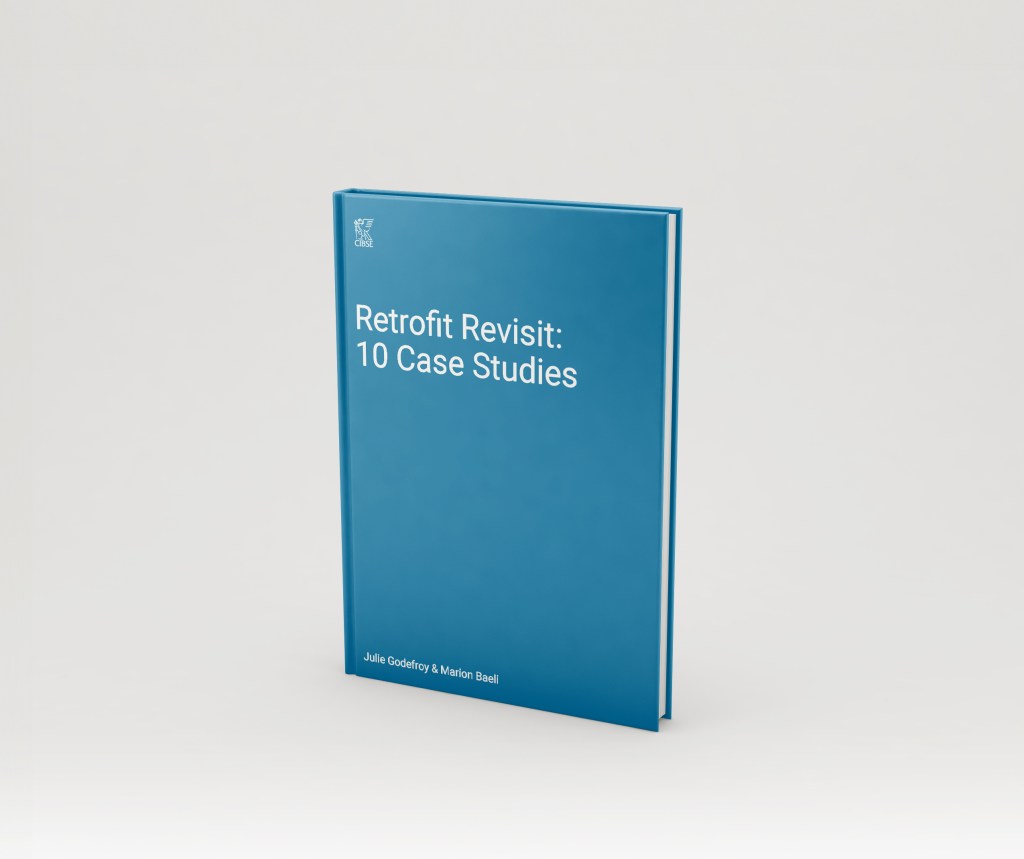
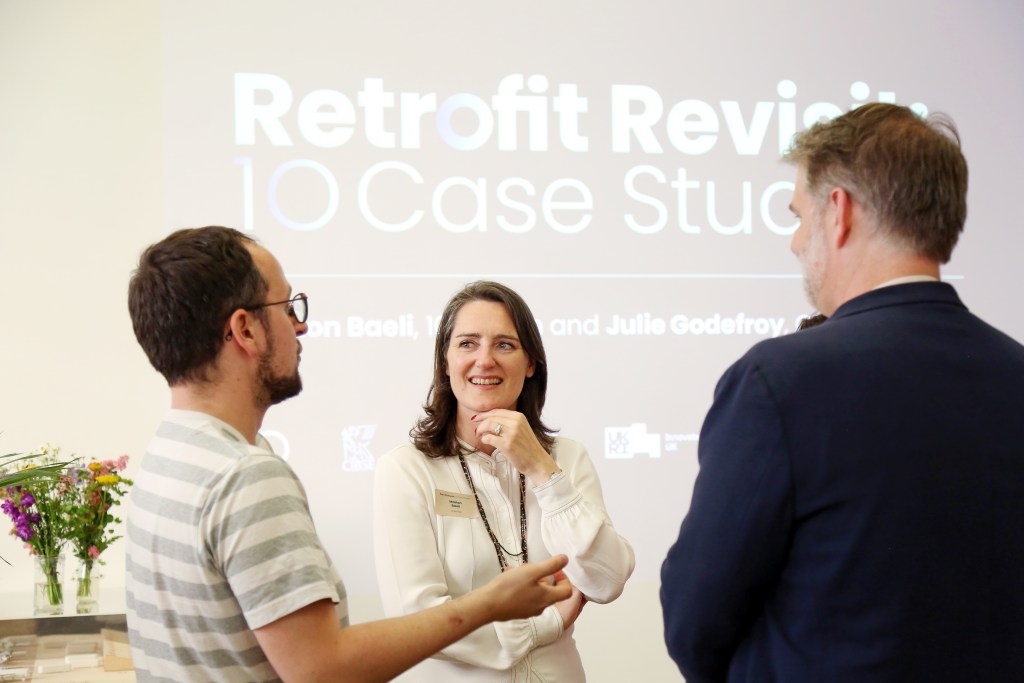
An award-winning architect and author, Marion Baeli specializes in low-energy design and retrofit, bringing a pioneering approach to sustainable architecture. With extensive experience across housing—from prime to affordable—and large-scale office projects, Marion excels in reimagining existing buildings and retrofitting them for new uses. Known for her deep expertise in building fabric, energy efficiency, and net-zero carbon design, Marion is the author of Residential Retrofits: 20 Case Studies, an influential text in the field. A frequent speaker at industry events and universities, Marion inspires future construction leaders through advocacy and education. As a longstanding member of the NLA Net Zero Expert Panel, a board director of the Passivhaus Trust, and an awards judge for AJ and Architecture Today, she actively shapes the industry. Key projects include the iconic Eighty Strand upgrade, the UK's first certified Passivhaus retrofit at Princedale Road, and new townhouses at Chelsea Barracks. Her current work focuses on net-zero retrofits in London, including projects in the East Village and Mayfair, aligning with LETI retrofit standards and continuing a 10-year study of residential retrofit case studies in collaboration with CIBSE.
Marion Baeli, a principal of sustainability and transformation at 10 Design, shares her journey and vision for the future of sustainable architecture. With over two decades of experience and a relentless passion for sustainability, Baeli's story is a testament to the transformative power of innovative design and leadership. Her commitment to sustainability is reshaping how architecture integrates environmental responsibility, driving a new era of adaptive reuse and low-energy design.

A Journey Rooted in Passion
Marion Baeli's journey into the realm of sustainable architecture began in France, continued through Edinburgh, and ultimately brought her to London, where she has lived for the past 22 years. Her early career was marked by a keen interest in sustainability, which she felt was inadequately addressed in her initial architectural training.
"I was always interested in sustainability," Baeli reflects, "but my architectural training never really satisfied that curiosity." This led her to retrain, studying architecture and sustainable design to acquire the tools and methodology needed to create responsible, low-impact architecture. Her quest for knowledge drove her back to university, where she specialised in architecture and sustainable design, a decision that would shape the rest of her career.
Pioneering Sustainability
Baeli's pivotal moment came 15 years ago when the UK government launched a competition focusing on deep retrofits of residential buildings. This program aimed to drastically reduce energy demand and carbon emissions. Baeli's success in this competition, achieving super low energy demand with passive house principles, changed her career trajectory.
"I started writing papers, speaking at conferences, and eventually wrote a book on the subject," she recalls. "That was the turning point in my career." Her involvement in the government program not only provided her with practical experience but also positioned her as a thought leader in the field of sustainable architecture.
Specialising in Adaptive Reuse and Low Energy Design
Baeli's interest in better building practices led her to specialize in adaptive reuse strategies and low energy design. While the government's initiatives provided a stepping stone, her passion for sustainability had always been the driving force.
"My key question has always been how we can create architecture with less environmental impact," she says. This passion has been instrumental in her success, helping her develop a deeper understanding of sustainability and building physics. Her dedication to this cause has seen her lead numerous projects that prioritise environmental responsibility and innovation.
Sustainability and Business Development
The integration of sustainability into business development strategies is a multifaceted approach. Baeli notes that some developers have become more aware of the climate emergency and are keen to work with experts in the field. Others have been driven by shareholder demands to decarbonise their operations.
"A significant part of my role is educating clients on the benefits of low energy buildings, not just in terms of carbon and energy bills but also in terms of comfort levels," Baeli explains. Her approach involves taking clients through a comprehensive learning curve, helping them understand the intricacies of adaptive reuse and low energy design. This educational aspect is crucial in aligning client expectations with sustainable practices, ensuring that projects meet both environmental and commercial goals.
Leadership and Team Inspiration
Baeli describes her leadership style as one that combines expertise with a collaborative approach. She believes in empowering her team through education and hands-on training.
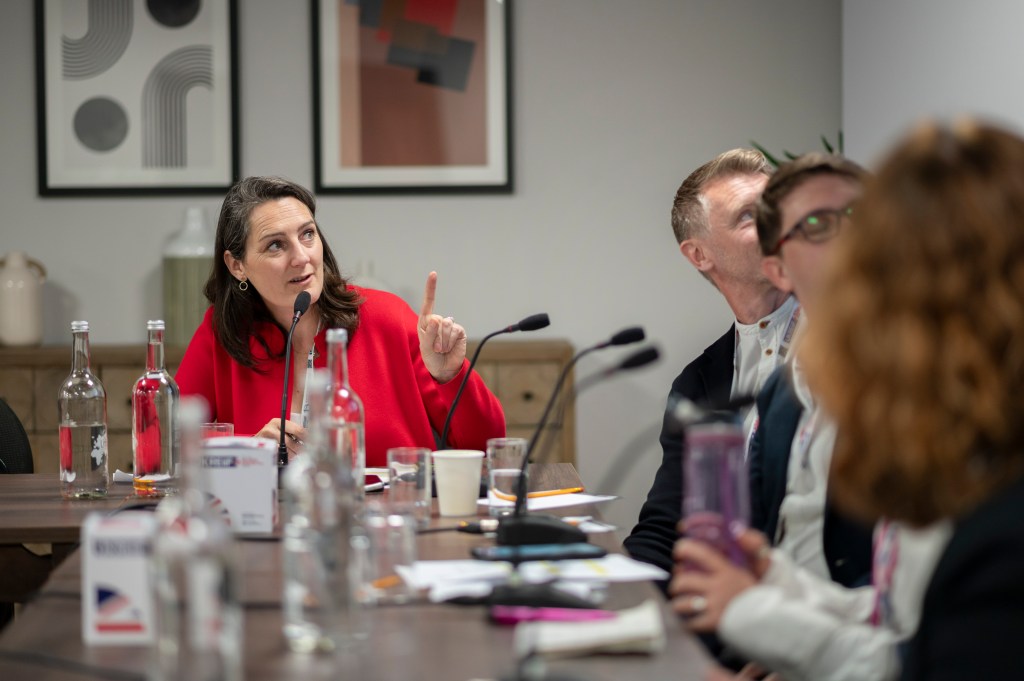
"Once people start to understand sustainability in the built environment, they never go back," she says. This philosophy has inspired her team and fostered a culture of continuous learning and improvement. Baeli's commitment to education extends beyond her immediate team, as she frequently speaks at industry conferences and events, sharing her knowledge and advocating for sustainable practices.
Balancing Advocacy and Practicality
Baeli acknowledges the challenges of balancing sustainability advocacy with the commercial realities of running an architecture firm. However, she emphasises the importance of integrating sustainability from the very beginning of the design process to ensure robust outcomes.
"Sustainability is not a shopping list," she cautions. "It's a comprehensive approach that demands understanding building physics and avoiding unintended consequences." By focusing on a holistic approach to design, Baeli works to increase the way sustainability influences and is woven into the fabric of every project, from inception to completion.
Emerging Trends in Sustainable Architecture
Baeli highlights a significant shift in the industry towards focusing on existing buildings, driven by an emphasis on embodied carbon. She believes that the future of architecture lies in adaptive reuse and the creative reinvention of existing structures.
"Starting from an existing building as a constraint can be immensely creative," Baeli asserts. "The new sexy projects are those that transform existing contexts and building fabrics into something innovative and sustainable." This approach not only preserves the embodied carbon of existing structures but also revitalises urban environments, creating vibrant, sustainable communities.
Exciting Projects on the Horizon
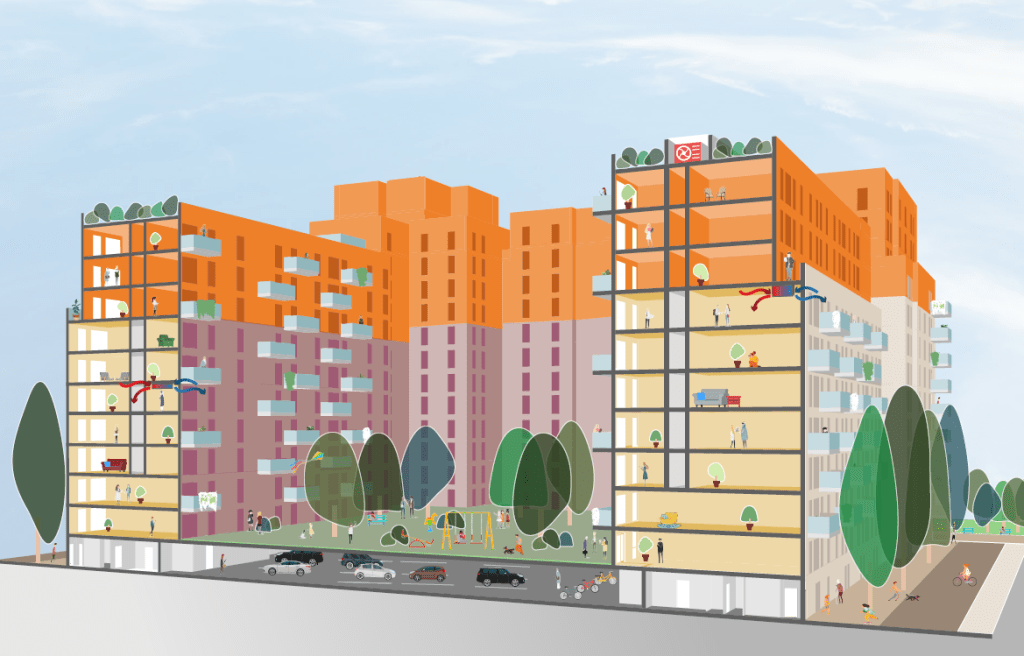
One of Baeli's current projects involves decarbonising the athletes' village from the 2012 Olympic Games in London. This project exemplifies the exciting potential of adaptive reuse, combining new extensions with enhanced building performance.
"It's about being very creative and seeing the constraints of existing buildings as opportunities," she says. "The future of architecture is about making sustainability sexy and reimagining how we use materials and spaces." Baeli's innovative approach to this project showcases her ability to blend sustainability with cutting-edge design, setting a new standard for the industry.
Conclusion
Marion Baeli's journey from France to the forefront of sustainable architecture in London is a story of passion, innovation, and leadership. Her insights and experiences offer valuable lessons for leaders in the built environment, emphasising the importance of sustainability, education, and creative thinking in shaping the future of architecture. As Baeli continues to advocate for sustainable practices and inspire the next generation of architects, her work at 10 Design stands as a beacon of what is possible when environmental responsibility is placed at the heart of architectural design.