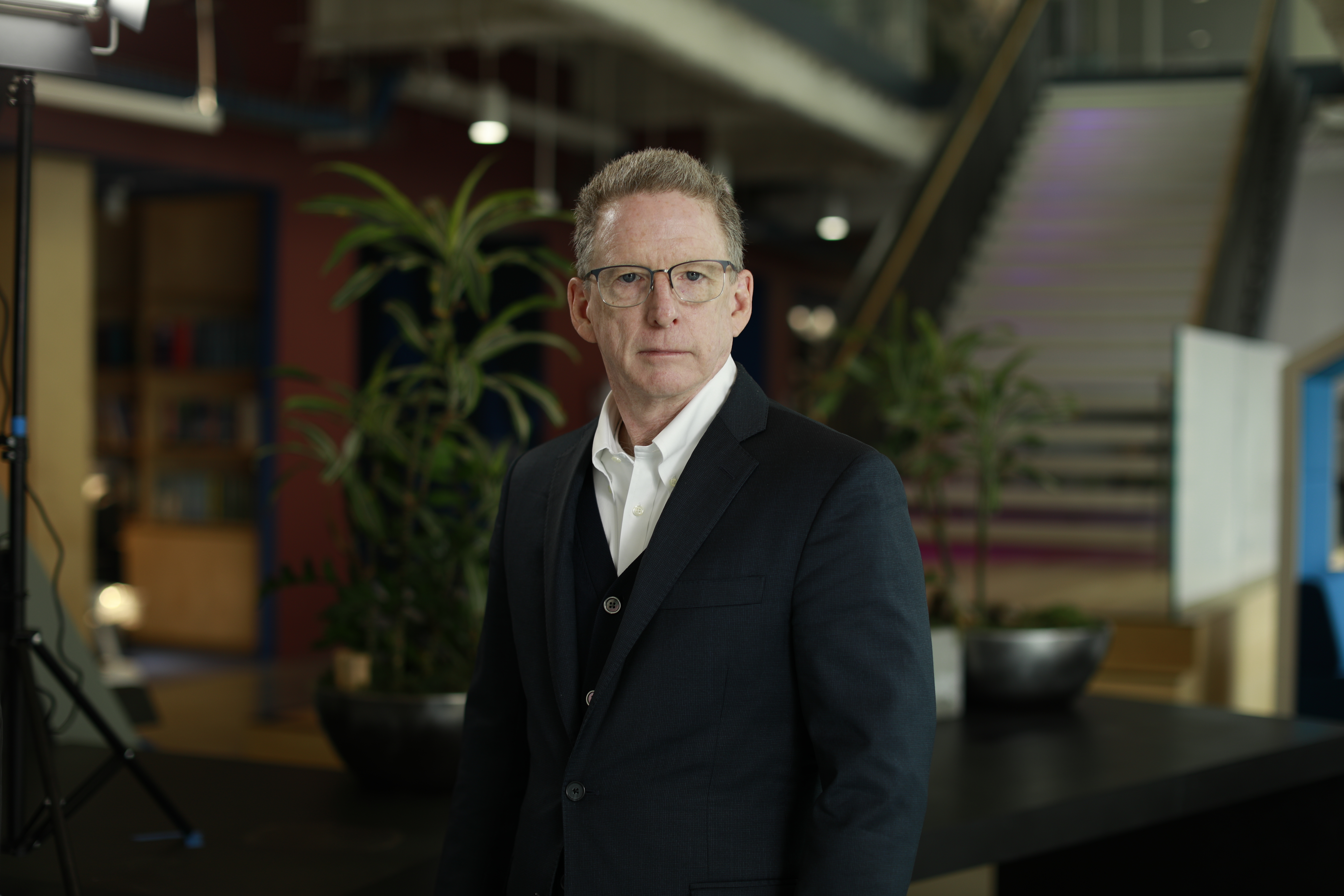
David Green’s illustrious career spans over three decades marked by transformative projects across the globe. As the Americas Masterplanning and Urban Design Leader at Arup's New York office, Green brings a wealth of experience and expertise to the table. His journey from academia to professional practice, punctuated by influential roles at Perkins&Will, the Douglas C Allen Institute, and the Georgia Institute of Technology, reflects a deep commitment to shaping cities for the better.
With a focus on sustainable planning and development, Green's work transcends mere architectural design, delving into the intricate interplay between human needs, environmental stewardship, and regulatory frameworks. His innovative strategies for appropriate design and policy implementation have helped redefine urban development, inspiring generations of planners, architects, and policymakers. David also plays a crucial role in pioneering sustainable urban development with his unwavering dedication to creating vibrant, inclusive, and resilient communities.
David Green had a rather unique and somewhat peculiar journey shaped significantly by his father, who was an architect. During his childhood, family vacations often involved visiting buildings, a routine that familiarised him with architecture. In high school, he worked in his father's office, gaining practical experience early on. However, the pivotal moment that transformed his perspective on architecture and cities occurred during his year-long exchange program at the University of Paris in the mid-1980s. This experience exposed him to a myriad of incredible places and experiences beyond his upbringing in South Florida, fundamentally altering his worldview.
David Green began his professional journey by co-founding a small firm with a classmate from Georgia Tech. This firm, Brock Green Architects, active for a decade in the 1990s and early 2000s, had a relaxed atmosphere with casual attire and pets and was one of the early adopters of adaptive reuse warehouse projects. Eventually, they sold the firm to a regional company, but Green found the work unfulfilling as his interest increasingly leaned towards urban design, in particular, because of the regulatory hurdles he experienced trying to make cities more walkable and less auto-oriented.
This shift in focus led him to join an international firm, Perkins&Will, where he spent more than 15 years, and eventually led the global Urban Design practice. During this time, he relocated to London and undertook projects worldwide, including the master plan for Kuwait, collaborations with Cambridge in the UK, and Trinity College in Dublin. His work took him to diverse locations such as Uganda, Egypt, Ukraine, China, Australia, and Istanbul, allowing him to gather a wealth of global insights and experiences that he applied to his projects.
Upon turning 60, Green felt he had accomplished all he could at Perkins&Will, a company he respected greatly and continues to collaborate with. He decided to embrace a new challenge when Arup approached him to start an urban design practice in the Americas. He welcomed this opportunity, viewing it as a fitting endeavour for the next decade, though he remained uncertain about the prospect of retirement.
A significant aspect of Green's career was his long-standing role as a professor. He began teaching at Georgia Tech the semester after graduating from graduate school and maintained a 75% professorship for over 20 years until his move to London. This dual engagement in academia and practice allowed him to balance research with practical applications, a situation that profoundly influenced his professional development and continues to resonate in his work today.
Bridging Academia and Professional Practice
David Green started the research company at Perkins&Will and served as its CEO for more than a decade. For over twenty years he spent half his life in academia and the other half in practice, leading him to notice a disconnect between academic research and its application in professional settings. He observed that universities were conducting significant research that didn’t address professional needs, and many questions within the profession remained unanswered.
To bridge this gap, he aimed to create opportunities between universities, Perkins&Will, and private sector clients. His goal was to combine academic and professional expertise to identify problems and leverage academic research capabilities to solve them. This approach was particularly significant at Perkins&Will and continues to be a cultural cornerstone at Arup.
The business model for this initiative involved the application for and receipt of grant funding. This led to the establishment of a research program called AREA Research, a nonprofit subsidiary of Perkins&Will. This was necessary because at the time, only about 3% of federal funding allowed partnerships with for-profit companies.
From this work, he has created a platform and strategy for the planning and growth of cities that run counter to the conventional planning adopted over the past century. In lieu of using land use as a tool for planning cities, he built a platform that uses subdivision, and the projection of public streets as the basis for planning. Uses, instead of driving development criteria, are managed as they unfold over time. This is the way cities unfolded for over two millennia, but today it’s possible to do this on a data-rich platform to ensure cities are more sustainable, less energy-intensive, healthier, and overall better for their citizens.
Employing this technology involves managing outputs, making recommendations, and implementing changes to their processes in alignment with the established goals, rather than simply setting a course of action and allowing it to run for years without evaluation, Green advocates for a proactive approach. He recognises that the failure to evaluate is often rooted in regulatory structures. Thus, he seeks to embed performance criteria into these structures, enabling continuous evaluation and re-evaluation. By doing so, Green aims to create healthier, safer, and more livable spaces for people; getting us close to our stated goals.
At Arup, he continues this work, collaborating with institutions like Pratt, which collaborates with community-university partnerships such as Town+Gown: NYC. Recently, Pratt submitted a grant proposal to the National Science Foundation for a research project developed in collaboration with a Town+Gown working group involving infrastructure and multidisciplinary project management in New York City. Throughout his career, he has maintained a balance between research and practice, a principle that remains central to his professional philosophy.
Vision at Arup
David Green was brought on board with a very specific mission: to establish an urban design and master planning practice across the Americas. Central to this objective is the creation of an intersection between the perspectives of architects, landscape architects, urban designers, and the expertise of scientists, engineers, and technologists at Arup. The aim is to strike a balance between the aesthetic appeal and functional efficiency of urban spaces, considering factors such as climate change, transportation, pollution, and environmental adaptability, among many others.
Green noticed a notable discrepancy in how these issues were addressed within the design and engineering realms. While qualitative considerations often took precedence in design discussions, engineering discussions leaned more towards quantitative metrics. His longstanding goal has been to align these perspectives, integrating analytical rigour seamlessly into the creative process.
Joining Arup presented an opportunity to leverage his design background and analytical expertise within a more operational context. Instead of competing with traditional designers in the planning and design sphere, Green's approach is to complement their efforts. He aims to provide real, beneficial support by understanding the nuances of the design process across various project types and augmenting them with Arup's analytical platform, and deep engineering expertise.
He emphasises the importance of not only generating ideas and executing projects but also rigorously evaluating their performance over time—a practice he believes is often overlooked within the profession. Green views this as a means of establishing a baseline and effectively managing projects into the future.
Reflecting on his academic journey, Green credits a significant influence to Doug Allen, a landscape architect and former professor at Georgia Tech. Allen's teachings provided a keen understanding of Green's perspective on the relationship between the public and private realms, land use planning, and the historical evolution of cities. This intellectual foundation continues to shape Green's approach to urban design and planning.
Furthermore, Green highlights the profound impact of a recent read, "Order without Design" by planner Alain Bertaud. The book resonated deeply with Green, aligning closely with his own perspectives on urban planning. It sparked newfound inspiration as he aimed to contribute to the discourse through his own writing.
David Green reflects on the parallel understanding of the world he shares with Alain Bertaud, a recent influence on his career. Their meeting over dinner left a lasting impression, with Bertaud validating Green's professional journey spanning over 35 years. Green describes Allen and Bertaud as pivotal figures at opposite ends of his career spectrum—individuals who reshaped his perception of the world and affirmed his professional endeavours.
Having been in the industry for decades, Green emphasises the integral role of work and clients in driving business growth and fostering opportunities for change. He views business development not as a mere pursuit of financial gain but as an avenue for building meaningful relationships. Green's approach involves eschewing formal requests for proposals (RFPs) in favour of cultivating genuine connections with clients. This approach, he believes, establishes collaborative partnerships where clients evolve into trusted allies and, more often than not, real friends.
Green underscores the importance of friendship with clients, a notion met with hesitancy by some younger professionals. For him, these relationships are fundamental to successful project outcomes, fostering a shared stake and collaborative spirit. By engaging clients early on to shape project contexts, Green finds that outcomes are more responsive, and efficient, and ultimately yield superior results. His collaborative approach has forged lasting connections with colleagues worldwide, underpinning significant projects with trust and collaboration.
He reflects on the importance of fostering friendly relationships over transactional ones, making it easier to engage in meaningful conversations. He often identifies opportunities where he believes he can make a positive impact and reaches out to individuals involved in projects, initiating dialogue about how he can contribute. This approach has allowed him to cultivate a global network of contacts, with relationships developing organically over time.
He emphasises the significance of client relationships built on trust and reliability. By prioritising client needs and demonstrating a genuine commitment to project outcomes, he aims to provide lasting value beyond mere profit margins and deadlines. Green's approach extends beyond conventional business practices, as evidenced by his collaborations with municipalities during his teaching tenure. For instance, he engaged students in projects such as the Atlanta BeltLine's Master Street plan, benefiting both the city and the students involved.
He believes in adapting to client needs and working collaboratively to achieve shared goals, even if it means stepping outside project parameters. Accessibility is also a cornerstone of Green's approach; he maintains open lines of communication with clients, making himself available at all times to address their concerns. This level of dedication reflects his genuine care for both the people he works with and the projects he undertakes.
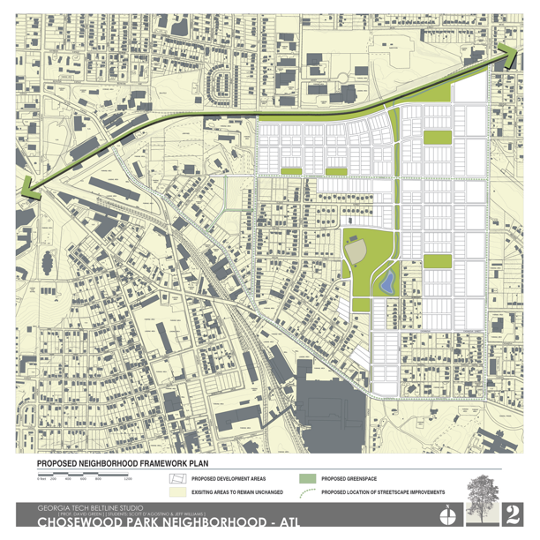
Dedication to Understanding Urban Development
David Green's wife affectionately jests about his lack of hobbies, attributing it to his unwavering dedication to his work. For Green, work is not merely a means to an end but a source of immense joy and fulfilment. He feels fortunate to have spent the past 35 years immersed in work that continues to bring him unparalleled satisfaction.
Green firmly believes that to truly understand and serve clients, one must be fully present and embedded in their communities. He learned this lesson early in his career while working on transformative neighbourhood projects in Florida. Immersing himself in the community allowed him to uncover needs and insights that even the clients were unaware of. This approach was further exemplified during his time in Kuwait, where he lived without a car and engaged intimately with the local culture and community. Similarly, when working on projects in Saudi Arabia, such as the master plan for Mecca, Green dedicated himself to deep research and understanding, despite the challenges posed by cultural differences.
He laments the prevalence of uninspired urban development, attributing it to a lack of critical thinking and contextual understanding in the regulatory system. Green advocates for a more thoughtful and nuanced approach to urban planning—one that prioritises meaningful community engagement and education, and context-specific solutions over generic standards and shortcuts. He believes that only by truly understanding the intricacies of each unique setting can meaningful and sustainable outcomes be achieved.
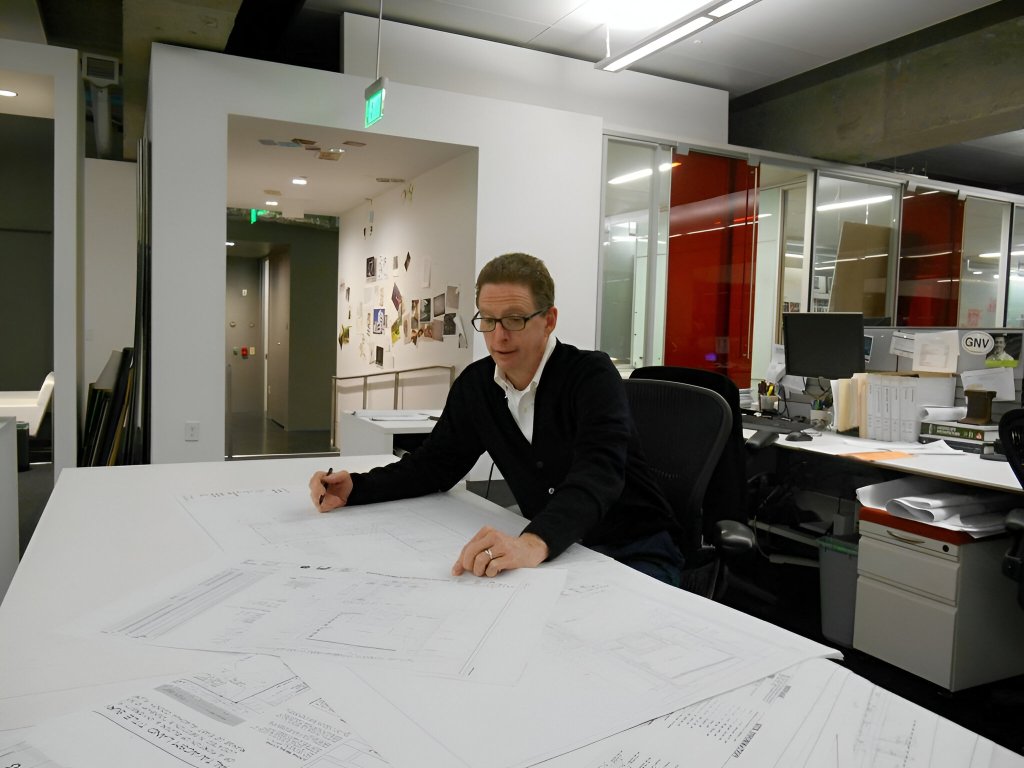
Project Scaling and Collaboration
David Green reflects on the pitfalls of relying solely on checklists and transactional approaches in professional endeavours. While such methods may suffice for some, Green believes they would ultimately lead to a joyless existence.
Scaling presents a significant challenge, particularly in complex transportation projects. For these project types, he advocates for the establishment of a centralised digital platform to streamline information sharing among multidisciplinary project teams. This platform can facilitate efficient collaboration and allow for a comprehensive understanding of the project's various components, from mechanical systems to transportation infrastructure. It can also provide clarity for team members as the project scales up in size, ensuring a common frame of reference and smooth coordination among team members.
Considering the long-term nature of city-building projects, adhering to a well-defined framework throughout the design, detailing, construction, and execution phases is important. This approach echoes traditional methods of city-building, ensuring coherence and continuity in urban development endeavours.
Strategic Frameworks
David Green reflects on the importance of establishing a common framework for sustainable growth in both business and project development, drawing parallels to the planning processes of the early 20th century. He emphasises the need to identify key indicators for measuring progress, whether in terms of health outcomes, sustainability measures, or commercial expansion.
Green stresses the significance of setting baselines and growth strategies within this framework, ensuring clarity on the steps needed to achieve goals. Flexibility is crucial, allowing for adaptation to varying project sizes and scopes. While larger projects may offer efficiency and impact, smaller projects play a vital role in building client relationships and trust, often serving as stepping stones to larger endeavours.
He underscores the iterative nature of business planning, likening it to the unpredictability of urban development over time. Despite the inherent uncertainties, Green believes that thoughtful management of the process can lead to successful outcomes and sustained growth.
Technological Innovation in Urban Planning
In David Green's approach, everything revolves around the necessity of a robust technology backbone. He firmly believes that planning without it would be unethical in this era, especially when shaping the future of cities. The technological infrastructure not only provides immense benefits to clients in terms of risk mitigation but also enables adaptability for the future. David emphasises that he cannot even fathom reverting to outdated methods of planning, relying solely on pencils and checklists as he did three decades ago.
The remarkable aspect of companies like Arup, according to David, is their agility and commitment to support. Despite not being a technical expert himself, he can tap into a wealth of knowledge from the company's experts. In recent discussions, he was impressed by the potential of technology to manage various changes, from resilience to micromobility. He sees technology not only as a tool for transformation but also as a means to challenge traditional regulatory frameworks.
For instance, in a current master plan project, they're shifting away from rigid land use designations, embracing a more flexible approach guided by digital capacity. This shift allows them to focus on crucial factors like energy efficiency and water consumption, setting tangible targets and tracking progress. David is convinced that technology holds the key to revolutionising how cities are built, offering a pathway to more sustainable, efficient, and people-centric urban environments.
Data-Driven Urban Planning
Addressing a crucial matter, David Green emphasises the significance of establishing a strong foundation in data integration. His approach centres on refining the core data sets within software systems, ensuring seamless translation across different platforms like GIS and Revit. By starting with finely detailed data, it becomes feasible to aggregate, categorise, and evaluate information effectively. This disaggregated approach allows for flexibility and adaptability, crucial for long-term viability.
Green underscores the necessity for systems that can evolve alongside advancing technologies, serving as enduring management and development tools. Drawing from historical precedents like the Land Ordinance of 1785, which shaped city layouts in the Western United States, he illustrates the power of granular data in informing urban development. In the Masterplan for the country of Kuwait, this approach enabled meticulous tracking of various aspects, from infrastructure to public services, even down to individual buildings and floors.
The takeaway is clear: reliance on simplistic, preconceived notions of urban planning, such as predefined building types and land uses, is inadequate. Green advocates for a data-driven, detail-oriented approach to ensure cities are built and managed effectively, catering to evolving needs and challenges.
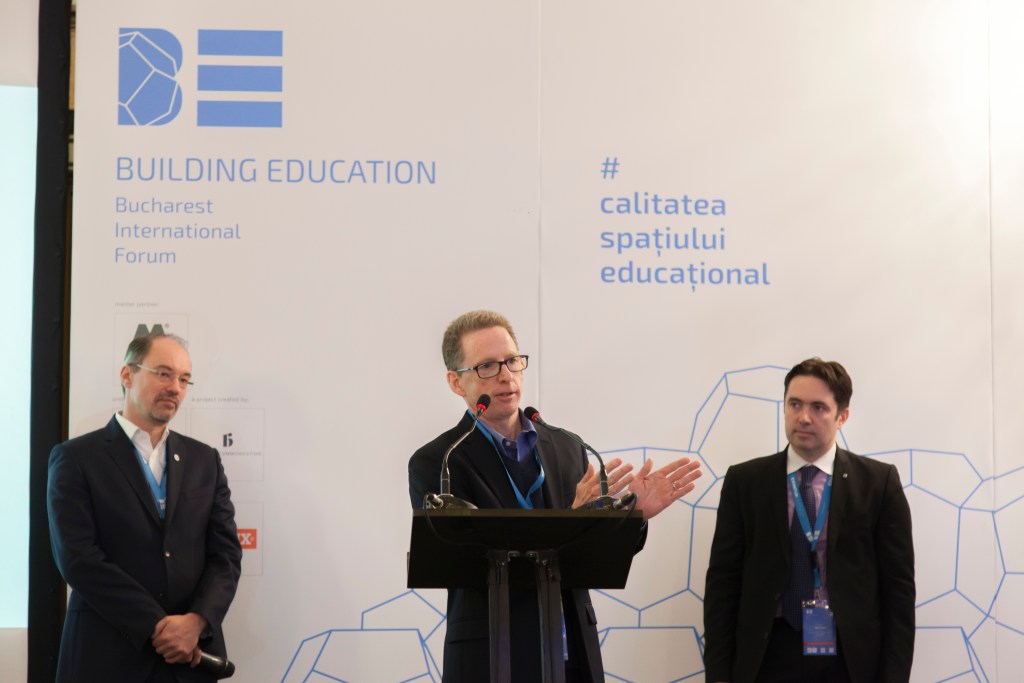
Empowering and Educating the Next Generation
As David Green has gotten older, he has mellowed considerably, which might seem surprising to some. He adheres to a simple yet profound mantra that he shares with everyone he mentors: never take credit for the good things that happen and always take responsibility for the bad things. Green believes this approach is crucial for protecting and safeguarding the people he works with. He emphasises that those advancing in their careers need to feel secure enough to push boundaries on projects without fearing repercussions. As a leader, he sees it as his duty to buffer his team from negative consequences, allowing them to learn from mistakes and challenges.
Early in his career, Green ran a small architecture firm that started winning awards. He made it a point to let the younger team members go on stage and accept these awards. Although he was also young at the time, he recognised the importance of giving them the confidence and recognition they deserved. This practice helped build a positive attitude toward the profession and the work they were doing.
Green's extensive experience as a professor has significantly influenced his perspective on leadership. He prefers to think of it as working with people rather than managing them. For him, it's always been about creating an educational process within the working relationship. He conducts internal lectures and workshops that are not project-related to help his team understand the basic principles of their work, much like continuing education from graduate school. Green finds this approach effective in driving and motivating his team.
Community-Centric Growth
David Green emphasises that promoting collaboration and career growth among his team is crucial. He believes in fostering a work environment that values collective effort over individual accolades. Green often reminds his mentees that titles are less important than actions and perceptions. To illustrate this, he shares his habit of securing speaking engagements and then delegating the presentations to younger colleagues. This approach, though initially nerve-wracking for them, ultimately boosts their confidence and fosters a sense of ownership and authority in front of clients and communities.
Green recounts that despite initial nervousness, these opportunities have consistently yielded positive results, helping to build his team's confidence. He acknowledges the challenge in his philosophy, as many people naturally want to claim credit for success. However, he stresses the importance of leaders taking responsibility for the negatives and giving credit for the positives.
He underscores that the global community, whether a small neighbourhood or an entire country, is paramount. As a registered architect, he is committed to enhancing the health, safety, and welfare of the public. This commitment encompasses addressing issues like affordable housing, racism, inequities, and environmental impacts. He believes that embedding in communities and understanding their issues is essential for creating better outcomes.
Green advocates for a straightforward approach, even if it means telling communities what they need to hear rather than what they want to hear. His goal is to ensure that future generations benefit from the decisions made today. He reflects on past decisions from the 20th century that led to unintended consequences, reinforcing the need for objective and informed decision-making in community planning.
He references an influential 2008 New Yorker article on carbon footprints that inspired his thinking on evaluating decisions thoroughly. Green also mentions his involvement in "Good Urbanism 101," a program aimed at educating small communities and local governments on understanding and engaging with urban development proposals. This initiative empowers communities to participate meaningfully in discussions about changes affecting them.
He concludes by highlighting the importance of re-enfranchising disenfranchised communities and reconnecting disconnected ones. His goal is to ensure that positive changes happen through genuine community engagement, reflecting the stellar reputation of his firm, Arup, in making the world a better place.
Deep Evaluation and Avoiding Unintended Consequences
David Green emphasises the importance of avoiding unintended consequences through deep evaluation and tracking. He illustrates this with a story about buying roses, highlighting how intuitive decisions can often be misleading. Walking down a London street, he decided to buy roses for his wife. At the florist, he faced a choice between roses grown in the Netherlands and roses grown in Kenya. Believing that buying local is better, he chose the roses from the Netherlands, thinking their transport by boat had a minimal carbon footprint.
However, upon further investigation, he discovered that the growing practices in the Netherlands were highly detrimental to the environment, whereas the roses grown in Kenya, despite being flown 6,000 miles, were much more environmentally beneficial. The carbon footprint of the roses from the Netherlands was six times greater than that of the roses from Kenya. This revelation contradicted his initial belief that he was making an environmentally responsible choice.
He uses this example to stress that sustainability requires a thorough understanding of issues to avoid unintended consequences. He criticises the reliance on so-called best practices, as these are often outdated and may not reflect the most current understanding, or the reality of a particular situation. Instead, he advocates for continuous evaluation and performance-based revisions to truly make the world a better place and avoid detrimental decisions.
Objective Evaluation and Foundational Principles in Decision-Making
David Green aims to provide people with the information they need to make good decisions. He believes many want to make the right choices but struggle without objective evaluation.
Reflecting on his journey, Green acknowledges that while there are many things he wishes he'd known when he was younger, he's grateful for the optimism and enthusiasm he had in his 30s. This mindset drove him to believe he could change the world, fueling his dedication over the past decades. If he had known everything he knows now, he might have been less enthusiastic. Instead, he focuses on recapturing that sense of vast opportunity he felt when he was younger. He values the journey of continuous learning and appreciates the enthusiasm of younger colleagues, who bring fresh ideas and innovation.
He recalls his thesis advisor, Doug Allen, and a simple neighbourhood plan thesis that profoundly influenced his career. This foundational logic has remained constant for over three decades, guiding his understanding of how things can and might work. Despite integrating various new pieces of knowledge, his core principles, rooted in the concepts of Paris and subdivision, have never wavered.
In conclusion, David Green's story is not merely a narrative of career achievements but also of the power of informed decision-making and continuous learning in shaping sustainable urban environments. His commitment to deep evaluation, avoidance of unintended consequences, and advocacy for data-driven planning underscores a profound understanding of the intricate interplay between human needs, environmental stewardship, and urban development.
Embracing uncertainty, fostering collaborative partnerships, and prioritising community engagement to navigate the complexities of contemporary urban challenges. Green's philosophy of blending academic rigour with practical application serves as a beacon for those striving to create inclusive, resilient, and thriving communities.
As David Green continues to advocate for sustainable urban development and mentor the next generation of leaders, his legacy resonates as a call to action for all stakeholders involved in shaping the future of our cities. By harnessing technology, embracing innovation, and remaining steadfast in the pursuit of knowledge, Green's vision for a more equitable and sustainable urban landscape remains within reach.