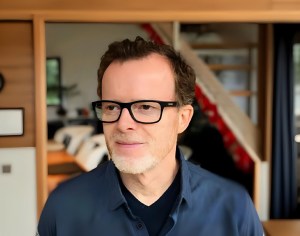
Michael Drobnik was appointed Associate in 2020. In his new role, Michael will lead Herzog & de Meuron’s efforts in BIM and coordinate discussions on the digital future of the architectural profession. Michael (b. 1979, Germany) joined Herzog & de Meuron as BIM Manager in 2014. He received his architecture degree in 2007 from the Faculty of Architecture and Civil Engineering at the TH Karlsruhe, Germany. Until then, he had already gained practical experience in Amsterdam and New York. In 2007 Michael joined prpm Architekten + Stadtplaner in Munich where he could apply computational design and BIM in all phases, from competitions to construction management.

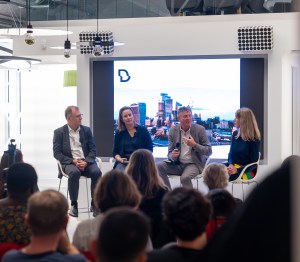
The Disrupt Symposium is all about the business of Architecture. Michael Drobnik graced the stage during the second edition to explain how Herzog & de Meuron balance the business side of architecture and partnership.
After being promoted from BIM specialist to Lead in Design Technologies Michael is now responsible for heading a group of 25 people and taking up the mission to support architects with design tips that are drawn from research done at Herzog & de Meuron. For any project, the company has their way of working by conducting fast-tracked research. This is directed to identify the industry trends and innovations to understand what could be applied in their architectural design practice and for that particular project. The next step of the process is proposing the idea to the team and developing it in a manner where the functionality and the working of the idea are understood, customized and implemented for the project.

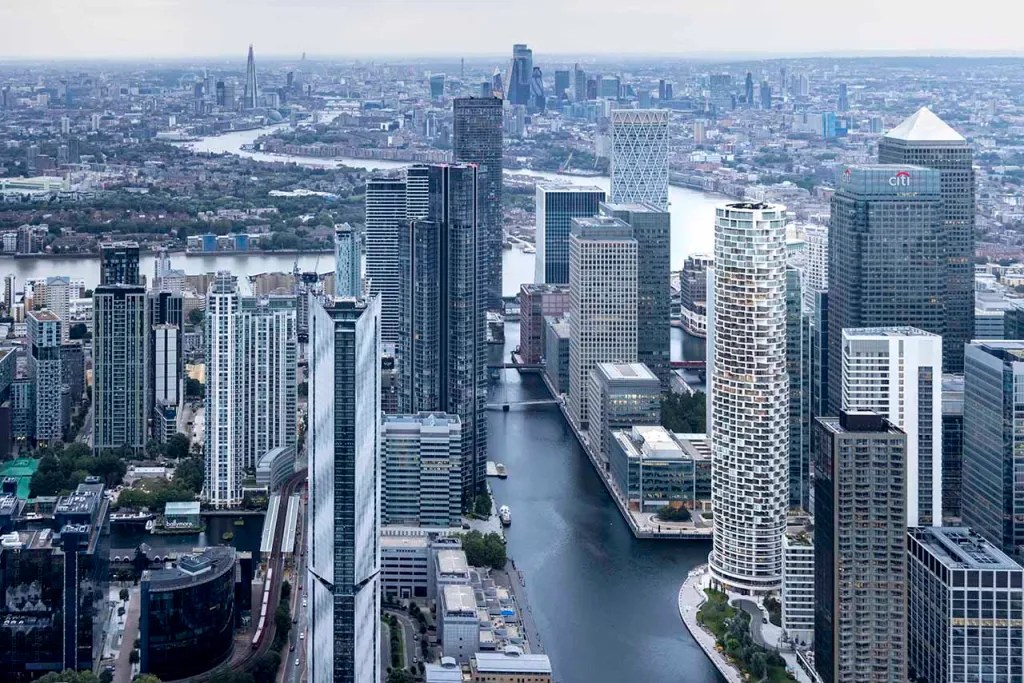

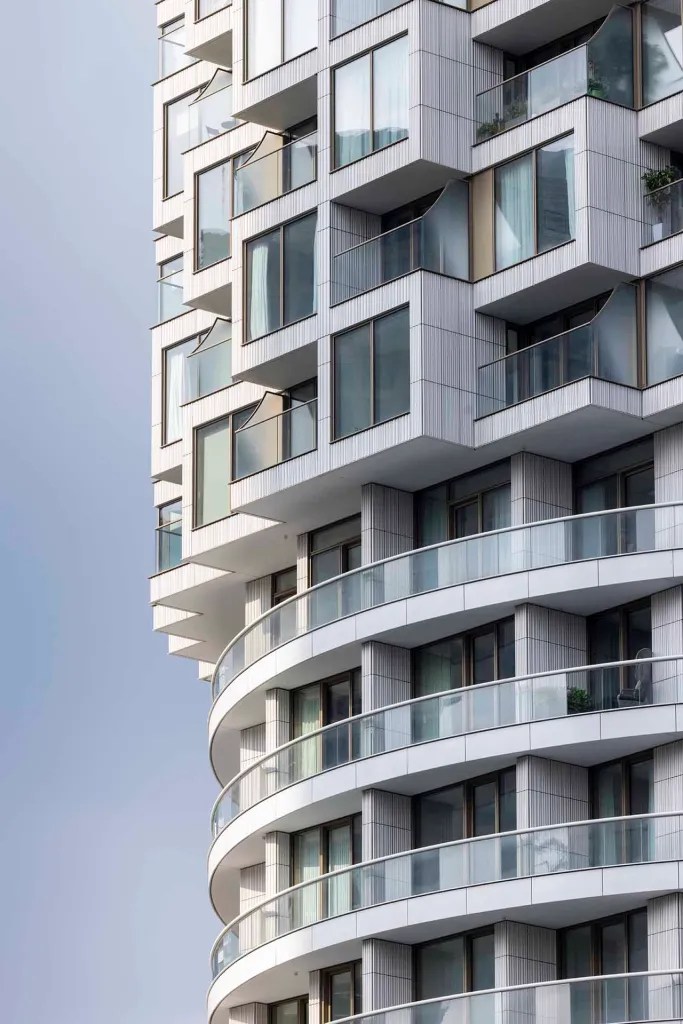
Image Credits: Herzog & de Meuron
Herzog & de Meuron’s design technology team began 20 years ago with one person and now it has grown to become a team of 25 people. Michael talks about how the change came to happen in the company, and how the history of Herzog & de Meuron matters today. The company’s group of technicians and specialists was transformed into a team of innovators and designers. The firm changed how it considered design technology for its projects in the past and rethought the process of integrating design with evolving technology. The technology specialists on Herzog & de Meuron’s team are considered equal to architects and not viewed solely as technicians. These days the career path of a design technology specialist has become as important as that architect. A team of such specialists is a requirement for most architecture practices with the rise and extensive use of BIM. The technology specialists are brought to check in with the project, understand the needs and demands of the project, and support them. At times they also design and develop their products and customize them to the project’s needs. They also find the appropriate tool set for each phase of the project and find the best possible solution which is up to the industry standards and can make the design process efficient without compromising the conceptual ideas of the architects.
Since last year Herzog & de Meuron has been exploring the idea of artificial intelligence, as are all the other sectors of architecture, engineering and the construction industry. The firm is also questioning what AI means to the architecture business and how it can assist architects in performing their work and making it efficient. AI could help in making the design process easier, save time for the architects so they can focus more on the critical thinking areas of design and hence, increase efficiency to produce better results. Herzog & de Meuron built an analytics team in their company to integrate sustainability with their designs. The firm didn’t directly add sustainability to its name as it is a wide subject area involving multiple disciplines. Instead, the company decided to put its focus on the engineering side of projects and consider the importance and integration of sustainability with architecture. Herzog & de Meuron wanted to tackle their designs with a similar approach of having an integrated design practice to choose the right tools for a better impact on design and have the ability to bring change.


Image Credits: Herzog & de Meuron
AI will be a very useful tool while designing for architects when they need to analyze the project and make it more sustainable. The program will take over the extensive efforts which are being put in by the consultants right now; it will fasten the process and provide efficient solutions. We will have a deeper understanding of how climate responsive our projects are, the carbon footprint of the project and what design or technical changes need to be made to achieve the goals. The conversations about sustainability and its importance for architecture will no longer be of the surface level, it would go deeper than the use of buzzwords like green and sustainability. In the academic sector as well, there are several courses and degrees in integrated design that are coming up but they are not taught solely in architecture courses but inculcate knowledge about using technology for an advantage in design.
The speed with which we are designing our projects these days requires the support of a massive team which is composed of architects, consultants, contractors, interior designers and several other agencies. It is important to collaborate because they need to take several important design decisions and can take up time to make it possible. In this process, Artificial Intelligence can be of great use in accelerating this process. It does not necessarily mean that AI will replace architects and engineers but instead be of assistance to them and be the right and helpful tool in the future. This will change the workflow; change the way we work and maybe even change how we approach design projects in the future.


Image Credits: Herzog & de Meuron
Herzog & de Meuron has an array of projects ranging from huge corporate offices to intimate offices and it involves differentiating in the types of design solutions varying on the size and nature of the project. Herzog & de Meuron leads all the projects under one common banner and the motto of their firm. The firm focuses more on being open-minded about its ideas and exploring new technologies and approaches. They do not use the same recipe for all of their projects instead they keep the same approach towards their design process which is open-mindedness, developing an understanding and sensitivity while embracing collaboration. This process also involves gathering the right information, analyzing it, selecting the right tools for design solutions and having an integrated approach towards designing. For Herzog & de Meuron, collaboration is the key which is not only applicable to the people in the company but also to outside consultants and clients. They believe that only through collaboration and an integrated approach towards design can we strive for the best outcome. Through their ongoing exploration and use of AI, they are shaping the future of architecture by leveraging technology to enhance the design process and create sustainable solutions. As architecture continues to evolve, Herzog & de Meuron, are continuously delivering exceptional results that meet the evolving needs of society.