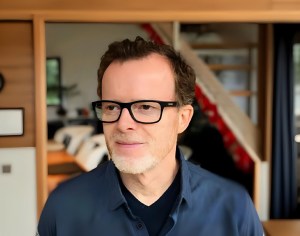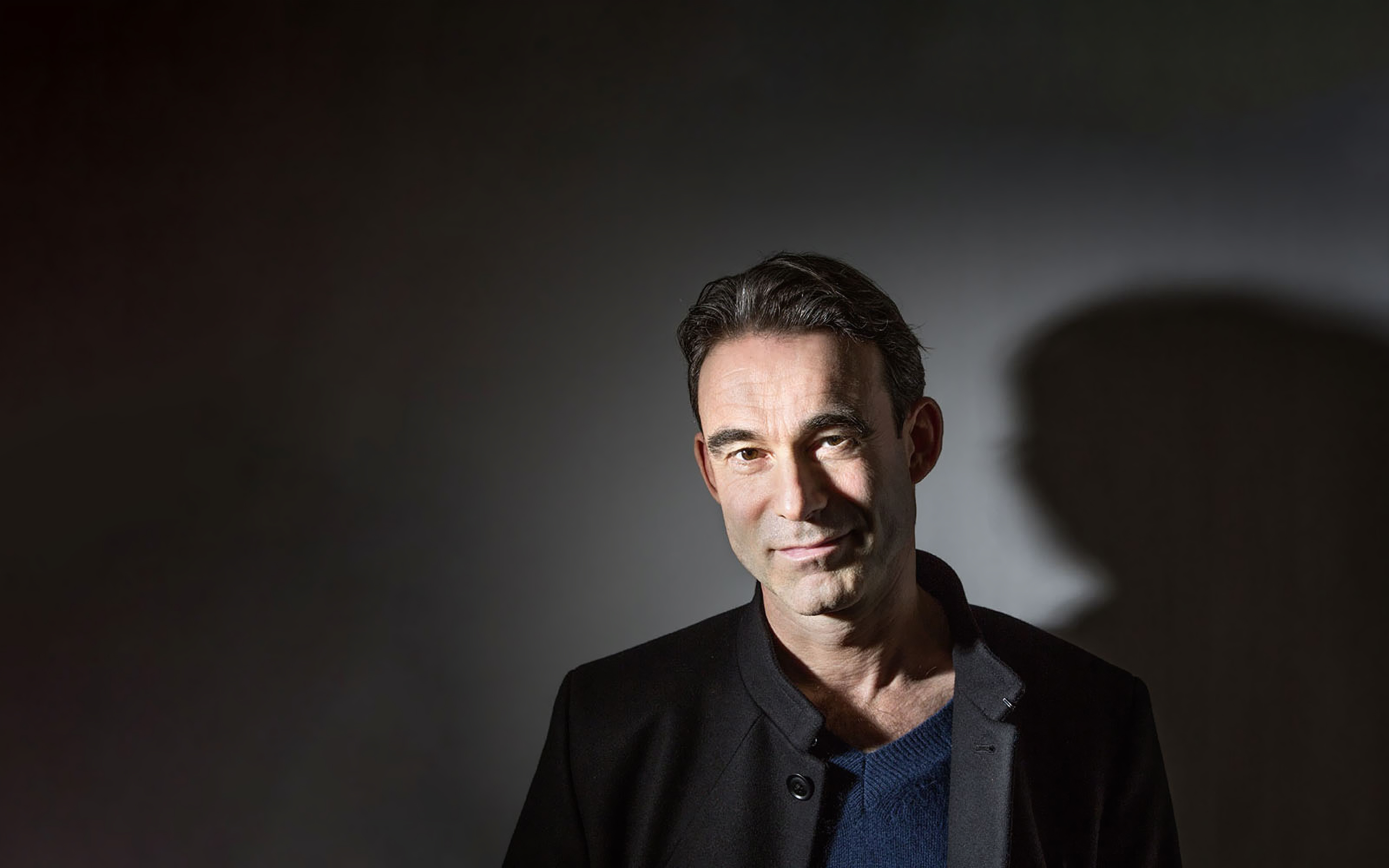
Robert Thiemann is the former Director and the innovative Founder of Frame magazine, a globally recognised platform shaping intelligence and inspiration in spatial design. With a background in chemical engineering, Robert's journey from copywriter to editor sparked his profound passion for the beauty of creativity. Since founding Frame in 1997, Robert remained at the forefront of the magazine's editorial process, driven by his insatiable curiosity and sharp-eyed vision.
In addition, Robert has spearheaded groundbreaking initiatives such as the live event Ninety Minutes of Frame and the development of Frame's pioneering iPad app. His dynamic approach to design also extends to innovative pop-up stores, earning acclaim and recognition in the industry. Robert's influence also extends to encompass a diverse range of publications and projects in art, architecture, and design. With a wealth of experience as a lecturer and jury member for design competitions globally, Robert Thiemann is a driving force.


From Chemical Formulas to Design Columns: The Evolutionary Journey of Robert Thiemann
Robert Thiemann's journey from a chemical engineer to a renowned name in design journalism is a remarkable tale of transformation and self-discovery. Initially trained as a chemical engineer, Thiemann had the technical acumen and precision required for the discipline. Despite his proficiency, he felt a disconnect with the profession. This realisation led him on a path of introspection, prompting him to pursue further studies in Technology and Society. This course, focusing on societal issues like psychology and economics, marked a significant pivot in his career trajectory.
His first job, a role in communication within a small real estate consultancy, was a stark departure from his engineering background. In this position, Thiemann found himself engaged in various tasks, including rebranding, designing new logos, and creating internal newsletters. It was here that he discovered a deep-seated passion for writing and communication.
This newfound enthusiasm for writing led him to explore further opportunities, eventually securing a position as a copywriter in an advertising and PR agency. It was a role that allowed him to dabble both in commercial writing and in the more nuanced world of journalistic editorial writing. An interesting challenge presented itself when he was asked to write a press release for a company producing chemical cleaning agents. His chemical engineering background helped him understand that the product was rather toxic, but since he was supposed to claim that the product was ‘environmentally friendly’ in the press release, it made him step away from commercial writing and deepened his interest in journalism.
It was in the field of editorial writing that Thiemann found his true calling. He relished the freedom to delve deep into topics, to engage in conversations with people, and to craft stories that were both objective and engaging. His talents and interests eventually led him to a Dutch trade publication focused on interior design. Despite having no background in the field, Thiemann's passion for design and his editorial skills flourished, revealing a deep-seated love for design in general and interior design in particular.
The culmination of Thiemann's journey was the conception of 'Frame', a magazine that he dreamt up and co-founded. The inception of 'Frame' happened quite organically—a vision developed over beers and brainstorming sessions. This publication, aimed at bridging the gap in professional publications for interior design, was a bold step. It was a venture that not only capitalised on his diverse skills and experiences but also filled a void in the market, giving a voice to a niche audience in the design industry.
Thiemann's story is one of continuous evolution, an example of how diverse experiences and skills can converge to create something unique and impactful. From the precise world of chemical engineering to the creative realm of design journalism, his journey is a testament to the power of following one's passions and the unexpected pathways they can lead us down.


Creating 'Frame': Redefining Interior Design Journalism from a Hanover Bar to the Global Stage
The inception of 'Frame' magazine, birthed in an unconventional setting—a bar in Hanover, amid a trade fair—marked a pivotal point in design journalism. Robert Thiemann, alongside his colleagues, while attending what seemed to be a mundane flooring fair, found inspiration over casual beers. This led to the birth of a unique vision for a new kind of publication in the design world. Their idea was to establish a business-to-business (B2B) magazine focused specifically on interior design, but with a twist: it was to be an international publication, articulated and distributed in English. This was a deliberate and strategic choice, aiming to fill a void in the existing market where numerous publications, such as 'ELLE Decor’, catered mainly to the home space but rarely ventured into the realms of commercial and public interior design.
The essence of 'Frame' was to transcend the conventional boundaries of design magazines. It was conceived to be not just inspiring but also a vocal platform for professionals in the field—stylists, decorators, architects, and interior designers. At that time, these professionals did not enjoy the level of recognition and understanding they have today. 'Frame' aimed to change that perception by providing a stage for these professions, elevating their work from merely arranging cushions or hanging curtains to being recognised as crucial elements in architectural spaces.
Furthermore, Thiemann and his team realised the importance of showcasing real design and interior architecture, aspects they believed were much more profound than commonly perceived. The magazine's content was designed to echo this sentiment, enabling interior designers to illustrate their work and essence to the world, effectively saying, "This is what I do, this is who I am," and instilling a sense of pride in their profession.
In its quest to break new ground, 'Frame' reached out globally, connecting with professionals in diverse locales such as New York, Tokyo, and Finland. This global outreach was more than just a quest for varied content; it was about pushing the boundaries of what was known and expected in the design world. The magazine brought to the forefront incredible stories and designs by talented designers and architects, many of whom were previously unknown. From its early stages, 'Frame' commissioned photographers to capture these unique designs, which played a crucial role in establishing the publication's identity and appeal.
The distinction between 'Frame' and other existing publications, notably 'Wallpaper', was stark. While 'Wallpaper' targeted a consumer audience, 'Frame' set its sights on a more professional readership, offering insightful, industry-oriented content. Despite some initial competition, 'Frame' carved out its niche, becoming an authoritative voice and a go-to publication for professionals in interior design. The journey from conception to realisation for 'Frame' wasn't just about launching a magazine; it was about creating a platform that redefined professional interior design, giving it the stage and respect it deserved in the dynamic world of art and architecture.


Overcoming the Challenges of Pre-Internet Magazine Launch: The Resilient Journey of 'Frame'
In the era preceding the digital revolution, the inception of a magazine like 'Frame' was an endeavour replete with formidable challenges, requiring an extraordinary level of tenacity and resourcefulness. Frame was established at a time when gathering information was a painstaking process, especially for a publication with global aspirations. Without the convenience of the Internet, understanding market trends in places as distant as Japan, while operating from Central Europe, demanded a herculean effort in outreach and networking. The team had to navigate through a maze of trade shows, pore over publications in various languages, and establish crucial connections, often in a landscape riddled with linguistic and cultural barriers.
Launching 'Frame' under these circumstances was an endeavour that stretched beyond the creative challenges of content curation. The logistical hurdles of commissioning writers, interviewing subjects across the globe, managing travel costs, and coordinating with photographers added layers of complexity to this ambitious project. These early stages of 'Frame' were marked by significant financial strain, with losses amounting to substantial figures, casting doubts on the sustainability of the venture.
However, the resilience of the 'Frame' team shone through in these trying times. Operating under the umbrella of a small Amsterdam-based publishing company, they managed to roll out the initial issues, distributed globally to interior architects and design enthusiasts. This initial distribution was strategic, aimed at building a reader base and attracting advertising, crucial for the magazine's survival. Despite the early financial hurdles, the team's unwavering belief in their vision led them to seek government subsidies, a move that provided a much-needed respite from the financial pressures.
The turning point for 'Frame' came when the magazine, after years of perseverance and adaptation, began to break even. This milestone was not just a financial achievement; it was a testament to the team's dedication and the relevance of their vision in the design journalism landscape. Eventually, the publication achieved independence and profitability—a remarkable feat considering the challenges of its early days. 'Frame's journey from a concept conceived in a Hanover bar to a successful, independent publication is a compelling narrative of overcoming the odds, fueled by passion, resilience, and an unwavering commitment to providing a unique platform for the world of interior design.
The Transformative Journey of Interior Design: A Comprehensive Perspective from Robert Thiemann
Tracing the evolution of the interior design industry over the decades, Robert Thiemann reflects on the profound changes that have reshaped this dynamic field. Initially, the concept of interior design was nebulous, lacking a clear definition even among professionals. However, over time, it gained significant recognition and clarity, evolving into well-understood terms like spatial design and interior architecture. The industry has seen a dramatic shift, with the emergence of large interior design firms and close collaborations between architects and interior designers, highlighting the newfound respect and understanding for the role of interior design.
In its early days, interior design primarily focused on aesthetics, striving to create visually stunning spaces that adhered to a brand's image, particularly in retail settings. This approach has evolved into a more human-centric design philosophy, only recently surfacing in the last five years or so. Thiemann notes a pivotal change in perspective, questioning past practices that prioritised aesthetics over user experience. Contemporary design is now more focused on functionality, user comfort in various settings like hotels and retail spaces, and how design can enhance personal and professional experiences.
This shift has been further accelerated by the COVID-19 pandemic, placing a greater emphasis on both the user experience and the environmental impact of design. Sustainability, once a concept paid lip service to, has become a tangible goal, with regulations, client demands, and a genuine commitment from designers to minimise environmental footprints. This change signifies a move from superficial discussions to actionable practices in sustainable design.
Another notable evolution in the field is the increased complexity of challenges faced by interior designers and architects. Balancing the needs of users, the environmental impact, and aesthetic appeal has become a multifaceted task. This complexity has led to a collaborative approach, involving user communities, clients, psychologists, and other disciplines, marking a departure from the era of the 'creative genius' architect. Contemporary designers recognise the necessity of this collaborative approach to meet the intricate demands of modern design.
In response to these industry changes, visual trends have become less apparent, moving away from superficial elements to deeper considerations behind the physical appearance of spaces and products. This shift focuses on long-term impact, considering sustainability and human interaction more profoundly. The future of design, as Thiemann envisions, is an exploration of sustainable yet appealing solutions that balance visual aesthetics with environmental responsibility and user well-being.
As for Frame magazine's approach to these industry transformations, their content curation has adapted to these shifts. Prior to January, when Thiemann ceased working with 'Frame', the magazine identified five key principles they believed would guide future-proof interior designs. These principles—prioritising health and well-being, sustainability, working with user communities, agility in interior spaces, and creating a holistic physical experience—became the criteria for selecting projects and designers to feature. This approach reflects a holistic understanding of the multifaceted nature of contemporary interior design, underscoring the importance of addressing environmental, social, and sensory aspects to create spaces that are truly future-proof.


The Role of 'Frame' in Shaping and Reflecting the Evolution of Interior Design
'Frame' magazine has not just been a passive observer but an active trendsetter in the interior design industry. The magazine's efforts in meticulously screening numerous projects and engaging with a wide array of professionals have positioned it as a vital force in defining and broadcasting the industry's values. This influential role has enabled 'Frame' to translate emerging trends and values into a coherent narrative, enlightening its readership about the industry's evolving priorities. The decision to dedicate entire issues to each of the five key principles of future-proof interior design underscores Frame's commitment to not only report on but also shape the discourse within the design community.
Robert Thiemann reflects on the transformation in 'Frame's approach to content selection and publication. Initially inundated with hundreds of project submissions from designers daily, the 'Frame' team faced the challenge of discerning which projects merited publication. This deluge necessitated the adoption of specific lenses or criteria, leading to the development of the five guiding principles. This approach marked a significant shift in the magazine's editorial philosophy. Instead of merely serving designers' agendas by showcasing their projects, 'Frame' began to set its own agenda, selecting projects that aligned with its principles and values. This change not only enhanced the magazine's editorial direction but also solidified its position as an agenda-setter in the industry.
The elevated role of 'Frame' lies in contributing its growing expertise back to the design community. This reciprocal relationship between 'Frame' and the design industry has been pivotal. Through continuous collaborations and deep insights into the industry, 'Frame' has accumulated a wealth of knowledge and expertise. By sharing this knowledge, the magazine plays a crucial role in guiding and informing the design community, thus emphasising the value of design in a broader context. This dynamic interaction between 'Frame' and the design world exemplifies the magazine's impact: it is not just a chronicler of design trends but a key contributor to the industry's ongoing dialogue, shaping its trajectory and enriching the community's understanding of what truly constitutes value in design.

The Evolving Excitement in the World of Design Journalism: Reflections by Robert Thiemann
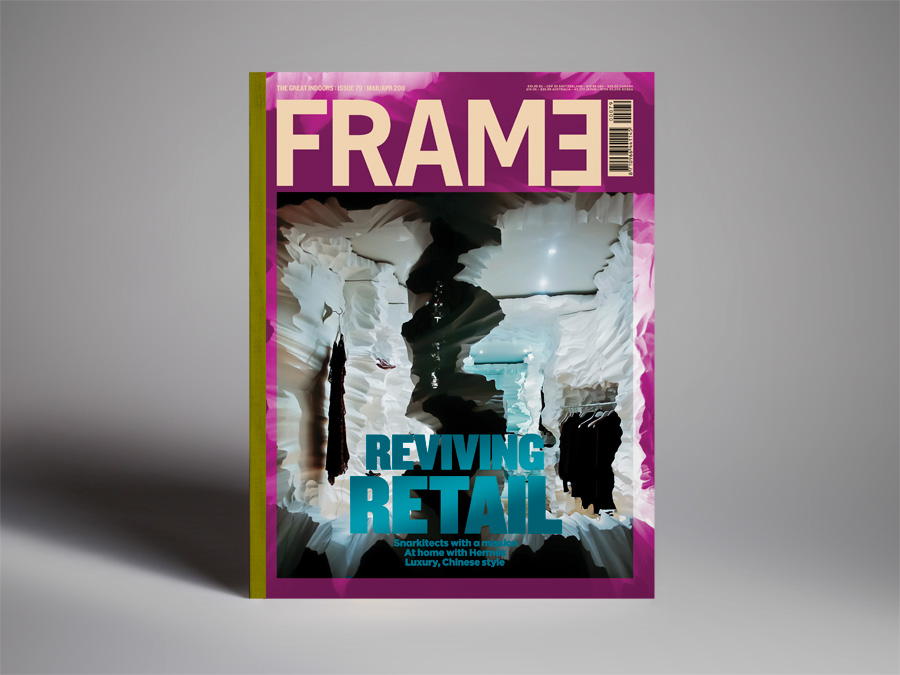
Robert Thiemann shares his experience in the shifting dynamics of excitement in the realm of design journalism. Initially, the thrill for him and his team stemmed from discovering something new – a fresh voice in Japan or an innovative designer in London creating never-seen-before retail spaces. This excitement was vividly remembered in the early days, especially with the second issue of 'Frame', which unveiled otherworldly retail stores by Japanese designers that were completely novel to the European eye. However, as Thiemann points out, this kind of excitement has gradually transformed over time.
In a world where visual saturation is the norm, where every generation is bombarded with images and everyone curates their personal Pinterest boards, the element of surprise in discovering new visuals has diminished. For professionals who engage with new designs as part of their everyday work, being visually surprised has become an increasingly rare occurrence. This change has prompted Thiemann and his team to seek excitement in other aspects – particularly in aligning with and finding projects that resonate with their ethos and values. This shift might not carry the same initial thrill as discovering the unknown, but it offers a different kind of satisfaction – the fulfilment of publishing projects under a set of deeply held values.
For Thiemann, a seasoned editor, the initial excitement of seeing something novel may have faded, but he acknowledges that this might not be the case for a younger, 25-year-old editor stepping into the field. Their experience of surprise and excitement could be entirely different.
Addressing aspiring designers and entrepreneurs in the interior design industry, Thiemann advises embracing collaboration with other disciplines and clients. He emphasises moving away from the notion of being a solitary creative genius to seeing oneself as a guide or curator. The focus should be on creating spaces, products, and neighbourhoods that people can relate to, not just in the present but also in the future. This approach requires taking others on a journey and considering their needs seriously. At the same time, Thiemann underscores the importance of staying true to oneself, aligning with personal values, ethos, and taste. This balance between guiding others and curating ideas, while also finding a middle ground that resonates with both the creator and the users, is crucial. The challenge lies in creating something that stands out from mediocrity and carries a unique voice, a task Thiemann describes as the true challenge in the contemporary world of design.
Robert’s New Venture in the World of Design: Bridging Gaps with Betterness
Post his remarkable 25-year tenure at 'Frame', he embarked on a new project named 'Betterness'. This new endeavour emerged from a period of reflection following 'Frame’s 25th anniversary. While appreciative of his achievement, Thiemann realised the shifting approach of contemporary professionals towards varied work experiences. Unlike his father’s generation, where lifelong dedication to a single company was common, he recognised the modern workforce's penchant for diversification. Despite the evolution and diversification of work at 'Frame', including book creation, pop-up stores, and launching awards programs, he felt the urge to seek new challenges.
'Betterness' is Robert’s leap into contributing a helicopter view to the industry he has been closely associated with but never worked in, directly. Leveraging his broad perspective and extensive network, he aims to bridge gaps between clients and designers, aiding in vision creation and the development of comprehensive briefs. Thiemann’s role is more than just a middleman; he sees himself as a connector of dots, bringing together various expertise for cohesive and innovative solutions.
Working solo, at least initially, he prefers the flexibility of collaborating with people on a project basis, a departure from leading a team for over two decades. This approach aligns with his vision of evolving project-based collaborations, where teams form and dissolve as required, bringing fresh dynamics to each new project. Thiemann’s clients span across brands and designers, reflecting the dual aspect of his work: guiding clients in creating impactful projects and helping designers broaden their horizons beyond just materials and finishes.
Robert played an important role in the industry, especially in improving collaboration and communication among various professionals. His work is seen as vital in enhancing mutual understanding and respect among architects, lighting designers, acoustic engineers, and other stakeholders in large-scale projects. Robert’s focus is on fostering better collaborations and ensuring that interior design and architecture serve the people and the planet effectively, both now and in the future.
Robert’s new mission, 'Betterness', resonates strongly with Disrupt MAG’s mission. He views his current role as integral to shaping industry trends and contributing to a broader understanding of interior design. This perspective is a testament to his ongoing commitment to the design world, offering a bird's eye view that enriches the industry's collective knowledge and fosters a deeper understanding of design trends and practices.
In Conclusion:
Robert Thiemann's journey exemplifies a progressive and adaptive approach to the ever-evolving landscape of design and architecture. His story is a clarion call to leaders of large built environment practices globally, urging them to embrace change, interdisciplinary collaboration, and a holistic view of projects. His pivot from chemical engineering to design journalism and then to his latest venture, 'Betterness', highlights the importance of continuous learning, cross-field insights, and the value of connecting diverse expertise for innovative solutions. As the design world navigates complex challenges and opportunities, Thiemann's trajectory offers inspiration and guidance: to blend technical skill with creative vision and to approach each project not just as a physical space, but as a narrative that intertwines functionality, aesthetics, and sustainability. Leaders in this field should take note of Thiemann's emphasis on collaboration, user-centric design, and ecological responsibility, integrating these principles to create spaces that are not only visually stunning but also resonate with the users' needs and contribute positively to the environment. The legacy of 'Frame' and the promise of 'Betterness' are testaments to the impact that visionary leadership and an open-minded approach can have in shaping the future of our built environment.