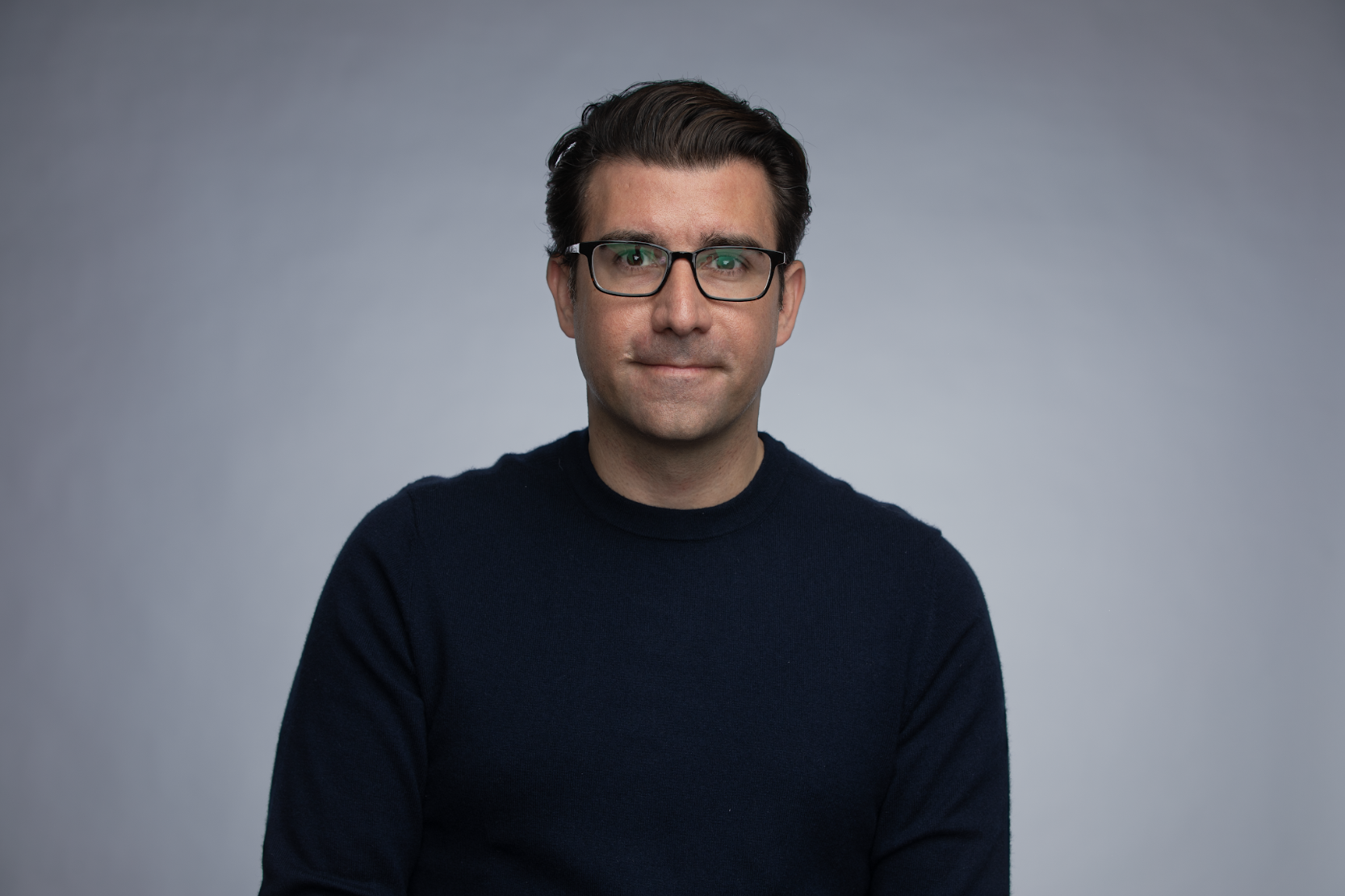
Matt Cimaglia is a forward-thinking entrepreneur, investor, and technology advocate committed to driving innovation at the intersection of quantum computing, digital media, and advanced technologies. As the Founder and Managing Partner of Quantum Coast Capital (QCC), Matt focuses on fostering a sustainable venture ecosystem for early-stage quantum companies, emphasizing practical applications in hardware, software, and sensing technologies.
With a career spanning over two decades, Matt has founded and scaled successful businesses. A native of Florida, Matt’s early fascination with technology led him to launch a creative agency at the age of 20, a cutting edge media company before exiting to focus on emerging technologies.
Matt is deeply committed to advancing quantum technology, viewing it as the next industrial revolution. He actively invests in transformative innovations and bridges the gap between academic research and commercial success. Beyond his professional endeavors, Matt has served on the boards of the Boca Raton Center for Arts & Innovation, the Museum of Modern Art (MoMA), and the Art Institute of Chicago, supporting initiatives that bridge technology, creativity, and education.
In an age where artificial intelligence and digital transformation are at the forefront of technological advancement, quantum computing is emerging as the next frontier. While still in its early stages, this revolutionary technology promises to reshape industries, solve complex problems at unprecedented speeds, and optimize processes once thought impossible. As 2025 marks the UNESCO International Year of Quantum Science and Technology (IYQ2025), global efforts are intensifying to accelerate quantum research, investment, and workforce development. In a recent conversation with Matt Cimaglia, a serial entrepreneur and quantum evangelist, we explored the potential impact of quantum computing on industries, the challenges of widespread adoption, and how investors are positioning themselves in this rapidly evolving space.

Matt Cimaglia’s journey into the world of quantum computing is not that of a traditional physicist or engineer. Instead, his path has been shaped by a deep curiosity about technology and a passion for storytelling. Growing up in Boca Raton, Florida—the birthplace of the PC—Matt was immersed in an environment where innovation was second nature. His early exposure to technology, combined with his background in film and media, led him to build a successful creative agency that leveraged cutting-edge technology to tell compelling brand stories.
Following a successful business exit, Matt transitioned into the world of startups and consulting, where he found himself drawn to the transformative potential of quantum computing. Over the past five years, he has dedicated himself to understanding this field, recognizing its potential to redefine industries and societal structures.
Understanding Quantum Computing: A Fundamental Shift
Unlike classical computers that process data in binary (ones and zeros), quantum computers leverage the principles of quantum mechanics, allowing information to exist in multiple states simultaneously called Qubits. This ability to process multiple possibilities at once gives quantum computing a massive advantage in solving complex problems.
Matt illustrates this with a common simple analogy: imagine two identical mazes. A classical computer navigates the maze by testing each possible path one by one, eventually finding the exit through trial and error. A quantum computer, on the other hand, can analyze all possible paths at once to determine the optimal solution. This leap in computational power has profound implications for fields such as logistics, architecture, materials science, drug discovery, encryption, and more.
The Convergence of Quantum Computing and AI
With the rise of artificial intelligence, it has become easier to conceptualize how advanced computational models are transforming industries. Matt sees quantum computing as a natural evolution, accelerating AI's capabilities and making some key large-scale computations more efficient.
“Some AI companies that begin optimizing for quantum computing will gain a significant advantage over those relying solely on classical systems,” Matt explains. “However, quantum computing won’t entirely replace classical computing—rather, it will complement it. Certain applications will still be better optimized for classical hardware, while others will see exponential gains from quantum acceleration.” The key differentiator is efficiency. A recent white paper from one of Matt’s portfolio companies found that a single quantum computer with just 30 logical qubits could match the computational power of 19 million classical cores. As quantum systems scale to several thousand logical qubits, they will consume magnitudes less energy than the massive high-performance data centers struggling to meet growing AI demands—delivering unprecedented computational power with a fraction of the energy footprint.
This shift is expected to be particularly relevant in sectors such as renewable energy, battery storage, and rare earth materials. By leveraging quantum computing, researchers may be able to develop better energy storage solutions, optimizing production methods and reducing environmental impact.
Early Adopters: Finance, Aerospace, and Healthcare
While many still view quantum computing as a theoretical concept, some industries have already begun experimenting with its power. Financial institutions are exploring quantum algorithms to optimize risk assessment and portfolio management. Aerospace companies are leveraging quantum-inspired computing for aerodynamic simulations, significantly reducing the time required for research and development.
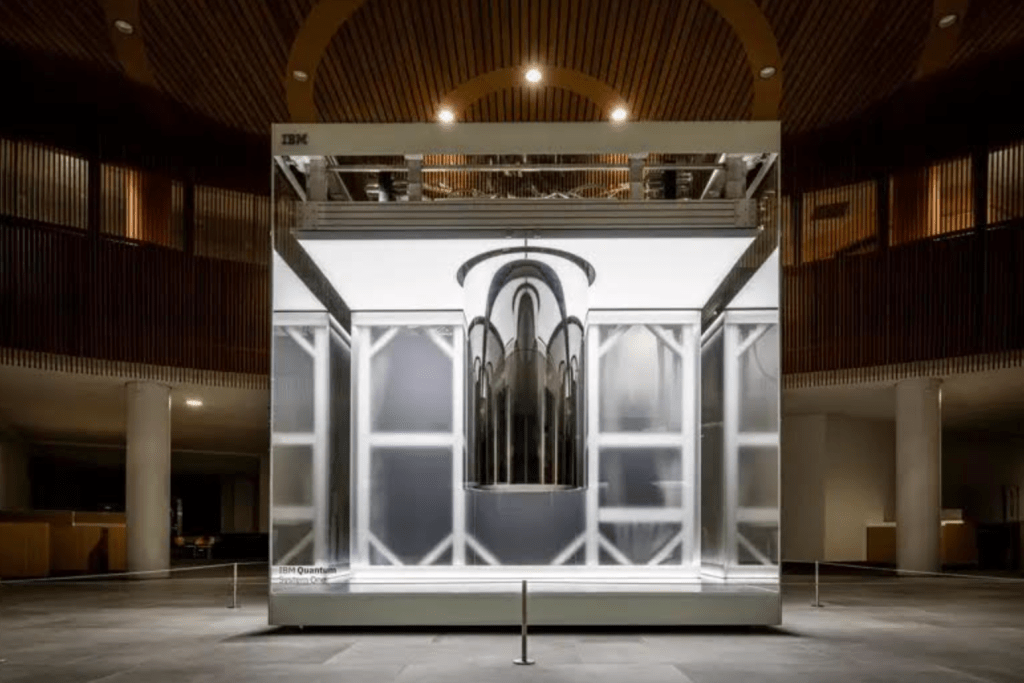
Perhaps the most promising application is in healthcare, where organizations like the Cleveland Clinic are experimenting with IBM’s quantum computers for drug discovery and personalized medicine. Researchers are at the early stages of incorporating quantum simulations into the analysis molecular interactions, potentially leading to groundbreaking medical advancements.
Challenges to Widespread Adoption
Despite its promise, quantum computing faces significant barriers to widespread adoption. The biggest hurdles, according to Matt, are:
- Lack of Investment – While AI has captured mainstream attention, quantum technologies are still underfunded. Investors tend to follow trends, but those willing to take a long-term approach—similar to early AI investors—stand to reap substantial rewards.
- Limited Practical Applications – Many aspects of quantum computing remain in the realm of theory. While early adopters are experimenting with quantum algorithms, large-scale use cases are still developing.
- Workforce Shortage – There is a significant gap in talent and education. “We need to invest in education systems globally,” Matt emphasizes. Universities, STEM programs, and coding initiatives must integrate quantum computing into their curricula to prepare the next generation of engineers and researchers.
Quantum Coast Capital: A Vision for the Future
As an investor, Matt founded Quantum Coast Capital, a firm dedicated to advancing the quantum ecosystem across key areas such as quantum sensors, networking, and other applications. Recognizing the looming risks posed by quantum advancements to current encryption methods, the firm is emphasizing significant investments in security and post-quantum encryption to safeguard digital infrastructure.
Beyond security, Quantum Coast Capital is actively positioning itself at the forefront of quantum AI development, materials science innovations, and sustainability-driven quantum applications. The firm is identifying startups optimizing code for quantum environments, laying the groundwork for a new era of computing.
The Future of Quantum: Investment, Innovation, and the Rise of Quantum Centers
As quantum computing transitions from theoretical exploration to practical application, investors, entrepreneurs, and scientists are shaping its trajectory. Matt Cimaglia, as a serial entrepreneur and investor, is at the forefront of this shift, leading Quantum Coast Capital in identifying promising startups and fostering quantum innovation. Our conversation delved into the investment landscape, challenges of scaling quantum technology, and the significance of building dedicated quantum centers.
The Sustainable Investment in Quantum Computing
Unlike traditional tech startups, quantum companies require a different approach to investment. Many of today’s quantum founders are seasoned physicists who, for decades, lacked the hardware necessary to test their theories. With new breakthroughs in quantum hardware, these experts are now able to bring their ideas to life.
However, Matt warns against reckless investment in the quantum space. He draws parallels to past tech bubbles, where industries such as blockchain and AI saw rapid growth but also unsustainable speculation. “What we don’t want is for people to start throwing money at companies just because they have the word ‘quantum’ in their name,” he explains. "If bad investments lead to failures, quantum could be unfairly labeled as an overhyped technology."
To prevent this, Quantum Coast Capital follows a highly selective investment strategy, focusing on:
- Disruptive potential – How transformative is the solution?
- Founding team expertise – Are the founders true specialists in their field?
- Early-stage opportunities – Investments in pre-seed, seed, and Series A rounds.
- IP – Does the company own the rights to their intellectual property or have exclusivity on it?
- Strategic focus on NATO countries – Ensuring technological advancements align with national security interests.
Quantum Coast Capital is strategically positioning itself within the quantum ecosystem, focusing on early-stage investments at the pre-seed, seed, and Series A levels. The firm targets companies with the potential to redefine industries through quantum technologies, providing both capital and strategic guidance to accelerate innovation and commercialization.
The Role of Quantum in Solving Global Challenges
One of the most exciting aspects of quantum is its potential to solve pressing global challenges. Matt envisions quantum computing as a tool that can alleviate tensions over resources, optimize global systems, and drive sustainable innovation.
“When we look at climate change, energy crises, and even geopolitical conflicts, many of these are rooted in resource scarcity or inefficiencies. Quantum computing can help us find new solutions beyond classical computing, whether it's for sustainable energy storage, optimizing food production, or advancing medical research.”
However, as with any revolutionary technology, the risk of misuse exists. Quantum decryption, for example, could render today’s encryption methods obsolete, creating national security concerns. That’s why one of Quantum Coast Capital’s key focus areas is heavily in quantum cybersecurity solutions, ensuring that quantum advancements enhance security rather than undermine it.
Shaping the Future: Investment, Education, and Collaboration
As quantum technology continues to evolve, strategic investments, industry collaboration, and educational initiatives will determine its success. Quantum Coast Capital will play a unique role, not only as an investor but also as an advisory force, mentoring founders and connecting them with strategic partners.
The future of quantum is not just about technology—it’s about building an ecosystem that fosters responsible growth and innovation. With investors, researchers, and institutions working together, we are on the verge of a new industrial revolution—one that will redefine industries, economies, and the way we solve some of humanity’s greatest challenges.
The Quantum Revolution: Unlocking the Future of Innovation and Investment
Quantum computing is no longer a distant dream—it is fast becoming an integral force shaping industries and redefining the limits of computation. Yet, despite its potential, many remain unaware of its transformative power. Matt Cimaglia, a serial entrepreneur and quantum investor, is among the key voices advocating for strategic investment, education, and policy development in this space.
In our discussion, Matt shared insights on how quantum computing will impact industries such as real estate, architecture, and sustainability, as well as the importance of investing in talent, infrastructure, and responsible funding. His vision includes a quantum innovation hub, where the brightest minds can collaborate, build groundbreaking applications, and usher in a new industrial revolution.
Quantum’s Role in Architecture, Real Estate, and Smart Cities
The implications of quantum technology for real estate, architecture, and urban planning are profound. With the ability to process massive datasets, optimize simulations, and discover new materials, quantum computing could redefine how we build and manage cities.
- Optimizing Architectural Design
- Real-time simulations: Quantum or quantum-inspired computing could enable architects to create real-time digital twins, allowing them to test wind flow, energy efficiency, and structural stability instantly.
- Better materials: By simulating billions of chemical compounds, quantum computing could discover new, sustainable building materials that reduce reliance on carbon-intensive resources like steel and concrete.
- Revolutionizing Construction & Logistics
- Supply chain optimization: Quantum-powered logistics models can reduce delays, cut costs, and improve efficiency across large-scale construction projects.
- Energy-efficient buildings: By integrating quantum AI, developers can create smart buildings that self-optimize heating, cooling, and energy usage in real time.
- Transforming Smart Cities
- Better battery storage: Quantum simulations can lead to the creation of longer-lasting, more efficient energy storage solutions.
- Optimized infrastructure: Quantum computing can model entire cities, identifying the most efficient ways to reduce energy waste, improve transportation, and enhance urban sustainability.
"Imagine a future where city planners run instant simulations of traffic, energy use, and climate impact before making infrastructure decisions," Matt says. “Quantum will allow us to build smarter, greener, and more resilient cities.”
The Challenges of Scaling Quantum Computing
Despite its promise, quantum computing still faces significant hurdles to mainstream adoption. Matt highlights three major challenges:
- Public Awareness & Education
- Many business leaders and policymakers still don’t understand quantum computing or its potential.
- Education initiatives are crucial to prepare industries, governments, and the public for the quantum era.
- Matt’s grassroots approach includes roundtable discussions, talks with business leaders, and policy advocacy.
- Investment & Responsible Capital
- Quantum computing requires patient capital—investments that won’t see immediate returns but will pay off massively in the long run.
- Matt warns against reckless investing, drawing parallels to the AI and blockchain hype cycles where speculative investments led to market bubbles.
- Quantum Coast Capital carefully vets quantum startups, ensuring funding goes to genuine innovators rather than opportunistic players.
- Global Policy & Regulation
- Governments must start preparing for quantum breakthroughs now, rather than reacting when the technology is fully realized.
- Encryption and security are urgent concerns—quantum computers could eventually break today’s encryption, requiring entirely new cybersecurity strategies.
- Without early regulations and policies, countries risk falling behind or mismanaging the quantum transition.
The Next Two Years: A Critical Window for Quantum
Quantum computing is advancing faster than many realize, and the next two years will be crucial in shaping its trajectory. Matt believes that within this timeframe, we will see major breakthroughs that will permanently change the landscape.
“I don’t want to see a situation where a quantum breakthrough is delayed by bureaucracy or fear-based regulation,” Matt says. “We need to start the conversations now so that when these innovations arrive, we’re ready to integrate them responsibly.”
The Quantum Revolution Is Here—Are We Ready?
Quantum computing isn’t just a new technology—it’s the next industrial revolution. Its applications will span industries, redefine economies, and shape the future of humanity.
Matt’s mission with Quantum Coast Capital is to ensure that quantum development is done responsibly, with strategic investments, education, and collaboration.
With quantum centers, investment funds, and global initiatives coming to life, the next decade will be transformational. The question is: who will be ready to embrace it?