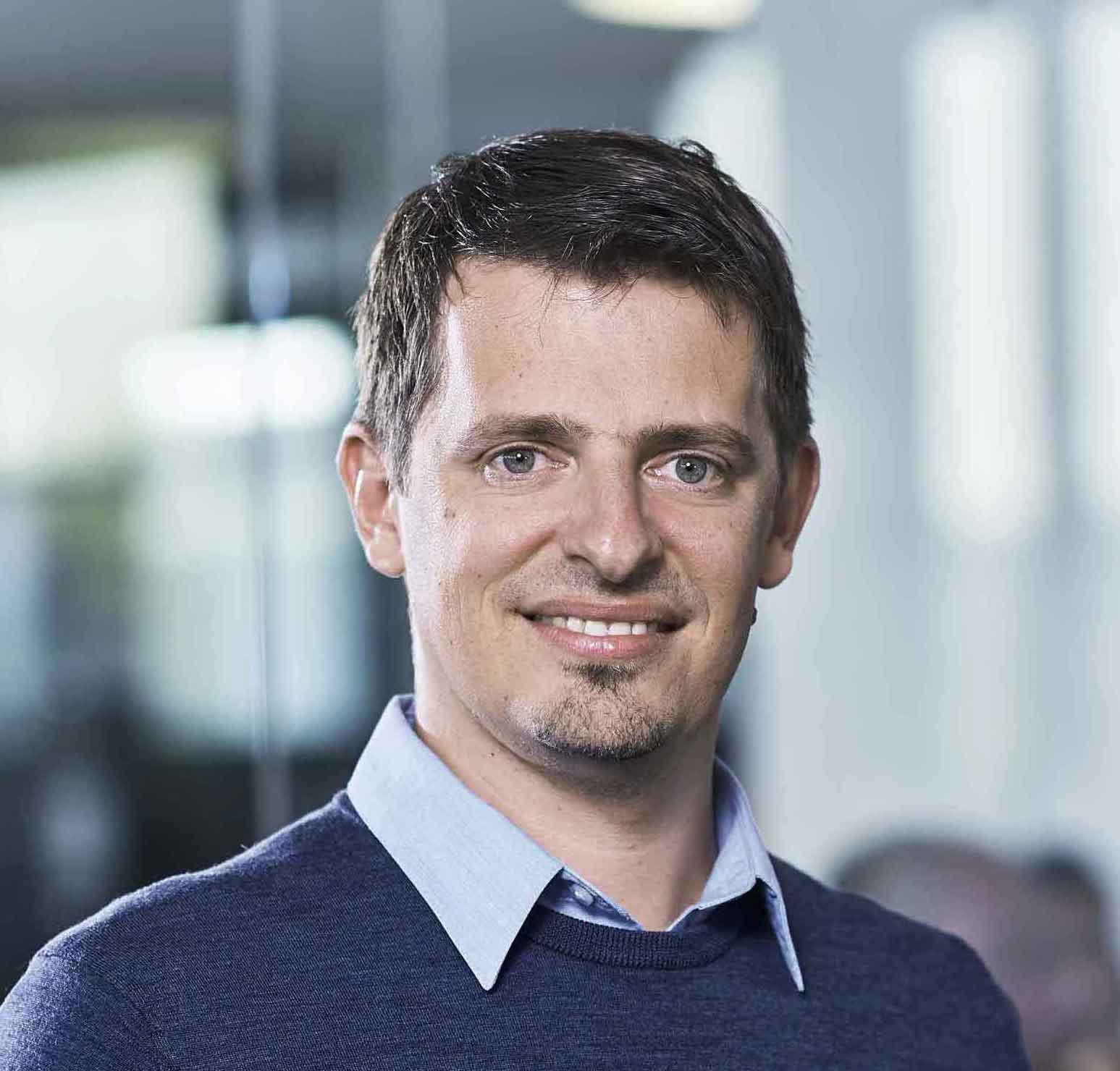
Manuel Frey is the head of digital planning and simulations at Gruner, a company reputed for its expertise in “Go-To Innovations” in HVAC engineering. Manuel’s team helps decision-makers create operative and sustainable high-performance buildings by utilising Virtual Design and Construction(VDC) and Building Information Modelling(BIM) in conjunction with building performance simulation and his 18 years of experience in the HVAC industry. Manuel consistently pushes for innovation within the AEC industry through his progressive mindset, inventive teamwork, and meticulous implementation.
Gruner is an engineering company with over 1100 employees in around 30 locations, that works on building, infrastructure, and energy. We as humanity are facing situations that are threatening our survival. Problems like climate change and its relation with the built environment are at the core of the issues. Gruner acknowledges the significance of addressing these problems and actively works towards finding sustainable solutions that can mitigate the impact of climate change on our society and surroundings. By combining their engineering knowledge and innovative approaches, Gruner strives to contribute to a more sustainable future for all.

The Vision at Gruner
Linking digitalisation and sustainability is the factor that is driving Manuel Frey at Gruner. The two topics will define how our generation and future generations will live, work and interact with the environment. Manuel, a simulation specialist, sees himself and his colleagues as leaders in addressing the challenge of transforming the built environment into a sustainable and livable future. They strive to push forward and make a positive impact.
Two major organisations in Switzerland work on issues that Manuel Frey targets, International Building Performance Simulation Association (IBPSA) works on indoor climate for energy efficiency and Building SMART is the leading platform for the digital transformation of the Swiss construction and real estate sector. The people working on BIM do not understand simulation, and the people working on simulations are unable to convey their ideas to industry people such as architects, civil engineers, contractors, and even clients. Bridging the gap and linking both industries is in Manuel Frey's mission diary.


Addressing Collaboration Challenges
A major obstacle that we face while discussing the connection between digitalisation and sustainability is the requirement to establish a meaningful link between the two and address the gap between them. This barrier majorly arises due to a lack of communication and interaction about the topics. Why do colleagues frequently encounter communication issues? Manuel addresses the need for a collaborative work culture to resolve the issue.
Transparent communication is crucial when it comes to conveying subjects, projects, and systems effectively, as understanding hinges on this. When a leader comprehends the goals and aspirations of the team, the path to success is certain. Additionally, transparent communication skills are essential in managing diversity within a team. After ideas are delivered, the team understands and accepts the details of the project.
Acceptance arises from the need to have a particular task done. Acceptance of ideas follows understanding, and successful implementation depends on a genuine desire to seek solutions for specific problems. After understanding and accepting the details of a project, and figuring out the need, one should be able to implement it to deliver fruitful results.
“Success comes to those who implement ideas into their projects and daily routines, and when done with precision, they embark on a path of continuous triumph." - Manuel Frey
Effectiveness in a project is achieved by performing tasks correctly and in the right direction. While efficiency is crucial, alignment with project goals is equally vital. Manuel emphasises, "If you are clear about what you must do, then you can think of the best process to reach the goal."
Standard timeline of collaborative projects
The architect is involved in the predesign and design development phases of a project, after which consulting with an engineer is required. Engineers need time to understand the complexities of a project before they can deliver results because engineering projects often involve technical details that need to be considered. They need to understand the requirements and the constraints of the project, and how to implement it in the best way. This can take time, especially for complex projects.
The actual engineering work consists of analysis, simulations, calculations, and providing feedback on the design. To increase the efficiency of a project, engineers can break down the project completion time into two factors: pre-processing and delivering the right results. The pre-process includes all activities that architects are responsible for. This includes gathering requirements, designing the project, and creating a plan. Delivering the right results includes all of the activities that begin after engineers start working on the project. Activities such as coding, testing, and deploying the project fall under this. The key lies in how engineers can work in the right direction, structure their data, and reorganise their own pre-process and post-process to deliver results. If the above steps result in reducing the feedback time for engineers, it would optimise the process as a whole.
“When the standard process is merged with digitalisation and automation, it leads to a point where we are working on the most valuable resources as humans. ”
Manuel Frey
The Sequential Steps within a Project
Gruner is a traditional engineering company that works in the engineering and construction area of the industry, including the operational phase and design phase, student studies, competitions, feasibility studies, and strategic planning. With computational design, automation, and integrated simulations, the early design phase can be optimised, supporting data-driven decision-making with the help of digital models.
Any new construction project or existing building project requires geometry, which can be produced through a geometry generator or manually. It leads to model-based decision-making and applied engineering for the analysis. By linking analysis and decision, engineers and architects can level up and remove the hassle of technical glitches involved in any project. Linking GIS with BIM can produce a geometry generator using applied engineering.
Manuel exemplifies the theory with a case where a client sought to explore the possibilities of constructing on their land within a short time frame of one or two days. The company was able to deliver the results which included the ratio of apartments, important carbon footprint, investment costs, and several variants of its shading analysis. When diverse teams with different skills and expertise come together and share a common goal, they can achieve great things. This is especially true in engineering, where complex projects often require the expertise of many different people.
At the beginning of the process, there is a need for quality control. This involves activities such as simulation, design, and engineering processes, as well as the management of quality control until the final deliverable is returned to the team. Within these two segments, there is an involvement of finances and the process of monetisation.
History of Building Performance Simulation at Gruner
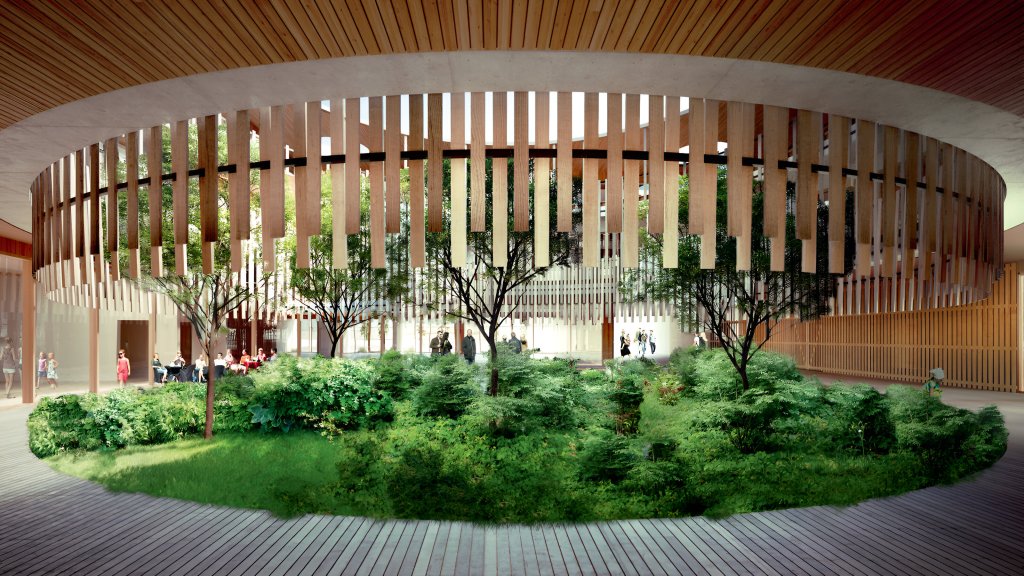
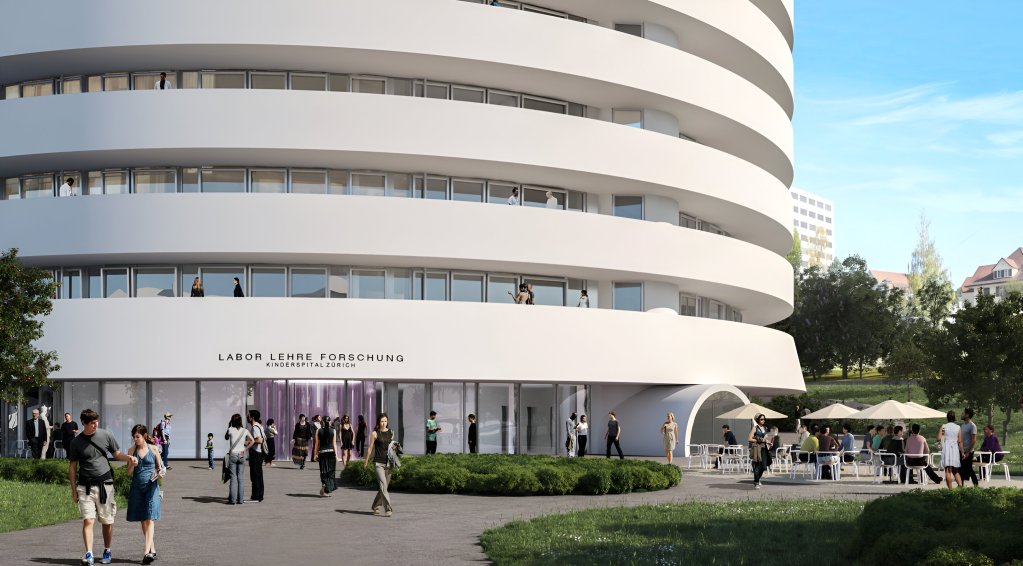
Digitalisation means that architects have to use a bunch of toolboxes together. Manuel recalls his experience of working with Sou Fujimoto, in 2013 in Zurich, where he worked on analysing and simulating a building called Circle. The multipurpose building had an area of 2,30,000 sq. m. 1300 rooms were simulated that cost $450 per room. In accordance with the facilities available at that time, the results were quite poor. In 2016, when simulation was applied to a 20,300 sq. m building area which included 160 simulation rooms, the cost was reduced to $120 per room which was 1/4th of the previous cost. In 2019, the simulation cost of a hospital building with an area of 45,000 sq. m, which included 1700 rooms was $18 which is 1/10th of the previous cost. The optimised process also had an impact on the business as well. In 2022, the cost has come down to $12 per room. In 2025, it may go down to 3-4$ per room and maybe get zero by 2028. This shows how optimising the processes and working on digital models increases workflow and efficiency.

The Operational Part of the Process
Engineers usually need help analysing paper, cardboard, chips, or other kinds of materials that are used by architects in the design or pre-design process. CAD models, adding information using coding, and low graphical scripting enable collaboration between architects and engineers. This raises a question in the engineering community as to why they are using the system used by architects to deliver engineering results. The answer lies in the ability of the engineers to deliver results directly in the architects' environment which is the 3D model, for seamless collaboration.
Manuel says that the key to value creation is to make decisions earlier in the project. This can be done by using a phased approach to detailing, where the project is broken down into smaller, more manageable phases. By making decisions earlier, the team can avoid expensive changes later on in the project. It is important to integrate services into the design process. This means that the firm should work with the services assistance team from the beginning of the project. This will ensure that the team is involved in the decision-making process and that the required services are identified early on. By following these principles, the team can create a foundation for sustainable decision-making. The team can make strong decisions that are based on sound engineering principles and are transparent and traceable. This will help ensure that the decisions are correct and do not require reconsideration.
Integration of Simulation and Design Process
Some of the technical features for integration of design and simulation are having floor areas and living units analysed, cost analysis, calculation of rentability based on commercial and residential rent, operational energy and CO2 impact, and shadow analysis. The key is bringing the technical features together with the team and the client on the workbench. The time frame for this process can take one to two weeks, during which all the relevant information is gathered. Once the data is collected, one to two days are allocated for the development of design typologies. After two days, advanced technical tools are employed to generate the desired outcome for the client before the next meeting. This approach empowers investors and developers to make informed decisions about the project's feasibility and propel it towards a viable business opportunity. The final step includes the development of a final report through an optimised and standardised process. This integrated process applies to all projects that architects and engineers work on to deliver feasible and fruitful outcomes.
Towards an Advanced Future
Gruner exemplifies the effectiveness of a collaborative approach, where diverse teams including clients, asset managers, real estate developers, and consultants work together with architects and engineers in real-time, co-creating designs within a digital toolbox. The integration of design and simulation, coupled with collaborative efforts and innovative thinking, is paving the way for a sustainable future in the AEC industry, enabling the creation of high-performance buildings that meet the needs of both present and future generations.